
Selecting the right blister tape for sports in Singapore requires balancing adhesive durability against the challenges of a highly humid, tropical climate. When running along East Coast Park, hiking the MacRitchie Reservoir trails, or playing intensive court sports, sweat and friction quickly test the limits of any athletic tape. To find the most effective solution, you must evaluate the tape’s base material, adhesive properties, and how well it matches your specific sport and footwear. Rather than searching for a single universal product, the key is matching the tape’s specifications to your skin type, activity level, and the high-friction zones of your feet. By understanding how different materials perform under tension and moisture, you can make an informed choice at local sports specialty stores or online marketplaces to keep your feet protected during training.
Understanding Blister Tape Materials and Adhesives
When evaluating blister tapes, the base material determines how well the product cushions your skin and resists friction. Moleskin is a traditional, thick cotton fabric with a soft, napped surface that provides excellent physical cushioning against stiff footwear, such as heavy hiking boots. However, because it is made of natural cotton, moleskin tends to absorb moisture and can become heavy or lose its grip in humid conditions. Kinesiology tape, typically made of elastic cotton or synthetic blends, offers multi-directional stretch that mimics the elasticity of human skin. This makes it highly suitable for wrapping dynamic areas like the arch of the foot or the ankle. Synthetic fibers, such as rayon or polyester, are exceptionally thin, smooth, and water-resistant, allowing socks to slide easily over the taped area to minimize shear forces.
Adhesive formulations vary widely across brands and directly impact both staying power and skin health. Acrylic-based adhesives are common in synthetic and elastic sports tapes because they offer strong, long-lasting adhesion that resists water and heavy perspiration. While highly durable, some strong acrylics can be difficult to remove and may cause irritation on sensitive skin. Zinc oxide adhesives, frequently found in rigid strapping tapes, provide an exceptionally firm grip that prevents the tape from shifting under extreme lateral pressure, though the rigid backing limits joint movement. Silicone-based adhesives are much gentler on the skin, making them ideal for athletes with sensitive skin or those requiring frequent tape changes, though they generally offer lower resistance to heavy friction.
Products mentioned in this guide
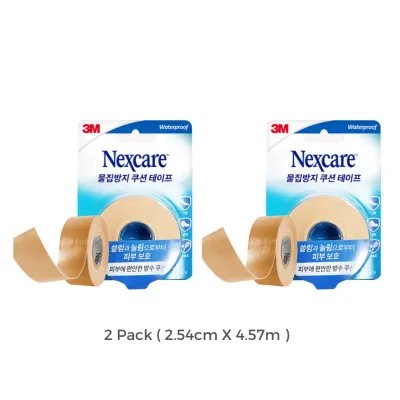
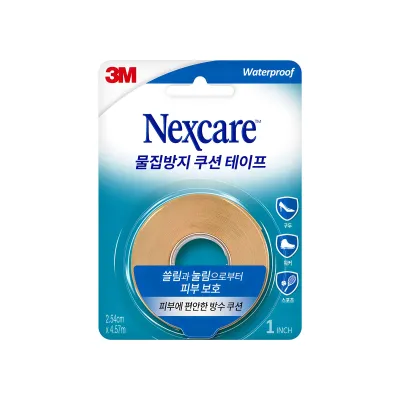
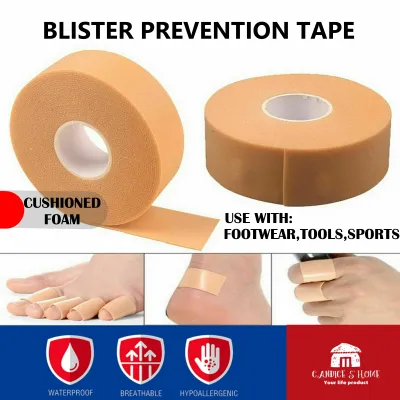
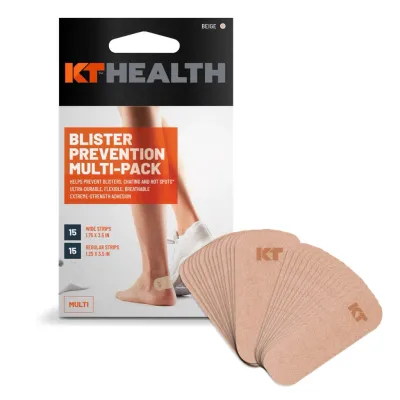
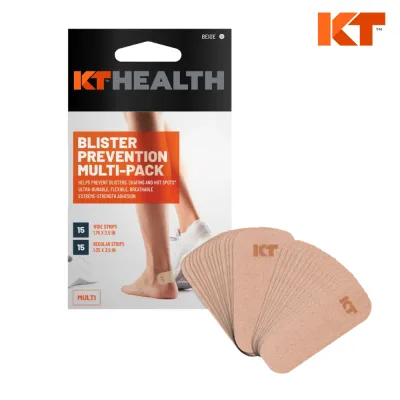
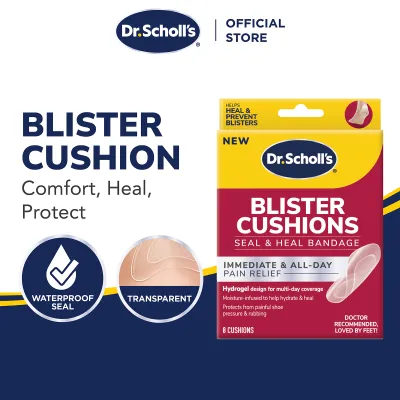
Prices are valid at publication and may change. Please refer to the product page for the latest price.
Before purchasing any adhesive product, it is essential to review the packaging for safety specifications. Look for clear “latex-free” and “hypoallergenic” labels if you have sensitive skin or known allergies to common adhesives. If you have pre-existing skin conditions, eczema, or a history of severe contact dermatitis, consult a medical professional before applying new adhesive products to your skin. Testing a small strip of tape on your forearm for a few hours before using it during an athletic event is a practical way to check for adverse skin reactions.
Matching Blister Tape to Your Sport and Footwear
Different athletic activities subject your feet to distinct friction patterns, requiring specific tape shapes and coverage areas. High-impact, linear sports like long-distance running, trail running, and hiking subject the heel, Achilles tendon, and toes to repetitive, forward-and-backward friction. For these activities, continuous rolls of synthetic tape or pre-cut heel patches work well to cover broad, flat surfaces. Conversely, lateral-movement sports such as badminton, tennis, basketball, and squash involve frequent stopping, pivoting, and sudden changes of direction. These movements create intense lateral shear forces on the balls of the feet and the sides of the toes, requiring rigid or low-stretch tapes applied in secure, overlapping layers to prevent the tape from rolling up or sliding.

Your choice of tape must also account for the volume and fit of your athletic footwear. Thick cushioning materials, such as moleskin or thick hydrocolloid patches, provide excellent impact protection but occupy physical space inside your shoe. If your running shoes, football boots, or climbing shoes already have a snug fit, adding a thick layer of tape can compress your toes, leading to restricted circulation or pressure blisters in adjacent areas. For tight-fitting footwear, opt for ultra-thin synthetic tapes that reduce friction without altering the shoe’s internal volume. Always refer to your footwear manufacturer’s sizing guides, and consider adjusting your sock thickness if you plan to use thicker protective layers.
Flexibility is another critical factor when selecting tape for high-mobility areas of the foot. Applying tape over highly active joints, such as the toe joints or the ankle crease, requires a material with high elasticity to allow a natural range of motion. Rigid tapes applied to these areas will restrict movement, wrinkle quickly, and peel off as the joint flexes during exercise. Check product descriptions for stretch properties, such as “four-way stretch” or specific elasticity percentages, to ensure the tape can conform to the contours of your joints without restricting your athletic performance.
Key Features to Check Before Buying
In Singapore’s hot and humid climate, standard medical tapes quickly lose their grip due to heavy perspiration. When browsing sports equipment stores or online marketplaces, verify water resistance and sweat-wicking claims strictly through product packaging and official manufacturer specifications. Look for tapes designated as “waterproof,” “water-resistant,” or “sweat-proof,” which typically feature specialized acrylic adhesives designed to maintain their bond even when submerged or saturated with sweat. Synthetic materials generally wick moisture away from the skin faster than natural cotton, helping to keep the adhesive dry and secure throughout your workout.
Breathability is equally important for preventing skin maceration, a condition where trapped moisture softens the skin and makes it highly susceptible to tearing. Check the product specifications for breathable weaves, micro-perforations, or porous backings that allow sweat vapor to escape. Additionally, pay attention to the manufacturer’s stated maximum wear time. While some heavy-duty tapes are rated for multi-day wear, athletic blister prevention is generally safest when tape is applied immediately before exercise and removed shortly afterward to allow the skin to breathe and recover.
When choosing between pre-cut shapes and continuous rolls, consider your need for convenience versus customization. Pre-cut patches, such as oval heel shields or narrow toe strips, offer rapid application without the need for scissors, making them highly convenient to carry in a sports bag. They also feature machine-rounded edges that are less likely to catch on socks and peel prematurely. Continuous rolls, on the other hand, provide maximum versatility, allowing you to cut custom lengths and shapes tailored to your exact foot anatomy. If you choose a continuous roll, always use sharp scissors to round the corners of each strip manually to improve its durability on the skin.
Application and Removal Best Practices
Proper skin preparation is the most critical factor in ensuring blister tape adheres securely and performs as intended. Adhesives require a completely clean, dry, and oil-free surface to establish a strong bond. Wash your feet thoroughly with mild soap and water to remove dirt, sweat, and dead skin cells, then dry the area completely with a clean towel. Avoid applying any lotions, moisturizers, body oils, or sunscreens to the target area before taping, as these products will act as a barrier and cause the tape to peel off almost immediately.
When applying the tape, position your foot in a neutral, functional stance to avoid over-stretching or compressing the skin. Apply the tape smoothly from the center outward, pressing down firmly to eliminate any wrinkles, bubbles, or folded edges, which can create new friction points and cause the very blisters you are trying to prevent. If you are using a tape with a heat-activated acrylic adhesive, rub the surface of the tape firmly with your fingers for a few seconds; the friction-generated heat helps activate the adhesive bond. Allow the tape to set for at least 10 to 15 minutes before putting on your socks and shoes to ensure the bond is secure.
Safe removal is essential to prevent skin damage, especially after long training sessions when the skin may be softened by sweat. Peel the tape off slowly and gently in the direction of hair growth, keeping the tape folded back flat against itself rather than pulling it straight upward at a ninety-degree angle. If the adhesive is highly stubborn or painful to remove, apply a small amount of baby oil, mineral oil, or a dedicated adhesive remover to the edges of the tape to break down the bond. If the tape resists removal, tears the skin, or causes persistent redness and irritation, stop using the product immediately and consult a healthcare professional.
Frequently Asked Questions (FAQ)
Can I use blister tape over an existing open blister?
Blister prevention tapes are designed for intact skin to reduce friction and should not be applied directly over an open, broken blister. Standard adhesive tapes can stick to the raw wound bed, tearing the delicate skin during removal and increasing the risk of infection. If you have an open blister, look for sterile hydrocolloid dressings or specialized blister patches labeled specifically for wound care, which provide a moist healing environment and feature a non-stick protective barrier. For deep, painful, or infected blisters, consult a healthcare professional before applying any adhesive products.
How long can I safely leave blister tape on my skin?
Always check the manufacturer’s packaging for the recommended maximum wear time, as specifications vary by material and adhesive strength. For athletic activities in hot and humid environments, it is highly recommended to remove the tape immediately after your workout or event to prevent sweat and bacteria from trapping against the skin. You must remove the tape immediately if you observe signs of skin irritation, such as itching, burning, redness, or if you notice moisture buildup and edge lifting under the tape.
Is it safe to use blister tape for prevention during long-distance events?
Prophylactic taping is a common and effective practice for endurance athletes preparing for long-distance runs or multi-day hikes. However, you should never try a new tape or taping technique for the first time on the day of a major event. Always test the tape, sock, and shoe combination during your training sessions to ensure it does not cause discomfort, restrict circulation, or alter your natural gait. Monitor your feet closely during the event, and remove or adjust the tape immediately if you feel hot spots or severe friction developing.
Community discussion
Share your experience or ask a question. Comments are reviewed before publication.