
Choosing the right body weights vest in Singapore requires aligning the equipment’s design with your specific training style, physical build, and the local tropical climate. Adding external load to your bodyweight movements is an effective way to introduce progressive overload, but a vest that fits poorly or traps excessive heat can quickly ruin your workout.
To make the right choice, you must first identify your primary training modality. If your routine consists of high-impact cardio or running, you will need a highly breathable, compression-fit vest that minimizes bounce. For calisthenics, a low-profile design that preserves shoulder mobility is essential. For heavy strength training or rucking, a heavy-duty plate carrier capable of holding substantial weight is the most appropriate option.
Because fitness equipment is heavy, purchasing a body weights vest in Singapore also requires careful consideration of logistics. Shipping fees for heavy steel plates or iron weights from overseas can easily add S$30 to S$80 to your total cost. Verifying local stock, domestic shipping rates, and return policies on local ecommerce platforms or specialized fitness distributors before committing to a purchase is highly recommended.
Products mentioned in this guide
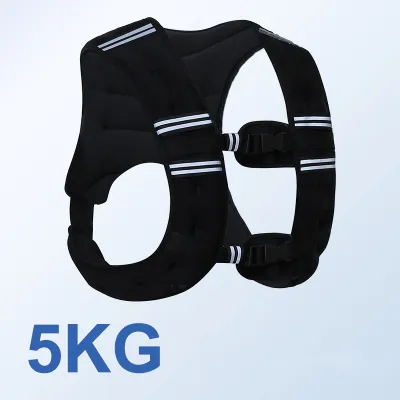
![[SG stock]cherry™ 5KG Sport Weighted Vest Workout Equipment Body Weight Vest - for Men Women Kids](https://img.lazcdn.com/g/p/bd33fbd46112a957d7caf3af919ab545.jpg_400x400q80.jpg_.webp)
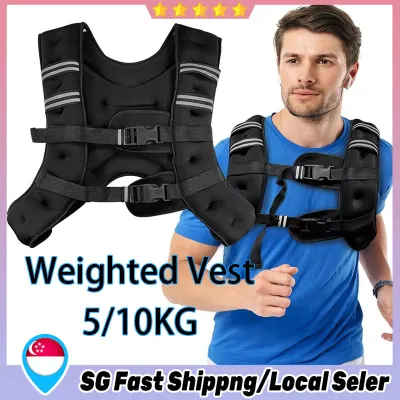
![[SG In Stock]5/10KG Weighted Sport Vest Workout Equipment Sport Body Weight Running Training Vest](https://img.lazcdn.com/g/p/3d4c7179e5ee62fff83cd18a619a74fa.jpg_400x400q80.jpg_.webp)
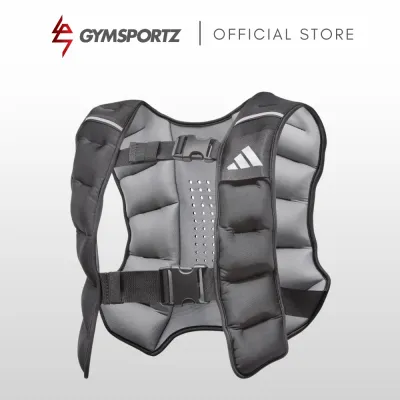
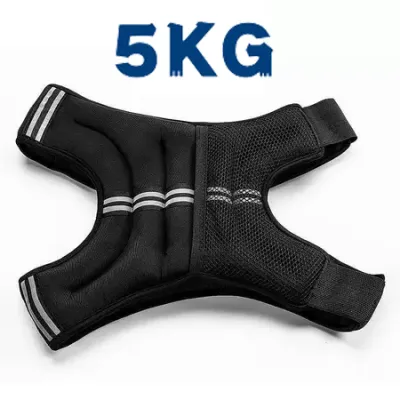
Prices are valid at publication and may change. Please refer to the product page for the latest price.
Key Factors for Choosing a Body Weight Vest
Evaluating a body weights vest requires looking closely at how the weight is loaded, how the vest secures to your torso, and how the materials handle heat. Understanding these foundational elements will help you narrow down your options before you look at specific designs.
Weight Capacity and Adjustability
Weighted vests generally fall into two categories: fixed-weight and adjustable. Fixed-weight vests have a set amount of weight sewn directly into the fabric, making them simple but limiting for long-term progression. Adjustable vests use modular weight systems, allowing you to add or remove load as your strength levels change.
Adjustable systems typically use one of three weight types:
- Sandbags: Soft, flexible, and relatively inexpensive, but they can be bulky and may shift during dynamic movements.
- Iron or Steel Blocks: Compact, rectangular weights that slide into individual pockets, offering precise increments and a balanced fit.
- Weight Plates: Flat, laser-cut steel plates that slide into front and back compartments, providing the most stable and low-profile fit but with fewer incremental adjustment options.
Fit, Strap Systems, and Breathability
Singapore’s high humidity and year-round warm temperatures make heat management a primary concern. A heavy, non-breathable vest acts as an insulator, rapidly raising your core temperature and increasing sweat production. Look for vests constructed with high-grade nylon mesh, perforated neoprene, or moisture-wicking interior linings that promote airflow.
The strap system is what keeps the vest secured to your body. Common configurations include single or double velcro straps, elastic tension bands, and quick-release buckles. The straps must be adjustable enough to pull the vest tight against your torso, preventing it from shifting or chafing against your skin during movement.
Weight Distribution and Spinal Alignment
Proper weight distribution is critical for preventing joint strain and maintaining correct posture. A well-designed body weights vest distributes the load equally between the front and back of your torso. If a vest is front-heavy, it will pull your shoulders forward, straining your lower back; if it is back-heavy, it can cause you to hyperextend your spine to compensate.
Shoulder strap width and padding also play a major role in load distribution. Narrow, unpadded straps will dig into your trapezius muscles and collarbones, potentially pinching nerves and restricting blood flow during longer workouts. Look for shoulder straps that are at least 5 to 8 centimeters wide with dense foam padding.
Matching Vest Designs to Specific Workout Styles
No single vest design is optimal for every type of exercise. The ideal vest for a slow, heavy walk is vastly different from the vest you need for explosive pull-ups or high-intensity interval training. Matching the vest’s physical profile to your dominant training style ensures safety, comfort, and performance.

Calisthenics and Bodyweight Training
Calisthenics athletes require an exceptional range of motion. Movements like pull-ups, dips, muscle-ups, and handstand push-ups demand complete freedom of movement in the shoulder girdle and arms.
For this training style, a low-profile, contoured vest is highly recommended. The vest should sit high on the chest, ending well above the waistline to allow you to bend at the hips without the vest pressing into your thighs. Look for designs with cut-away shoulder sections that do not restrict scapular retraction or overhead arm extension.
Because calisthenics often involves inverted or rapid movements, the strap system must be incredibly secure. A vest that slides toward your face during a handstand or bounces during a muscle-up is highly distracting and dangerous. Opt for dual-strap velcro systems or elastic cummerbunds that wrap tightly around the ribcage.
Running and Cardio
Running with a body weights vest places significant repetitive impact forces on your ankles, knees, and hips. To minimize joint stress, the vest must become an extension of your body, moving in perfect sync with your stride.
For running and high-impact cardio, prioritize a lightweight, highly breathable compression-style vest. These vests typically use soft, flexible materials like neoprene and are designed to hold lower weight capacities, usually ranging from 2kg to 10kg. The weight should be distributed in small, flexible increments across the entire torso rather than in rigid plates.
A snug, bounce-free fit is the single most important feature for running. Any vertical or lateral movement of the vest will cause severe friction, leading to painful chafing, especially in Singapore’s humid climate. Quick-adjust tension straps allow you to tighten the fit on the fly as your body posture changes during a long run.
Heavy Strength Training and Rucking
If your goals center around heavy squats, lunges, step-ups, and loaded walking (rucking), you need a vest built for maximum load capacity and durability. These activities do not require the extreme mobility of calisthenics or the bounce-prevention of running, but they do require a frame that can support heavy weight.
Plate carrier vests, modeled after tactical gear, are the industry standard for heavy strength training. Constructed from heavy-duty materials like 500D or 1000D Cordura nylon, these vests are designed to hold thick steel plates in front and back pockets. They can easily accommodate loads from 10kg to over 30kg.
When choosing a vest for heavy lifting, verify that the bulk of the front plate does not interfere with your movement patterns. A very thick front plate can alter your barbell path during cleans, front squats, or overhead presses. Ensure the shoulder straps are heavily padded to cushion the heavy load across your collarbones.
Essential Features to Verify Before Purchase
Before purchasing a body weights vest, it is important to look beyond the general design and inspect the specific hardware and construction details. These features determine the vest’s longevity, safety, and ease of use.
- Closure Durability: Inspect the quality of the buckles and velcro. High-use velcro can lose its grip over time when exposed to dirt, lint, and heavy sweat. Look for industrial-grade velcro or secondary mechanical closures, such as quick-release steel cables or heavy-duty plastic cam buckles, to ensure the vest stays secure.
- Weight Pocket Security: For vests that use individual weight blocks or sandbags, check how the pockets close. Pockets secured with individual velcro flaps are highly preferred, as they prevent the weights from slipping out during dynamic movements or when bending over.
- Plate Compatibility: If you are buying an empty plate carrier vest, verify the exact dimensions of the plate compartments. Some vests only accept proprietary plates from the same brand, while others are compatible with standard laser-cut tactical plates. Purchasing non-proprietary plates locally can save you significant shipping costs.
- Reflective Elements: If you plan to train outdoors along Singapore's park connectors, roads, or HDB estates at night, look for a vest with integrated reflective strips or attachment points for safety lights to ensure you remain visible to cyclists and motorists.
- Hygiene and Washability: Sweat buildup in a humid climate will quickly lead to bacterial growth and unpleasant odors. Verify if the vest has a removable inner lining that can be machine washed, or if the entire shell is hand-washable. Avoid vests with non-removable weights that cannot be thoroughly cleaned.
Safety, Progression, and Maintenance Checks
Using a body weights vest safely requires a structured approach to progression and regular equipment maintenance. Because the extra load directly impacts your spine and joints, rushing into heavy training can lead to overuse injuries.
Progressive Overload Guidelines
When integrating a weighted vest into your routine, start conservative. A common mistake is choosing a vest that is too heavy for your current fitness level.
- Initial Load: Begin with a weight that is equivalent to 5% to 10% of your total body weight.
- Acclimatization: Perform your standard workout routine at this weight for at least two to three weeks to allow your joints, tendons, and stabilizing muscles to adapt to the new stimulus.
- Gradual Increases: Increase the weight in small increments (e.g., 1kg to 2kg at a time) only when you can complete your entire routine with perfect form and zero joint discomfort.
Posture and Stop Conditions
Always maintain an upright, neutral spine when wearing a weighted vest. Keep your core engaged and avoid letting your shoulders round forward or your lower back arch excessively.
Stop your workout and remove the vest immediately if you experience any of the following symptoms:
- Sharp or pinching pain in your lower back, hips, or knees.
- Numbness, tingling, or a "pins and needles" sensation in your shoulders, arms, or hands, which indicates the shoulder straps are compressing nerves.
- Severe dizziness or shortness of breath beyond normal exertion, as a tight vest can restrict chest expansion if not adjusted correctly.
Equipment Maintenance and Inspection
Regularly inspect your body weights vest to ensure it remains safe to use. Before every workout, perform a quick visual check of the critical stress points.
- Seam Integrity: Check the stitching along the shoulder straps and weight pockets. Look for loose threads, fraying fabric, or separating seams, especially if you regularly train near the vest's maximum weight capacity.
- Strap and Buckle Function: Ensure velcro straps are free of lint and debris, and verify that plastic buckles are not cracked or brittle.
- Weight Security: Confirm that all weight blocks or plates are fully seated and locked into their compartments before putting the vest on.
Frequently Asked Questions (FAQ)
Can I use a single vest for both running and heavy lifting?
While you can technically use a single vest for both activities, you will have to accept significant design compromises. A heavy plate carrier designed for lifting is too rigid, bulky, and prone to bouncing for comfortable running, and it can cause severe chafing or joint strain. Conversely, a lightweight, snug-fitting running vest cannot support the heavy weight plates required for serious strength progression.
If you want a single hybrid vest for general fitness, look for a compact, block-weighted vest with a maximum capacity of 10kg to 15kg. This style offers enough adjustability for moderate strength work while remaining streamlined enough for light jogging or high-intensity interval training.
How do I clean a body weight vest in a humid climate?
To prevent mold, mildew, and persistent odors in Singapore’s humid climate, you must clean your vest regularly. Always remove all weights, plates, or sandbags before cleaning.
For routine maintenance, wipe the interior of the vest down with a damp cloth and a mild antibacterial spray after every workout. For a deep clean, hand wash the empty vest shell in cold water using a mild detergent, rinse it thoroughly, and squeeze out excess water without wringing the fabric. Hang the vest to dry in a well-ventilated, shaded outdoor area. Avoid direct, intense sunlight, as prolonged UV exposure can degrade nylon fibers and weaken the stitching over time. Ensure the vest is completely dry before reinserting the weights.
Community discussion
Share your experience or ask a question. Comments are reviewed before publication.