
Selecting a boxing glove dryer requires balancing your training frequency, glove material, and local climate. In highly humid environments like Singapore, passive air-drying is rarely sufficient to prevent bacteria growth and material rot. By evaluating drying mechanisms, capacity, safety features, and portability, you can find a device that keeps your gloves fresh and structurally sound.
Why Your Training Routine Dictates Your Dryer Choice
Every time you slip your hands into your boxing gloves for a heavy bag session, pad work, or sparring, your hands sweat. This moisture is absorbed directly by the inner fabric lining and the dense foam padding beneath it. When gloves remain damp between sessions, this trapped moisture creates a breeding ground for bacteria and fungi, which leads to persistent, unpleasant odors and degrades the structural integrity of your gear. Over time, moisture breaks down the adhesive bonds in multi-layered foam and accelerates the cracking of both genuine and synthetic leather.
For high-frequency fighters who train daily or multiple times a week, a standard passive drying approach is inadequate. Your gloves do not have enough time to dry naturally between sessions, meaning you are repeatedly putting your hands into damp, bacteria-laden environments. This constant moisture saturation rapidly ruins the glove’s padding, reducing its shock-absorption capabilities and increasing your risk of hand or wrist injuries. Conversely, casual fitness boxers who train two to three times a week have longer intervals between sessions, but still require active drying to prevent mildew from setting in during those idle periods.
Products mentioned in this guide
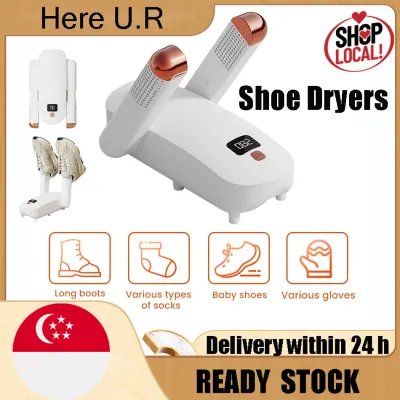
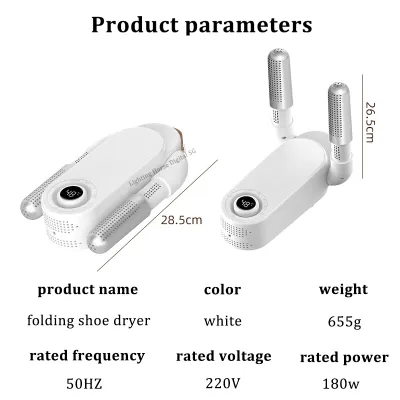
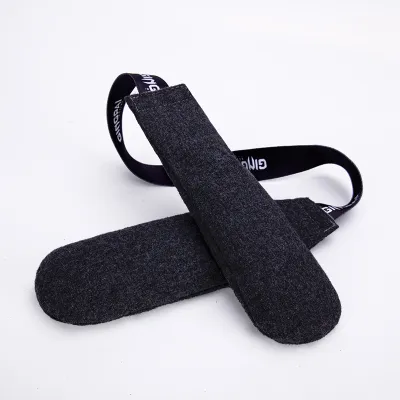
Prices are valid at publication and may change. Please refer to the product page for the latest price.
Relying on passive air-drying or makeshift methods like stuffing gloves with newspaper or placing them near home fans is highly inefficient, especially in tropical climates with high relative humidity. A dedicated boxing glove dryer actively circulates air deep into the finger compartment and thumb pocket, which are the hardest areas to dry. Investing in a specialized dryer not only preserves the hygienic state of your gloves but also significantly extends their lifespan, saving you from having to replace expensive training gear prematurely.
Key Factors to Evaluate Before Buying a Boxing Glove Dryer
Before purchasing a boxing glove dryer, you must evaluate several critical technical specifications and design features to ensure compatibility with your gear.

Drying Mechanisms The three primary drying technologies available are ambient airflow (fans), controlled low heat, and ultraviolet (UV-C) sanitization. Ambient airflow dryers use small fans to circulate room-temperature air, which is highly safe for all materials but takes longer to dry thick gloves. Low-heat dryers use gentle warmth to accelerate evaporation, which is highly effective but requires strict temperature monitoring to avoid damaging heat-sensitive materials. UV-C sanitization does not dry the gloves physically but uses specific light wavelengths to eliminate odor-causing bacteria on the interior lining.
Capacity and Form Factor Dryers come in various configurations, ranging from single-glove inserts to dual-nozzle tabletop units. If you frequently travel for tournaments or train at multiple gyms, portable, battery-operated, or USB-powered insert dryers are highly practical. For those who train primarily at home or have a dedicated gear storage area, larger tabletop or wall-mounted units offer more robust airflow and faster drying cycles, though they require dedicated shelf space and access to a wall outlet.
Noise and Power Consumption Because glove dryers often run for several hours, noise levels are an important consideration, particularly in shared living spaces or compact apartments. Ambient fan dryers are generally quiet, producing a low hum similar to a computer fan, whereas high-velocity heated dryers can be significantly louder. Power consumption is typically low for fan-only and UV models (often under 10 to 20 watts), while heated models draw more power (ranging from 50 to 200 watts), which is worth noting if you plan to run the device daily.
Safety Features To protect your investment and your home, prioritize dryers equipped with safety features such as automatic shutoff timers and overheat protection. Uncontrolled heat can warp foam padding, dry out genuine leather, or melt synthetic linings. An auto-shutoff timer ensures the device runs only for the necessary duration, minimizing energy waste and eliminating fire hazards if you leave the dryer running overnight or while you are away from home.
| Drying Technology | Drying Speed | Material Safety Risks | Ideal User Profile |
|---|---|---|---|
| Fan Only (Ambient Air) | Slow (4 to 8 hours) | Very Low (Safe for all materials) | Casual trainees, synthetic glove users, budget-conscious buyers |
| Low Heat (Warm Air) | Moderate to Fast (1 to 3 hours) | Moderate (Risk of leather drying or foam warping if temperature exceeds 45°C) | Heavy sweaters, owners of thick sparring gloves (16oz+), humid climate residents |
| UV-C + Airflow | Fast (2 to 4 hours) | Low (Safe if UV exposure is restricted to the interior fabric lining) | High-frequency fighters, professional competitors, hygiene-focused athletes |
Which Glove Dryer Type Matches Your Training Routine?
High-Frequency and Heavy Sweaters: UV and Airflow Combos
If you train daily or engage in intense sparring sessions that leave your gloves thoroughly soaked, a dryer combining UV-C sanitization with forced ambient airflow is highly effective. This dual-action approach addresses both moisture and bacteria simultaneously. The forced airflow continuously drives out dampness from the deepest recesses of the glove, while the UV-C light targets and neutralizes the microorganisms that thrive in warm, dark, and moist environments.
When selecting a UV and airflow combination dryer, look for models with adjustable timer settings that allow you to customize the cycle based on how wet your gloves are. It is also important to verify the placement of the UV bulbs; they should be positioned near the tips of the dryer nozzles so that the light projects directly into the finger box where bacteria concentration is highest. Ensure the device design keeps the UV light shielded within the glove during operation to prevent direct exposure to your eyes or skin.
While highly efficient, these advanced units carry certain limitations. They generally command a higher upfront price compared to basic fan or heat-only models. Additionally, the UV-C bulbs have a finite lifespan and may eventually require replacement to maintain sanitizing efficacy. You must also ensure that the UV light remains confined to the interior fabric lining, as prolonged direct exposure to UV radiation can degrade the exterior finishes of certain leather or synthetic materials.
Casual Trainees and Small Spaces: Compact Fan Dryers
For casual fitness boxers who train two to three times a week, or those living in compact apartments with limited storage, a portable fan dryer is an excellent choice. These devices typically consist of two small, cylindrical fan inserts connected by a cord, which slip directly into your gloves. Because they rely solely on ambient room-temperature air, they pose absolutely zero risk of heat damage, making them safe for every type of glove material, from entry-level vinyl to premium cowhide.
The compact form factor of these dryers makes them highly portable. Many models are lightweight enough to be tossed directly into your gym bag, allowing you to begin the drying process immediately after your workout. Some are designed to run on USB power, meaning you can plug them into a power bank, a laptop, or a car charger on your commute home from the gym, making them incredibly convenient for busy schedules.
The primary trade-off with fan-only dryers is their slower drying speed. Because they do not use heat, drying a thoroughly soaked glove can take anywhere from four to eight hours, depending on the ambient humidity of your room. To get the best results, you must establish a habit of inserting the dryer immediately after your training session ends, rather than letting the gloves sit damp in your gym bag for hours before starting the cycle.
Thick Gloves and Humid Environments: Low-Heat Options
If you use heavy sparring gloves, such as 16oz or 18oz models, or if you train in a highly humid tropical climate, ambient air alone may not dry the thick internal padding quickly enough to prevent mold. In these scenarios, a low-heat dryer is often necessary. These devices introduce gentle warmth to speed up the evaporation process, drawing moisture out of the dense, multi-layered foam structure of larger gloves far more rapidly than ambient air can.
However, when using heat, you must adhere to strict safety boundaries to protect your equipment. The dryer must operate at a low, controlled temperature, ideally not exceeding 45°C. Before using any heated device, always check your glove manufacturer’s care instructions and product labels. If your glove manufacturer’s care instructions conflict with the dryer’s manual, or if your gloves are made of an unidentified material, stop immediately and consult a professional or the glove manufacturer before proceeding.
Exceeding safe temperature thresholds poses significant risks to your gear. Excessive heat can cause genuine leather to dry out, shrink, and crack, stripping away the natural oils that keep the leather supple. For synthetic gloves, high heat can melt the polyurethane outer shell or cause the inner lining adhesives to delaminate. Furthermore, intense heat can cause the internal foam padding to warp or become brittle, permanently destroying the glove’s protective qualities and making them unsafe for sparring.
How to Use Your Glove Dryer Without Damaging Your Gear
To maximize the lifespan of both your boxing gloves and your drying device, you must practice proper pre-drying preparation and operational safety.
Pre-Drying Prep Before placing your gloves on the dryer, take a few seconds to prepare them. Use a clean microfiber cloth to wipe out as much excess sweat and moisture from the interior lining as possible. Check the inside of the gloves for any tears or loose threads that could catch on the dryer nozzles. Fully open the wrist cuffs, undoing velcro straps or loosening laces completely, to allow maximum airflow to escape from the glove opening during the drying cycle.
Operational Safety When operating a heated dryer, safety must be your top priority. Always place the dryer on a flat, stable, and non-flammable surface, such as a tiled floor or a heavy wooden shelf, away from curtains, loose papers, or other combustible materials. Never cover the intake vents of the dryer, as blocked vents can cause the motor to overheat rapidly. Avoid leaving heated dryers running unattended for extended periods, and strictly adhere to the manufacturer’s recommended cycle times.
Device Maintenance To keep your glove dryer operating at peak efficiency, perform regular maintenance on the unit. Unplug the device and use a dry, soft cloth to gently wipe down the UV-C bulbs to remove any dust or residue that could block the light output. Periodically inspect the fan vents and use a small brush or compressed air to clear away lint or dust buildup. Regularly check the power cord for any signs of fraying, cracking, or wear, and replace the unit or seek professional repair if the cord is damaged.
When to Stop Always monitor the condition of your gloves during and after each drying cycle. If you notice any warning signs—such as the leather feeling unusually stiff or dry, a chemical or burning odor emanating from the synthetic lining, or the internal foam feeling lumpy or compressed—stop using the dryer immediately. In such cases, consult your glove manufacturer’s customer support to identify safer alternative drying methods that are compatible with your specific model’s materials.
Frequently Asked Questions (FAQ)
Can I use a regular shoe dryer for boxing gloves?
While shoe dryers and boxing glove dryers share similar operating principles, using a standard shoe dryer for boxing gloves carries distinct risks. Shoe dryers are often designed with rigid, wide, or highly angled plastic nozzles shaped specifically for footwear. Forcing these rigid shapes into a boxing glove can stretch out the wrist cuff, deform the thumb positioning, or tear the delicate inner fabric lining.
Additionally, many shoe dryers operate at higher temperature settings because footwear materials like canvas, heavy rubber, and thick synthetics can withstand greater heat. These elevated temperatures can easily damage the delicate foams and natural leathers used in boxing gloves. If you must use a shoe dryer as a temporary alternative, ensure it has a fan-only or low-heat setting, and verify that the nozzles fit loosely inside your gloves without stretching the cuffs or compressing the padding.
Does UV light damage leather boxing gloves?
UV-C light is highly effective at sanitizing the interior fabric lining of boxing gloves, but prolonged direct exposure can damage the exterior leather. Natural leather contains moisture and organic oils that keep it flexible; direct, long-term exposure to UV radiation can break down these organic compounds, leading to dry, brittle, and cracked leather.
To prevent this damage, ensure that the UV-C light is directed strictly inside the glove’s inner chamber. The glove’s thick padding and outer shell naturally act as a barrier, shielding the exterior leather from the UV rays. Always check your glove manufacturer’s guidelines regarding UV sensitivity, and avoid using UV sanitizers on gloves with highly delicate, painted, or metallic leather finishes that may be more susceptible to discoloration.
How long should I leave my gloves on the dryer?
The ideal drying duration depends on the drying technology used and the weight of your gloves. For ambient fan-only dryers, a standard cycle typically ranges from two to four hours for lighter gloves (10oz to 12oz), and up to six hours for heavier sparring gloves (16oz or larger) that have absorbed significant sweat. Because fan-only models use no heat, leaving them running slightly longer carries virtually no risk of material damage.
For low-heat dryers, cycles must be much shorter to protect the materials. A typical low-heat cycle should last between 30 to 60 minutes, which is usually sufficient to evaporate moisture from the inner lining. After the heated cycle completes, you can let the gloves air-dry naturally to finish the process. Always consult your specific dryer’s instruction manual for recommended run times, and never exceed the suggested cycles to avoid overheating your gear.
Community discussion
Share your experience or ask a question. Comments are reviewed before publication.