
Selecting the correct boxing glove weight is one of the most critical decisions you will make for your training. The right weight does not just influence how fast you can punch; it directly impacts your hand safety, the longevity of your joints, and the physical well-being of your sparring partners. While beginners often assume one pair of gloves fits all scenarios, different training activities demand distinct weight specifications.
As a general rule, boxing glove weights range from 8 ounces (oz) to 18 ounces. For heavy bag and pad work, most adults require 10oz to 12oz gloves to balance protection with speed. For controlled sparring, 14oz to 16oz gloves are the industry standard to ensure safety. Official competitions typically mandate 8oz or 10oz gloves, depending on the weight class and sanctioning body.
Before purchasing any gear, keep in mind that boxing is a high-risk contact sport. While the right equipment mitigates injury risks, it cannot substitute for professional coaching, proper hand wrapping, and controlled technique. Always check your gym’s specific gear rules and inspect your gloves regularly for any foam degradation or torn seams.
Products mentioned in this guide
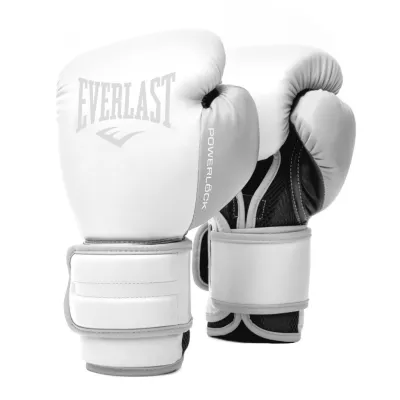
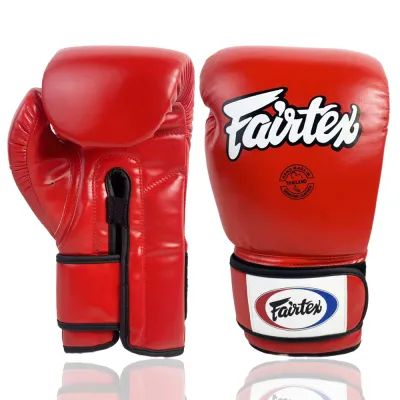
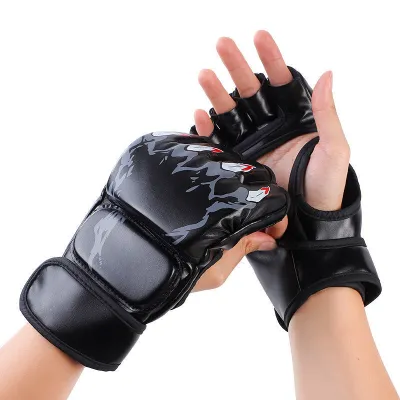
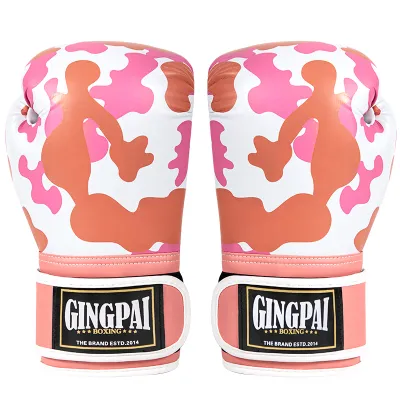
Prices are valid at publication and may change. Please refer to the product page for the latest price.
What Boxing Glove Weights (oz) Actually Mean
In the boxing world, gloves are categorized by weight in ounces (oz) rather than standard sizing like small, medium, or large. This weight measurement refers directly to the amount of protective padding built into the glove. It is a common misconception that a higher ounce rating automatically translates to a larger hand compartment. Instead, it signifies that more foam or horsehair has been layered over the knuckles to absorb impact.
Choosing a glove weight involves a fundamental trade-off between protection and performance. Heavier gloves contain more padding, which provides superior shock absorption for your hands and reduces the force transferred to your target. However, this extra mass increases shoulder fatigue and slows down your punching speed. Lighter gloves allow for rapid combinations and offer immediate sensory feedback, but they expose your knuckles and wrists to higher levels of stress.
Minor weight differences, such as choosing between a 12oz and a 12.5oz glove, will not drastically alter your training outcomes. However, moving across major weight categories—such as jumping from a 10oz bag glove to a 16oz sparring glove—will fundamentally change how you carry your hands, throw punches, and manage fatigue during a workout.
Best Glove Weights for Heavy Bag and Pad Work
When training on heavy bags, double-end bags, or focus mitts, your primary goal is to develop proper punching mechanics, speed, and hand-eye coordination while safeguarding your knuckles. For most adult boxers, a glove weight between 10oz and 12oz is the optimal choice for this type of target training.

This weight range provides a crucial balance. The padding is thick enough to prevent bruising against a dense heavy bag, yet light enough to let you feel the angle of impact. This sensory feedback is vital; it teaches you whether you are landing with your two primary knuckles or striking at an awkward angle that could sprain your wrist. Using a 10oz or 12oz glove also allows you to maintain clean punch mechanics without fighting excessive bulk.
Using overly heavy gloves, such as 14oz or 16oz models, for daily bag work can lead to several training drawbacks. The added weight can alter your natural punching form, cause you to push your punches rather than snap them, and induce premature shoulder fatigue that compromises your technique. Furthermore, hitting a dense heavy bag with soft sparring foam will quickly compress and ruin the padding, rendering those gloves unsafe for future sparring sessions.
When selecting a bag glove, remember that weight alone does not guarantee safety. Look for gloves specifically designed with high-density foam and robust wrist support. A well-constructed 12oz bag glove with a rigid hook-and-loop wrist strap will protect your wrist far better than a poorly made 16oz glove with weak wrist structure.
Choosing the Right Weight for Sparring
Sparring is a highly controlled training method designed to practice timing, defense, and strategy against an active opponent. Because the goal is skill development rather than injury, sparring gloves prioritize the safety of your training partner. For almost all adults, the standard sparring glove weight is 14oz to 16oz, with fighters weighing over 80 kilograms often requiring 18oz gloves.
The primary objective of a sparring glove is to disperse the force of your punch over a larger surface area. The thick, pillowy padding cushions the impact, significantly reducing the risk of cuts, facial bruising, and concussive forces for your partner. Sparring with gloves lighter than 14oz is highly dangerous and widely considered poor gym etiquette, as the compressed padding can easily cause unnecessary injuries.
While the extra padding protects your partner, it also demands more physical effort from you. Keeping your guard up and throwing punches with 16oz gloves requires substantial cardiovascular endurance and shoulder strength. This added resistance serves as excellent physical conditioning, making your hands feel incredibly fast when you eventually switch to lighter gloves.
Most reputable boxing gyms in Singapore and worldwide enforce strict safety policies regarding sparring gear. Before stepping into the ring, verify your gym’s minimum weight requirements. In almost all professional and recreational facilities, a minimum of 16oz gloves is mandatory for sparring, regardless of your personal body weight, to maintain a safe training environment.
Competition and Fight Night Glove Requirements
Unlike daily training gear, competition gloves are engineered to maximize impact transfer and scoring efficiency within the rules of a sanctioned bout. These gloves are highly regulated, and athletes do not get to choose their glove weight based on personal preference. Instead, the weight is strictly dictated by the sanctioning body and the fighter’s weight class.
In amateur and professional competitions, the standard glove weights are 8oz and 10oz. Typically, fighters in lower weight classes (often up to welterweight, around 67 kilograms) wear 8oz gloves, while fighters in heavier divisions wear 10oz gloves. These gloves feature a much sleeker profile, stiffer padding, and often a lace-up closure system to provide a highly customized, secure fit that prevents the glove from shifting during a fight.
Because competition gloves prioritize impact over protection, they offer significantly less cushioning for your hands. Using competition-style gloves for regular heavy bag training or sparring is a recipe for disaster. The minimal padding will quickly bottom out against a heavy bag, leading to knuckle damage, while using them in sparring poses an unacceptable risk of injuring your training partners.
If you are preparing for an upcoming amateur tournament or inter-gym exhibition, always consult your coach and review the event’s official rulebook. Sanctioning bodies like the Singapore Boxing Federation have precise guidelines regarding approved brands, glove weights, and closure types that you must follow to be cleared to fight.
How to Factor in Your Body Weight and Hand Size
While training activity is the primary factor in choosing a glove weight, your physical attributes—specifically your body weight and hand size—must be factored in to ensure a safe, ergonomic fit. A lightweight fighter will have different equipment needs than a heavyweight.
To help you navigate these variables, refer to this general guideline matrix correlating body weight with recommended glove weights for different activities:
| Fighter Weight | Bag and Pad Work | Sparring Weight |
|---|---|---|
| Under 55 kg | 10 oz | 14 oz |
| 55 kg to 75 kg | 10 oz – 12 oz | 16 oz |
| 75 kg to 90 kg | 12 oz – 14 oz | 16 oz |
| Over 90 kg | 14 oz | 16 oz – 18 oz |
Beyond weight, you must consider the physical size of the hand compartment. Because glove weight is tied to padding volume, lighter gloves (like 8oz or 10oz) naturally feature smaller internal hand pockets. If you have large hands but fall into a lighter weight class, you may find that your hand feels painfully cramped inside a standard 10oz glove. In such cases, you should seek out brands known for producing wider hand compartments rather than simply sizing up in weight, which could disrupt your training focus.
Always try on new gloves while wearing your standard hand wraps. Hand wraps add significant volume to your fists and are non-negotiable for protecting the delicate bones in your hands. A properly fitting glove should feel snug but comfortable with wraps on; your fingers should reach the end of the pocket without being bent double, and your thumb should sit naturally in a protected position. If the glove cuts off circulation or forces your hand into an unnatural shape, it is not the right fit for you.
In Singapore’s hot and humid tropical climate, maintaining your gloves is also crucial. Sweat can quickly degrade the interior lining and foam of your gloves. Always air dry your gloves in a well-ventilated space after every session, and consider using glove deodorisers or cedar inserts to absorb moisture and prevent bacterial growth.
Frequently Asked Questions (FAQ)
Can I use one pair of gloves for all training activities?
While absolute beginners can start with a single pair of 14oz hybrid gloves as a budget-friendly compromise, using one pair for everything is not recommended long-term. Hitting a heavy bag repeatedly compresses the protective foam over time. If you use that same compressed pair for sparring, you will essentially be hitting your partner with hardened foam, which defeats the safety purpose of sparring gloves. For the best safety and gear longevity, aim to own one dedicated pair of 10oz or 12oz gloves for bag work and a separate pair of 16oz gloves reserved exclusively for sparring.
Do heavier gloves make you punch harder?
No, training with heavier gloves does not directly increase your raw punching power. Punching power is generated through proper kinetic chain mechanics, starting from your feet, through your hips, and out through your shoulder. However, training with heavier gloves (like 16oz) builds excellent shoulder endurance and muscular conditioning. When you switch to a lighter 10oz or 8oz glove on fight night, your hands will feel significantly lighter and faster, allowing you to throw rapid combinations with less fatigue.
Should I size up in weight if I wear thick hand wraps?
You should not size up in glove weight simply to accommodate thick hand wraps. Glove weight dictates the thickness of the external padding, not the size of the internal hand cavity. Sizing up to a heavier glove just for space can result in a glove that is too heavy for your training goals, leading to premature fatigue. Instead, research boxing brands that are known for having larger or more forgiving hand compartments, or opt for gloves with adjustable lace-up or elastic closures that allow for extra wrist and hand volume.
Community discussion
Share your experience or ask a question. Comments are reviewed before publication.