
Finding an effective bunion fix in Singapore requires matching the structural support of a corrector to the specific stage of your joint deviation, your daily activity levels, and your footwear choices. Because a bunion is a progressive foot condition, a device that works well for mild friction relief during a morning run will not provide the structured alignment needed for moderate joint displacement during sleep. Selecting the right corrector involves evaluating joint flexibility, material breathability for Singapore’s humid climate, and how well the device integrates into your daily routine without causing secondary foot pain.
While over-the-counter correctors cannot permanently reverse the underlying bone structure, they play a vital role in conservative management. They help redistribute pressure, reduce painful friction against shoe uppers, and support proper joint alignment during movement or rest. By understanding the mechanics of different corrector types, you can make an informed decision that protects your mobility and keeps you comfortable throughout the day.
Understanding Bunion Severity and Corrector Types
Bunion progression is generally categorized into mild, moderate, and severe stages, each characterized by visible joint deviation and varying degrees of joint flexibility. In the mild stage, the big toe shows a slight inward angle toward the second toe, and the joint at the base remains highly flexible. You might only notice discomfort after long periods of walking or when wearing narrow shoes. For this stage, low-profile silicone toe spacers or lightweight daytime sleeves are highly effective, as they gently encourage alignment and cushion the joint without adding bulk.
Products mentioned in this guide
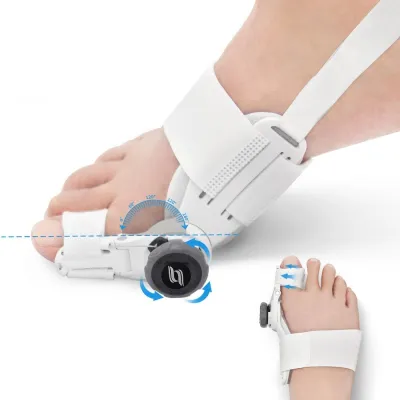
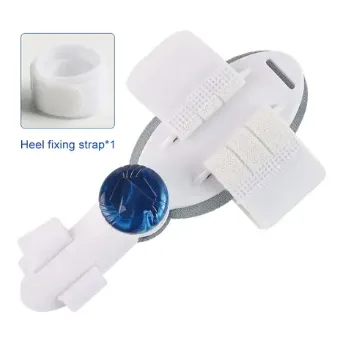
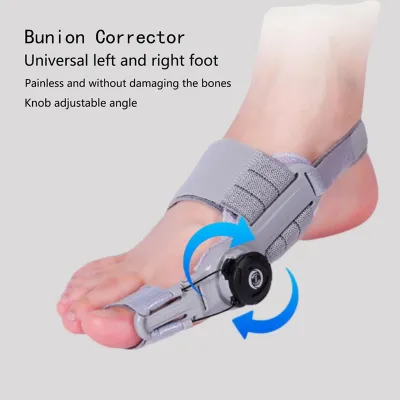
Prices are valid at publication and may change. Please refer to the product page for the latest price.
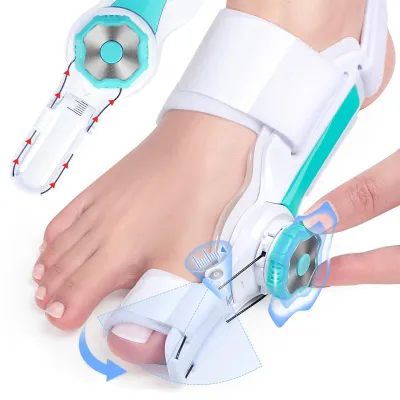
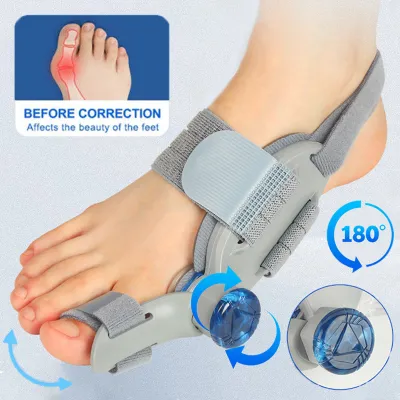
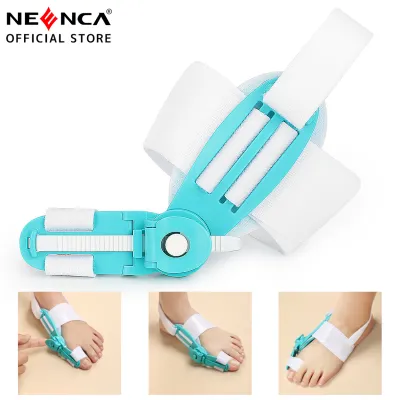
As the condition advances to a moderate stage, the bony bump at the base of the big toe becomes more pronounced, and the joint loses some of its natural flexibility. You may experience more frequent aching, stiffness, and difficulty finding comfortable footwear. Moderate bunions require dynamic support that can withstand the forces of walking. Hinged bunion braces or adjustable daytime wraps are ideal here, as they feature a physical hinge aligned with the toe joint, allowing you to walk naturally while the device exerts a gentle, continuous lateral force to keep the toe aligned.
In severe cases, the big toe exhibits a significant, rigid deviation, often overlapping or underlapping the second toe. The joint itself may feel highly stiff, arthritic, or permanently fixed in its angled position. For severe deformities, rigid night splints can help manage resting discomfort and prevent further tight muscle contractures. However, it is crucial to note that highly rigid, non-yielding braces are generally unsuitable for severe, fixed deformities; forcing a rigid joint into a straight position can cause intense pain, skin breakdown, and joint inflammation.
Understanding the distinct categories of bunion fixes helps you select the right tool for your specific stage:
- Silicone Spacers: Simple, flexible inserts placed between the first and second toes to prevent overlapping and maintain a natural gap.
- Daytime Sleeves: Elastic fabric sleeves featuring an integrated gel pad that slides over the big toe to cushion the bunion bump against shoe friction.
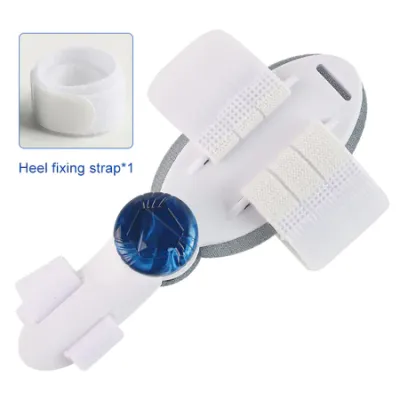
- Hinged Braces: Dynamic, wearable splints with a mechanical hinge that allows joint flexion during walking while maintaining lateral alignment.
- Night Splints: Rigid, non-hinged braces designed to hold the big toe in a straight, static position during sleep or periods of rest.
Key Selection Criteria for Daily Activities and Sports
For active individuals in Singapore, participating in sports like running, tennis, or hiking requires a bunion fix that can handle high-impact forces and heavy perspiration. During high-activity scenarios, prioritize low-profile designs made from moisture-wicking materials. Silicone toe spacers are excellent for sports because they fit easily inside athletic shoes and do not absorb sweat. Ensure your sports correctors do not contain rigid plastic or metal components, as the repetitive impact of running can force these hard materials into your skin, leading to painful bruising or blisters.

Navigating a professional work environment or standing for long hours on hard retail floors demands a balance between support, adjustability, and shoe compatibility. Corporate footwear, particularly structured dress shoes or narrow loafers, offers very little internal space. In these scenarios, a thin, breathable daytime sleeve is highly suitable. It provides a slim barrier that cushions the sensitive joint against the shoe’s leather upper while remaining completely discreet. Look for sleeves with adjustable compression bands that allow you to customize the fit as your feet naturally swell throughout the day.
Nighttime recovery offers a unique opportunity to apply consistent, structured alignment without the constraints of footwear. Because your body is at rest, you can utilize rigid night splints that feature fixed angles and stronger strap tension. When evaluating a night splint, prioritize sleep comfort, thick foam padding, and secure hook-and-loop straps. The device must hold the toe gently but firmly; if the tension is too aggressive, it can disrupt your sleep or restrict local blood circulation, defeating the purpose of overnight recovery.
Singapore’s warm, tropical climate also plays a significant role in your daily selection. High humidity levels increase the rate of sweating, which can cause correctors to slip out of place or irritate the skin. Choosing devices with anti-slip silicone grips or highly breathable fabric blends ensures the corrector stays securely positioned during your daily commute on public transit or during outdoor exercise.
How to Evaluate Fit, Adjustability, and Material Safety
Proper sizing and fit verification are critical to ensure your bunion corrector provides therapeutic benefits without causing secondary injuries. A corrector that is too tight can restrict blood circulation, compress local nerves, and lead to skin maceration. When trying on a device, check for immediate warning signs of a poor fit, such as tingling, numbness, coldness in the toes, or deep red indentations. The corrector should align perfectly with the natural bend of your big toe joint, allowing the toe to move through its natural range of motion without pinching.
Given the humid climate of Singapore, material safety and hygiene maintenance are paramount for preventing skin infections. Look for medical-grade, hypoallergenic silicone and latex-free fabrics to minimize the risk of allergic contact dermatitis. Establish a strict daily cleaning routine: wash silicone spacers with mild soap and warm water after every use, and allow them to air-dry completely in a shaded area. Fabric sleeves should be washed regularly in a laundry bag to preserve their elasticity and remove sweat buildup, bacteria, and dead skin cells.
Evaluate the adjustment mechanisms of any brace or splint before purchasing. High-quality correctors feature durable hook-and-loop straps, flexible hinges, or micro-adjustable dial systems that allow you to fine-tune the tension. These mechanisms should allow for gradual, incremental adjustments over several weeks. Avoid devices with flimsy plastic components that bend easily under walking pressure, as they will fail to provide the consistent lateral support necessary to keep the joint aligned.
Before committing to a specific product, perform a simple home check. Wear the corrector around your living space for thirty minutes to observe how your foot responds. If you notice any hot spots, rubbing, or localized pain, adjust the straps to a looser setting. If the discomfort persists, the device may be the wrong size or shape for your foot structure, and you should select an alternative model.
When to Stop Using a Bunion Fix and Seek Professional Care
While over-the-counter bunion correctors are excellent tools for managing daily discomfort, they have clear capability limits. You must stop using any bunion fix immediately if you experience red flag symptoms. These include increased joint pain, skin breakdown, blisters, persistent numbness, tingling, or localized skin color changes, such as the toe turning pale or blue. These signs indicate that the device is exerting excessive pressure, compressing nerves, or restricting vital blood flow to the extremity.
It is essential to maintain realistic expectations regarding what a non-surgical bunion corrector can achieve. These devices are designed to manage symptoms, reduce friction, and provide temporary alignment while worn. They cannot structurally realign the bones of your foot or permanently reverse a hallux valgus deformity. The underlying bone misalignment is a structural issue that can only be permanently corrected through surgical intervention.
If your bunion pain continues to worsen, limits your daily walking distance, or makes it difficult to find any comfortable footwear, it is time to seek professional care. Consulting a podiatrist or a physiotherapist in Singapore is the best course of action. A professional can conduct a comprehensive gait analysis, evaluate your foot biomechanics, and prescribe custom orthotics designed to address the root cause of your joint deviation. They can also guide you on appropriate therapeutic exercises to strengthen the supporting muscles of your foot.
Frequently Asked Questions (FAQ)
Can a bunion fix permanently straighten my toe?
No, a bunion corrector cannot permanently straighten your toe or reverse the underlying bone deformity. These devices are designed to provide temporary alignment, redistribute pressure, and alleviate pain while you are wearing them. Permanent structural correction of a bunion can only be achieved through surgical procedures performed by an orthopedic specialist.
How many hours a day should I wear a bunion corrector?
The recommended wear time depends on the type of corrector and your personal comfort level. For daytime sleeves and silicone spacers, start with 1 to 2 hours a day to let your foot adapt, gradually increasing to full-day wear if there is no discomfort. For rigid night splints, begin with short periods while resting before wearing them for an entire night. Always follow the manufacturer’s specific guidelines and stop immediately if you experience pain.
Are bunion correctors safe to wear inside running shoes?
Only low-profile, flexible correctors like thin silicone toe spacers or soft gel sleeves are safe to wear inside running shoes. You must ensure your running shoes have a sufficiently wide toe box to accommodate both your foot and the corrector without squeezing. Never wear rigid splints or bulky hinged braces inside athletic footwear, as the impact of running can force the rigid materials against your skin, leading to severe friction, blisters, or joint bruising.
Community discussion
Share your experience or ask a question. Comments are reviewed before publication.