
Choosing the right table tennis racket is a critical decision that directly influences your control, speed, and overall skill development on the table. For players looking to invest in a butterfly bat, navigating the extensive lineup of blades and rubbers requires a clear understanding of your own physical playing style and technical proficiency. This guide provides a systematic approach to assessing your needs and matching them to the appropriate Butterfly equipment configurations.
Assess Your Skill Level and Playing Style
Before looking at specific gear, you must evaluate your current technical capabilities. Table tennis equipment is highly sensitive to contact angles and force, meaning a racket designed for an advanced competitor will often hinder a developing player’s progress.
Skill Level Self-Assessment Checklist
Products mentioned in this guide
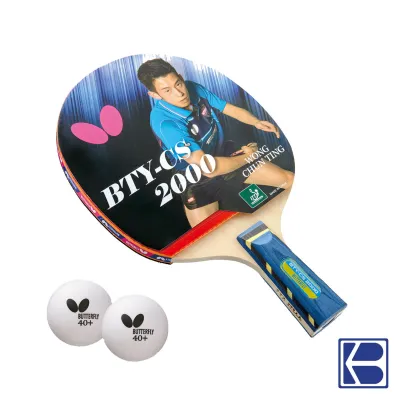
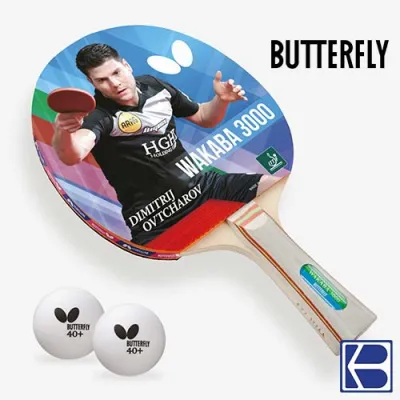
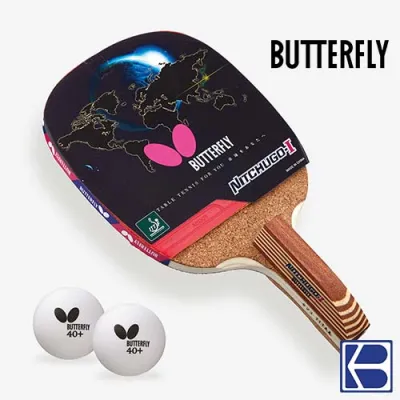
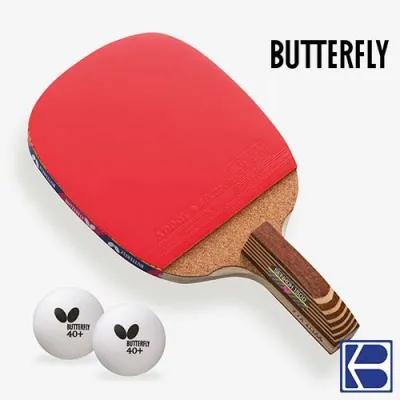
![[Butterfly] Table Tennis Racket Free Chack II 20ml Butterfly Brand (SG Distributor)](https://img.lazcdn.com/g/p/6c996f6aea2668c7e2a030b9e4f8d5b5.png_400x400q80.png_.webp)
Prices are valid at publication and may change. Please refer to the product page for the latest price.
- Beginner: Your primary goal is keeping the ball on the table and establishing basic stroke mechanics. You are still developing consistency, your footwork is primarily reactive rather than anticipatory, and you struggle to read or manipulate heavy spin.
- Intermediate: You can maintain a consistent rally of several strokes and have developed a preferred style of play. Your footwork is active, and you can reliably execute basic topspin loops and backspin pushes, though you may still struggle against highly advanced spin variations.
- Advanced: You possess high stroke consistency even under intense rally pressure. Your footwork is anticipatory, allowing you to position your body optimally before every shot. You have a deep tactical understanding of spin axes and can actively dictate the tempo of the game.
Identifying Your Primary Playing Style
- Offensive: You actively seek to win points by forcing errors or hitting winners. Your game relies on heavy topspin loops, fast drives, and aggressive smashes. You prefer to play close to the table or from mid-distance, putting constant pressure on your opponent.
- Defensive: You prioritize control, safety, and spin variation. You typically play further back from the table, utilizing deep backspin chops, or stay close to the net to execute precise, dampening blocks that neutralize your opponent's speed.
- All-Round: You maintain a balanced and highly adaptable tactical approach. You transition fluidly between passive blocking and sudden counter-attacks depending on the opponent's weaknesses and the flow of the rally.
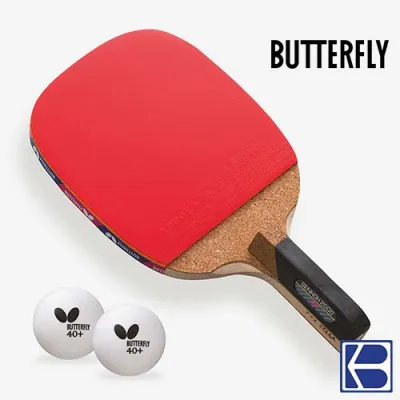
Grip Style and Handle Ergonomics Your choice of grip determines the handle shape you must select. The Shakehand grip, which resembles a standard handshake, is the most common style globally. It requires either a Flared (FL) handle, which is wider at the base to offer a secure grip during wide-swinging loops, or a Straight (ST) handle, which has a uniform width that allows quick finger adjustments during play. The Penhold grip, popular in Asian styles, involves holding the racket like a pen and requires specialized, shorter handles (Chinese or Japanese Penhold) designed to maximize wrist flexibility. Using the wrong handle shape can lead to discomfort, poor stroke execution, and physical strain, so you should stop play if you experience persistent joint discomfort.
Understand the Categories of a Butterfly Bat
Butterfly offers two distinct pathways for players: pre-assembled (ready-made) rackets and custom-assembled setups. Understanding the structural differences between these categories is essential for making an informed purchase.

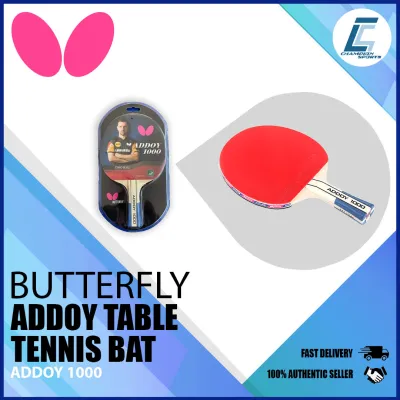
Pre-assembled butterfly bats are designed primarily for recreational players, schools, and absolute beginners. These rackets come pre-glued from the factory with the rubbers permanently attached to the wood. They offer a highly balanced, predictable, and forgiving playing feel at an affordable price point. Because the factory glue is permanent, replacing worn rubbers on a pre-assembled bat is highly impractical and will typically damage the wooden blade underneath.
Custom setups are the standard for competitive, intermediate, and advanced players. This path involves purchasing a bare wooden or composite blade and selecting separate rubbers for the forehand and backhand sides. Custom setups allow you to precisely tailor the weight, balance, speed, and spin characteristics of your racket to match your physiological movements. Furthermore, when the rubbers wear out, they can be easily peeled off and replaced with new sheets, preserving the longevity of your high-quality blade.
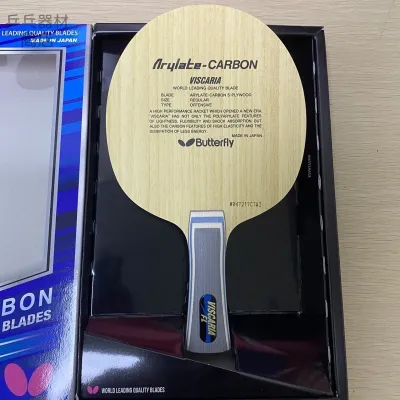
Butterfly categorizes its equipment across various performance tiers. Recreational series utilize basic all-wood blades and control-oriented rubbers to maximize forgiveness. Professional and competitive tiers introduce advanced materials, such as Arylate-Carbon (ALC), Super ALC, ZL Carbon (ZLC), and Tamca 5000 carbon fibers. These composite materials reduce vibrations, enlarge the blade’s “sweet spot,” and significantly increase ball speed. However, they demand precise technical execution to control effectively.
Match Your Playing Style to Butterfly Blades and Rubbers
Once you have diagnosed your playing style and decided on your equipment tier, you can begin pairing specific blade characteristics and rubber specifications.
Setup Recommendations for Offensive Players
Offensive players require equipment that maximizes speed and energy transfer. If you have an aggressive, attacking style, you should look for faster, stiffer blades that incorporate carbon or composite layers. Materials like Arylate-Carbon (ALC) provide a crisp feel and explosive speed while maintaining a manageable level of vibration feedback.
For rubbers, aggressive loopers and drivers should select high-tension, high-spin rubbers with thicker sponge layers, typically 2.1mm or maximum thickness. Thicker sponges allow the ball to sink deeper into the rubber, storing and releasing more kinetic energy to generate heavy topspin. Check the manufacturer’s speed and spin ratings on the packaging to ensure the rubber is optimized for high-velocity offensive play.
Setup Recommendations for Defensive Players
Defensive and control-oriented players require setups that absorb pace and maximize ball control. If your game relies on chopping and blocking, you should prioritize slower, highly flexible all-wood blades, such as 5-ply configurations. These blades offer a significantly longer dwell time, giving you the sensory feedback needed to guide the ball precisely.
Your rubber selection should focus on thinner sponge options, such as 1.7mm or 1.9mm, which naturally dampen the ball’s rebound speed. Depending on your defensive tactics, specialized rubbers may be highly beneficial. Long pimples (pips-out) are excellent for reversing the opponent’s spin during long-range chops, while anti-spin rubbers neutralize incoming spin entirely. Always verify the control and vibration absorption ratings of the blade to avoid an overly bouncy setup that compromises your defensive consistency.
Setup Recommendations for All-Round Players
All-round players require a balanced setup that does not heavily skew toward extreme speed or extreme control. To maintain tactical flexibility, look for medium-speed, medium-stiffness blades. Classic 5-ply or 7-ply all-wood blades, or entry-level composite blades with inner-layer carbon, are ideal choices because they offer sufficient power for attacks without sacrificing the soft feel needed for defensive play.
For rubbers, choose versatile, all-round options that offer a linear response, meaning the speed of your shot is directly proportional to the physical force you apply. A medium-hardness sponge with a grippy top sheet provides a balanced mix of speed, spin, and control. This allows you to transition seamlessly from a passive block to an aggressive counter-loop without having to drastically alter your stroke angles.
Pre-assembled vs. Custom Butterfly Bats: Making the Final Decision
Choosing between a pre-assembled butterfly bat and a custom setup ultimately depends on your budget, playing frequency, and developmental goals.
A pre-assembled bat is the ideal choice if you play recreationally, have a modest budget (typically under S$100), or are in the very early stages of learning the sport. These rackets allow you to focus entirely on mastering basic stroke consistency and footwork without being overwhelmed by the complex variables of custom gear selection.
Upgrading to a custom setup becomes necessary when you begin playing competitively, training regularly, or notice that your pre-assembled racket can no longer generate the speed or spin required to challenge your opponents. A custom setup is also a smart long-term investment; it allows you to address specific tactical weaknesses by changing only the rubbers while keeping a high-quality blade that can last for years.
When purchasing Butterfly equipment in Singapore, always verify product authenticity. Due to the brand’s global popularity, counterfeit blades and rubbers are common on unauthorized online marketplaces. Always check for official distributor holograms on the packaging and purchase from reputable local sports retailers or specialized table tennis shops, such as those located in Bras Basah Complex. These specialized shops also provide professional assembly and gluing services, ensuring your custom blade and rubbers are joined safely without damaging the delicate wood fibers. Additionally, because Singapore’s tropical climate features high relative humidity, which can quickly degrade rubber tackiness, consider purchasing a padded racket case and protective film sheets to safeguard your investment.
Frequently Asked Questions (FAQ)
How often should I replace the rubbers on my Butterfly bat?
The lifespan of your table tennis rubber depends heavily on your play frequency, intensity, and maintenance habits. For an intermediate player training two to three times a week, rubbers generally need to be replaced every four to six months. You can verify that it is time for a replacement by checking for visible signs of wear, such as a faded or matte appearance, crumbling edges, or a noticeable loss of grip and spin generation during active play.
Can I use a Butterfly penhold blade for a shakehand grip?
Using a penhold blade with a shakehand grip is highly discouraged. Penhold blades feature significantly shorter handles designed specifically to fit comfortably in the crook of the thumb and index finger. Attempting to hold a penhold blade with a shakehand grip results in poor ergonomics, a lack of adequate palm support, and excessive wrist strain, which can lead to discomfort or repetitive strain injuries during extended play.
How do I maintain the tackiness and grip of my Butterfly rubber?
To prolong the performance of your rubber, always check the manufacturer’s care instructions first. After every playing session, gently clean the rubber surface using a dedicated table tennis rubber cleaner or a lint-free sponge slightly dampened with water to remove dust, sweat, and ball residue. Once the surface is completely dry, apply a protective plastic film over the rubber and store the bat inside a padded racket case away from direct sunlight, high humidity, and extreme heat.
Community discussion
Share your experience or ask a question. Comments are reviewed before publication.