
Selecting the right table tennis equipment is a pivotal decision that directly influences your skill progression, control, and overall enjoyment of the game. Butterfly is one of the most respected names in the sport, offering a vast ecosystem of blades, rubbers, and pre-assembled recreational bats. Finding the ideal match requires looking past what professional players use and honestly evaluating your current physical technique, training frequency, and tactical preferences.
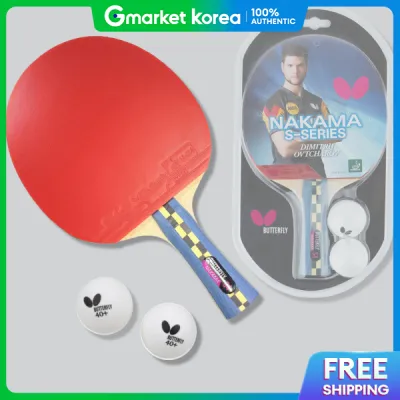
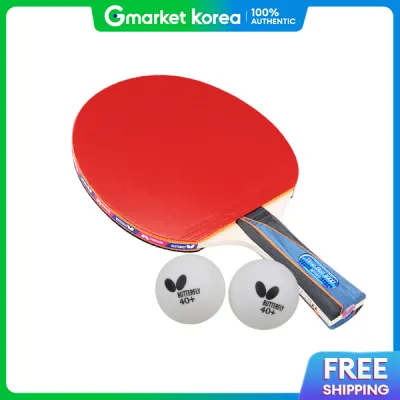
For recreational players, starting with a pre-assembled option like a butterfly 2-star racket provides a reliable introduction to the sport’s basic mechanics. As players transition from casual matches to structured club training, moving toward a modular custom setup becomes necessary to unlock greater spin and speed. By aligning your equipment choices with your actual skill level rather than your aspirational goals, you can build a reliable foundation and avoid the common frustration of using gear that is too fast to control.
Assessing Your Table Tennis Level and Playing Style
Accurately diagnosing your current playing level is the first step toward selecting equipment that supports your development. In table tennis, players generally fall into beginner, intermediate, or advanced categories, each requiring different racket characteristics. Beginners need maximum control and feedback to learn basic stroke paths, meaning their equipment should offer a forgiving feel and a slower pace. Intermediate players have developed consistent strokes and are starting to actively generate their own spin and speed, requiring gear that balances offensive potential with defensive stability. Advanced players possess highly refined footwork and explosive stroke mechanics, allowing them to handle stiff, high-speed composite rackets designed for maximum power.
Products mentioned in this guide
Prices are valid at publication and may change. Please refer to the product page for the latest price.
Alongside your skill level, your dominant playing style dictates the specific specifications of your racket. Attacking or offensive players prioritize speed and heavy topspin loops, requiring responsive gear that maximizes energy transfer. Defensive players focus on control, backspin chops, and disrupting the opponent’s rhythm, which demands slower, highly shock-absorbent equipment. All-round players require a versatile balance of both worlds, relying on gear that allows them to transition seamlessly between active looping and passive blocking depending on the match scenario.
Matching your equipment to your actual current level is critical for long-term skill development. Using a racket that is too advanced—such as a stiff carbon blade paired with high-tension professional rubbers—drastically reduces the ball’s dwell time on the racket face. This lack of dwell time makes it incredibly difficult to feel the ball, often causing developing players to shorten their strokes or play tentatively to keep the ball on the table. A slower, more controllable setup encourages full, confident strokes, which are essential for building correct muscle memory.
Pre-Assembled (Including Butterfly 2-Star) vs. Custom Rackets: Making the Right Choice
When exploring the Butterfly range, the first major decision is choosing between a pre-assembled racket and a custom setup. Pre-assembled rackets are manufactured as a single, complete unit with the rubbers permanently factory-glued to the wood. These models, including the popular butterfly 2-star recreational rackets, are highly cost-effective, typically ranging from S$30 to S$80 in Singapore. They are designed for durability and immediate use, making them excellent choices for casual play in community centers, schools, or HDB void decks where recreational games thrive.

However, pre-assembled rackets have distinct performance limitations that become apparent as your skills grow. The rubbers used on factory-assembled bats are generally less elastic and generate lower levels of spin and speed compared to aftermarket sheets. Additionally, because the factory glue is permanent, you cannot easily peel off worn rubbers to replace them, meaning the entire racket must be discarded once the playing surface loses its grip. This makes pre-assembled options less suitable for players committed to regular club training or local tournament play.
Custom setups, consisting of a separately purchased blade and two individual sheets of rubber, offer tailored performance and long-term upgradeability. This modular approach allows you to pair a highly specific wood or composite blade with rubbers that match your exact hardness and thickness preferences. While the initial investment for a custom Butterfly setup is higher—frequently starting around S$150 and easily exceeding S$400 for professional-grade components—it allows you to replace only the rubbers as they wear out, preserving your blade for years.
To make the right choice, consider your playing environment and commitment level. If you play casually a few times a month or are just learning the absolute basics of the sport, a pre-assembled model offers the convenience and control you need. If you are joining a local club, receiving coaching, or want to develop specialized spin techniques, investing in a custom blade and rubber combination is the more practical long-term decision.
Choosing a Butterfly Blade Based on Your Skill Level
The blade serves as the core foundation of your table tennis racket, dictating its overall speed, stiffness, and vibration feedback. When selecting a Butterfly blade, the primary material distinction is between all-wood construction and composite materials. Beginners should almost always opt for an all-wood blade, typically featuring a 5-ply construction. All-wood blades absorb energy and vibrate slightly upon impact, sending clear tactile feedback to your hand, which helps you learn how different contact angles affect the ball’s trajectory.
As you transition into the intermediate stage, you can begin exploring mild composite blades that incorporate materials like Arylate-Carbon (ALC). Butterfly’s ALC blades are highly popular because they combine the speed of carbon with the flexibility and vibration-dampening properties of arylate fibers. This blend expands the blade’s sweet spot—the area of the racket face that produces a consistent bounce—allowing you to execute faster offensive shots without completely sacrificing the control needed for passive blocking and short play.
Advanced players who have mastered their stroke mechanics can handle high-performance composite blades, such as those featuring Zylon Carbon (ZLC) or Tamca 5000 carbon. These materials create an incredibly stiff, lightweight blade with minimal vibration and explosive speed. Because these blades offer very little natural dwell time, they require a highly precise, explosive stroke to guide the ball accurately, making them difficult and unforgiving for developing players to use effectively.
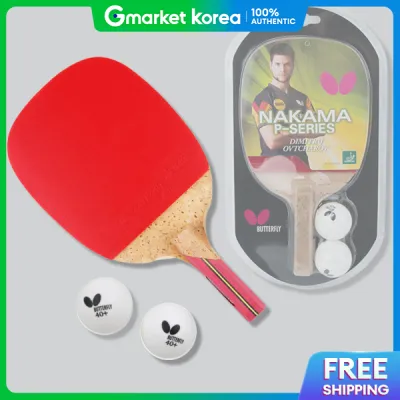
Before finalizing a blade purchase, always verify the physical specifications to ensure comfortable play. Pay close attention to the blade’s weight, as a heavier blade (above 90 grams) can cause wrist fatigue during long sessions, especially in Singapore’s warm, humid climate where sweat can affect your grip. Check the handle shape as well; shakehand players must choose between Flared (FL) handles, which flare out at the bottom for a secure grip, and Straight (ST) handles, which allow you to easily adjust your grip angle mid-rally. Penhold players should look specifically for Chinese Penhold (CS) handles designed for their distinct grip style.
Picking Butterfly Rubbers to Match Your Playing Style
While the blade provides the structural foundation, the rubbers are responsible for directly generating spin, speed, and grip. Inverted, or smooth, rubbers are the most common choice for the vast majority of players because they feature a flat outer surface that maximizes contact area with the ball. Within inverted rubbers, performance is heavily influenced by sponge thickness and hardness. Thicker sponges (2.1mm or maximum thickness) allow the ball to sink deeper into the rubber, generating high speed and heavy topspin loops, while thinner sponges (1.7mm to 1.9mm) offer a more direct feel and superior control for blocking and pushing.
Sponge hardness, measured in degrees, also changes how the racket behaves during contact. Softer sponges offer a longer dwell time and a more forgiving, high-control feel, making them excellent for intermediate players developing their looping technique. Harder sponges require a much faster, more aggressive swing speed to fully compress the rubber and activate its elastic power, but they reward advanced players with devastating speed and direct energy transfer on high-power shots.
For players with specialized tactical styles, alternative rubber types like pimpled or anti-spin sheets offer unique advantages. Short pimpled rubbers feature outward-facing pips that reduce sensitivity to incoming spin, making them ideal for fast, flat hitting and active blocking close to the table. Long pimpled rubbers have long, flexible pips that bend upon impact, reversing the opponent’s spin and slowing down the pace of the game, which is a classic choice for defensive choppers. Anti-spin rubbers feature a slick, low-friction surface paired with a dead sponge, completely neutralizing incoming spin to disrupt the opponent’s rhythm.
When choosing rubbers, you must also distinguish between tacky and high-grip surfaces. Tacky rubbers rely on a sticky top-sheet to grab the ball, which is highly effective for serving and executing traditional Chinese-style brushing loops. High-grip tensioned rubbers, characteristic of many premium Butterfly lines, rely on mechanical friction and sponge elasticity to grip the ball, supporting a more modern, forward-driving loop. Finally, always perform a pre-purchase verification check: if you plan to play in any sanctioned local tournaments, ensure the rubber features the official ITTF approval logo at its base, and cross-reference the manufacturer’s speed and spin ratings to ensure they match your control capabilities.
Quick Match Guide: Butterfly Setup Profiles for Different Players
To help simplify your decision-making process, the table below outlines illustrative equipment profiles based on different player levels and tactical styles. These configurations serve as a practical starting point to help you narrow down your options when browsing specialized retailers.
Illustrative Butterfly Setup Profiles by Player Type
| Player Profile (Level & Style) | Blade Focus (General Category) | Rubber Focus (General Category) | Pre-Purchase Checks |
|---|---|---|---|
| Beginner / All-Round | All-wood 5-ply blade (e.g., control-focused, high-feedback wood) | High-control, medium-soft inverted rubbers with moderate sponge thickness (1.7mm – 1.9mm) | Verify comfortable handle size; ensure total racket weight is light to moderate (under 175g fully assembled) to prevent wrist fatigue. |
| Intermediate / Offensive | Entry-to-mid composite blade (e.g., flexible Arylate-Carbon) | Medium-to-hard tensioned inverted rubbers (1.9mm – 2.1mm) for active spin generation | Check blade weight (82g – 88g); verify rubbers carry official ITTF approval logos for local tournament eligibility. |
| Advanced / Defensive | Specialized defensive wood blade (larger head size, high dampening) | Long pips or anti-spin rubber on the backhand; controlled, high-spin inverted rubber on the forehand | Verify exact sponge thickness (thinner sponges offer better defensive control); check blade compatibility with oversized rubber sheets. |
Please note that these profiles represent general product categories and illustrative combinations. They do not constitute an exhaustive or definitive list of the only setups you can use. Before making a purchase, always verify current model availability, exact manufacturer specifications, and personal physical comfort by visiting a specialty table tennis shop where you can hold different handle shapes in your hand.
Frequently Asked Questions (FAQ)
How often should I replace the rubbers on my custom Butterfly racket?
The lifespan of table tennis rubber depends on your playing frequency, storage conditions, and maintenance habits rather than a strict calendar schedule. As a general guideline, recreational players who play once or twice a week may only need to replace their rubbers once a year, while competitive club players training three or more times a week often replace them every three to six months. Instead of relying purely on timeframes, monitor your rubbers for physical signs of degradation, such as a faded or cloudy appearance, crumbling edges, or a noticeable loss of grip when you brush your finger across the surface. Storing your racket in an airtight case with protective film sheets, especially in Singapore’s high humidity, will help prolong the life of the rubber’s top-sheet.
Can I mix non-Butterfly rubbers with a Butterfly blade?
Yes, table tennis blades and rubbers are universally compatible across different brands, meaning you can easily mount non-Butterfly rubbers onto a Butterfly blade. Many intermediate and advanced players frequently mix brands to achieve a highly customized feel that matches their budget and playing style. When assembling a mixed setup, ensure both the blade and the rubbers meet ITTF regulations if you plan to compete in sanctioned tournaments. Additionally, always use standard water-based table tennis glue for assembly, and check the manufacturer’s instructions regarding blade sealing to prevent wood fibers from splintering when you eventually peel off the rubbers for replacement.
Community discussion
Share your experience or ask a question. Comments are reviewed before publication.