
For runners dealing with chronic calf tightness, finding the right recovery tool is essential for maintaining mobility and preventing injury. A dedicated calf stretch board—commonly known as a slant board—is one of the most effective tools for targeting the lower leg muscles, but the “best” option is not a one-size-fits-all solution. The ideal board for you depends on your specific ankle mobility, body weight, training volume, and available storage space.
By choosing a board that offers adjustable angles, reliable surface traction, and a stable base, you can systematically improve your flexibility and protect your Achilles tendons from strain. This guide breaks down the essential features to evaluate, how to match different board types to your running profile, and how to safely integrate this tool into your daily recovery routine.
Why Runners Need a Dedicated Calf Stretch Board
Running is a highly repetitive, high-impact activity that places immense stress on the lower limbs. With every stride, your feet absorb forces several times your body weight, requiring the calf muscles to contract and release rapidly. The calf complex is primarily made up of two major muscles: the gastrocnemius, which is the visible outer muscle that crosses both the knee and ankle joints, and the soleus, a deeper muscle that lies underneath and is highly active during endurance running. When these muscles become chronically tight, they limit ankle dorsiflexion—the ability to pull your toes upward toward your shin. This restriction can alter your running gait, leading to compensatory movements that increase the risk of strain throughout the kinetic chain.
Products mentioned in this guide
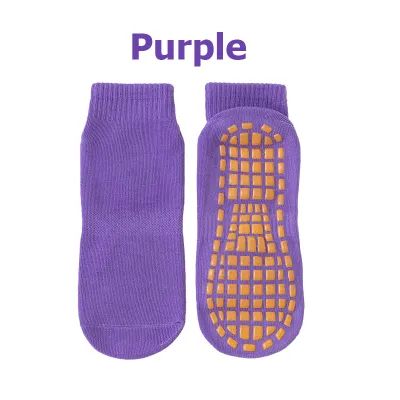
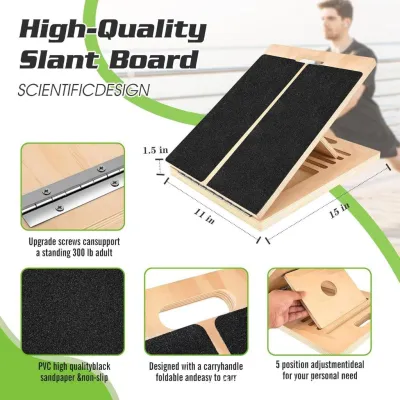
![[Metaverse] Portable Professional Wooden Slant Board Adjustable Foot Incline Board Calf Ankle Stretcher Home Gym](https://img.lazcdn.com/g/p/15635aceeefb6abcdbcf4c041f5f1a56.jpg_400x400q80.jpg_.webp)
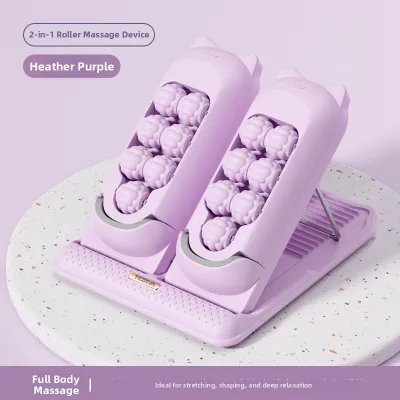
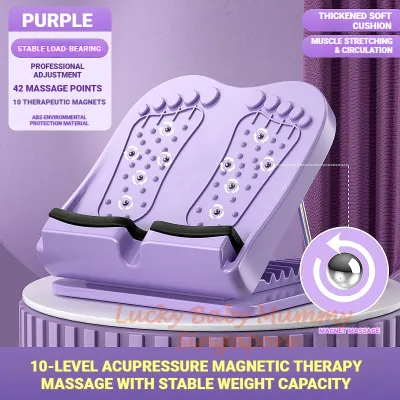
![[Metaverse]Solid Wood Folding Stretch Board Fitness Equipment Skinny Leg Standing Body Shaping Pedal](https://img.lazcdn.com/g/p/ee8ae8cdfbf0ae4ba81571ea725ce68a.jpg_400x400q80.jpg_.webp)
Prices are valid at publication and may change. Please refer to the product page for the latest price.
While many runners attempt to address this tightness using manual stretches, such as pushing against a wall or dropping their heels off the edge of a staircase, these methods have significant limitations. Manual stretches make it difficult to maintain a consistent, measurable angle, meaning you cannot easily track your flexibility progress over time. Stair drops, while convenient, do not provide a stable, flat surface for the entire foot, which can place uneven pressure on the plantar fascia and the lateral structures of the foot. A dedicated calf stretch board provides a solid, flat, and adjustable platform that ensures both feet are stretched at precise, repeatable angles, allowing for systematic and safe progression.
It is important to distinguish between general muscle tightness and acute injury. If you are experiencing sharp, sudden, or localized pain in your calf or Achilles tendon, or if you notice swelling and warmth in the area, you should avoid using a stretch board and seek professional physiotherapy. A stretch board is an excellent tool for maintaining mobility and recovering from routine muscle tightness, but it cannot replace a clinical assessment or a structured rehabilitation plan for acute injuries.
Key Features to Evaluate in a Calf Stretch Board
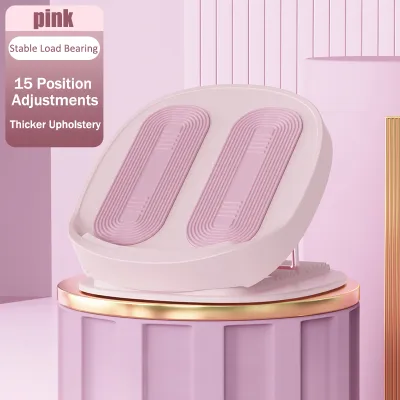
When shopping for a calf stretch board, several physical specifications and design elements will determine its effectiveness, safety, and longevity. The first and most critical feature to evaluate is incline adjustability. A high-quality board should offer multiple angle increments, typically ranging from 10 degrees to 40 degrees. This allows you to start at a gentle slope and gradually increase the incline as your flexibility improves. Look for boards with secure locking mechanisms, such as deep slots or heavy-duty steel pins, to ensure the board does not collapse or shift while you are standing on it.

Surface traction is another vital safety consideration. Because you will be standing on an incline, often with your full body weight, the board must prevent your feet from slipping. Many boards feature a high-friction grip tape surface, similar to skateboard deck tape, which provides excellent traction but can be abrasive on bare skin. Other designs utilize molded rubber pads or textured ridges, which are more comfortable for barefoot use but may offer slightly less grip when wearing socks. Additionally, a raised heel cup or a sturdy bottom lip is essential to prevent your heels from sliding backward off the edge of the board during deep stretches.
Material durability and weight capacity are key indicators of a board’s overall quality. Stretch boards are generally constructed from wood, plastic, or metal. Wooden boards, often made from multi-layered birch plywood, are highly durable and offer a classic, sturdy feel, but they can be heavier and more susceptible to moisture damage if stored in humid environments. Plastic boards are lightweight, easy to clean, and highly portable, but you must verify the manufacturer’s label to ensure the structural ribbing underneath can support your weight without flexing. Metal boards offer the highest weight capacity and durability but can be cold to the touch and heavier to move. Always check the product specifications to confirm the weight limit matches your body weight plus any additional load you plan to hold during weighted stretches. While basic plastic models may cost around S$20 to S$40, premium wooden or metal boards can range from S$50 to over S$100, making it important to balance your budget with your durability requirements.
Finally, consider the portability and storage footprint of the board, especially if you live in a compact home environment like a typical apartment. A folding design that collapses flat is highly advantageous, as it allows you to slide the board under a bed, sofa, or into a narrow closet when not in use. If you plan to transport the board to the gym or track, look for models with integrated carrying handles or lightweight materials that do not compromise structural integrity.
Matching Board Types to Your Running Profile and Tightness Level
Not all runners have the same recovery needs, and matching the right style of stretch board to your specific running profile is essential for achieving the best results. If you are a beginner or a casual runner who experiences occasional tightness after short runs, a simple multi-angle plastic board may be entirely sufficient. These boards are user-friendly, cost-effective, and provide the basic angles needed to maintain baseline mobility.
For high-mileage runners, marathon trainers, or trail runners who tackle significant elevation changes, a heavy-duty wooden slant board is often a better investment. These runners subject their calves to intense, prolonged stress, requiring a highly stable platform for deep, consistent stretching. A wooden board with fine angle increments allows for the precise, incremental adjustments needed to safely manage the deep-seated tightness that accumulates during high-volume training blocks.
If your tightness is concentrated in the lower calf or the Achilles tendon, look for slant boards that accommodate heel wedges or offer independent lateral adjustments. These specialized designs allow you to isolate the soleus muscle more effectively or address specific biomechanical issues, such as overpronation or supination, by altering the lateral angle of the foot. This level of customization is particularly beneficial for runners recovering from chronic Achilles tendon stiffness.
For those interested in active recovery and balance training, rocker-style or dynamic stretch boards offer a different approach. Instead of a static incline, these curved devices require you to actively rock your foot forward and backward, promoting active ankle joint articulation and strengthening the stabilizing muscles of the lower leg. While dynamic boards are excellent for building functional strength and balance, they require more coordination and may not provide the deep, sustained static stretch that highly tight calves require. Before purchasing, always check the product specifications to ensure the board’s dimensions and design align with your intended stretching posture and foot size.
How to Safely Integrate a Stretch Board into Your Recovery Routine
Using a calf stretch board effectively requires a disciplined, cautious approach to avoid overstretching or straining the Achilles tendon. As a general rule, static stretching on a slant board should be performed when your muscles are warm, making it an ideal post-run recovery activity. Start by setting the board to its lowest incline to assess your baseline flexibility. Stand on the board with your feet hip-width apart, keeping your spine neutral, your shoulders relaxed, and your hips pushed forward over your feet.
To target the gastrocnemius muscle, keep your knees completely straight and stand tall on the incline. You should feel a deep, comfortable pull in the upper portion of your calf. Hold this position for 20 to 30 seconds, breathing deeply and allowing the muscle to relax. To target the soleus muscle, slightly bend your knees while keeping your heels firmly planted on the board. This bend shifts the tension lower down the leg, closer to the ankle. Repeat each stretch 2 to 3 times, ensuring you do not bounce or force your body into a painful range of motion.
Safety must always be your primary concern when using a stretch board. If you experience sharp, shooting pain in your Achilles tendon, a pinching sensation at the front of your ankle joint, or numbness in your feet or toes, stop the stretch immediately. These symptoms can indicate joint impingement, nerve compression, or acute tendon strain, none of which should be pushed through. Equipment cannot replace personal judgment and body awareness; if a stretch feels unsafe or excessively painful, reduce the angle or discontinue use.
In addition to post-run static stretching, you can integrate the stretch board into your overall routine by pairing it with dynamic warm-ups before you run. Before heading out, perform active movements such as leg swings, ankle circles, and gentle calf raises to increase blood flow and joint mobility. Save the deep, static holds on the slant board for after your run, when your muscle fibers are warm and more pliable, which helps facilitate safe, long-term flexibility gains.
What to Check Before Buying: A Pre-Purchase Checklist
Before making a final decision and purchasing a calf stretch board, take the time to run through this practical checklist to ensure the product fits your physical needs and living space.
- Measure Your Space: Check the physical dimensions of the board and compare them to your available storage and usage areas. If you live in a compact apartment, ensure the board can fold flat to a height of under 10 cm so it can be easily tucked away.
- Verify the Weight Limit: Look directly at the manufacturer's product manual or official specifications to confirm the maximum weight capacity. If you plan to perform weighted stretches while holding dumbbells or a kettlebell, factor that extra weight into your calculations.
- Inspect the Surface Material: Determine whether you prefer to stretch barefoot or with shoes. If you prefer barefoot stretching, look for skin-friendly rubber or textured foam surfaces. If you plan to wear running shoes, a high-friction grip tape surface is ideal for preventing slippage.
- Review the Return Policy and Warranty: Because ankle mobility varies greatly, you may find that a board's minimum angle is too steep or its surface is uncomfortable. Ensure the retailer offers a flexible return policy so you can exchange the product if it does not suit your physical limits.
- Check Runner-Specific Reviews: Look for feedback from other runners regarding the board's long-term durability. Pay close attention to comments about whether the grip tape peels off over time, especially when exposed to sweat or humid climates, and whether the hinge mechanisms remain stable after months of regular use.
Frequently Asked Questions (FAQ)
Can a calf stretch board help with plantar fasciitis?
Yes, a calf stretch board can indirectly assist with managing plantar fasciitis, but it must be used with caution. The calf muscles connect directly to the heel bone via the Achilles tendon, which in turn connects to the plantar fascia on the bottom of the foot. When the calves are extremely tight, they pull on the heel, increasing tension on the plantar fascia and contributing to heel pain. Stretching the calves can help relieve this tension and improve overall foot mechanics. However, because plantar fasciitis involves inflamed connective tissue, stretching on an incline board can sometimes aggravate the condition if the angle is too steep. It is highly recommended to consult a physiotherapist before using a stretch board to treat diagnosed foot pain, ensuring you do not inadvertently worsen the inflammation.
Is it better to stretch with shoes on or barefoot?
Both methods have distinct advantages, and the best choice depends on your personal comfort and the board’s surface. Stretching with your running shoes on provides excellent foot support, keeps your arches stable, and protects your skin from rough, abrasive grip tape surfaces. This is often the preferred method for beginners or those stretching in shared gym spaces where hygiene is a priority. On the other hand, stretching barefoot allows for natural toe splay and engages the intrinsic muscles of the foot, which can help improve overall foot strength and balance. If you choose to stretch barefoot, ensure the board has a skin-friendly surface, such as molded rubber or smooth wood, to prevent discomfort or skin irritation.
How steep should the incline be for a beginner?
For beginners, it is crucial to start at the lowest possible incline setting, which is typically between 10 and 15 degrees. Starting at a low angle allows you to safely assess your baseline ankle dorsiflexion without overloading your muscles or tendons. The primary goal of using a stretch board is to feel a gentle, tolerable pull along the back of your lower leg, never a sharp, burning, or pinching sensation. As your flexibility gradually improves over several weeks of consistent use, you can slowly increase the angle by one increment at a time. Never force your joints into extreme angles, as overstretching can lead to micro-tears in the muscle fibers or strain the Achilles tendon, setting back your recovery progress.
Community discussion
Share your experience or ask a question. Comments are reviewed before publication.