
Selecting the right CamelBak replacement cap is the most direct way to customize your hydration setup for your specific sport, daily routine, and thermal preferences. Because CamelBak designs its vessels around modular cap systems, a single bottle can transition from a high-flow hiking flask to a spill-proof gym companion simply by swapping the lid. Making the correct choice requires balancing how you drink, how much flow you need, and whether you are carrying ice-cold water or hot coffee.
To find the ideal match, you must evaluate the physical demands of your activity alongside the thermal limits of your bottle. A cap that performs exceptionally well on a stationary office desk may prove frustrating or even hazardous when you are navigating a bumpy cycling path or trail run. By understanding the mechanical differences between the primary cap styles, you can avoid leaks, maximize temperature retention, and ensure a seamless hydration experience.
Understanding the Core CamelBak Bottle Cap Models
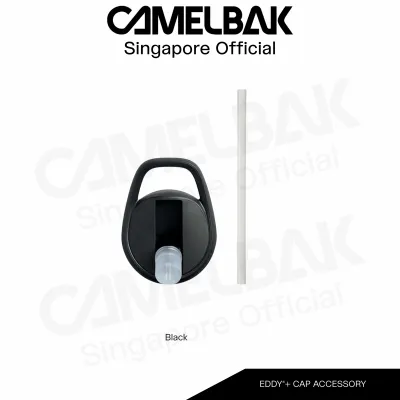
CamelBak offers several distinct cap designs, each engineered with a specific valve mechanism and flow rate to suit different user habits. The Eddy+ cap is famous for its bite-and-sip design, which utilizes a folding silicone bite valve. When you bite down on the valve, it opens to allow water to flow, and it self-seals immediately when released. This design is highly valued for its spill-proof performance, as the bottle will not leak even if the valve is left in the open position while tipped over.
Products mentioned in this guide
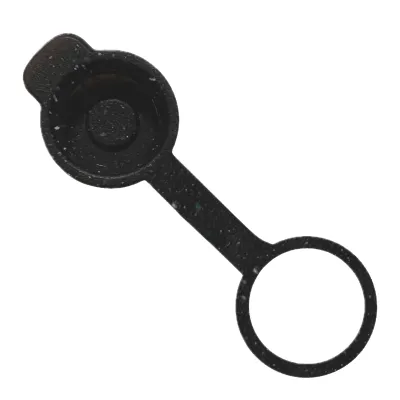
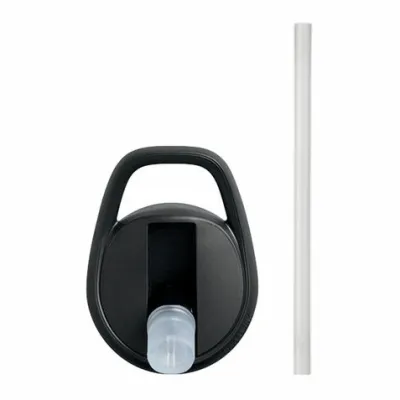
Prices are valid at publication and may change. Please refer to the product page for the latest price.
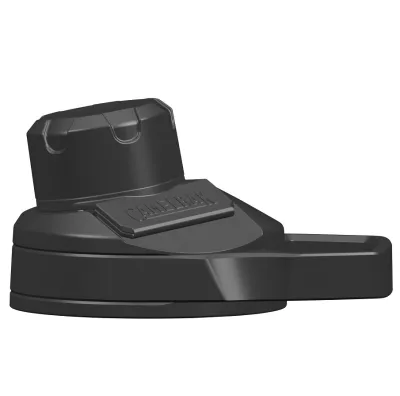
For those who prefer a rapid, unrestricted flow of water, the Chute Mag cap features a high-flow angled spout. The defining feature of this model is its magnetic stow handle, which securely holds the cap out of your face while you drink. This design eliminates the common annoyance of a loose lid flapping against your nose during use. The cap screws down tightly with a half-turn, creating a highly secure, leak-proof seal that is ideal for rugged outdoor environments.
When your hydration needs turn to hot beverages like tea or coffee, the Hot Cap provides a specialized solution. It features a 360-degree drinking surface that allows you to sip from any side of the rim, mimicking a traditional ceramic mug. The center valve twists open to allow liquid through and twists completely shut to seal in heat and prevent leaks. This cap is engineered specifically to manage the steam and pressure associated with hot liquids, making it a dedicated choice for commuters.
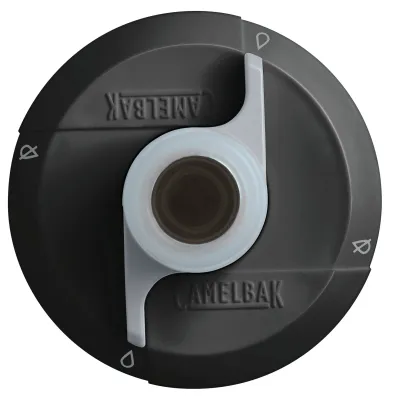
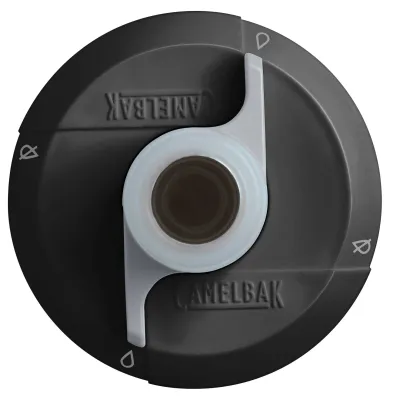
Finally, the Podium cap is a highly specialized option designed exclusively for cycling and sports bottles. It utilizes a self-sealing Jet Valve that allows you to drink by simply squeezing the bottle, eliminating the need to pull a nozzle open with your teeth. It also features a manual lockout dial at the base of the cap to completely shut off water flow during transport, ensuring your gear bag stays dry.
Matching the Cap to Your Specific Sport and Activity
Your physical posture and the intensity of your movement during exercise dictate which cap mechanism will keep you hydrated without disrupting your rhythm. For cycling and mountain biking, hands-free operation and quick access are paramount. The Podium cap is the standard choice here, as it fits perfectly into bottle cages and allows you to squeeze water directly into your mouth while keeping your eyes on the road. If you prefer a straw-based system on the bike, the Eddy+ can also work well, provided your bottle is mounted in an easily accessible location where you do not need to tilt your head back to drink.

Runners and trail runners require lightweight gear that remains absolutely leak-proof under constant vertical movement. The repetitive bouncing motion of running can easily force water out of poorly sealed caps. A cap with a secure mechanical lock, such as the Podium’s lockout dial or the Chute Mag’s deep-threaded screw cap, is highly recommended. Many runners prefer the Eddy+ for its one-handed operation, allowing them to flip the nozzle up with a thumb, take a quick sip, and snap it shut without breaking their stride.
For hiking, backpacking, and long treks through humid nature reserves, high flow rates and ease of maintenance are the primary considerations. The Chute Mag is exceptionally well-suited for these activities because its wide spout allows you to gulp large volumes of water quickly when exerting yourself in warm climates. Additionally, when you are in the field, you need a cap that is easy to clean. The simple, open design of the Chute Mag spout has fewer crevices where dirt, sand, or organic matter can hide, making it much easier to rinse out with clean water than complex valve systems.
For gym workouts and daily commuting, versatility and hygiene are key. If you are carrying your bottle in a backpack alongside electronics or documents, a completely leak-proof seal is non-negotiable. The Chute Mag and Eddy+ caps both offer excellent security when fully closed. The integrated carry loop on these caps also makes it easy to clip the bottle to a bag using a carabiner, keeping your hands free while navigating public transit or walking between workout stations.
Evaluating Insulation and Temperature Retention Needs
If you use a vacuum-insulated stainless steel bottle, your choice of cap directly impacts how long your beverage stays hot or cold. Vacuum insulation works by preventing heat transfer through the walls of the bottle, but the plastic cap remains the primary point of thermal escape. Solid, insulated caps retain temperature much better than caps with exposed straws or complex valve mechanisms, as plastic has a much lower thermal resistance than double-walled steel.
When carrying hot liquids, safety and pressure management must be your top priorities. As hot liquids cool slightly or shake inside a sealed container, steam pressure builds up. If you use a standard straw-based cap like the Eddy+ with hot liquids, this pressure can force scalding liquid up through the straw and out of the valve, presenting a serious burn hazard. For this reason, you should only use caps specifically rated for hot liquids, such as the Hot Cap, which features a twisting valve designed to vent steam safely and withstand high temperatures.
For cold retention, straw caps like the Eddy+ offer a unique advantage by allowing you to drink without tilting the bottle. This means you do not have to open a large spout that lets warm ambient air rush into the vessel. However, the exposed silicone bite valve can absorb ambient heat over time. If you are spending a long day outdoors in high humidity and heat, a fully sealed screw cap like the Chute Mag will provide better overall thermal isolation, keeping your ice from melting prematurely.
Before filling your bottle, always verify the material limits and temperature thresholds printed on the product packaging or the manufacturer’s website. Standard plastic caps and silicone valves can degrade or warp if exposed to boiling water, which can permanently compromise the leak-proof seal. If you plan to transition your bottle from ice-cold sports drinks to hot morning tea, ensure you have a dedicated cap for each temperature range to maintain safety and performance.
Verifying Bottle Compatibility and Thread Sizes
Before purchasing a replacement cap, which typically costs between S$12 and S$25, you must ensure it physically fits your existing bottle. CamelBak uses a standardized wide-mouth thread pattern for the majority of its adult sport bottles, meaning that caps are highly interchangeable across different model lines. For example, modern Eddy+, Chute Mag, and Carry Cap lids share the same thread diameter and can be swapped freely among compatible vessels.
However, there are important exceptions to this cross-compatibility. The Podium series of bike bottles uses a completely different, narrower thread design that is not compatible with wide-mouth outdoor bottles. Similarly, older legacy bottles from several years ago may feature slightly different thread pitches or depths that can cause cross-threading or slow leaks if paired with a modern replacement cap. If you force a cap onto mismatched threads, you risk stripping the plastic, which permanently ruins the seal.
To verify compatibility, start by identifying your specific bottle series, which is usually printed on the underside of the bottle base or near the collar. If the model name is no longer visible, you can measure the inner diameter of the bottle mouth. Most standard CamelBak wide-mouth bottles have an opening of approximately 63 millimeters. If you are still unsure, consult the official manufacturer fit guide or bring your bottle to a local outdoor retailer to test the fit in person before buying.
Quick Selection Matrix for CamelBak Caps
| Cap Model | Best For (Sport/Activity) | Insulation Compatibility | Key Feature |
|---|---|---|---|
| Eddy+ | Gym, Daily Commuting, Running | Cold Liquids Only | Spill-proof bite valve, one-handed flip |
| Chute Mag | Hiking, Backpacking, Gym | Hot & Cold Liquids | Magnetic stow handle, high-flow spout |
| Hot Cap | Commuting, Travel | Hot Liquids (Up to 90°C) | 360-degree drinking rim, twist-to-seal |
| Podium | Cycling, Mountain Biking | Cold Liquids Only | Squeeze-activated Jet Valve, manual lockout |
Frequently Asked Questions (FAQ)
Can I use a Chute Mag cap on an Eddy+ bottle?
Yes, you can generally use a Chute Mag cap on an Eddy+ bottle, provided both vessels belong to the standard wide-mouth product lines. CamelBak designed these two systems to share the same thread size and pitch, allowing users to easily swap between a straw-based lid and a high-flow magnetic spout. To ensure a leak-free fit, inspect the threads of both the bottle and the new cap for any debris or manufacturing variations before use, and always perform a quick leak test over a sink before packing the bottle into a bag.
How do I clean the bite valve on an Eddy+ cap to prevent mold?
To clean the Eddy+ bite valve, start by pulling the silicone valve firmly away from the plastic cap to detach it. Next, slide the internal plastic straw out of the base of the cap. Wash all three components—the cap, the straw, and the silicone valve—by hand using warm water and a mild dishwashing soap. For the best results, use a small cleaning brush to gently scrub the inside of the bite valve and the straw where moisture tends to collect. Allow all parts to dry completely in a well-ventilated area before reassembling them, as trapping moisture inside the valve can quickly lead to mold growth.
Are CamelBak replacement caps dishwasher safe?
Most modern CamelBak replacement caps, including the Eddy+, Chute Mag, and Hot Cap, are top-rack dishwasher safe. However, you should always check the specific care instructions on the product packaging before washing. When using a dishwasher, place small components like silicone bite valves, straws, and removable seals into a covered basket to prevent them from falling onto the heating element, which can melt or warp the plastic. If your cap features high-strength magnets, such as the Chute Mag, hand washing is often recommended to prevent the magnet from attracting metal debris inside the dishwasher or becoming dislodged over time.
Community discussion
Share your experience or ask a question. Comments are reviewed before publication.