
Selecting the right cricket bat is a highly personal decision that directly influences your control, timing, and power on the field. For male players, finding the perfect match requires balancing your physical height with your natural playing style and strength. A bat that is too long or heavy will disrupt your swing mechanics, while one that is too light or short can limit your reach and power potential. By systematically evaluating bat length, weight, profile, and balance, you can select a cricket bat that feels like a natural extension of your arms.
Step 1: Determine the Correct Bat Length for Your Height
The first step in choosing a cricket bat is finding the correct length, which is primarily determined by your height. For most adult male players, a standard Short Handle (SH) bat is the default choice, typically fitting players between 168 cm and 188 cm. Taller players, generally those over 188 cm, may benefit from a Long Handle (LH) bat, which provides extra reach and prevents excessive bending. Conversely, shorter adult players or transitioning teenagers might find a Harrow size more manageable, offering better control without sacrificing too much blade surface.
To perform a physical check of the bat’s length, stand upright on a flat surface in your normal footwear. Place the bat vertically next to your leg, with the toe of the bat resting on the ground. The top of the handle should reach the top of your thigh or align closely with your hip joint. If the handle rises past your waistline, the bat is likely too long, which can restrict your wrist movement and cause the handle to catch on your clothing or protective gear during a shot.
Products mentioned in this guide
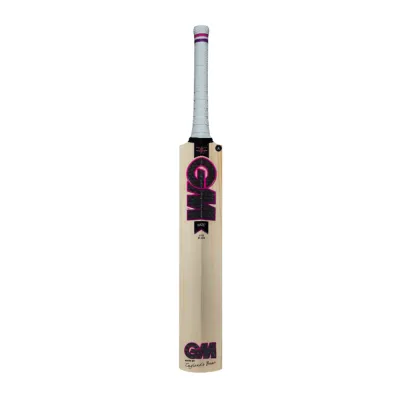

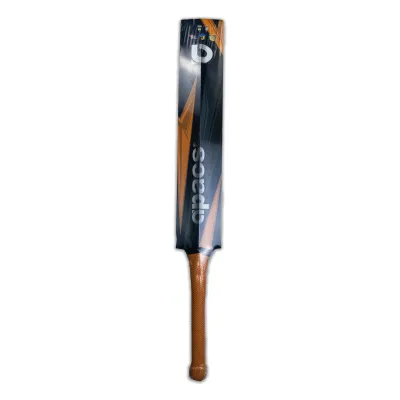

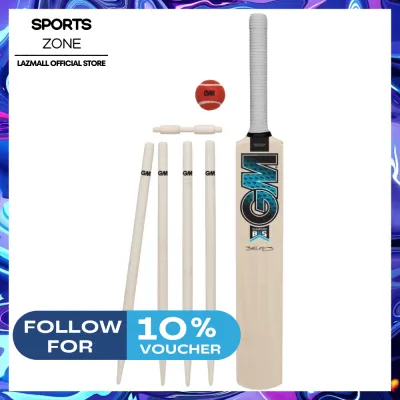
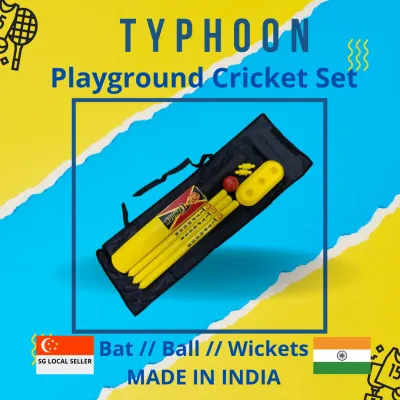
Prices are valid at publication and may change. Please refer to the product page for the latest price.
Your batting stance also plays a crucial role in determining the ideal length. If you employ a deeply crouched stance, a slightly shorter bat or a standard Short Handle can help you maintain a quick backlift without the handle obstructing your midsection. Players who stand exceptionally upright often prefer the full reach of a standard or long handle to comfortably cover the bounce of the ball. Always consult the specific manufacturer’s size chart before purchasing, especially when buying online, to verify the exact measurements of the blade and handle.
Step 2: Select the Ideal Bat Weight for Your Strength
Once you have identified the correct length, you must determine the weight that matches your physical strength and swing mechanics. Cricket bats for men generally fall into three weight categories: light (typically 2lb 7oz to 2lb 9oz), medium (2lb 10oz to 2lb 12oz), and heavy (2lb 13oz and above). Choosing the right category balances swing speed with mass transfer.

To evaluate a bat’s weight, rely on the “pickup” test rather than the dead weight printed on the scale. Pick up the bat using only your non-dominant hand (the top hand on the grip) and raise it into your normal backlift position. Hold it horizontally in front of you for a few seconds. If your wrist begins to tremble, the bat is likely too heavy. A bat with a light pickup feels nimble and easy to maneuver, even if its actual scale weight is relatively high, due to clever weight distribution.
The trade-offs between different weights are significant. A lighter bat allows for faster swing speeds, making it easier to react to short, fast deliveries and execute late cuts. However, a lighter bat has less inherent mass, meaning you must generate more swing speed to achieve the same power. A heavier bat offers immense power transfer, allowing mis-timed shots to still travel a considerable distance, but it requires excellent physical strength to swing consistently over a long innings.
Watch for clear signs that a bat is too heavy during shadow practice or net sessions. If you experience wrist strain, forearm fatigue, or find your backlift lagging behind your visual trigger, the bat’s weight is compromising your technique. Selecting a slightly lighter bat will help preserve your form and protect your joints.
Step 3: Match the Bat Profile to Your Batting Style
The profile of a cricket bat refers to its shape, including edge thickness, spine height, and sweet spot position. Aligning these design elements with your batting style is essential for maximizing performance. Different profiles cater to specific roles, whether you are an opening batsman focusing on precise placement or a middle-order power hitter looking to clear the boundary.
Front-foot players who excel at driving and playing along the ground generally prefer a bat with a lower sweet spot. This design concentrates the wood lower down the blade, aligning with where the ball is met on low-bouncing pitches. Conversely, back-foot players who love to cut, pull, and hook benefit from a mid-to-high sweet spot, which raises the center of gravity and makes the bat feel lighter in the hand.
Your scoring preferences also dictate the ideal edge and spine profile. Aggressive power hitters typically look for bats with thick edges (often 38mm to 40mm) and a full profile with minimal concaving. This design maximizes the hitting zone but results in a heavier pickup. Technical stroke players, who rely on placement and timing, often prefer a scalloped profile with thinner edges, which reduces overall weight and creates a feather-light pickup for rapid hand speed.
Additionally, consider the bow of the bat, which is the gentle curve along the length of the blade. A pronounced bow helps lower the pickup point and assists in playing shots under your eyes, which is highly beneficial on slower, low-bouncing pitches. A flatter blade offers a more traditional feel and is often favored by players who prefer a straight-bat technique on true, reliable wickets.
Step 4: Inspect the Balance, Grain, and Handle
Before finalizing your choice, conduct a physical inspection of the bat’s construction, focusing on the grain structure, balance point, and handle design. Whether you are investing S$150 in an entry-level bat or S$800 in a premium grade-one English willow bat, these details determine the durability of the willow and how comfortable the bat will feel during active play.
Begin by inspecting the face of the willow for its grain structure. Straight, evenly spaced grains running vertically down the face generally indicate high-quality wood. While a high grain count (typically 9 or more) often offers excellent immediate performance, it can be more fragile. A lower grain count (around 5 to 8) is often more durable and will improve in performance as you knock it in. Avoid bats with severe knots, irregular grain patterns, or deep blemishes in the main hitting area.
Next, test the balance point of the bat. Rest the bat horizontally on your index finger, finding the point where it balances perfectly without tilting. A balance point that sits closer to the handle creates a lighter pickup, making the bat feel incredibly agile. If the balance point is located further down the blade, the bat will feel toe-heavy, which can increase power but may strain your wrists if you lack the forearm strength to control it.
Finally, examine the handle and grip. Handles are typically constructed from cane and rubber strips to absorb shock, and they come in either round or oval shapes. An oval handle provides better directional feedback, helping you align the face of the bat and preventing it from twisting in your hands upon impact. A round handle is often preferred by bottom-hand dominant players who like to flick the ball through the leg side. Ensure the grip thickness feels comfortable; you can always add an extra grip sleeve to customize the feel.
Step 5: Final Fit Check and Preparation
Before taking your new bat into a competitive match, perform a final fit check to ensure it integrates seamlessly with your movements. Put on your batting gloves and execute a series of shadow shots, simulating defensive blocks, drives, and pull shots. The bat should feel like a natural extension of your arms, allowing you to transition between shots without any awkward adjustments to your posture or grip.
Pay close attention to how your body responds during this trial. If you feel any immediate strain in your wrists, elbows, or shoulders, or if you find yourself consistently mistiming your shadow swings, treat these as clear stop conditions. It is far better to exchange the bat for a different weight or balance profile now than to risk injury or poor performance on the field.
Once you are fully satisfied with the fit, remember that a new English willow bat requires proper preparation before it can face a hard leather ball. This process, known as knocking-in, involves applying raw linseed oil to the face and edges, followed by thousands of gentle strikes with a specialized wooden mallet. This compresses the loose wood fibers and hardens the surface, preventing cracks and splitting. Always refer to the manufacturer’s specific care instructions, as some modern bats come pre-knocked or require specific oiling schedules.
Frequently Asked Questions (FAQ)
Does a heavier cricket bat always hit the ball further?
Not necessarily. While a heavier bat possesses more physical mass to transfer energy to the ball, this advantage only applies if you can maintain your optimal swing speed. If a bat is too heavy, your swing velocity will decrease, resulting in less overall power at impact. Additionally, an overly heavy bat can delay your shots, leading to mistimed edges and a higher risk of getting caught. A lighter bat swung with high speed and precise timing will often hit the ball further than a heavy bat swung slowly.
Can I use a standard Short Handle bat if I am taller than average?
Yes, many tall players comfortably use standard Short Handle bats. Your arm length and batting stance play a major role in this decision; if you have relatively long arms or prefer a deeper crouch, a standard Short Handle bat may provide the perfect balance of control and reach. However, if you find yourself constantly hunching over, struggling with lower-back discomfort, or scraping the toe of the bat on the ground during your backlift, you should consider transitioning to a Long Handle bat to improve your posture and ground clearance.
How do I know if my cricket bat is too heavy during a match?
During a match, several technical and physical warning signs indicate your bat is too heavy. Technically, you may find yourself dropping your backlift, playing across the line of the ball, or struggling to react quickly to short-pitched deliveries. Physically, you will likely experience rapid forearm fatigue, wrist soreness, or a noticeable drop in your bat speed as your innings progresses. If you find it difficult to maintain a high, controlled backlift during the later overs, it is a clear sign that you need to switch to a lighter weight profile.
Community discussion
Share your experience or ask a question. Comments are reviewed before publication.