
Selecting the ideal cricket bat is a highly personal decision that directly influences your performance, comfort, and safety on the pitch. The right bat acts as a natural extension of your arms, allowing you to react quickly to fast deliveries and execute shots with precision. To find the perfect match, you must balance three critical dimensions: the physical length of the bat, its absolute scale weight, and its dynamic balance or “pick-up.”
Using a bat that does not align with your physical build or batting technique can severely hinder your development. An incorrect fit compromises your stance, slows down your hand speed, and increases the risk of wrist, elbow, or shoulder strain. By systematically evaluating your height, playing style, and physical strength, you can identify a bat that maximizes your run-scoring potential while protecting your body from repetitive strain injuries.
Match Bat Length to Your Height and Stance
The first step in choosing a cricket bat is identifying the correct length for your height. Standard sizing categories span from junior models to adult sizes, designed to accommodate players of all ages and physical builds. Selecting the correct size ensures that you can maintain a balanced, athletic stance without overextending or crouching excessively.
Products mentioned in this guide
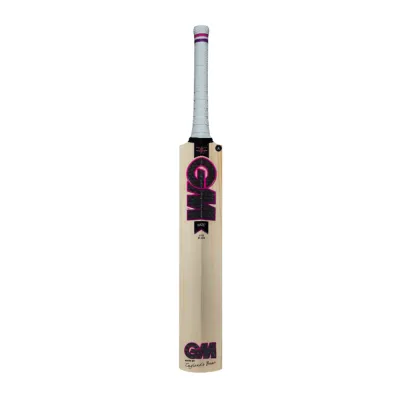

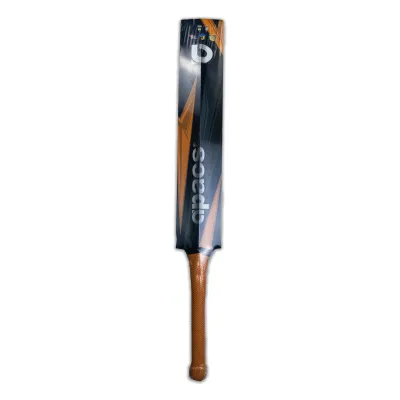
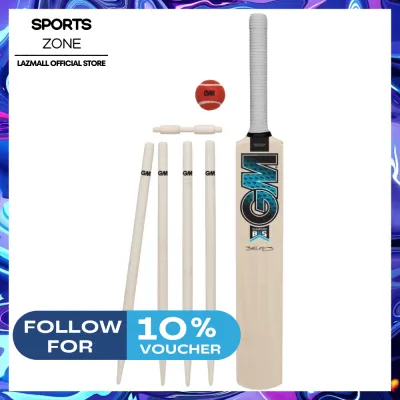
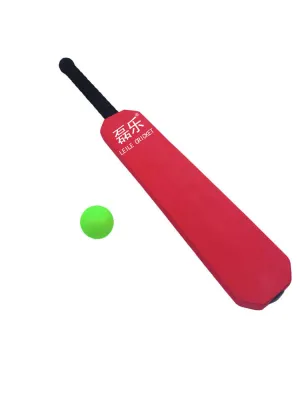
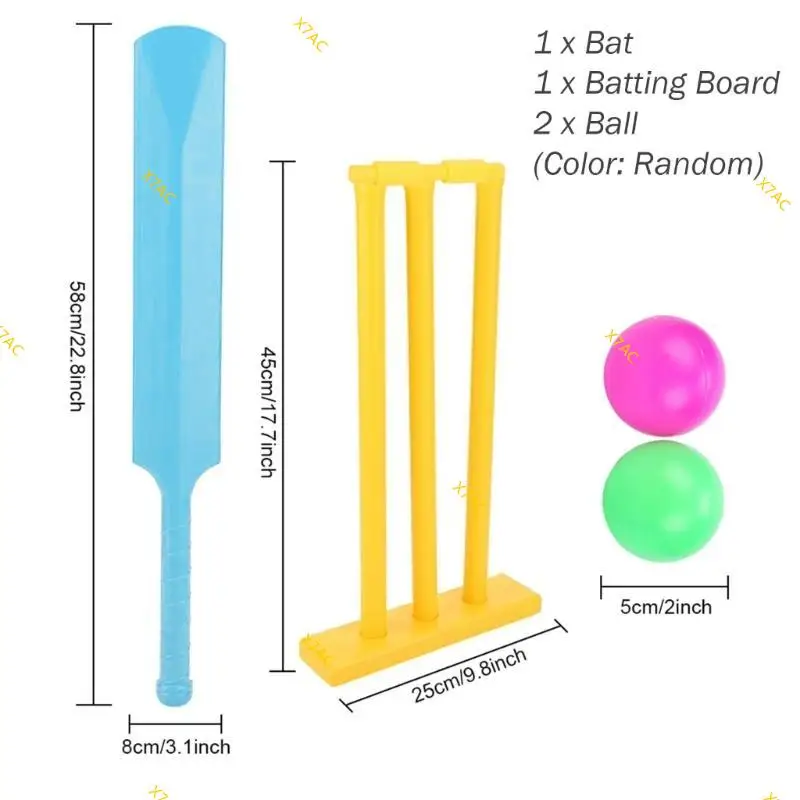

Prices are valid at publication and may change. Please refer to the product page for the latest price.
Junior bats are categorized by numbers ranging from Size 1 up to Size 6, with each step up accommodating a specific height bracket. Above Size 6 sits the Harrow size, which serves as a crucial transition category for teenage players or shorter adults who are not yet comfortable handling a full-sized adult bat. For most adult players, the standard choice is a Short Handle (SH) bat, which accommodates heights from roughly 168 cm to 188 cm. Taller players standing above 188 cm generally benefit from a Long Handle (LH) bat, which offers extra reach and a longer grip to match their natural arm span.
To verify the length of a bat, you can use a quick, reliable physical check. Stand upright on a flat surface in your natural batting stance. Place the toe of the bat flat on the ground immediately next to the outside of your back foot, keeping the bat parallel to your leg. The top of the handle should reach the top of your groin or pelvis area. If the handle extends past your hip, the bat is too long; if it sits below your mid-pelvis, it is too short.
Using a bat that is too long forces the toe of the blade to catch on the pitch during your backswing or when playing a defensive stroke, which disrupts your timing and can lead to cheap dismissals. Conversely, a bat that is too short forces you to adopt an uncomfortably hunched stance. This posture limits your reach, reduces your ability to get forward to the pitch of the ball, and places immense pressure on your lower back during long innings. Because exact blade and handle measurements can vary slightly between manufacturers, always consult the specific brand’s size chart before making a final decision.
Choose Bat Weight for Your Specific Playing Style
Once you have determined the correct length, you must select a bat weight that complements your physical strength and your role in the batting lineup. Adult cricket bats are generally classified into three broad weight categories, each offering distinct performance characteristics on the field.

- Light Bats (Under 2 lbs 7 oz / 1.1 kg): These bats prioritize maneuverability and rapid hand speed. They are highly responsive and easy to control, making them ideal for players who rely on quick placement and late cuts.
- Medium Bats (2 lbs 7 oz to 2 lbs 9 oz / 1.1 to 1.16 kg): This is the most versatile category, offering a balanced blend of swing speed and power. It suits all-round stroke players who need to transition smoothly between defensive control and aggressive boundary-hitting.
- Heavy Bats (Over 2 lbs 9 oz / 1.16 kg): Designed for maximum power, these bats carry substantial mass behind the sweet spot. They excel at clearing the boundary but require significant physical strength to swing effectively.
Your playing style should heavily influence where you sit on this weight spectrum. Opening batters and technical stroke players who face fast, swinging new balls typically prefer lighter bats. A lighter blade allows for faster bat speed, giving you more time to react to short-pitched bowling and make precise, split-second adjustments. On the other hand, middle-order power hitters who target boundaries often prefer heavier bats. The increased mass of a heavier bat generates greater momentum upon impact, helping to carry the ball over the boundary ropes even on off-center hits.
Your physical strength and overall fitness dictate the upper limit of the weight you can handle. If a bat is too heavy, your reaction times will slow down, your wrists will collapse during shot execution, and your overall batting technique will suffer. Additionally, environmental factors can influence the physical weight of your equipment. In hot, humid tropical climates like Singapore, natural willow can absorb atmospheric moisture over time, which can add noticeable weight to the blade. If you play regularly in highly humid conditions, starting with a slightly lighter bat or choosing a model with a protective face cover can help mitigate this environmental weight gain.
Understand Pick-Up Weight and Balance
While scale weight provides a helpful baseline, the way a bat feels in your hands during a dynamic swing is far more important. This sensation is known as the “pick-up” weight. Two bats can weigh exactly 2 lbs 8 ounces on a scale, yet one may feel incredibly light and nimble, while the other feels heavy and cumbersome. This discrepancy is entirely down to weight distribution and the bat’s balance point.
The distribution of wood across the blade determines how the bat balances. Bats with a low swell or sweet spot concentrate more wood near the toe of the blade. This design is highly effective for low-bouncing, slow pitches where driving along the ground is the primary shot, but it creates a heavier pick-up because the weight is concentrated further from your hands. Conversely, bats with a mid-to-high swell concentrate their mass closer to the handle. This design provides an exceptionally light, effortless pick-up, making it ideal for executing fast cuts, pulls, and back-foot shots on bouncy pitches.
A well-balanced heavier bat can often feel more maneuverable than a poorly balanced lighter bat. When evaluating a bat, look for a balance point that aligns with your natural swing arc. If you rely heavily on your top hand for control and placement, a bat with a higher balance point and a lighter pick-up will support your style. If you are a bottom-hand dominant player who likes to whip the ball through the leg side, a mid-to-low balance point can help you generate maximum power through your wrists.
The shape of the handle also plays a subtle role in how the weight is perceived. Oval handles tend to provide better directional control, naturally aligning the face of the bat with your swing path and reducing twist upon impact. Round handles allow your bottom hand to play a more dominant role, which can assist with aggressive, aerial shots but may make the pick-up feel slightly heavier if your grip tension is too tight.
Step-by-Step Guide to Testing a Bat Before You Buy
To ensure your chosen bat feels comfortable and performs effectively, you should perform a series of physical tests. Follow these sequential steps to evaluate any bat before making a purchase.
Step 1: Stance Check
Assume your natural batting stance on a flat surface. Position your feet, grip the handle comfortably, and place the toe of the bat on the ground as if preparing to face a delivery. Without looking down, assess how the bat feels against your body. The handle should sit comfortably near your pelvis, and you should feel balanced, athletic, and ready to move forward or back without any strain in your lower back.
Step 2: Shadow Swings
Execute a series of shadow shots, including front-foot defensive blocks, cover drives, back-foot punches, and pull shots. Pay close attention to how the bat moves through the air. It should follow your intended swing path smoothly without dragging behind your hands or forcing your wrists to roll prematurely. Your swing should feel fluid, controlled, and repeatable.
Step 3: Pick-Up Test
Hold the bat out horizontally in front of you using only your non-dominant top hand. Hold this position for several seconds, then perform a few rapid, controlled wrist flicks to raise and lower the toe of the bat. If your forearm shakes, your wrist collapses, or you feel immediate fatigue in your forearm muscles, the pick-up is too heavy for your current physical conditioning.
Step 4: Tap Test
Using a leather cricket ball or a specialized wooden bat mallet, tap the face, sweet spot, and toe of the bat firmly. Listen closely to the sound produced; a solid, crisp, resonant knock indicates well-pressed, high-quality willow with good rebound properties. Pay attention to the vibrations traveling up the handle. A high-quality handle construction should absorb the impact, leaving your hands free of harsh, jarring sensations.
Warning and Stop Conditions: Stop and immediately discount any bat that causes physical discomfort during these tests. If you feel strain in your wrists, forearms, or shoulders during shadow swings, or if the bat feels too cumbersome to bring down quickly for a sudden defensive block, it is too heavy or poorly balanced for you. Using an unsuitable bat increases your risk of developing chronic overuse injuries, such as lateral epicondylitis (tennis elbow), and will ultimately hinder your performance on the field.
Frequently Asked Questions (FAQ)
Does the grade of willow affect the bat's weight?
No, the visual grade of the willow does not directly determine the weight of the bat. Willow grades (such as Grade 1, Grade 2, or Grade 3 English willow) are assigned based on cosmetic appearance, including the straightness and spacing of the wood grains and the presence of natural blemishes. The physical weight of a finished bat is determined by the natural density of the specific wood cleft, its moisture content, and how heavily the wood was pressed during the manufacturing process. A Grade 3 bat can easily weigh the same as, or even feel lighter than, a premium Grade 1 bat.
Should junior players use heavier bats to build strength?
No, junior players should never use an oversized or overly heavy bat to build physical strength. Developing proper batting mechanics, hand-eye coordination, and timing requires a bat that the player can control with ease. If a junior player uses a bat that is too heavy, they will naturally drop their wrists, alter their swing path, and rely on a cross-batted technique to lift the weight. This not only stunts their technical development but also places excessive, dangerous stress on their growing joints, significantly increasing the risk of wrist, elbow, and shoulder injuries.
Community discussion
Share your experience or ask a question. Comments are reviewed before publication.