
Selecting the perfect cricket bat is a foundational decision that directly shapes your batting stance, swing mechanics, and safety on the pitch. While many players focus solely on the brand or the aesthetic appeal of a willow blade, the physical dimensions—specifically length and weight—are what truly dictate your performance. A bat that matches your height and physical strength allows you to execute shots with precision, maintain proper balance, and react swiftly to fast bowling. Conversely, an ill-fitting bat can lead to chronic technical flaws and physical strain.
Why the Right Cricket Bat Size and Weight Matters
Using an incorrectly sized cricket bat disrupts your technical foundation from the moment you take your stance. If a bat is too long, it alters your natural swing path, forcing you to adjust your hands and wrists into awkward angles to clear the ground. This disruption often leads to poor shot selection, delayed timing, and frequent mishits as the sweet spot of the blade fails to align with the trajectory of the ball. It also hinders fluid footwork, making it difficult to step forward or back with speed and balance.
The physical risks of using an inappropriate bat are significant, particularly for developing players and beginners. Swinging a bat that is too heavy or long places immense strain on the wrists, forearms, and lower back. Over time, this repetitive strain can lead to tendonitis, muscle fatigue, and joint pain, forcing players to cut their training sessions short. When the body has to overcompensate for an unbalanced load, the risk of acute injury during high-impact shots increases dramatically.
Products mentioned in this guide
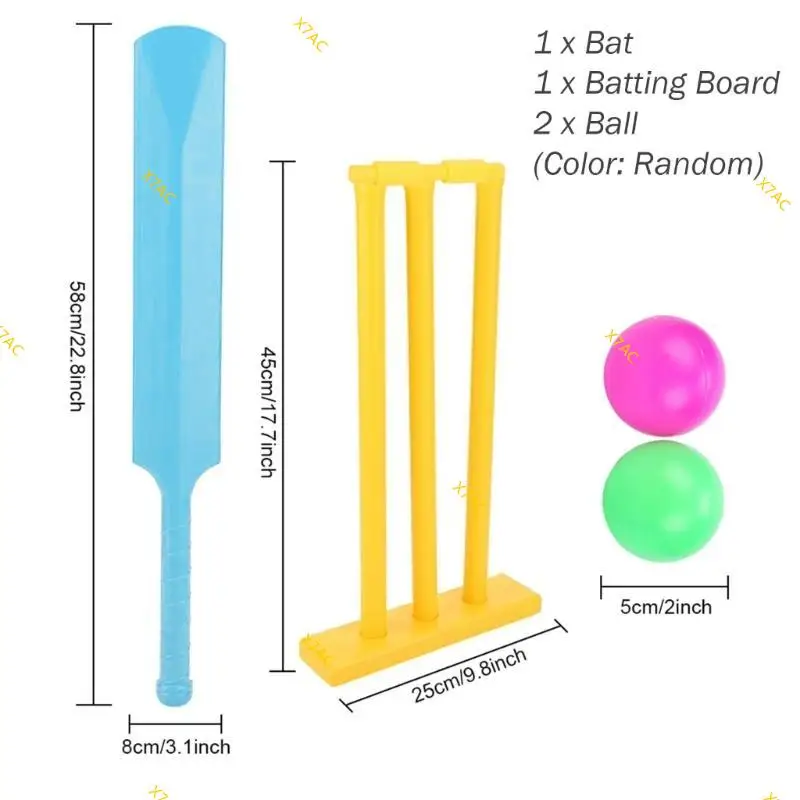
Prices are valid at publication and may change. Please refer to the product page for the latest price.
On the other end of the spectrum, a bat that is too light or short introduces a different set of challenges. While a light bat offers rapid maneuverability, it can severely compromise your power generation, making it difficult to clear the infield or find boundaries. A short bat forces you to reach awkwardly for deliveries, pulling your head away from the line of the ball and compromising your balance. Finding the correct equilibrium between size and weight is therefore essential to preserving both your physical health and your scoring potential.
How to Measure Your Height for Accurate Bat Sizing
To find the ideal bat size, you must first obtain an accurate measurement of your height. Begin by standing straight against a flat wall, ensuring your heels, upper back, and head are in light contact with the vertical surface. Avoid slouching or tilting your head upward; your gaze should be directed straight ahead to keep your spine naturally aligned. This setup provides a stable baseline for measurement.

Your footwear during this measurement should closely mirror actual playing conditions. It is best to measure your height barefoot or while wearing the flat-soled sports shoes or cricket spikes you plan to use on the pitch. Measuring in thick-soled casual shoes or slippers can distort your actual standing height by several centimeters, leading to an incorrect bat size selection that feels awkward once you step onto the field.
Using a standard measuring tape, record the distance from the floor directly to the top of your head. While standard sizing charts primarily rely on this overall height, some specialized fitting systems may also look at secondary measurements. For instance, measuring from the floor to your hip bone or groin area can help verify handle alignment, ensuring the bat’s handle does not interfere with your body during a full backlift or defensive stroke.
Cricket Bat Size Chart: Matching Height to Bat Length
Cricket bats are manufactured in standardized size categories designed to accommodate players of all ages and physical builds. These categories span from junior sizes—numbered from Size 1 up to Size 6—to transitional and adult sizes, which include Harrow, Short Handle (SH), and Long Handle (LH). Understanding where your height falls within these classifications is the first step toward selecting a blade that feels like an extension of your arms.
The following reference table maps player height ranges to the corresponding standard cricket bat sizes and their approximate total lengths. This table serves as a reliable starting point for players, parents, and coaches alike:
| Bat Size | Player Height (Centimeters) | Player Height (Feet & Inches) | Approx. Bat Length (Centimeters) | Approx. Bat Length (Inches) |
|---|---|---|---|---|
| Size 1 | Up to 120 cm | Up to 3'11" | 64.1 cm | 25.25" |
| Size 2 | 121 – 129 cm | 4'0" – 4'3" | 69.2 cm | 27.25" |
| Size 3 | 130 – 137 cm | 4'3" – 4'6" | 73.0 cm | 28.75" |
| Size 4 | 138 – 144 cm | 4'6" – 4'9" | 75.6 cm | 29.75" |
| Size 5 | 145 – 150 cm | 4'9" – 4'11" | 78.1 cm | 30.75" |
| Size 6 | 151 – 162 cm | 4'11" – 5'4" | 80.6 cm | 31.75" |
| Harrow | 163 – 168 cm | 5'4" – 5'6" | 83.2 cm | 32.75" |
| Short Handle | 169 – 182 cm | 5'6" – 6'0" | 85.1 cm | 33.5" |
| Long Handle | 183 cm and above | 6'0" and above | 87.0 cm | 34.25" |
While the chart provides a highly accurate guide, you can perform a quick visual check to confirm the fit in person. Stand upright on a flat surface and place the cricket bat vertically next to your leg, resting the toe of the bat on the ground. The top of the bat handle should generally align with your hip bone or the crease of your groin. If the handle reaches your waist or lower ribs, the bat is too long; if it sits well below your hip, it is too short.
How to Select the Right Cricket Bat Weight for Your Strength
Once you have determined the correct length, selecting the appropriate weight is the next critical decision. This choice involves a direct trade-off between power and control. A heavier bat—typically weighing between 1.2 kg and 1.4 kg for adults—provides more physical mass and momentum, allowing you to hit the ball harder and further with less effort. However, a heavy bat can slow down your hand speed, making it difficult to react to fast deliveries or execute quick horizontal-bat shots like the pull or cut.
Conversely, a lighter bat—ranging from 1.1 kg to 1.18 kg for adults—greatly enhances your timing, maneuverability, and defensive control. It allows you to adjust your stroke mid-delivery and play late with precision. The drawback is a reduction in raw boundary-hitting power, as you must rely more on timing and swing speed to generate force. For beginners and players building their physical strength, prioritizing control over power is almost always the safer and more productive path.
In Singapore’s highly humid tropical climate, willow wood can naturally absorb ambient moisture over time, which slightly increases the bat’s dead weight. Opting for a slightly lighter bat can help offset this natural weight gain on humid days. Dead weight is the actual numerical value displayed on a weighing scale, whereas pick-up weight is how heavy the bat feels in your hands when you assume your batting stance and lift it. This subjective feel is determined by the bat’s balance point, the thickness of its edges, and where the sweet spot is positioned along the blade. A bat with a high sweet spot and a well-tapered toe will often feel significantly lighter during a swing than a bat of the exact same dead weight with a low sweet spot.
To evaluate whether a bat matches your current physical strength, you can perform a simple, practical physical test. Hold the bat by the handle with only your dominant hand (your top hand in your batting grip). Extend your arm straight out in front of you, bringing the bat to a horizontal position parallel to the ground. Hold this position for 10 to 15 seconds. If you feel immediate, sharp strain or trembling in your wrist, forearm, or shoulder, the bat is too heavy for your current strength, and you should opt for a lighter model to prevent injury.
Step-by-Step Guide to Testing a Cricket Bat Before You Buy
Testing a cricket bat in person is the most reliable way to ensure its dimensions and balance align with your physical build. Whether you are visiting a local sports shop or testing a bat at home, following a structured evaluation process will help you make an informed decision.
Step 1: Stance and Ground Clearance
Assume your standard batting stance with your feet shoulder-width apart and your knees slightly bent. Place the toe of the bat on the ground behind your back foot, just as you would when preparing to face a bowler. Observe how your body feels in this position. The toe of the bat should rest flat on the ground without forcing you to bend your wrists awkwardly or hunch your shoulders forward. If you feel tension in your upper back or neck, the bat’s length or handle length may be incorrect.
Step 2: Backlift and Downswing
From your stance, execute a series of slow, controlled backlifts and downswings. Pay close attention to the transition at the top of your lift. The bat should feel balanced and stable, without pulling your hands backward or drifting offline. During the downswing, the movement should feel fluid and repeatable. If the blade feels unwieldy or if you struggle to decelerate the bat at the end of your follow-through, the pick-up weight is likely too heavy for your current mechanics.
Step 3: Grip Check
Place both hands on the handle using your standard V-grip, where the “V” shape formed by your thumbs and index fingers aligns down the back of the handle. Check the spacing of your hands. Your hands should sit comfortably on the handle with a small gap between them, without overlapping awkwardly or slipping off the bottom of the grip. There should also be at least two to three inches of handle visible above your top hand to allow for proper leverage.
- Warning / Stop Condition: If you experience any sharp pain, pinching, or sudden muscle strain in your forearms, elbows, or shoulders while performing these test swings, stop immediately. Do not attempt to push through the discomfort. This physical feedback is a clear indicator that the bat is either too heavy, poorly balanced, or too long for your body. Continuing to swing an unsuitable bat can lead to acute joint inflammation or muscle tears. Put the bat down and select a lighter or shorter model to test.
Sizing Advice for Juniors and Beginners
When selecting equipment for junior players, parents and coaches often face the temptation to purchase a larger or heavier bat with the expectation that the child will “grow into” it over the coming seasons. This approach is highly counterproductive. A cricket bat that is too large or heavy forces a young player to alter their natural body mechanics, leading to bad habits—such as dragging the bat from the side or dropping the hands—that are incredibly difficult to correct later. More importantly, it significantly increases the risk of joint and muscle injuries during their developmental years.
For both juniors and adult beginners, prioritizing a lighter bat is crucial for skill development. A lighter blade allows the player to focus entirely on learning a straight-bat technique, mastering footwork, and perfecting their timing. It builds confidence at the crease, as the player feels in complete control of the equipment rather than feeling as though the bat is controlling them. Once proper technique and core physical strength are established, transitioning to a heavier bat can be done gradually and safely.
To ensure young players are always using the correct equipment, parents should regularly monitor for signs that a junior has outgrown their current bat. Look closely at their posture during a game or net session; if they are hunching excessively over the crease, the bat may be too short. Alternatively, if the toe of the bat is constantly digging deeply into the pitch during their backlift, or if you notice a sudden, inexplicable drop in their bat speed and timing, it is likely time to transition to the next size up.
Frequently Asked Questions (FAQ)
Can I use an adult Short Handle bat if I am slightly under the recommended height?
While height charts serve as the primary guide, individual physical attributes like arm length and upper body strength can occasionally justify a deviation. If you are slightly below the recommended height for a Short Handle bat but possess a longer reach and the physical strength to control its pick-up weight without hunching, a Short Handle model may be manageable. However, if you struggle to maintain a straight swing or feel any strain, choosing a Harrow or a Size 6 is a much safer option for preserving your technique and avoiding injury.
Does the manufacturer's stated weight include the rubber grip?
Typically, the weight stated by cricket bat manufacturers refers to the bare wooden blade and the handle with only its original factory grip. Adding an aftermarket rubber grip, wrapped over-grips, or a thicker textured grip can add 30 to 50 grams of additional weight to the bat. While this might seem minor, it can noticeably alter the pick-up feel and balance of the blade. When selecting a bat, always factor in the weight of any additional grips or protective face tape you plan to apply.
Community discussion
Share your experience or ask a question. Comments are reviewed before publication.