
Choosing the right dive mask is the single most important gear decision you will make as a beginner snorkeler. A poorly fitting mask can ruin an otherwise spectacular day in the tropical waters around Sisters’ Islands or Pulau Hantu by constantly leaking, fogging, or causing painful pressure points on your face. To find the perfect mask, you must prioritize a watertight physical seal and high-quality materials over aesthetic appeal or low pricing.
While selecting gear is exciting, remember that high-quality equipment cannot replace water safety skills, swimming proficiency, and sound situational judgment. Before heading out, always assess your physical limits, check local sea conditions, and ensure you are snorkeling with a buddy. A reliable mask is simply a tool to help you see clearly while you safely explore the marine environment.
An ideal beginner mask features a high-grade silicone skirt, tempered glass lenses, and a comfortable fit that matches your unique facial structure. By understanding these key features and testing the fit before you buy, you can invest in a mask that remains comfortable and leak-free for years of coastal adventures.
Products mentioned in this guide
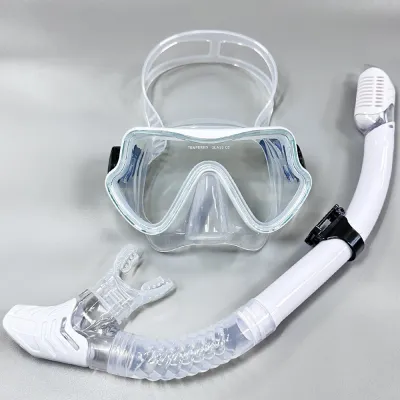
![[SG Ready Stock]Professional Scuba Snorkeling Diving Mask Set Free Breathing Anti-Leak Dry Top Snorkel Diving Mask](https://img.lazcdn.com/g/p/8d791f8b921b0ab433e4d2173a5f1fba.png_400x400q80.png_.webp)
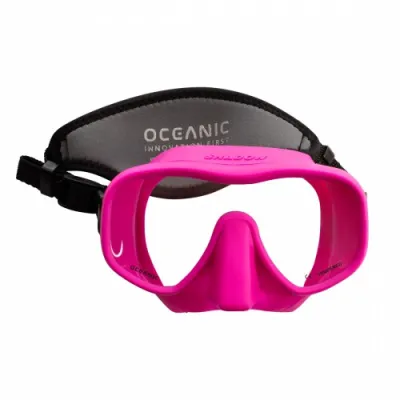
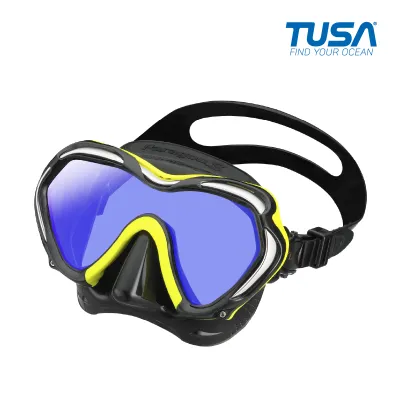
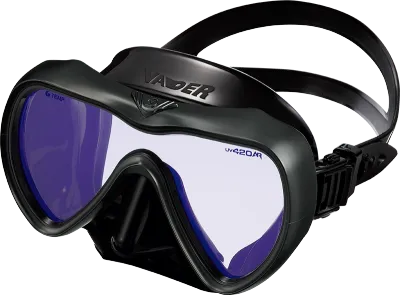
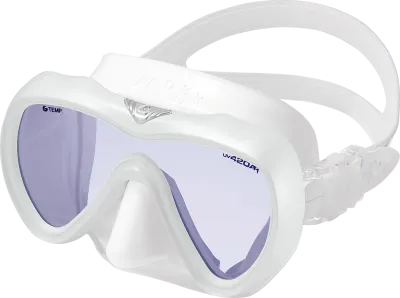
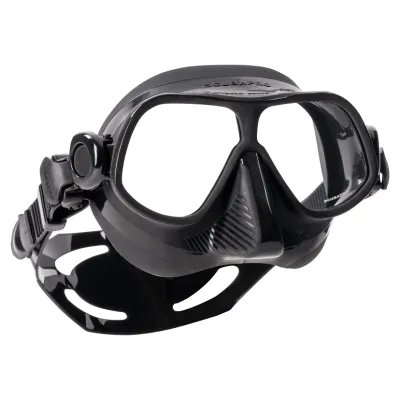
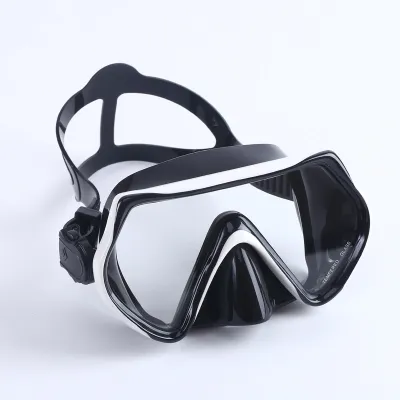
Prices are valid at publication and may change. Please refer to the product page for the latest price.
Key Features to Look for in a Snorkeling Dive Mask
Understanding the anatomy of a dive mask helps you distinguish between a durable, professional-grade piece of equipment and a cheap toy that will fail in the water. When evaluating different models, focus on four fundamental components: the skirt material, the lens material, the internal volume, and the frame design.
Skirt Material The skirt is the soft, flexible boundary of the mask that presses directly against your skin to keep water out. High-quality masks utilize 100% hypoallergenic liquid silicone for this component. Silicone is exceptionally pliable, allowing it to conform to the subtle contours of your face, and it retains its shape and elasticity even after years of exposure to saltwater and UV rays. In contrast, cheaper masks often use polyvinyl chloride (PVC) or low-grade rubber. These materials are stiffer, prone to causing skin irritation, and degrade rapidly in tropical climates, quickly becoming brittle and prone to cracking.
Lens Material For safety and visual clarity, your mask must feature lenses made of tempered glass. Tempered glass is heat-treated to be highly impact-resistant, meaning it is far less likely to shatter if accidentally dropped on a boat deck or hit by a stray piece of coral. If it does break, it fractures into small, blunt granular pieces rather than sharp shards, protecting your eyes from severe injury. Additionally, tempered glass offers superior optical clarity and is highly resistant to scratching compared to plastic or polycarbonate lenses, which scratch easily and tend to cloud over time. Look for the “T” or “Tempered” mark permanently etched into the corner of the lens.
Mask Volume Mask volume refers to the amount of air space inside the mask when it is worn on your face. Low-volume masks sit closer to your eyes, which naturally widens your peripheral field of view and makes it much easier to clear water out of the mask if any leaks inside. Because there is less air inside, equalizing the pressure as you dive down is also more effortless. Standard-volume or high-volume masks sit further away from the face. While they can feel more spacious and less claustrophobic to some beginners, they require more physical effort to clear and can feel bulkier in the water.
Frame Design Masks generally fall into two structural categories: framed and frameless. Framed masks secure the lenses in a rigid plastic structure, which provides excellent structural durability and allows for interchangeable lenses, making them ideal if you require prescription inserts. Frameless masks mold the silicone skirt directly to the glass lenses. This design makes the mask incredibly lightweight, highly flexible, and easy to fold flat into a pocket or travel bag. Choosing between them is largely a matter of personal preference, travel needs, and how the specific shape conforms to your face.
How to Test the Fit of a Dive Mask Before Buying
Because facial structures vary wildly, there is no single mask model that fits every individual perfectly. Finding the right fit requires physical testing rather than relying on brand names or sizing charts. You can easily evaluate the compatibility of any mask by performing a series of physical checks.

The Inhale Test The inhale test is the gold standard for determining if a mask can form a reliable seal on your face. To perform this test, tilt your head back slightly and place the mask gently on your face without putting the strap over your head. Ensure all hair is cleared away from your forehead and cheeks. Inhale gently through your nose and hold your breath while looking forward or slightly downward. A well-fitting mask should instantly suction to your face and remain securely in place without sliding or falling off, even as you move your head gently from side to side. If you must inhale forcefully to keep the mask on, or if air leaks in around the edges, the mask is not a match for your face shape.
Face Shape Considerations Different masks are sculpted to accommodate specific facial features, such as high or low nose bridges, prominent cheekbones, and narrow or wide jawlines. When testing a mask, pay close attention to how the nose pocket feels. It should not press uncomfortably against the bridge or tip of your nose, and you should be able to easily pinch your nostrils through the silicone to equalize pressure. If you have a narrower face, look for masks explicitly labeled as “small,” “narrow,” or “midi” versions, which prevent water from channeling in near the temples.
Checking the Skirt Edges A perfect seal requires direct, uninterrupted contact between the silicone skirt and your skin. Before conducting your fit test, pull your hair back and ensure that no stray strands, facial hair, or deep skin folds are trapped beneath the skirt. Even a single strand of hair can act as a micro-channel, allowing water to slowly seep into your mask throughout your snorkel. Additionally, wipe away any heavy sunscreens, moisturizers, or makeup from your face prior to testing, as these greasy substances can cause the silicone to slip and break its seal.
Strap Adjustment Rules A common misconception among beginners is that tightening the head strap will cure a leaking mask. In reality, the strap is only meant to hold the mask gently in place; the natural water pressure and the light suction of the silicone skirt do the actual work of sealing. Over-tightening the strap distorts the soft silicone skirt, pulling it out of its natural shape and actually creating gaps that cause leaks. It also presses the rigid frame against your forehead and nose bridge, leading to headaches and deep, painful red rings on your face. Keep the strap comfortably loose, resting flat against the crown of your head.
Common Mistakes Beginners Make When Buying a Mask
Avoiding common purchasing pitfalls will save you money and prevent frustration during your first snorkeling excursions. Many beginners fall into the same traps when selecting their initial gear.
Confusing Swim Goggles with Dive Masks Swim goggles are designed exclusively for surface swimming and should never be used for snorkeling or diving. The key difference lies in the nose pocket: a proper dive mask encloses your nose, whereas swim goggles leave it exposed. As you descend even a meter or two underwater, the pressure of the surrounding water increases, compressing the air inside your mask. Without a nose pocket, you cannot exhale air into the mask to equalize this pressure, which can lead to painful eye squeeze and broken blood vessels. A dedicated nose pocket is essential for safety and comfort in any depth of water.
Ignoring Facial Hair Facial hair, particularly mustaches and thick stubble, is a frequent culprit behind persistent mask leaks. The hair creates tiny gaps between the skin and the silicone skirt, allowing water to bypass the seal. If you have facial hair, you do not necessarily need to shave it off. You can apply a thin layer of food-grade silicone grease, petroleum jelly, or a heavy mustache wax to your facial hair right below your nose before entering the water to help create a temporary watertight barrier. Alternatively, trimming the top millimeter of your mustache directly beneath your nostrils can provide a clean patch of skin for the mask skirt to grip.
Prioritizing Aesthetics Over Fit It is easy to get distracted by stylish designs, vibrant frame colors, or mirrored lenses when browsing gear. However, prioritizing looks over a proper physical fit is a recipe for an uncomfortable snorkeling trip. A beautifully colored mask is useless if it leaks constantly or pinches your nose. Focus first on finding a mask that passes the inhale test and feels comfortable on your face. Once you have identified a few compatible models, you can then choose from the available colorways or frame styles.
Skipping the Physical Fit Test Buying a dive mask online without trying it on first is highly risky, as it is impossible to predict how a specific skirt will interact with your unique facial contours. While online marketplaces offer convenience, purchasing from a local dive shop in Singapore allows you to physically test multiple models under the guidance of experienced staff. Entry-level masks typically range from S$40 to S$120, and trying them in person ensures you get the right value. If you must purchase online, ensure the retailer has a flexible, hassle-free return policy so you can perform the inhale test at home and return the mask if it does not seal perfectly.
How to Prepare and Maintain Your New Dive Mask
Once you have purchased a well-fitting mask, proper preparation and ongoing maintenance are essential to prevent fogging and maximize the lifespan of your investment.
Removing Manufacturing Residue New tempered glass masks are coated with a thin layer of silicone residue from the manufacturing process. If you do not remove this invisible film, your mask will fog up instantly in the water, regardless of how much defogger you use. To safely remove it, refer first to the manufacturer’s care instructions, as some modern masks feature delicate anti-fog coatings that require specific care. For standard tempered glass lenses, apply a small pea-sized dab of non-abrasive, white paste toothpaste (avoid gels or whitening formulas with harsh micro-beads) to the inside and outside of the dry lenses. Rub the paste firmly with your clean finger for several minutes, then rinse it off completely with fresh water. Repeat this process two to three times to thoroughly scrub away the film.
Defogging Techniques Even after removing the manufacturing film, temperature differences between your warm face and the cooler seawater will cause moisture to condense on the glass. To prevent this, apply a defogging agent immediately before your snorkel. Commercial defogging sprays are highly effective, but a cheap and popular alternative is a highly diluted solution of baby shampoo mixed with water. Apply a few drops to the dry inner lenses, rub it around to coat the glass, rinse the mask briefly in fresh or salt water once, and put it on immediately. Avoid touching the inside of the glass after rinsing, as oils from your fingers will ruin the defogging barrier.
Post-Snorkel Care Saltwater, chlorine, and UV rays are highly destructive to silicone and plastic over time. After every snorkel, rinse your mask thoroughly in clean, fresh water to wash away salt crystals, sand, and organic debris. Shake off excess water and allow the mask to dry completely in a shaded, well-ventilated area. Never leave your mask drying in direct tropical sunlight, as extreme heat and UV exposure will yellow and degrade the silicone, causing it to lose its flexibility and crack. Once dry, store your mask in a hard, protective case to prevent other heavy gear from crushing the frame or deforming the delicate silicone skirt.
Frequently Asked Questions (FAQ)
Can I use a snorkeling mask for scuba diving?
Yes, many high-quality snorkeling masks are fully compatible with scuba diving, provided they feature tempered glass lenses and a high-grade silicone skirt. However, scuba diving typically demands low-volume masks that are easier to clear and equalize at deeper depths. If you plan to transition to scuba diving in the future, investing in a low-volume dive mask from the start is a highly practical choice.
What should I do if my dive mask keeps leaking in the water?
If your mask begins leaking during a snorkel, perform a quick systematic check. First, adjust your position in the water, clear any hair or hood edges from beneath the silicone skirt, and ensure the frame is not resting on your hairline. Next, check your strap tension; if it is pulled too tight, loosen it slightly to let the silicone skirt regain its natural, flat seal against your skin. Finally, wipe away any thick sunscreen or facial oils around your cheeks and nose.
Do I need a prescription dive mask if I wear glasses?
If you wear corrective glasses, you have several excellent options to ensure clear vision underwater. Many framed masks allow you to replace the standard tempered glass lenses with drop-in prescription lenses matching your corrective needs. Alternatively, you can use pre-made optical inserts that secure inside the mask frame, or wear soft contact lenses while snorkeling, provided you keep your eyes closed during mask clearing to prevent losing them.

Community discussion
Share your experience or ask a question. Comments are reviewed before publication.