
Choosing the right Ebene wrist support requires matching the physical demands of your sport or daily routine with the specific design, compression level, and structural reinforcement of the brace. Whether you are looking to manage mild discomfort during a badminton match, stabilize your joint during heavy lifts, or support recovery after a minor strain, selecting the wrong model can lead to restricted movement or inadequate protection. By evaluating your activity’s movement patterns, understanding the differences between flexible sleeves and adjustable wraps, and measuring your wrist accurately, you can find a model that offers the ideal balance of mobility and stability.
To make an informed decision, you must look beyond generic recommendations and analyze how a support interacts with your specific joint mechanics. A wrist guard that performs exceptionally well for a runner might fail to provide the necessary lateral stability required by a tennis player. This guide outlines a systematic approach to evaluating your physical needs, comparing product structures, and ensuring a safe, comfortable fit that supports your active lifestyle.
Identify Your Wrist Condition and Activity Demands
Before browsing specific models, you must assess whether you require preventive support for healthy joints or rehabilitative support for an existing condition. Preventive support is designed for individuals with healthy wrists who want to minimize fatigue, manage mild vibration, or maintain joint warmth during outdoor activities or in air-conditioned environments. This type of support relies on light compression to enhance proprioception—your body’s awareness of joint positioning—which can help you maintain proper form during repetitive movements.
Products mentioned in this guide
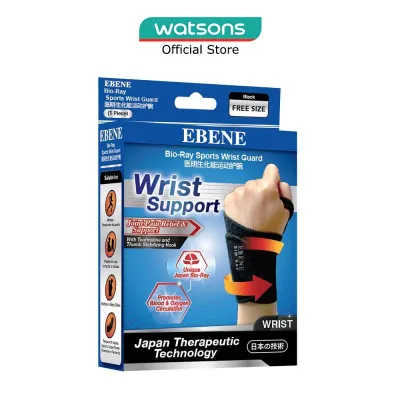
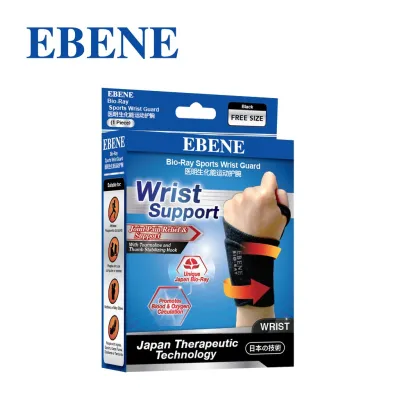
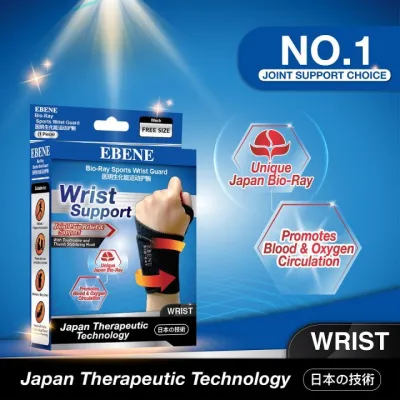
Prices are valid at publication and may change. Please refer to the product page for the latest price.
Rehabilitative support, on the other hand, is intended for those recovering from a diagnosed strain, sprain, or repetitive strain injury. If you are managing an active injury, your primary goal is to limit harmful ranges of motion and reduce load-bearing stress on healing tissues. Using a highly flexible preventive sleeve when your joint requires structural stabilization can delay healing or exacerbate the injury. Conversely, using a highly restrictive brace for general prevention can lead to unnecessary joint stiffness and muscle weakness over time.
Analyzing the specific biomechanics of your sport is equally critical. High-impact and high-velocity sports, such as badminton, tennis, and squash, subject the wrist to rapid acceleration, sudden deceleration, and extreme rotational forces. These movements require a support that stabilizes the joint without locking it, allowing you to execute quick snaps and directional changes safely. Low-impact activities, such as running or cycling, involve relatively static wrist postures but subject the joint to prolonged vibration or continuous weight-bearing on handlebars, where mild compression and shock absorption are highly beneficial.
Heavy load-bearing activities, such as weightlifting, powerlifting, or gymnastics, place immense axial loads on the wrist joint. During these movements, the wrist is highly susceptible to hyperextension or hyperflexion under load. These activities demand a structural support that can withstand high tension and reinforce the joint’s natural alignment. Understanding these distinct physical demands prevents you from choosing a model that either restricts your athletic performance or leaves your joint vulnerable to excessive stress.
It is vital to recognize red-flag symptoms that require immediate medical evaluation before you attempt to use any over-the-counter wrist support. If you experience sharp or shooting pain, rapid swelling, visible joint deformity, an inability to bear any weight, or persistent numbness and tingling in your hand or fingers, do not use a commercial brace. These symptoms often indicate severe ligament tears, fractures, or nerve compression that require professional medical diagnosis and targeted treatment.
Match Support Levels to Your Specific Sport
Wrist supports are generally categorized into three primary levels of support: light, moderate, and maximum. Aligning these levels with the physical demands of your activity ensures that you do not compromise your range of motion or under-protect your joint. You should always verify the manufacturer’s designated support level on the product packaging or official brand listings to ensure it matches your intended use.

Light support models are typically constructed as flexible, slip-on compression sleeves. These are best suited for repetitive, low-impact activities where maintaining a full, unrestricted range of motion is essential. Runners, walkers, and individuals performing light aerobic exercises or daily office tasks benefit from light support. The primary function here is to provide gentle compression, retain therapeutic warmth, and improve local circulation, which helps manage minor stiffness and joint fatigue without altering your natural movement patterns.
Moderate support models often combine a compressive sleeve with adjustable elastic straps or wraps. This hybrid design is ideal for sports that involve sudden wrist extension, rotation, or moderate load-bearing, such as racket sports, golf, and recreational weight training. The adjustable straps allow you to customize the level of tension, providing extra stability during active play while allowing you to loosen the support during rest periods. This adaptability is crucial for sports where the intensity of wrist engagement fluctuates throughout the session.
Maximum support models are designed for heavy load-bearing, extreme extension risks, or the recovery phases of moderate joint injuries. These supports feature heavy-duty, non-elastic materials, reinforced wrapping systems, or rigid internal stays. They are reserved for activities like heavy powerlifting, gymnastics, or situations where a medical professional has advised strict joint stabilization. Maximum support models intentionally restrict your range of motion to protect the joint from structural failure under extreme loads, making them unsuitable for sports that require high manual dexterity or rapid wrist movements.
When selecting a model, resist the temptation to choose a higher support level than necessary “just in case.” Over-supporting a healthy joint can lead to a false sense of security, causing you to neglect proper technique or overload adjacent joints like the elbow and shoulder. Always match the support level precisely to the physical reality of your activity and the current health of your joint.
Compare Wrist Support Structures and Adjustability
Understanding the physical construction of different wrist supports allows you to select a design that aligns with your functional needs. The three primary structures available are compression sleeves, adjustable wraps, and rigid or splint braces. Each structure serves a distinct mechanical purpose and offers varying degrees of adjustability.
Compression sleeves are seamless, elasticated tubes that slide over the hand and sit snugly around the wrist. They provide uniform, circumferential compression across the entire joint. Because they lack bulky straps or rigid components, they fit easily under clothing and sports gloves, making them highly convenient for daily wear and low-profile sports use. Their primary benefit is joint warmth and proprioceptive feedback, which helps you maintain awareness of your wrist alignment during complex movements.
Adjustable wraps consist of a strip of durable, semi-elastic material that you wind around the wrist and secure with a hook-and-loop closure system. Many designs include a thumb loop to help anchor the wrap in place during application. The main advantage of an adjustable wrap is the ability to control the compression zone and tension level. You can wrap it tightly for high-effort sets in the gym and loosen it immediately afterward to restore full circulation, making it a highly versatile tool for variable-intensity training.
Rigid or splint braces incorporate removable metal or plastic stays along the palm or back of the hand to keep the wrist locked in a neutral position. While highly effective for post-injury recovery, carpal tunnel management, or nighttime immobilization, these braces are generally not suitable for active sports participation. Restricting joint movement so severely during dynamic activities can disrupt your athletic biomechanics, leading to poor technique and potential injury in other parts of your arm.
When evaluating these structures, pay close attention to material quality and construction details, especially if you live or train in a warm, humid climate like Singapore’s. High humidity increases sweat production, which can lead to skin chafing, bacterial buildup, and material degradation. Look for supports made from breathable, moisture-wicking fabrics that allow heat to escape. Examine the durability of the hook-and-loop fasteners, the reinforcement of the stitching along high-stress seams, and the flexibility of the edges to ensure the support remains comfortable and functional over long-term use.
Measure for the Correct Fit and Comfort
An improperly fitted wrist support is both ineffective and uncomfortable. A brace that is too loose will fail to provide the necessary compression or stabilization, while one that is too tight can restrict blood circulation, pinch nerves, and cause skin irritation. To ensure optimal performance, you must follow a precise measurement process rather than guessing your size based on clothing dimensions.
To find your correct size, use a flexible tape measure to find the circumference of your wrist. Wrap the tape around the narrowest part of your wrist, typically just above the bony prominence (the styloid process) toward your hand. Keep the tape measure flat against your skin, ensuring it is snug but not pulling tight or compressing the soft tissue. If you do not have a flexible tape measure, wrap a piece of non-elastic string around your wrist, mark the point of overlap, and measure the flat string against a standard ruler.
Once you have your measurement, compare it directly to the manufacturer’s specific sizing chart for the exact model you are considering. Do not assume that your size will be consistent across different designs; a medium in a compression sleeve model may not correspond to a medium in an adjustable wrap model. Sleeves require highly precise sizing because they rely entirely on the material’s inherent elasticity to deliver compression, whereas wraps often feature broader sizing ranges or a “one-size-fits-most” design due to their adjustable strap systems.
After receiving your wrist support, perform a series of practical checks to verify the fit before using it during an intense workout. Put the support on and ensure it feels snug and evenly tensioned across the joint. Check for any signs of restricted circulation, such as cold fingers, a tingling or numb sensation, skin turning unusually pale or blue, or deep, painful indentations left in your skin after a few minutes of wear. You should be able to slide the tip of one finger comfortably under the edge of the support; if you cannot, the brace is too tight and must be adjusted or exchanged.
When purchasing your wrist support from online sports retailers or local ecommerce platforms, always review the seller’s return and exchange policies beforehand. Because supports are personal hygiene items, some retailers have strict conditions regarding returns once the packaging has been opened. Ensuring you have measured accurately and understanding the exchange process protects you from being stuck with an ill-fitting, unusable product.
Safety Boundaries and When to Seek Medical Advice
While commercial wrist supports are valuable tools for managing minor discomfort and providing mechanical assistance, they are not a substitute for professional medical care. It is essential to understand the limitations of these devices to avoid masking serious underlying structural issues that require targeted treatment.
Wrist supports work by providing external compression, retaining heat, and limiting excessive joint movement, which can temporarily relieve pain and improve joint stability. However, they do not cure structural damage such as torn ligaments, tendon ruptures, cartilage wear, or bone fractures. Relying on a support to push through severe, persistent pain during sports can lead to further joint degradation, chronic instability, and long-term mobility issues.
You must monitor your body closely and stop using the support immediately if you experience any warning signs of improper fit or worsening injury. These signs include increased pain during or after use, localized swelling that does not subside, persistent numbness or tingling in the hand, skin discoloration, or signs of allergic reaction and skin irritation from the material. If any of these symptoms occur, remove the brace and consult a qualified healthcare professional for a comprehensive evaluation.
Ultimately, equipment cannot replace fundamental joint health practices. A wrist support should be viewed as a temporary aid or a protective supplement, not a permanent solution for weak joints or poor mechanics. To maintain long-term wrist health, combine the use of appropriate supports with a dedicated warm-up routine, progressive strength and flexibility exercises for the forearm and wrist, and professional technique correction from a coach or physical therapist.
Frequently Asked Questions (FAQ)
Can I wear my wrist support all day for prevention?
No, you should avoid wearing a wrist support continuously throughout the day unless specifically instructed to do so by a medical professional. Prolonged, uninterrupted wear can cause your forearm muscles and wrist tendons to become dependent on the external support, leading to muscle atrophy, joint stiffness, and a reduction in natural joint stability over time. Additionally, continuous wear in warm climates can trap sweat against the skin, increasing the risk of irritation, chafing, and bacterial infections. It is best to limit the use of your wrist support to active sports sessions, heavy lifting blocks, or specific recovery windows during the day.
How should I clean and maintain my wrist support?
To preserve the elasticity, structural integrity, and hygiene of your wrist support, you must clean it regularly according to the manufacturer’s care label. Generally, you should hand-wash the support in cool or lukewarm water using a mild, non-biological detergent. Avoid using bleach, fabric softeners, or harsh chemicals, as these can break down the elastic fibers and degrade the hook-and-loop closures. Gently squeeze out excess water without wringing or twisting the material, and lay the support flat to air-dry in a well-ventilated area away from direct sunlight and heat sources. Never place your wrist support in a mechanical dryer, as high heat will warp the synthetic materials and ruin the elastic fit.

Community discussion
Share your experience or ask a question. Comments are reviewed before publication.