
To choose the right ECOODA fishing rod, you must match the rod’s power, action, and length to your specific fishing technique, target species, and local environment. Whether you are casting lures in reservoirs, bottom fishing from coastal jetties, or jigging in offshore waters, selecting the correct blank characteristics ensures optimal lure presentation, reliable hook sets, and enough leverage to land your catch. By decoding the technical specifications on the rod blank and aligning them with your preferred style, you can find a model that feels balanced and performs reliably.
Define Your Target Species and Local Fishing Conditions
Selecting a fishing rod begins with a clear understanding of where you will fish and what you intend to catch. Different environments demand distinct physical properties from a rod blank. For instance, fishing from high coastal jetties or rock walls requires a longer rod to clear shoreline obstructions and lift fish safely. Conversely, tight spaces along reservoir banks or inside mangrove channels call for shorter, more maneuverable rods that allow for accurate casting under overhanging branches.
The fighting style and size of your target species dictate the necessary strength and structural integrity of the rod. Small, fast-moving species in local reservoirs require highly sensitive, lighter setups that can register delicate bites and cast tiny lures. On the other hand, targeting powerful bottom-dwelling species around offshore structures or deep-water reefs demands a robust rod with a stiff lower section. This backbone is essential for stopping strong fish from diving into sharp rocks or debris, where they can easily sever your line.
Products mentioned in this guide
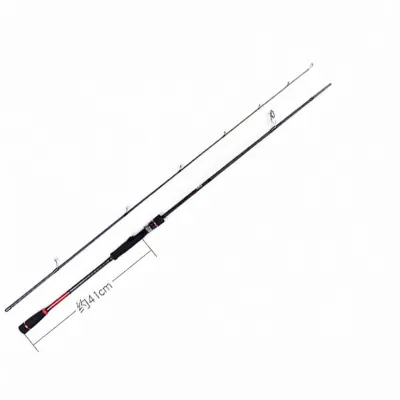
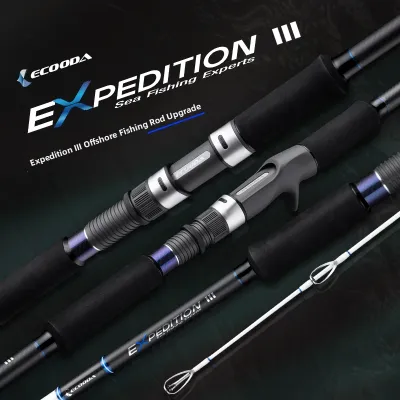
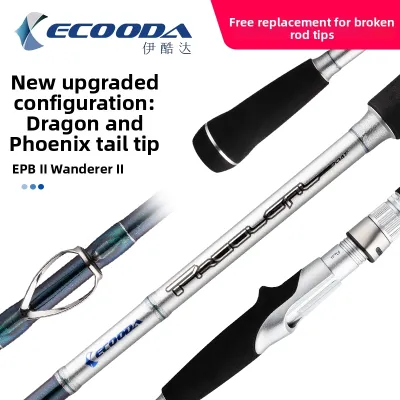
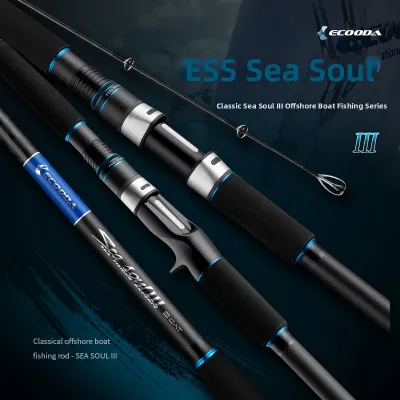
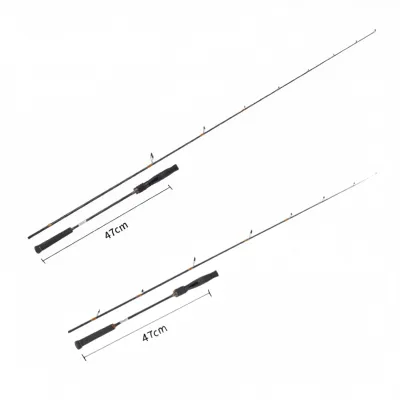
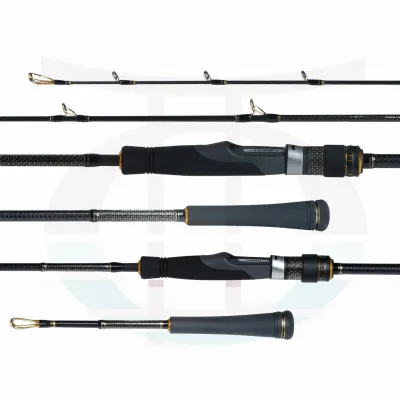
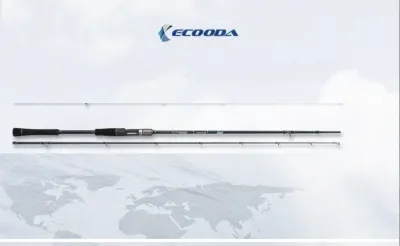
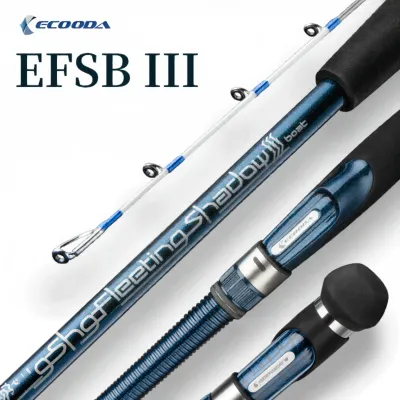
Prices are valid at publication and may change. Please refer to the product page for the latest price.
Your primary fishing technique also establishes the general category of rod you need. Lure casting requires a lightweight, well-balanced rod that minimizes fatigue during hours of continuous casting and retrieving. Bottom fishing relies on a rod that can support heavy sinkers and withstand the constant tension of strong currents without bending completely out of shape. Float fishing requires a longer, more flexible rod that can quickly mend line on the water’s surface and cushion the sudden lunges of a hooked fish.
Decode Rod Specifications to Match Your Technique
Understanding how to read the technical labels printed just above the rod handle is crucial for making an informed decision. These specifications are not mere suggestions; they define the safe operating limits of the rod blank.

Rod Power (Line and Lure Weight) Rod power refers to the amount of pressure required to bend the rod. It ranges from ultra-light to extra-heavy. The manufacturer labels this power rating alongside recommended line classes (measured in monofilament pound-test or braided PE ratings) and lure weight ranges (measured in grams or fractions of an ounce). Using a lure that is too light for the rod’s power rating makes casting difficult, as the rod will not load properly. Conversely, casting a lure or sinker that exceeds the maximum recommended weight risks overloading the blank, which can lead to catastrophic failure during a hard cast.
Rod Action (Fast, Moderate, Slow) Rod action describes where the blank bends when pressure is applied.
- Fast Action: A fast-action rod bends primarily in the top third of the blank. This design offers excellent sensitivity, quick hook sets, and rapid recovery, making it ideal for single-hook techniques like soft plastic lure fishing or jigging.
- Moderate Action: A moderate-action rod bends down into the middle half of the blank. This slower bend cushions the strike, preventing hooks from tearing out of soft-mouthed fish, and is highly effective for treble-hook lures like crankbaits.
- Slow Action: A slow-action rod bends almost all the way to the butt section. This parabolic bend is excellent for absorbing the shock of heavy, hard-fighting fish and is often utilized in specialized deep-sea jigging or traditional bait fishing.
Rod Length and Sections The length of the rod directly influences casting distance, leverage, and portability. Longer rods (typically 7 feet to 9 feet or more) excel at casting lures or baits long distances from the shore, making them perfect for surf casting or jetty fishing. Shorter rods (under 6.5 feet) provide superior leverage when fighting large fish vertically from a boat or kayak, where long-distance casting is less critical. You must also consider portability; while one-piece rods offer seamless action and maximum sensitivity, two-piece or multi-piece travel rods are far easier to transport on public transit or in compact vehicles.
Align Rod Features with Your Preferred Fishing Style
Once you understand the technical specifications, you can align them with specific fishing methods to narrow down your choices within the ECOODA lineup.
Lure Casting and Jigging For active lure casting or vertical jigging, look for rods constructed from high-modulus carbon fiber. This material provides an exceptionally high strength-to-weight ratio, allowing you to cast repeatedly without experiencing wrist fatigue. A sensitive tip is essential for feeling the subtle vibrations of a swimming lure or the faint tap of a fish picking up a soft plastic. A strong, fast-recovering backbone is equally important to drive the hook home instantly when a predatory fish strikes.
Bottom Fishing and Surf Casting If your style involves casting heavy baits into deep water or strong currents, prioritize durability and lifting power. These rods require a heavier power rating (such as medium-heavy or heavy) to handle substantial sinkers without folding under the weight. Look for robust guide frames that can withstand the high tension of heavy braided lines. The rod blank should feature a reinforced butt section to provide the necessary leverage to pull stubborn fish away from the seabed.
Float Fishing and Light Tackle For float fishing or targeting smaller species with light tackle, an ultra-light or light power rod is the most effective choice. These rods feature highly flexible tips that allow you to cast lightweight floats and delicate baits without tearing them off the hook. The high sensitivity of a light blank ensures you can detect even the slightest movement of the float, allowing for precise timing when setting the hook.
Because product lineups, series names, and specific model availability change over time, always verify the latest specifications on the official ECOODA website or consult with staff at an authorized local tackle shop. This step ensures you are purchasing a current model that matches your exact technical requirements.
Inspect Build Quality and Hardware Before Buying
Before finalizing your purchase, a physical inspection of the rod’s components is vital to ensure long-term durability and smooth performance on the water.
Guide Frames and Inserts Examine the line guides carefully from the base of the rod to the tip. The guide frames must be securely bound to the blank with neat, even thread wraps and a smooth, bubble-free epoxy coating. Look closely inside each guide ring to ensure the ceramic inserts (such as silicon carbide or aluminum oxide) are perfectly smooth, free of cracks, and securely seated. Any chip or crack in a guide insert can quickly fray and cut your fishing line under tension.
Reel Seat and Handle Ergonomics Mount a reel onto the reel seat to check the fit. The locking nut should thread smoothly and hold the reel foot firmly in place without any wobbling or slipping. Consider the handle material based on your fishing environment. High-density EVA foam grips offer excellent durability, a secure hold when wet, and are easy to clean after a day of handling bait. High-grade cork handles provide a classic feel and excellent sensitivity but require more careful maintenance to prevent degradation in humid conditions.
Blank Construction Hold the rod at eye level and look down the blank from the butt to the tip to ensure it is perfectly straight. Any noticeable curve or twist can affect casting accuracy and unevenly distribute stress when fighting a fish. Gently flex the rod against a flat surface (never press the tip directly with your hand) to check for smooth, consistent bending. Listen closely for any clicking or creaking sounds, which can indicate internal voids, poor resin distribution, or loose components within the blank.
Verify Gear Compatibility and Finalize Your Choice
A high-quality rod can only perform at its best when paired with compatible equipment. Before making your final decision, cross-check the rod’s specifications with the gear you already own or plan to buy.
Ensure the rod’s recommended line weight matches the breaking strength of the line spooled on your reel. Pairing a heavy-power rod with a light line can easily result in snapped lines, while using a light rod with excessively heavy line can overload and break the rod blank before the line ever parts. Additionally, verify that the physical size and weight of your reel balance comfortably on the rod. A well-balanced setup rests naturally in your hand near the reel seat, reducing muscle strain during long fishing sessions.
Finally, review the manufacturer’s warranty terms and the return policy of the authorized retailer. Understanding what is covered—such as manufacturing defects versus accidental breakage—provides peace of mind. Set a realistic budget that reflects how often you plan to fish. While premium materials offer enhanced sensitivity and lighter weight, a mid-range rod with quality hardware often provides the ideal balance of durability and value for regular recreational use.
Frequently Asked Questions (FAQ)
Can I use one rod for both lure casting and bottom fishing?
While you can use a single versatile rod for multiple techniques, it involves clear performance trade-offs. A medium-power, moderate-fast action rod can serve as a decent compromise, allowing you to cast medium-sized lures and hold light bottom rigs. However, this setup will lack the specialized sensitivity and fast recovery needed for precise lure manipulation, and it may lack the heavy lifting power required to pull large fish off the bottom in strong currents. For the best experience and performance, dedicated rods designed for each specific technique are highly recommended.
How should I maintain my rod after saltwater fishing?
Proper post-trip maintenance is essential to prevent corrosion and extend the lifespan of your rod, especially after exposure to harsh saltwater environments. Begin by rinsing the entire rod thoroughly with cool, gentle running fresh water to remove salt deposits, sand, and organic debris; avoid using high-pressure sprays, which can force salt into the reel seat or guide wraps. Gently wipe down the blank, guide frames, and inserts with a soft microfiber cloth, paying close attention to the metal guide feet where rust often starts. Allow the rod to dry completely in a shaded, well-ventilated area before storing it vertically in a rod rack or a breathable rod sock, away from direct sunlight and extreme heat.
Community discussion
Share your experience or ask a question. Comments are reviewed before publication.