
Selecting the right finger splint brace depends on identifying the specific joint that requires immobilization and understanding the nature of your injury. A properly chosen brace stabilizes the damaged tissue to promote healing while allowing the unaffected joints of your hand to move freely. Using the wrong type of support can lead to joint stiffness, delayed recovery, or even further irritation of the surrounding tendons and ligaments.
To make an informed decision, you must evaluate whether your condition affects the distal interphalangeal (DIP) joint near the fingernail, the proximal interphalangeal (PIP) joint in the middle of the finger, or the metacarpophalangeal (MCP) joint at the base. Matching the brace design to these specific anatomical areas ensures targeted support, whether you are recovering from a sudden sports impact or managing a chronic inflammatory condition.
When to Seek Professional Medical Evaluation First
Before purchasing an over-the-counter finger splint, it is critical to rule out severe injuries that require immediate clinical intervention. Certain symptoms indicate structural damage that a simple brace cannot safely resolve on its own. If you observe a visible deformity in the finger, have open wounds near the injury site, or experience a loss of sensation or numbness in the digit, you should seek professional medical evaluation immediately.
Products mentioned in this guide
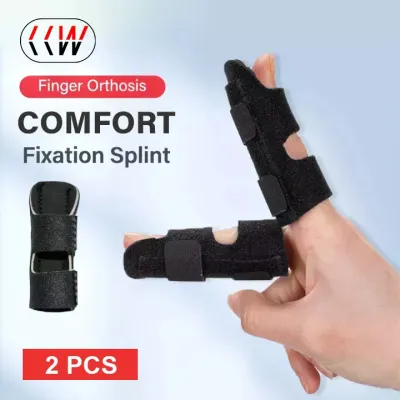
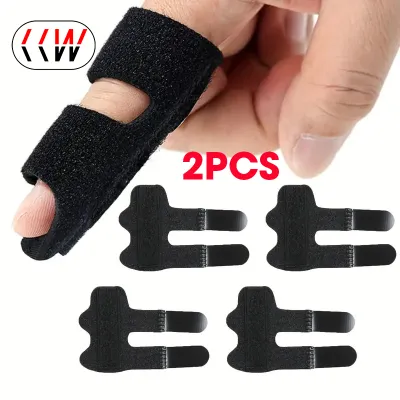
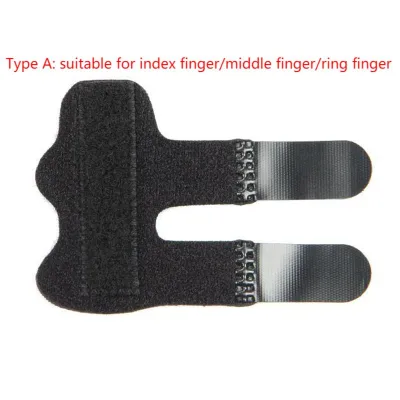
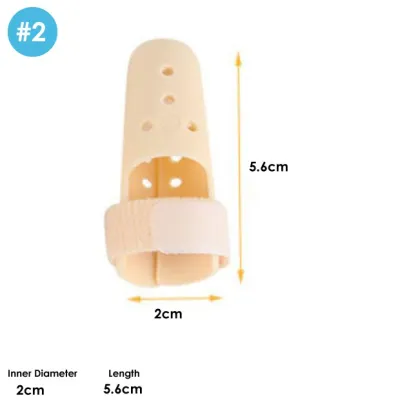
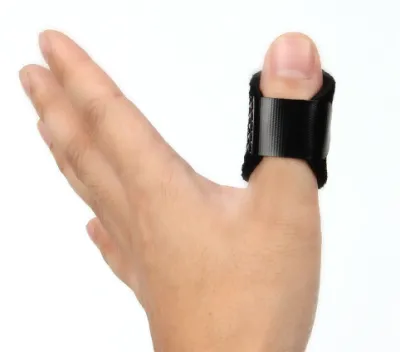
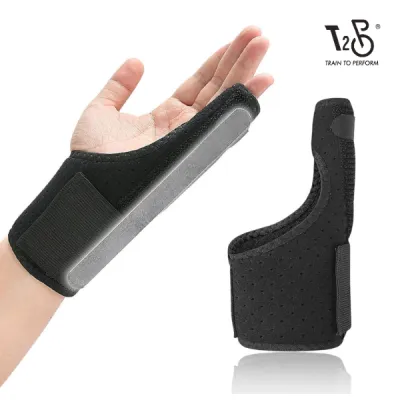
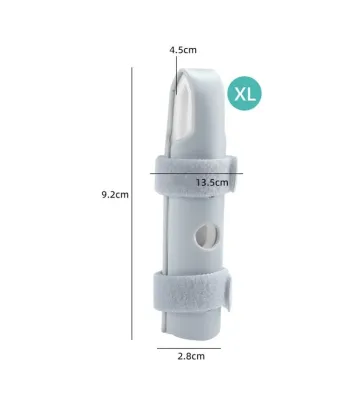
Prices are valid at publication and may change. Please refer to the product page for the latest price.
A complete inability to actively bend or straighten the finger is another major warning sign. This symptom often points to a ruptured tendon or severe joint dislocation rather than a simple strain. Attempting to self-treat these conditions with an off-the-shelf splint without a proper diagnosis can lead to permanent loss of hand function or chronic joint instability.
Additionally, severe pain, rapid and intense swelling, or dark discoloration that does not begin to improve after basic first aid and rest warrants a professional assessment. In sports and outdoor activities, protective gear and braces are designed to support recovery, but they cannot replace professional medical training, diagnostic imaging, or clinical judgment. Always prioritize a professional diagnosis if you suspect a fracture or a complete ligament tear.
Matching Common Finger Conditions to Splint Types
Different finger injuries require distinct levels of immobilization and joint restriction. Understanding how common conditions align with specific splint designs allows you to narrow down your options to the most effective category of support.

Sprains, Strains, and Jammed Fingers
Jammed fingers and mild sprains are highly common in impact sports such as basketball, netball, and volleyball, where the ball can strike the tip of an extended finger. These injuries typically involve stretching or minor tearing of the collateral ligaments supporting the joints. To allow these ligaments to heal, the affected joint must be protected from sideways movement and hyperextension.
For temporary immobilization and protection during the initial recovery phase, rigid aluminum splints with foam padding are highly effective. These braces can be bent gently to conform to the shape of the finger, providing a secure barrier against accidental bumps. For minor instability or during the transition back to light activity, buddy taping—securing the injured finger to an adjacent healthy finger—offers dynamic support while maintaining a functional range of motion.
Mallet Finger and Tendon Issues
Mallet finger occurs when the extensor tendon at the very tip of the finger is damaged, often from a direct impact that forces the fingertip to bend while it is trying to stay straight. The classic visual sign of this injury is a drooping fingertip that you cannot actively straighten on your own. Healing this tendon requires keeping the distal joint in a continuously straight, or slightly hyperextended, position without interruption.
To achieve this precise positioning, a specialized stack splint or a custom-moldable plastic option is required. These splints cover the tip of the finger and hold the distal joint completely rigid while leaving the middle joint free to bend. Keeping the middle joint mobile is essential during the multi-week recovery process to prevent secondary stiffness in the rest of the hand.
Trigger Finger and Arthritis
Trigger finger and arthritis are chronic conditions that cause discomfort, stiffness, and limited mobility in the hand. Trigger finger involves inflammation of the tendon sheath, which causes the finger to catch, lock, or click when you try to bend or straighten it. Arthritis, on the other hand, leads to the gradual wear of joint cartilage, resulting in persistent aching and stiffness, particularly in the mornings.
To manage trigger finger, ring-style or oval-shaped splints are highly effective because they block the specific joint flexion that triggers the locking mechanism while allowing the rest of the hand to function normally. For arthritis, lightweight compression sleeves or flexible, hinged braces help retain therapeutic warmth and provide mild compression. These options focus on managing daily symptoms and improving comfort during movement rather than curing the underlying chronic condition.
Key Features to Evaluate for Comfort and Support
When comparing different finger splint models, material selection is a primary consideration for long-term comfort. In Singapore’s hot and humid climate, sweat can easily accumulate under a non-breathable brace, leading to skin irritation, itching, and moisture-induced skin breakdown. Look for splints constructed from perforated neoprene, breathable fabrics, or open-frame plastic designs that promote airflow and keep the skin dry.
Sizing and adjustability are equally crucial to ensure the splint works effectively without causing secondary issues. A splint that is too tight can restrict blood flow, while one that is too loose will fail to immobilize the joint properly. When selecting a size, distinguish between products that require measuring the circumference of the finger joint versus those that require measuring the overall length of the digit. Adjustable hook-and-loop straps offer the flexibility to accommodate changes in swelling throughout the recovery process.
Finally, consider the profile and bulkiness of the brace relative to your daily activities. If you plan to wear the support during sports, under cycling or golf gloves, or while performing precise tasks at work, a low-profile, streamlined design is essential. Bulkier aluminum or heavily padded braces provide excellent maximum immobilization but may limit your ability to perform everyday tasks or fit your hand into tight spaces.
Safe Usage, Hygiene, and Maintenance
Using a finger splint safely requires strict adherence to the manufacturer’s instructions or your healthcare provider’s guidance regarding daily wear duration. Some conditions require continuous wear for several weeks, while others only require support during specific physical activities or overnight. Removing a splint prematurely, even for a few moments, can disrupt the healing process of certain tendon injuries.
While wearing a splint, you must regularly monitor your finger for signs of restricted blood circulation. Check the fingertip frequently for numbness, tingling, coldness, or changes in skin color, such as turning pale or blue. If you experience any of these symptoms, loosen the straps or remove the splint immediately to restore proper blood flow, and adjust the fit before reapplying.
Maintaining proper hygiene is vital to prevent bacterial growth and unpleasant odors, especially when wearing a brace for extended periods. Clean the splint regularly according to the manufacturer’s care label, typically using mild soap and lukewarm water. Ensure the brace is completely dry before putting it back on, as trapping moisture against your skin can lead to maceration and painful rashes.
Frequently Asked Questions (FAQ)
Can I wear my finger splint while sleeping?
Whether you should wear your splint while sleeping depends entirely on the specific injury you are treating. For conditions like mallet finger, the extensor tendon must remain completely straight without interruption, meaning the splint must be worn 24 hours a day, including during sleep. For minor sprains or general joint support, your healthcare provider may recommend removing the brace at night to allow the skin to breathe, so always follow your specific recovery plan.
Is it safe to get the splint wet during showers or sports?
Water compatibility depends on the materials used in your specific splint. Waterproof plastic stack splints and silicone ring splints can handle water exposure easily, though you must still dry the skin underneath thoroughly afterward. Fabric, foam-padded, or neoprene splints trap water against the skin, which can cause irritation and odor; these should be removed during showers or replaced with a secondary, dry splint if continuous immobilization is required.
Community discussion
Share your experience or ask a question. Comments are reviewed before publication.