
Selecting the right finger splint support requires balancing the nature of your injury, your daily activity level, and the precise fit of the brace. Whether you are recovering from a basketball mishap, managing repetitive strain from office work, or rehabilitating a joint, the correct support stabilizes the affected area while preventing further damage. Choosing an inappropriate splint can delay healing, cause skin irritation, or worsen joint stiffness. By understanding your physical requirements, evaluating different splint designs, and ensuring a secure fit, you can safely support your recovery journey.
Assess Your Finger Condition and Support Requirements
Before purchasing any finger splint support, you must evaluate the nature of your finger issue and determine the level of stabilization your joint requires. Finger injuries range widely in severity, from mild ligament stretches to complete tendon tears or fractures. A minor sprain or a mildly jammed finger often presents with localized swelling and slight tenderness, where light stabilization is sufficient to prevent painful sideways movements. Conversely, conditions like mallet finger—where the tendon that straightens the fingertip is damaged—or suspected fractures demand strict, unyielding immobilization to allow the tissues to knit back together correctly.
Identifying your primary recovery goal is the next step in narrowing down your options. If you need to protect a healing joint during low-impact sports or daily household chores, a low-profile, flexible support might be ideal. If your goal is to rest the joint completely during recovery or prevent painful hyperextension during sleep, a rigid, structural splint is more appropriate. Some users require a splint purely for situational protection, such as during specific training sessions, while others need continuous wear to keep the joint in a neutral position throughout the day.
Products mentioned in this guide
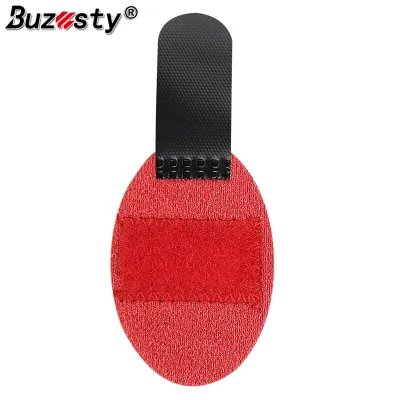
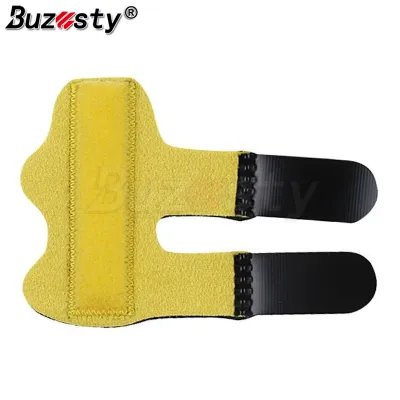
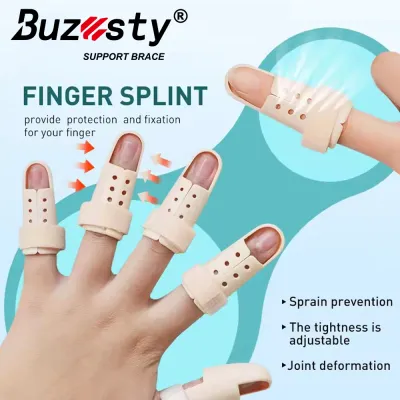
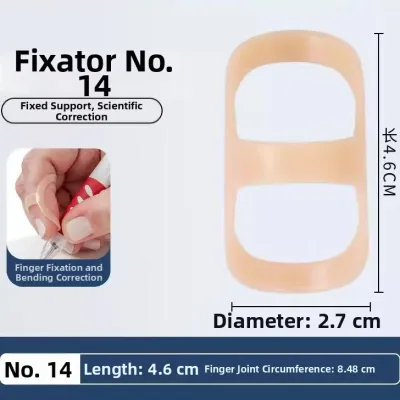
Prices are valid at publication and may change. Please refer to the product page for the latest price.
While self-assessment helps you understand your immediate comfort needs, it cannot replace a professional medical evaluation. Finger anatomy is highly complex, consisting of delicate tendons, ligaments, and small bones that require precise alignment to heal without long-term deformity or loss of function. Before relying on any over-the-counter finger splint support, consult a healthcare professional, such as a doctor or physical therapist. A professional diagnosis ensures you select a splint that matches your specific pathology and prevents you from inadvertently worsening an undiagnosed fracture or tendon rupture.
Understand Common Finger Splint Designs and Uses
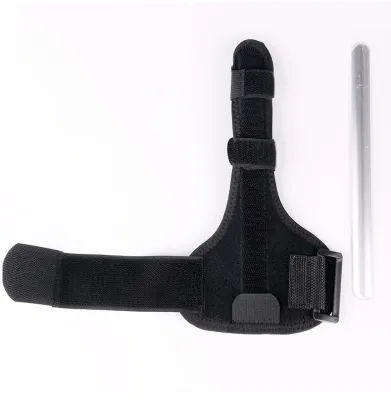
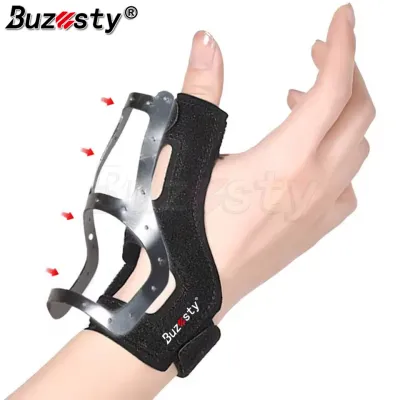
Finger splints come in several distinct designs, each engineered to address specific types of injuries and levels of joint restriction. Rigid splints, often constructed from lightweight aluminum lined with soft foam padding, are designed for maximum immobilization. These splints typically run along the underside or top of the finger, securing with adjustable straps to keep the joint completely straight. They are highly effective for stabilizing moderate sprains, protecting healing fractures, or resting severely inflamed joints where any movement could delay recovery.

For milder injuries or the later stages of rehabilitation, buddy taping or flexible sleeve supports offer a less restrictive alternative. Buddy taping involves securing the injured finger to an adjacent healthy finger, using the stable finger as a natural splint. Modern fabric wraps and elastic sleeves simplify this process, eliminating the need for sticky athletic tape while providing mild compression and lateral stability. This design allows you to maintain a functional range of motion, making it popular for athletes who need light protection without losing their grip.
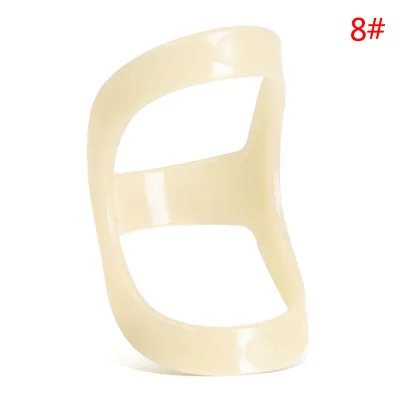
Stack splints and specialized mallet finger splints are molded plastic covers designed specifically to isolate the distal interphalangeal (DIP) joint, which is the joint closest to the fingernail. These splints keep the tip of the finger straight while leaving the middle joint free to bend, allowing you to perform daily tasks while protecting the injured tendon. They are highly targeted tools that must fit precisely over the fingertip to prevent the joint from drooping during the healing process.
When browsing different designs, always verify the manufacturer’s intended use, limitations, and contraindications printed on the product packaging. Some splints are designed strictly for daytime use, while others are optimized for overnight wear. Checking these specifications ensures that the product’s structural design aligns with your recovery protocol and does not introduce unnecessary risks, such as skin maceration or joint misalignment.
Match the Splint to Your Activity Level and Environment
Your daily routine, exercise habits, and local climate play a significant role in determining which finger splint support is most practical for your lifestyle. In warm, humid environments, such as Singapore’s tropical climate, heat and moisture buildup under a splint can quickly lead to skin irritation, fungal infections, or unpleasant odors. If you plan to wear your support during high-intensity sports or throughout a humid day, prioritize materials with high breathability and moisture-wicking properties, such as perforated neoprene or open-weave fabrics.
Waterproof or water-resistant materials are essential if your daily activities or sports involve frequent exposure to water or heavy sweating. Traditional foam-lined aluminum splints can trap water against the skin, leading to skin breakdown if not dried immediately. For water sports, outdoor training, or even daily tasks like washing dishes, molded plastic stack splints or quick-drying synthetic sleeves are highly practical. These materials can be easily wiped dry or washed, maintaining hygiene without requiring you to remove the support for extended periods.
You must also balance the level of joint protection with the physical dexterity required for your daily tasks. An office worker who types for hours may find a bulky, rigid splint highly disruptive, whereas a low-profile sleeve or a targeted DIP joint splint allows them to work comfortably. Conversely, if your activities involve gripping heavy sports equipment, such as tennis rackets or climbing gear, you need a support that protects the joint from sudden impacts without slipping out of place. Evaluate how each splint design interacts with your equipment and daily movements to find a balance between safety and functionality.
Ensure Proper Sizing and Fit for Safe Support
An improperly fitted finger splint can do more harm than good, either by failing to provide adequate stabilization or by restricting blood flow to the extremity. To find the correct size, always refer to the manufacturer’s specific sizing chart and measurement instructions. This process typically involves using a flexible measuring tape to find the circumference of the affected finger joint or measuring the total length of the finger from the base to the tip. Avoid guessing your size based on general glove sizes, as finger proportions vary significantly.
Look for splints that offer adjustable features to customize the fit to your unique hand anatomy. Features such as adjustable hook-and-loop straps, flexible metal cores that can be gently contoured, or semi-flexible plastics allow you to fine-tune the tension. The splint should feel snug and secure, preventing any unwanted movement of the injured joint, but it should never feel painfully tight or constrictive.
Monitoring your finger for signs of an improper or overly tight fit is crucial for preventing tissue damage. Regularly check the fingertip for warning signs such as numbness, tingling, a cold sensation, or visible color changes like turning pale or blue. If you experience any of these symptoms, or if you feel a throbbing sensation under the brace, loosen the straps or remove the splint immediately. A safe fit supports the joint comfortably without compromising your peripheral circulation.
Splint Care, Maintenance, and When to Seek Help
Proper maintenance of your finger splint support is essential for ensuring its structural integrity and protecting your skin from irritation. Always follow the manufacturer’s specific cleaning instructions, as some materials require gentle hand washing with mild soap, while others can be wiped down with disinfectant. Ensure the splint is completely dry before putting it back on; trapping moisture against your skin for extended periods can lead to maceration, itching, and bacterial growth.
Regularly inspect your splint for signs of wear and tear that could compromise its effectiveness. Look for frayed straps, weakened hook-and-loop closures, cracked plastic, or compressed foam padding that no longer cushions the joint. A degraded splint cannot provide the consistent stabilization required for proper healing, meaning it should be repaired or replaced immediately if you notice any structural decline.
Finally, be aware of red-flag symptoms that indicate your injury may require professional medical intervention rather than simple home support. If you experience worsening pain, increased swelling, skin breakdown under the splint, or a complete lack of improvement after several days of use, stop using the support and consult a doctor immediately. These symptoms can indicate a more severe underlying injury, such as a displaced fracture or a complete ligament tear, which requires specialized medical treatment.
Frequently Asked Questions (FAQ)
Can I wear a finger splint while sleeping?
Whether you can safely wear a finger splint while sleeping depends entirely on the nature of your injury and the explicit advice of your healthcare provider. For certain conditions, such as mallet finger or severe sprains, continuous overnight immobilization is critical to prevent accidental bending that could disrupt the healing process. However, sleeping in a splint carries risks, as you cannot actively monitor your circulation. If your doctor recommends overnight wear, ensure the splint is secured snugly but not too tightly, and verify that there are no sharp edges or tight straps that could restrict blood flow as your hand rests.
How long should I wear a finger splint daily?
There is no universal timeframe for daily splint wear, as the duration depends heavily on your specific injury, the stage of your recovery, and your doctor’s instructions. Some acute injuries require 24-hour immobilization for several weeks, while minor sprains may only need support during physical activities or sports. It is vital to balance necessary joint immobilization with prescribed mobility exercises. Keeping a finger completely immobilized for too long can lead to permanent joint stiffness and muscle weakness, so always follow a structured rehabilitation plan provided by a medical professional.
Community discussion
Share your experience or ask a question. Comments are reviewed before publication.