
Selecting the right finger splint support requires balancing the specific nature of your injury with the physical demands of your sport. A splint that is too rigid can hinder your performance in high-dexterity sports like basketball or climbing, while a support that is too flexible may fail to protect a healing ligament or tendon. To make an informed choice, you must evaluate your joint’s stability, understand the structural differences between rigid and flexible designs, and ensure the materials can withstand the moisture and friction of active play.
Assess Your Finger Condition and Sport Demands
Identifying the exact nature of your finger issue is the first step toward selecting an appropriate support. Common athletic finger injuries present distinct observable symptoms that dictate the level of immobilization required. For instance, a jammed finger or mild sprain typically involves localized swelling and tenderness around a joint, but the finger retains its basic structural alignment. In contrast, a tendon injury such as mallet finger—where the tip of the finger droops and cannot be straightened voluntarily—requires continuous, uninterrupted extension to heal. Observing how your finger responds to gentle movement and identifying where the pain is concentrated will help you determine whether you need complete joint immobilization or simple compression.
The physical demands of your sport also heavily influence your choice of finger splint support. Sports that rely on precise grip and tactile feedback, such as tennis, badminton, or rock climbing, require a low-profile support that leaves the palm and adjacent fingers free. If you participate in high-impact ball sports like basketball, netball, or volleyball, your primary concern is preventing hyperextension or lateral deviation when catching or blocking. For contact sports like rugby or martial arts, any protective gear must not only protect your injured joint but also ensure the safety of other players, meaning hard plastic or metal components must be covered or avoided entirely.
Products mentioned in this guide
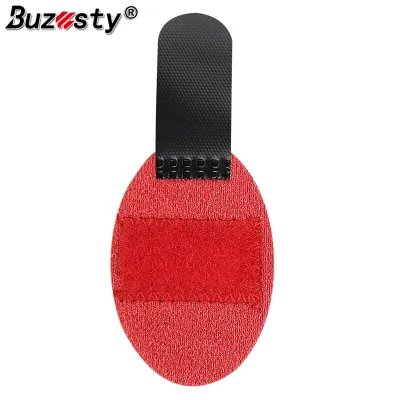
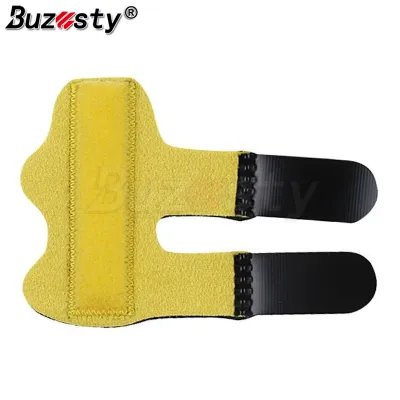
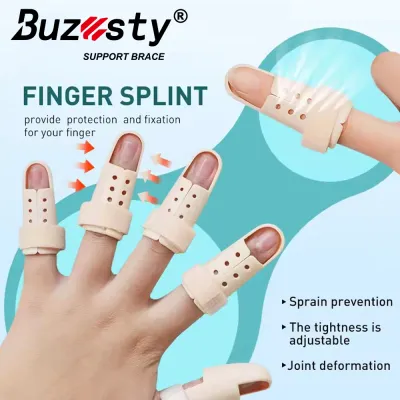
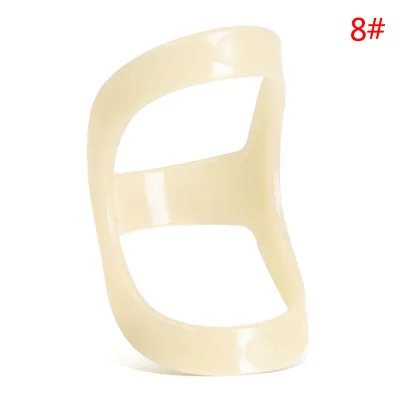
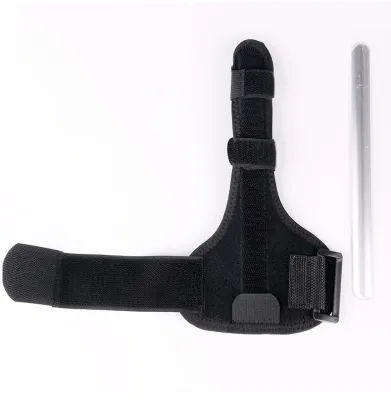
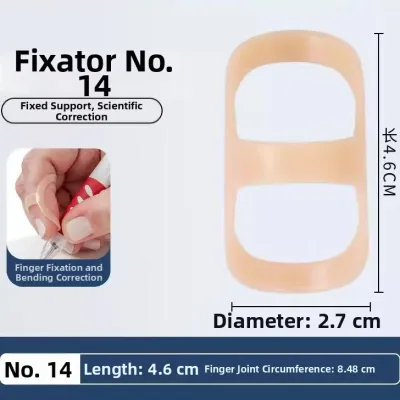
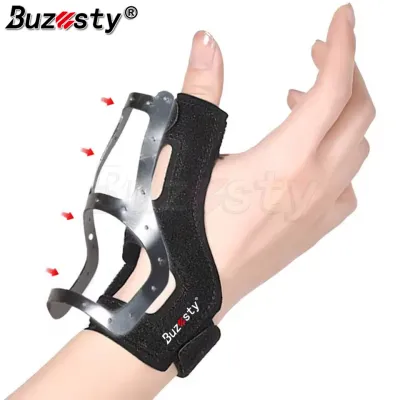
Prices are valid at publication and may change. Please refer to the product page for the latest price.
Environmental factors play a critical role in material selection, particularly in warm, humid climates like Singapore’s. High humidity and intense physical exertion lead to rapid sweat accumulation under any supportive gear. If moisture is trapped against the skin for extended periods, it can cause chafing, skin breakdown, and bacterial growth, which ultimately forces you to stop using the support. Therefore, you must evaluate the ventilation properties of the splint, looking for perforated designs, moisture-wicking fabrics, or open-frame structures that allow air to circulate freely around the injured digit.
Compare Finger Splint Types and Materials
Navigating the wide array of finger splint supports on the market requires a systematic approach to product specifications. Rather than assuming one design fits all situations, you must compare the structural mechanisms and material compositions of each option against your specific activity profile. Before making a purchase, always check the manufacturer’s product labels and user manuals to verify the intended level of support, sizing charts, and any specific sport limitations.

Rigid vs. Flexible Designs
Rigid finger splints are designed to eliminate movement entirely at the affected joint, providing maximum protection during the initial phases of recovery. These supports typically utilize aluminum stays, hard plastic shells, or molded resins to keep the finger in a fixed, safe position. Rigid designs are highly indicated for suspected fractures, severe ligament tears, or tendon ruptures where any bending could disrupt the healing tissue. However, the trade-off is a complete loss of dexterity in that digit, which can significantly limit your ability to handle equipment, grip a racket, or control a ball during active play.
Flexible finger splints, often made of neoprene, elastic knit, or silicone, focus on compression, warmth, and mild lateral support rather than total immobilization. These sleeves and wraps allow a controlled range of motion, making them highly suitable for mild sprains, chronic joint stiffness, or the late stages of rehabilitation when you are transitioning back into your sport. While flexible designs do not offer enough protection for an unstable joint or a fresh tendon tear, they enhance proprioception—your body’s awareness of joint position—which helps prevent minor re-injury without sacrificing your grip or ball-handling feel.
Hinged vs. Non-Hinged and Material Considerations
Hinged finger splints offer a middle ground by allowing natural bending (flexion and extension) while preventing painful sideways movement (lateral deviation) or hyperextension. These designs are particularly useful for athletes who need to maintain a functional grip, such as golfers or racket sports players, but require structural reinforcement to protect recovering collateral ligaments. Non-hinged alternatives, such as simple compression sleeves or buddy taping straps, offer less mechanical reinforcement but are exceptionally low-profile, making them easy to wear under gloves or during high-speed contact sports.
When evaluating materials, prioritize those that balance durability with skin comfort during prolonged athletic use. Neoprene provides excellent compression and heat retention, which can soothe aching joints, but it can become hot and sweaty in humid conditions. Look for advanced alternatives like perforated neoprene, breathable spacer fabrics, or hypoallergenic silicone that grip the skin securely without trapping moisture. If you have sensitive skin or a history of contact dermatitis, check product labels to ensure the splint is latex-free and features smooth, flat-locked stitching to prevent friction burns during repetitive movements.
Measure and Fit Your Finger Splint Correctly
A finger splint support can only perform its protective function if it fits your hand precisely. An ill-fitting splint can slip off during high-impact movements, fail to stabilize the joint, or worse, restrict blood circulation and cause nerve compression. To find your correct size, consult the manufacturer’s sizing guide, which typically requires measuring two key areas: the circumference of the affected finger joint using a flexible measuring tape, and the overall length of the finger from the base to the tip. Do not rely on general glove sizes, as finger proportions vary widely between individuals.
When fitting the splint, you must actively monitor for observable signs of a proper fit versus a fit that is dangerously tight. A correctly fitted splint should feel snug and secure, staying firmly in place when you shake your hand or mimic your sport’s grip. However, if you experience throbbing, tingling, numbness, or if your fingernail bed turns pale or blue, the splint is too tight and is restricting your blood flow. Remove or loosen the support immediately to prevent tissue damage, and readjust the fastening mechanisms to achieve a secure but comfortable tension.
Most modern athletic splints feature adjustable hook-and-loop straps, moldable aluminum stays, or tension dials that allow you to customize the fit. When adjusting these components, always refer to the product’s instruction manual to ensure you are applying tension in the correct direction. For splints with dual straps, secure the strap closest to the palm first to anchor the support, then adjust the distal strap near the fingertip. Ensure that any rigid stays are aligned perfectly with the sides or back of your finger, as misalignment can apply uneven pressure to the joint and lead to painful pressure points during play.
Match Splint Features to Specific Sports
Matching your splint’s physical profile to the specific mechanics of your sport is essential for maintaining both safety and performance. In ball-handling sports like basketball, netball, or handball, a bulky splint can interfere with your shooting release, passing accuracy, and catching ability. For these activities, a low-profile buddy-taping strap or a slim, flexible compression sleeve with integrated lateral stays is often the most practical choice. These designs protect the joint from lateral impacts when contesting a ball while preserving your natural hand-to-ball contact.
For racket sports, golf, or cycling, your primary concern is how the splint affects your grip torque and handle feedback. A thick, rigid splint on the palm side of your finger can prevent your hand from closing fully around a racket handle or handlebar, leading to hand fatigue and a compromised grip. In these scenarios, look for splints that place the rigid support elements exclusively on the back (dorsal) or sides (lateral) of the finger, leaving the palm side clear. This configuration allows your finger pads to make direct contact with the grip tape, ensuring you maintain full control over your equipment.
High-risk and high-friction sports like rock climbing, gymnastics, or martial arts demand specialized considerations where equipment cannot replace proper training and technique. In climbing, the immense forces placed on the fingers mean that a splint should only be used to protect a recovering joint during light, controlled training, never as a tool to bypass pain on high-risk, dynamic moves. Equipment cannot replace proper training, technique, and sound athletic judgment. For martial arts or rugby, soft, low-profile wraps without exposed hard plastic or metal are mandatory to prevent injuring your training partners or opponents. If your sport involves water or heavy sweat, such as dragon boating or outdoor running in Singapore’s tropical climate, verify that the splint features quick-drying synthetic fibers and a non-slip silicone interior lining to prevent the support from sliding off when wet.
Safety Limits and When to Seek Professional Care
While a finger splint support is an excellent tool for managing minor athletic injuries, it is critical to recognize the limits of self-care. Certain observable symptoms, known as red flags, indicate a severe injury that requires immediate medical evaluation before you attempt to apply any splint. If your finger exhibits an obvious deformity, if the bone is exposed or suspected of being fractured, or if you experience severe, unmanageable pain, seek professional medical care immediately. Additionally, if your finger feels cold to the touch, looks pale or blue, or has lost sensation, these are signs of compromised circulation or nerve damage that require urgent attention.
It is vital to understand that a finger splint is strictly a supportive aid designed to protect a joint during recovery; it cannot replace a professional medical diagnosis, targeted physical therapy, or surgical intervention when required. Attempting to self-treat a complete tendon rupture or an unstable joint fracture with an over-the-counter splint can lead to permanent deformity, chronic stiffness, and long-term loss of hand function. A qualified healthcare professional, such as a hand therapist or sports physician, can provide a precise diagnosis and outline a comprehensive rehabilitation plan to restore your strength and range of motion safely.
Finally, establish clear stop conditions for your splint usage to protect your long-term hand health. If your pain worsens while wearing the splint, if you notice persistent skin irritation or swelling that does not subside, or if your joint feels increasingly unstable, stop using the support immediately. Do not attempt to push through pain or discomfort under the assumption that the splint will eventually work. Consult a healthcare provider to re-evaluate your injury, adjust your treatment plan, and ensure that your return to sport is both safe and sustainable.
Frequently Asked Questions (FAQ)
Can I wear a finger splint support while sleeping?
Whether you can wear a finger splint support while sleeping depends entirely on your specific injury phase and the manufacturer’s guidelines. For conditions like mallet finger or acute tendon repairs, continuous 24-hour splinting—including during sleep—is often required to prevent the tendon from re-rupturing. However, for general sprains or recovery phases, sleeping without a splint allows the skin to breathe and prevents unnecessary joint stiffness. Always check your product’s manual and consult a healthcare provider to determine if nighttime wear is appropriate for your recovery stage, and ensure the straps are loosened slightly to prevent circulation issues while you sleep.
How do I clean and maintain my finger splint?
To preserve the structural integrity and hygiene of your finger splint, always follow the specific washing and drying instructions printed on the product label. As a general rule, hand-wash the splint in cold water using a mild, hypoallergenic soap to remove sweat, dirt, and oils. Avoid using bleach, fabric softeners, or harsh chemical cleaners, as these can degrade elastic fibers, weaken hook-and-loop fasteners, and irritate your skin during subsequent use. Always allow the splint to air-dry completely in a shaded, well-ventilated area; never use a clothes dryer, radiator, or direct sunlight, as high heat can warp plastic shells, melt adhesives, and ruin the elasticity of the fabric.
Community discussion
Share your experience or ask a question. Comments are reviewed before publication.