
Choosing the right fishing hook size and shape for your first trip comes down to matching your gear to the size of your bait, the mouth structure of your target fish, and your chosen fishing method. For beginners, selecting the correct hook ensures that fish can take the bait naturally and that you can achieve a secure hookset without damaging the fish unnecessarily. By understanding a few basic principles of hook design and sizing, you can confidently step into any tackle shop and select the perfect gear for your angling adventure.
While the sheer variety of hooks on display can be intimidating, they all serve the same fundamental purpose: holding your bait and securing your catch. Making the wrong choice can lead to missed bites, lost fish, or deeply swallowed hooks that make safe release impossible. This guide breaks down everything you need to know to make an informed decision for your first outing.
Understanding Fishing Hook Anatomy and Sizing Systems
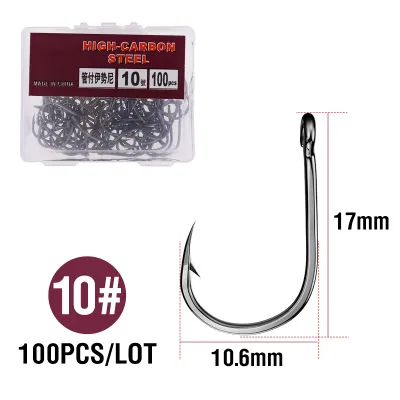
To choose the right hook, you must first understand its physical components and how manufacturers label them. Every hook consists of five primary parts: the eye, the shank, the bend, the point, and the barb. The eye is the loop where you tie your fishing line, which can be straight, upturned, or downturned. The shank is the straight section of the hook that determines its overall length, leading down to the bend, which is the curved section. The bend terminates at the point, which is the sharp tip designed to penetrate the fish’s mouth, often featuring a backward-facing barb to prevent the hook from slipping out.
Products mentioned in this guide
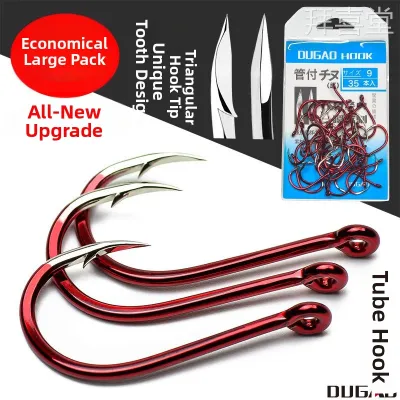
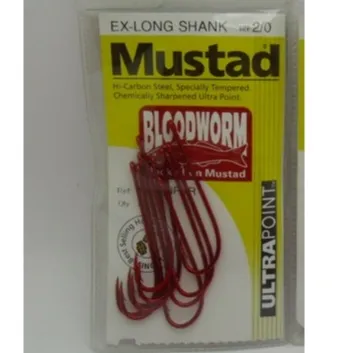
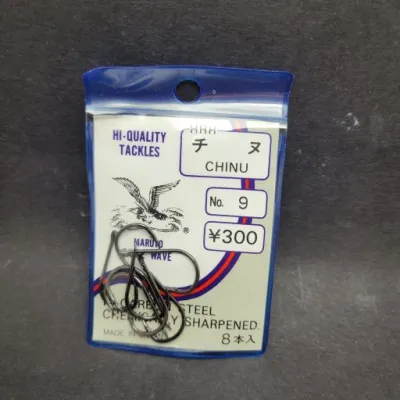
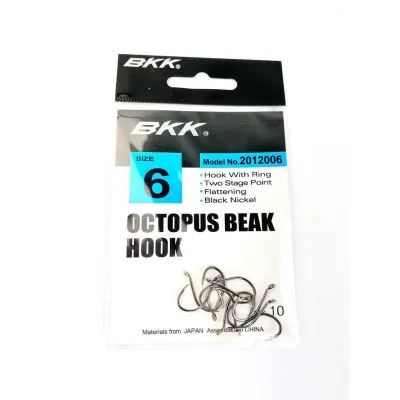
Prices are valid at publication and may change. Please refer to the product page for the latest price.
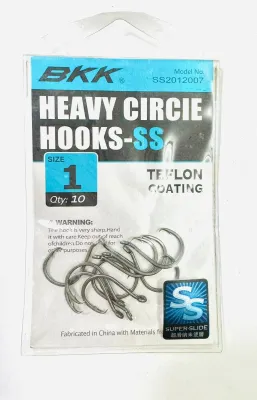
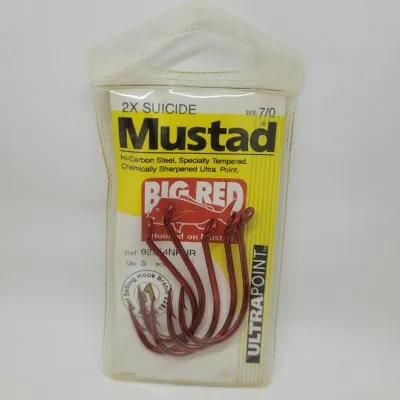
Understanding hook sizing requires grasping a dual-scale system that can initially seem counterintuitive. For smaller hooks, the sizing system uses standard numbers where a higher number represents a smaller hook. For example, a size 12 hook is very small and ideal for tiny baits, while a size 1 hook is much larger. Once hooks progress past size 1, they transition to the “aught” system, written as a number followed by a slash and a zero (e.g., 1/0, 2/0, 3/0). In this system, the scale reverses: the higher the number before the slash, the larger the hook. A 5/0 hook is significantly larger than a 1/0 hook and is typically reserved for large coastal species.
Another critical factor to consider is the wire gauge, which refers to the thickness of the metal wire used to make the hook. Fine-wire hooks are lightweight and thin, allowing delicate live baits to swim naturally and penetrating easily with minimal rod pressure. However, they can bend or straighten under the strain of a heavy fish. Heavy-wire hooks are much thicker and stronger, designed to withstand powerful runs and heavy drag settings, though they require a more forceful hookset to penetrate.
Matching Hook Shapes to Your Fishing Method
Different fishing techniques require specific hook shapes to maximize your chances of a successful catch. The classic J-hook is shaped like the letter “J” and is highly versatile for active fishing styles. When using a J-hook, you must actively set the hook by pulling upward on your fishing rod the moment you feel a fish bite. This style is excellent for active bait presentations and situations where you want immediate control over the hookset.

Circle hooks feature a distinct shape where the point curves sharply back toward the shank at a right angle. These hooks are designed for passive bait fishing, where you leave the rod in a holder or wait without actively striking. When a fish swallows the bait and swims away, the circle hook slides out of the throat and catches perfectly in the corner of the mouth. This mechanism significantly reduces the chances of deep-hooking the fish, making circle hooks the preferred choice for catch-and-release angling.
Treble hooks consist of three separate bends and points forged together onto a single shank. These are most commonly found pre-rigged on artificial lures like hard plastic minnows or metal spoons. Treble hooks offer a high hookup rate because they present points from multiple angles, but they are more prone to snagging on underwater structures like rocks or vegetation. They can also cause more tissue damage, making them less suitable for conservation-minded fishing.
When choosing your hooks, you must also decide between barbed and barbless options. Barbed hooks hold bait securely and keep fish attached during long fights, but they are difficult to remove and can cause significant injury to both the fish and the angler in the event of an accident. Barbless hooks, or hooks with the barbs pinched flat, penetrate much more easily and allow for quick, stress-free releases. Many managed fishing parks and conservation areas mandate the use of barbless hooks to protect local fish populations.
Selecting Hook Sizes for Common Local Fish Species
As a general rule, your hook size should match the size of the bait you are using and the physical dimensions of the target fish’s mouth. A hook that is too large will prevent small fish from taking the bait, while a hook that is too small may be swallowed too deeply or fail to find purchase in a larger fish’s jaw. Adjusting your selection based on your target species is key to a productive trip.
If you are targeting freshwater species like Tilapia in local reservoirs or ponds, you will need to scale down your gear. Tilapia have relatively small mouths and are highly cautious feeders that easily spot heavy tackle. For these fish, smaller J-hooks ranging from size 6 to size 10 are ideal. Using fine-wire hooks in these sizes allows you to present small baits like dough, pellets, or earthworms naturally without spooking the fish.
For larger coastal or estuary species like Seabass, which are known for their aggressive strikes and powerful runs, you must step up to stronger tackle. Seabass have large, bony mouths and can easily crush or bend light-wire hooks. A robust J-hook or circle hook in sizes ranging from 1/0 to 3/0 is highly recommended. These larger sizes provide the structural integrity needed to handle heavy runs and ensure the hook point can penetrate the tough jaw tissue.
Your choice of bait also dictates the size and style of the hook you should use. When fishing with live prawns, a wide-gap hook is essential to allow the prawn to swim naturally while keeping the point exposed. If you are using cut bait, such as pieces of fish or squid, a sturdy shank with bait-holder barbs along the back will help keep the bait from sliding down and bunching up on the bend. For artificial soft plastics, specialized offset worm hooks are designed to keep the lure weedless as it moves through underwater structure.
Building a Versatile Beginner Hook Kit
To avoid feeling overwhelmed or overspending at the tackle shop, you should focus on building a simple, versatile starter kit. A well-rounded beginner kit does not require dozens of different hook styles; instead, it should feature a select range of sizes that cover both light freshwater and basic coastal scenarios. Having a few reliable options on hand ensures you are prepared for changing conditions at the water’s edge.
For a highly functional starter kit, consider acquiring the following items:
- Size 8 J-hooks: Perfect for light freshwater fishing targeting Tilapia or small ornamental species.
- Size 1 J-hooks: A highly versatile mid-sized option suitable for general bait fishing in both fresh and saltwater.
- Size 2/0 circle hooks: Ideal for coastal bait fishing, targeting larger species while ensuring safe corner-of-the-mouth hooksets.
Proper storage is essential to keep your hooks in top condition and prevent accidents. Invest in a small, compartmentalized plastic tackle box with secure latches. Keeping your hooks organized by size and style prevents them from tangling into a frustrating clump. More importantly, keeping them dry prevents rust, which can quickly ruin sharp points and weaken the metal structure.
Before finalizing your kit and heading out, always check the specific regulations of your chosen fishing spot. Some public reservoirs, nature parks, and commercial payponds have strict rules regarding hook configurations. These can include limits on the number of hooks per line, mandatory barbless hook requirements, or complete bans on treble hooks to protect local wildlife and maintain sustainable fisheries.
Rigging, Handling, and Safety Checks
Before you cast your line, performing a quick inspection of your gear can mean the difference between landing a fish and experiencing a frustrating break-off. Always inspect your hook points for dullness, rust, or structural damage before tying them on. A hook that has scraped against rocks or seabed debris can easily lose its sharp tip, preventing it from penetrating a fish’s mouth effectively.
Safe handling is paramount when working with sharp hooks, especially when dealing with a thrashing fish. Always carry a pair of long-nose pliers in your tackle bag. Pliers provide the leverage needed to safely remove hooks from a fish’s mouth without placing your fingers near sharp teeth or thrashing hook points. They are also invaluable for quickly pinching down barbs if you need to convert a barbed hook to a barbless one on the fly.
Connecting your hook securely to your line requires matching your knot to the hook’s eye configuration. For hooks with straight eyes, classic knots like the Palomar knot or the Improved Clinch knot provide exceptional strength and are easy for beginners to tie. If you are using hooks with upturned or downturned eyes, learning to tie a Snell knot is highly beneficial, as it wraps directly around the shank to ensure the hook pulls straight during a hookset.
Knowing when to retire a hook is just as important as knowing how to rig it. If a hook becomes visibly bent out of shape during a fight, do not attempt to bend it back, as this severely weakens the metal and increases the risk of breakage on your next fish. Heavily rusted hooks or those with severely blunted points that cannot be easily touched up with a hook file should be discarded safely. Place compromised hooks in a sealed container before throwing them away to prevent injury to sanitation workers or wildlife.
Frequently Asked Questions (FAQ)
Do I need to pinch the barbs on my fishing hooks?
Pinching the barbs on your hooks is highly recommended for beginners, as it makes hook removal significantly easier and safer for both you and the fish. Using barbless hooks greatly reduces the handling time and stress experienced by the fish during release, improving its chances of survival. Additionally, if you accidentally hook yourself or a companion, a barbless hook can be removed with minimal pain and tissue damage. You can easily pinch barbs flat using a pair of long-nose pliers by applying firm, steady pressure to the barb until it sits flush against the hook wire.
How can I tell if a fishing hook is too dull to use?
A simple and reliable way to test a hook’s sharpness is the thumbnail test. Gently drag the point of the hook across the flat surface of your thumbnail using only the weight of the hook itself. If the point slides smoothly across your nail without catching, it is too dull to use and needs to be sharpened or replaced. A sharp hook will immediately dig in and scratch or stick to the nail with minimal pressure. You should also visually inspect the point for any rolled tips, rust spots, or blunting caused by contact with hard underwater structures.
Community discussion
Share your experience or ask a question. Comments are reviewed before publication.