
Choosing the correct weight is one of the most critical decisions you will make before casting your line. To select the right option, you must match its shape and mass to your target water depth, current speed, and the specific behavior of the fish you want to catch. A weight that is too heavy will drag along the bottom, snagging on debris and tearing your line, while a weight that is too light will drift aimlessly in the current, keeping your bait far from the strike zone. By understanding how different weights interact with water currents and underwater structures, you can confidently rig your line for any environment, from calm inland reservoirs to fast-moving coastal tides.
The term fishing weight—often referred to by anglers as a sinker—encompasses a vast array of shapes, sizes, and materials. As a beginner, building a foundational understanding of these tools allows you to present your bait naturally, feel subtle bites, and avoid the frustration of lost tackle.
Why Your Fishing Weight Choice Dictates Your Success
A fishing weight serves several essential roles beyond simply pulling your hook underwater. First, it provides the necessary ballast to achieve casting distance, allowing you to reach distant channels, deep pools, or specific structures where fish congregate. Second, it controls the sink rate of your bait, which is crucial when target species are holding at a specific depth in the water column. Third, it keeps your presentation anchored in the target zone against wind and water movement, ensuring your bait remains where fish are actively feeding. Finally, the correct weight ensures a natural presentation; it allows live bait to swim realistically or lures to mimic injured prey without looking stiff or suspended.
Products mentioned in this guide
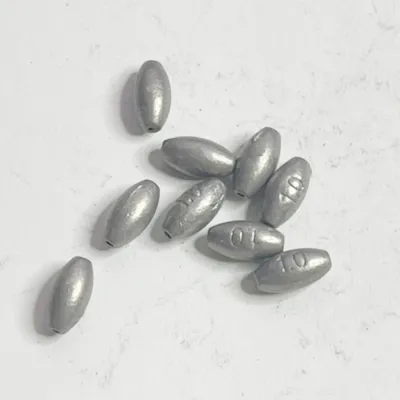
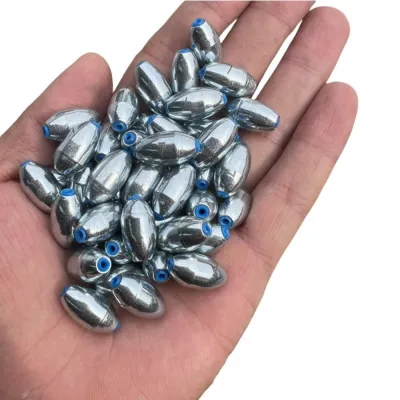
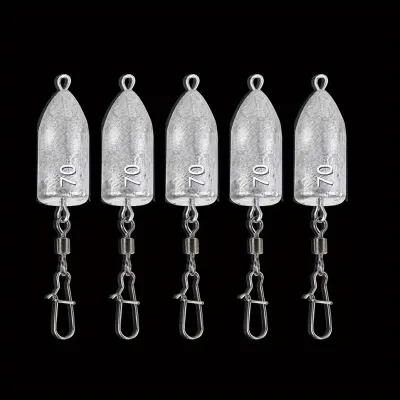
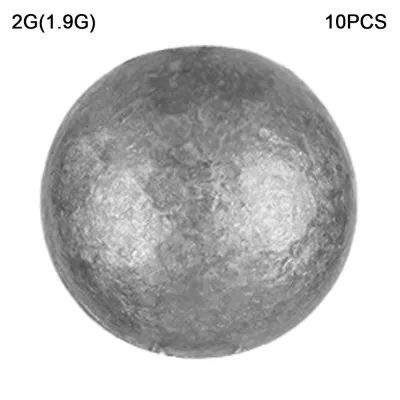
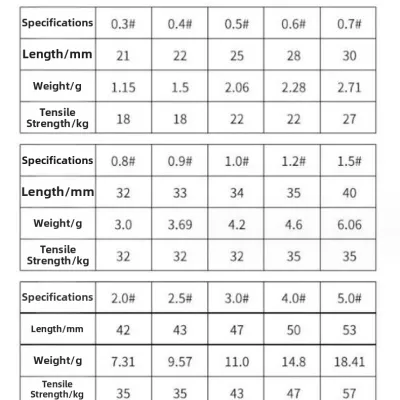
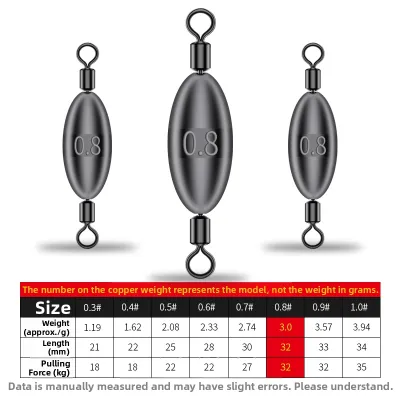
Prices are valid at publication and may change. Please refer to the product page for the latest price.
Using the wrong weight size or shape quickly disrupts this delicate balance. If your sinker is too heavy, its rapid descent can spook cautious fish, and its bulky profile can create unnatural resistance when a fish attempts to swallow the bait. Heavy, blunt weights are also highly prone to getting wedged in rocky crevices or tangled in submerged vegetation, leading to lost rigs and wasted time. Conversely, an underweighted rig will bow in the wind or sweep away in a current, preventing you from maintaining a tight line and making it nearly impossible to detect when a fish bites.
Successful anglers view weight selection as an ongoing, dynamic process rather than a static decision. Water conditions can change rapidly within a single fishing session due to rising tides, shifting winds, or opening canal gates. You must remain observant, constantly evaluating how your rig behaves in the water and preparing to swap out your weight as the environment demands.
Choosing Your Fishing Weight: Common Types and When to Use Them
The physical shape of a fishing weight determines how it moves through the water column and how it behaves when it contacts the bottom. Hydrodynamic designs are engineered to slide through thick weeds or cut through heavy currents, while flat or angular designs are meant to grab the substrate and stay put. Understanding these design differences helps you select the right tool for your specific rig and prevent unnecessary snags.

When building your first tackle box, you do not need to carry every specialty sinker on the market. Instead, focus on a few versatile styles that cover the most common fishing scenarios. By matching the weight’s shape to the underwater terrain, you can significantly reduce tackle loss and improve your bait’s presentation.
Split Shot and Pinch-On Weights
Split shot weights are small, round pellets with a split down the middle, allowing them to be crimped directly onto your fishing line. They are incredibly versatile for fine-tuning your presentation, as they can be added or removed quickly to adjust to minor changes in depth or current.
To attach a split shot, place your fishing line inside the groove and gently squeeze the pellet closed using specialized split shot pliers. To remove or reposition it, press the small ears on the back of the shot to open the split. Avoid using your teeth to crimp or open lead weights, and be careful not to squeeze too hard, as excessive pressure can pinch and weaken the core of your monofilament or fluorocarbon line.
These weights are ideal for light-line setups, such as float fishing in calm ponds or adding a tiny amount of ballast to keep a live shrimp or worm swimming naturally near the bottom. They are also perfect for micro-adjusting the sink rate of lightweight soft plastic lures without altering their built-in swimming action.
Egg and Bullet Weights
Egg and bullet weights are designed with a hollow core running through the center, allowing your main line to slide freely through the weight. This sliding action is the foundation of highly effective bottom-fishing setups like the Carolina rig and the Texas rig.
The primary benefit of a sliding rig is that when a fish takes your bait, the line slips through the stationary weight. Because the fish does not feel the immediate resistance of a heavy sinker, it is much more likely to hold onto the bait longer, giving you ample time to detect the bite and set the hook.
The streamlined, tapered shape of bullet weights allows them to slip easily through thick underwater grass, weeds, and submerged branches without snagging. Egg weights, with their smooth, rounded profiles, roll gently over gravel and rocks, making them excellent choices for sandy or moderately rocky bottoms where a fixed weight might easily get stuck.
Pyramid and Bank Weights
When you need to keep your bait anchored firmly in one spot despite strong currents or crashing waves, fixed bottom-fishing weights are the standard choice. These weights feature built-in brass loops or molded eyes at the top, allowing you to tie them securely to the end of your rig.
Pyramid weights are shaped like inverted pyramids. When they land on a sandy or muddy bottom, the flat sides resist rolling, and the pointed tip digs into the sediment as the current pulls on the line, effectively anchoring your rig in place. They are the go-to choice for surf fishing and high-flow coastal areas.
Bank weights, which feature a teardrop or egg-like shape with flat sides, are better suited for general bottom fishing over rocks or moderate currents. Their rounded edges allow them to bounce along the bottom more easily than a pyramid weight, making them ideal when you want your bait to drift slowly with the current rather than stay completely stationary.
Because these weights are fixed to your line, they can cause significant line twist as they spin in moving water. To prevent this, always use a high-quality barrel swivel or a three-way swivel in your rigging to isolate the weight’s rotation from your main fishing line.
How to Select the Right Weight Size for Your Conditions
Choosing the correct weight size is a balancing act that requires observing your immediate environment. Rather than relying on rigid weight charts, you should learn to read the water and adjust your setup dynamically using a few practical guidelines.
- Water Current: The golden rule of weight selection is to start as light as possible and only add weight when necessary. When fishing in moving water, cast your rig out and watch your line. If your line quickly bows downstream and your rod tip bounces erratically, your weight is dragging along the bottom or suspended mid-water, indicating you need a heavier sinker. Ideally, your weight should hold the bottom securely, keeping your line relatively straight with only a slight bend in your rod tip.
- Water Depth: Deep water requires heavier weights to ensure your bait reaches the strike zone quickly. If you use a weight that is too light in deep water, the slow descent allows small, bait-stealing fish near the surface to tear your bait apart before it ever reaches the larger target species on the bottom. A heavier sinker cuts through the upper water layers rapidly, delivering your bait intact to the bottom.
- Casting Distance and Wind: Strong winds can catch your fishing line mid-air, creating a massive bow that severely limits your casting distance and ruins your sensitivity. In windy conditions, upgrading to a heavier, more aerodynamic weight—such as a bullet or bank sinker—helps cut through the breeze, allowing you to maintain casting accuracy and keep direct contact with your rig once it hits the water.
- Target Species Sensitivity: Many popular fish species are highly cautious and will drop a bait the moment they feel unnatural resistance. For sensitive or slow-biting fish, you must use the absolute lightest weight that still allows you to reach your target zone and hold the bottom. This minimizes the weight's presence, ensuring a natural drift and a subtle, convincing presentation that does not alarm wary fish.
Matching Weights to Local Reservoirs and Coastal Spots
To apply these principles effectively, you must adapt your tackle choices to the specific environments you plan to fish. In urban tropical environments like Singapore, fishing spots generally fall into two distinct categories, each requiring a completely different approach to weight selection.
Before heading out, always research the specific rules of the water body you are visiting. Many managed reservoirs, nature parks, and coastal areas have strict guidelines regarding permitted tackle, fishing zones, and bait types to protect local ecosystems.
Calm Reservoirs and Canals
Inland reservoirs and urban canals typically feature still or very slow-moving fresh water. The bottom of these water bodies is often covered in soft mud, decaying organic matter, and submerged structures like tree branches or concrete debris.
For these environments, heavy weights are highly counterproductive. A heavy sinker will plunge deep into the soft mud, burying your bait out of sight and making it invisible to fish. Heavy weights are also much more likely to wedge themselves into canal debris or submerged rocks.
Instead, opt for light split shots or small bullet weights ranging from 1.5 grams to 7 grams (approximately 1/16 to 1/4 ounce). These lightweight options allow your bait to settle gently on top of the mud or drift naturally down the canal walls, providing a clean, highly visible presentation that appeals to freshwater species.
Coastal Jetties and Tidal Areas
Coastal fishing spots, such as jetties, breakwaters, and sandy beaches, present a much harsher environment. These saltwater locations are subject to strong tidal currents, deep shipping channels, and constant wave action that can easily sweep light tackle away.
To hold your bait in place along the coast, you will need significantly heavier weights, typically ranging from 28 grams to over 85 grams (1 to 3 ounces or more). Pyramid weights are highly effective on sandy coastal bottoms, while heavy bank or egg sinkers are preferred around rocky jetties where you want to drop your bait straight down into deep holes.
Be aware that many coastal parks and marine reserves have strict regulations designed to protect delicate marine life and artificial reef structures. Using excessively heavy weights that drag along the bottom can damage marine growth or lead to frequent snags on protected reefs, so always verify local park rules before rigging up.
Step-by-Step: Rigging and Testing Your Weight Setup
Once you have selected the appropriate weight type and size, assembling and verifying your rig correctly ensures peak performance and prevents line breakage. Follow these steps to prepare your setup before casting into your target zone.
- Gather the Necessary Tools: Before you begin, ensure you have a pair of specialized split shot pliers and a sharp line cutter. Avoid using standard household pliers or your teeth to crimp weights, as these can easily crush the core of your fishing line, creating weak spots that will snap under the tension of a big fish.
- Attach the Weight Securely: If you are using a sliding weight like an egg or bullet sinker, thread your main line through the center of the weight first. Next, slide on a small plastic bead to protect your knot from the constant impact of the sliding weight, then tie your line to a barrel swivel. Finally, tie a leader line with your hook to the opposite end of the swivel. For split shots, place the line in the groove and crimp gently with your pliers, ensuring the weight is snug enough not to slide but not so tight that it flattens the line.
- Perform the Shallow Water Drop Test: Before making a full cast, perform a quick drop test in shallow, clear water right at the water's edge. Drop your rig in and observe how it behaves. Does the weight sink at a natural rate? Does the bait flutter realistically, or is it pinned awkwardly to the bottom? If the presentation looks unnatural, adjust your weight size or position before casting out.
- Make On-the-Water Adjustments: As you fish, pay close attention to your rod tip and line tension. If you feel your line constantly dragging or if you cannot feel the bottom at all, do not hesitate to make adjustments. Swap to a lighter weight if your bait is getting buried in mud, or add a small split shot if a rising tide starts pushing your rig out of the target zone.
Frequently Asked Questions (FAQ)
Can I use the same fishing weights for both freshwater and saltwater?
Yes, you can use the same weights, but you must pay close attention to material corrosion. While traditional lead weights are highly resistant to rust, they can oxidize over time, and associated steel loops or swivels will corrode rapidly in saltwater. If you plan to fish in saltwater regularly, consider using weights made of brass, steel, or tungsten, which offer excellent durability. Regardless of the material, always thoroughly rinse all of your tackle—including weights, hooks, and swivels—with fresh water after every saltwater trip to prevent rust and prolong the life of your gear.
Are lead fishing weights banned or restricted in local waters?
Yes, lead tackle is subject to restrictions in many areas globally, including specific nature reserves, reservoirs, and managed parks, due to the toxic threat it poses to water quality and wildlife when lost. Water birds and marine animals can ingest lost lead weights, leading to fatal poisoning. To ensure you are fishing legally and ethically, always check the specific tackle guidelines of the reservoir or coastal park you are visiting. Keeping non-toxic alternatives like tungsten, steel, or tin weights in your tackle box is an excellent way to stay compliant with local regulations while protecting the environment.
Community discussion
Share your experience or ask a question. Comments are reviewed before publication.