
Selecting the right float for kids requires a careful match between the device and your child’s age, weight, and current swimming ability. While these colorful swimming aids can help build confidence in the water, it is vital to remember that recreational floats are not life-saving devices. They cannot replace active, undistracted adult supervision. Choosing the wrong type of float or relying on it for safety can create a false sense of security, putting young swimmers at risk in the pool.
Understanding Water Safety and Flotation Limits
To keep your child safe, you must first understand the difference between recreational water toys and certified personal flotation devices (PFDs) or life jackets. Recreational floats, such as inflatable rings, arm bands, and ride-on toys, are designed solely for play and water familiarization. They are not built to keep a child’s head above water automatically if they lose consciousness or slip. In contrast, certified PFDs undergo rigorous testing to ensure they provide reliable buoyancy and keep the wearer in a safe floating position.
Regardless of the flotation aid your child uses, “touch supervision” is a non-negotiable safety standard. This means an adult must remain within arm’s reach of the child at all times, keeping their eyes on the water without distractions like phones or books. Flotation aids should only be viewed as temporary tools to help children practice kicking, balance, and water comfort. They are never a substitute for formal swimming lessons, water safety training, or the development of independent swimming skills.
Products mentioned in this guide
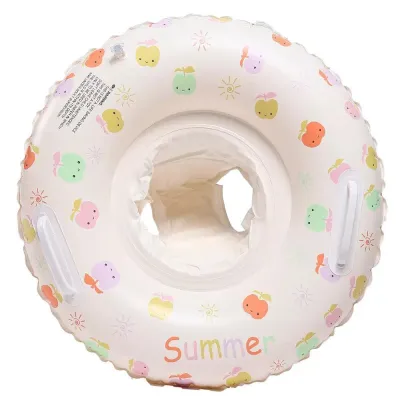
![[SG Stock] Inflatable Float Ring Kids 2-9 Years 5-25KG Swimming Floatie Pool Swim Safety Vest Jacket Baby Play Toy](https://img.lazcdn.com/g/p/4cda60f853c3e5e2faf635934e31b018.jpg_400x400q80.jpg_.webp)
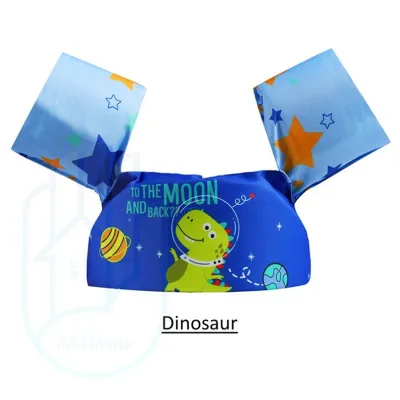
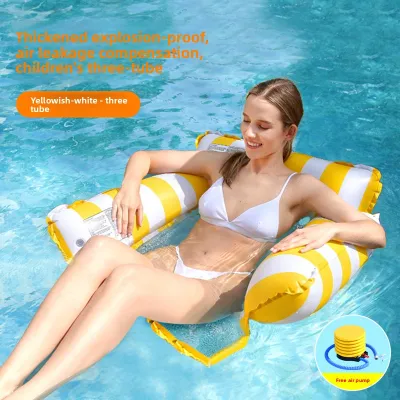
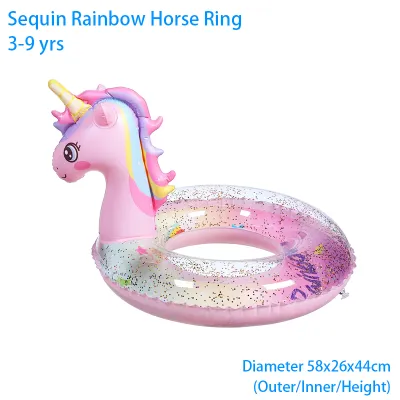
Prices are valid at publication and may change. Please refer to the product page for the latest price.
Matching Float Types to Age and Skill Level
Finding the right flotation aid involves assessing your child’s physical development and water confidence. Rather than relying solely on age, you should evaluate how well your child can control their head, maintain balance, and follow instructions in the water. Transitions between different float types must always be guided by demonstrated water competence and the manufacturer’s strict weight limits.

Swim Vests and Puddle Jumpers
Swim vests and torso-supporting floats, often referred to as puddle jumpers, are ideal for toddlers and early beginners who are still developing basic water confidence. These devices wrap around the child’s chest and often include arm sleeves, helping them maintain an upright, stable posture in the water. When choosing a swim vest, always check for secure strap systems, adjustable chest bands, and heavy-duty buckles that prevent the child from slipping out of the bottom of the vest.
While these vests provide excellent stability and keep the child’s head well above the surface, they do have limitations. The bulky design around the chest and shoulders can restrict natural arm movement. This restriction makes them less ideal for older children who are ready to practice actual swimming strokes, as they encourage a vertical hanging position rather than the horizontal body alignment needed for swimming.
Arm Bands and Water Wings
Arm bands, commonly known as water wings, are classic inflatable bands worn on the upper arms. They are best suited for preschoolers and novice swimmers who have already developed basic head control and are beginning to practice kicking and horizontal balance. When shopping for arm bands, look for dual-chamber designs, which feature two separate inflation compartments per arm to ensure some buoyancy remains if one chamber is punctured.
A secure, snug fit is essential to prevent the bands from slipping off wet skin when the child jumps or splashes. However, arm bands do not support the child’s head or torso directly. If a child tires or panics, arm bands will not automatically keep their face out of the water. Consequently, they require the user to have a basic level of water awareness and the physical strength to keep their head upright.
Swim Rings and Tubes
Inflatable swim rings and tubes are popular choices for casual, supervised play and lounging in calm pool waters. They are suitable for children of various ages who are already comfortable in the water and want to enjoy recreational splashing. When selecting a swim ring, look for models equipped with sturdy, heavy-duty handles and ensure the inner diameter matches your child’s torso size to prevent them from slipping straight through the center.
It is critical to recognize that swim rings are highly prone to flipping over, especially if a child leans too far forward or backward. Once a ring capsizes, a young child can easily become trapped upside down beneath the surface. For this reason, swim rings are strictly for recreational play in shallow, supervised areas and should never be used as a tool for learning to swim or navigating moving water.
Pool Noodles and Kickboards
Pool noodles and kickboards are unstructured foam flotation aids designed for children who have already acquired basic swimming skills and are working on specific techniques. These tools are excellent for practicing kicking drills, horizontal body alignment, and breath control during structured swim practice. When evaluating these items, check the foam density and structural integrity to ensure they offer adequate buoyancy without bending or breaking under pressure.
Because these aids do not attach to the body, they require the child to actively hold onto them and maintain their own balance. They offer zero passive safety; if the child lets go, panics, or tires, the float will drift away, leaving the child without support. Therefore, noodles and kickboards should only be used by children who can already swim short distances independently or under close, active instruction.
Key Features to Check Before Buying
Before purchasing any float for kids, a thorough inspection of the product’s specifications and physical build is essential. Always verify the manufacturer-specified weight and age limits printed on the product packaging or label. Never purchase a float with the intention of having your child “grow into” it, as an oversized float can easily slip off or fail to keep the child in a safe position.
Next, inspect the physical construction of the float. Look for thick, puncture-resistant materials and smooth, well-welded seams that will not chafe your child’s skin. On inflatable models, check for high-quality valves, such as recessed or anti-leak valves that prevent air from escaping rapidly if the cap pops open.
Visibility is another crucial safety factor. Opt for floats in bright, high-visibility colors like neon orange, pink, or yellow, which make it much easier to spot your child in a busy pool. Finally, look for recognized safety certification marks on the packaging, which indicate the product has met regional manufacturing and safety standards, rather than relying on unverified marketing claims.
Safe Usage and Maintenance Rules
To ensure your child’s float remains safe and functional, establish a strict routine of pre-use checks and proper maintenance. Before every single pool session, conduct a quick visual and physical inspection. Squeeze inflatable floats to check for slow leaks, inspect the seams for signs of stress or separation, and test all buckles and straps to ensure they lock securely.
Proper inflation is key to both safety and durability. Avoid over-inflating the device, as the air inside will expand in the warm sun, potentially bursting the seams. Conversely, under-inflation reduces the float’s buoyancy and stability, making it harder for the child to stay upright.
After use, rinse the float thoroughly with fresh water to remove chlorine, salt, or sunscreen residues that can degrade the material over time. Allow the float to dry completely in a shaded area before storing it. Never leave floats in direct sunlight, as UV rays can weaken plastics and cause colors to fade. Store them in a cool, dry place away from sharp objects. If you notice any signs of peeling, persistent air leaks, or structural warping, immediately discard the float and replace it.
Frequently Asked Questions (FAQ)
Can my child use a recreational float in open water or the ocean?
No, recreational pool floats are not safe for open water environments like oceans, lakes, or rivers. Open water presents unpredictable hazards, including strong currents, sudden wind gusts, and waves that can easily flip a lightweight recreational float or sweep it far from the shore. If you are planning a trip to the beach or a boat outing, recreational floats must be left behind. Instead, your child must wear a certified, coast-guard-approved life jacket designed specifically for open water safety and matched to their weight.
How do I know if my child has outgrown their current float?
You can determine if your child has outgrown their float by monitoring three key indicators. First, check their current weight against the manufacturer’s maximum weight limit printed on the device. Second, observe how the float fits and sits in the water; if your child is physically slipping out, if the straps are too tight, or if the float sits noticeably lower in the water than before, it is time to upgrade. Finally, assess their skill level. If the float is restricting their natural movement or hindering their ability to practice proper swimming strokes, they may be ready to transition to a less restrictive aid or swim independently.
Community discussion
Share your experience or ask a question. Comments are reviewed before publication.