
Finding the right foot brace is not a one-size-fits-all decision; it requires matching the specific mechanical needs of your foot to the design of the support. If you are experiencing mild, temporary discomfort from a minor strain or general fatigue, an over-the-counter brace or compression sleeve can provide the stability and relief needed to recover. However, if your pain is severe, stems from an acute injury, or involves chronic structural issues like severe overpronation, you must seek a professional medical evaluation before purchasing any device. The primary goal of a foot brace is to assist your natural movement, protect vulnerable tissues, and prevent further injury while you remain active.
Identify Your Foot Condition and Symptoms
To choose the correct support, observe how and when your foot pain or instability occurs. For instance, sharp, stabbing pain at the bottom of your heel during your first steps in the morning is a classic sign of plantar fasciitis, which responds well to supports that stretch or cushion the plantar fascia ligament.
Conversely, if your ankle frequently rolls outward during lateral movements, you are likely dealing with ankle instability, requiring lateral structural support. A dull ache along the back of your heel that worsens after running suggests Achilles tendonitis, which benefits from supports that reduce tension on the tendon. For flat feet, the pain is often a generalized ache across the midfoot, indicating a need for structural arch alignment.
Products mentioned in this guide
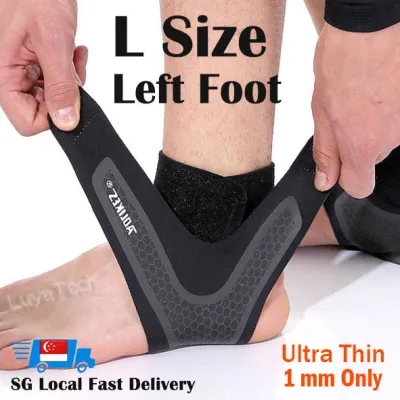
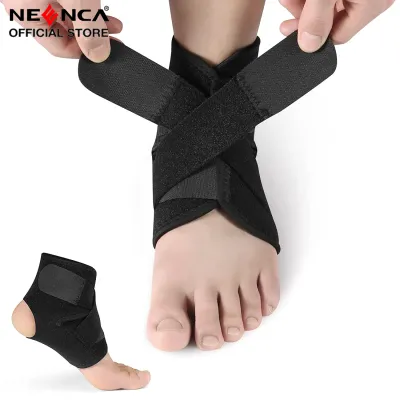
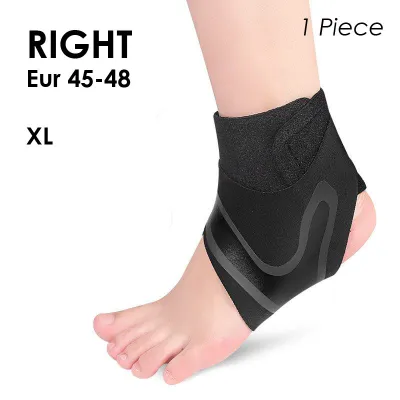
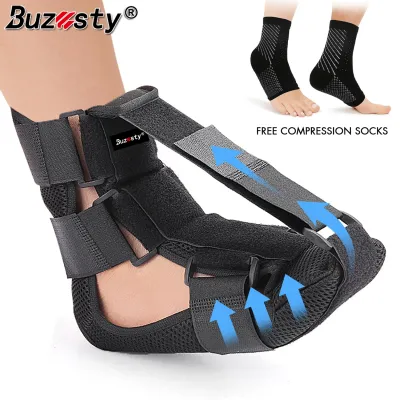
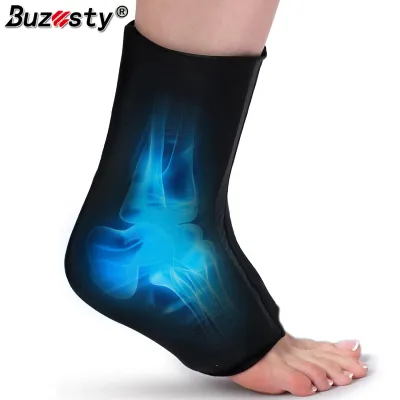
Prices are valid at publication and may change. Please refer to the product page for the latest price.
While self-monitoring is helpful, you must recognize red flag symptoms that demand immediate professional care. An inability to bear weight, rapid swelling, visible deformity, or a popping sound at the time of injury point to a potential fracture or severe ligament tear. Additionally, numbness, tingling, or coldness in your toes suggests nerve compression or compromised circulation. In these cases, using a retail brace without a medical diagnosis can worsen the damage.
Understanding the difference between acute injury support and chronic management is also essential. Acute injuries, like a fresh ankle sprain, require rigid braces that restrict movement to allow tissues to heal. Chronic conditions generally benefit from flexible, dynamic supports that allow a functional range of motion while correcting alignment or managing mild swelling during daily activities.
Match the Brace Type to Your Specific Need
Once you have categorized your symptoms, you can match them to the primary categories of foot and ankle braces. Ankle braces and stirrups provide lateral support to prevent sprains. Rigid stirrup braces feature hard plastic side panels that physically block the ankle from rolling while allowing normal up-and-down flexing. Semi-rigid lace-up braces offer a balance of structural support and flexibility, making them popular for sports requiring lateral agility.

For plantar fasciitis, night splints and specialized plantar fascia straps are the standard options. Night splints hold the foot in a gentle, dorsiflexed position overnight, keeping the plantar fascia and Achilles tendon stretched to prevent morning tightening. If a bulky night splint disrupts sleep, daytime plantar fascia straps or wraps can be worn around the arch to apply targeted compression and reduce tension on the ligament during daily walking.
Arch supports and rigid orthotics focus on structural alignment and correcting overpronation. These inserts or low-profile braces slip into your footwear to support the medial longitudinal arch, distributing your body weight more evenly. Rigid orthotics are particularly useful for stabilizing a flexible flat foot, preventing the arch from collapsing inward and reducing mechanical strain on your ankles and knees.
Compression sleeves represent the most lightweight and flexible category of support. Made from elasticized, breathable fabrics, these sleeves do not restrict joint movement but instead provide mild, continuous compression. This compression helps manage minor swelling, improves local circulation, and provides proprioceptive feedback—the sensory awareness of your joint position—reduces general foot fatigue during long periods of standing.
Consider Your Activity Level and Footwear Compatibility
A foot brace can only be effective if it fits seamlessly into your daily routine and fits properly inside your shoes. Your activity level dictates the level of durability and stability required. High-impact sports like running or basketball subject your feet to intense multi-directional forces, requiring braces with secure fastening systems, reinforced stitching, and robust materials. For casual daily walking or office wear, a lower-profile, highly flexible support is usually sufficient and far more comfortable for extended wear.
Footwear compatibility is a common hurdle when selecting a brace. Rigid stirrups and bulky lace-up braces often require you to loosen your shoe laces significantly or even wear a slightly larger shoe size to accommodate the extra volume. When choosing a brace for running shoes or work boots, look for low-profile designs that utilize thin, high-strength materials to minimize bulk around the heel and midfoot. If you must wear formal office shoes, slim compression sleeves or low-profile arch inserts are often the only practical options that fit without causing painful pressure points.
In warm and humid climates, material selection is critical for comfort and skin health. Braces made from heavy, non-breathable materials can trap sweat, leading to skin chafing, blisters, and unpleasant odors. Look for supports constructed from moisture-wicking fabrics, perforated neoprene, or lightweight knit materials that promote airflow. Regularly washing your brace according to the manufacturer’s instructions is also vital to maintain hygiene and preserve the elasticity of the technical fabrics.
When to Buy, Adjust, or Seek Professional Care
Navigating when to manage your foot health independently and when to seek professional intervention can prevent long-term complications. Trying an over-the-counter foot brace is generally appropriate for mild, recent discomfort that you can link to a specific, non-severe event, such as mild fatigue after a long walk. In these scenarios, a retail support can provide temporary relief while your body recovers naturally.
When fitting your brace, always apply the “snug but not restrictive” rule. The brace should feel supportive and secure, but it must never pinch, dig into your skin, or restrict your blood flow. After securing the straps, check your toes for any signs of poor circulation, such as numbness, tingling, a cold sensation, or a pale or bluish color. If you experience any of these symptoms, loosen the brace immediately or adjust the strap tension.
It is crucial to establish clear stopping conditions for self-treatment. If your pain does not begin to improve after a week or two of consistent brace use, or if your symptoms actively worsen, discontinue use and consult a healthcare professional, such as a podiatrist or orthopedic specialist. Relying on a brace indefinitely to mask chronic pain can lead to muscle weakness and joint stiffness, as your body begins to depend on the external support rather than its own muscular stabilization. A professional can provide a precise diagnosis, prescribe custom orthotics if necessary, and guide you through targeted rehabilitation exercises to restore your foot’s natural strength.
Frequently Asked Questions (FAQ)
Can I wear a foot brace all day?
You should generally avoid wearing rigid or highly supportive foot braces all day unless specifically instructed by a healthcare professional. While lightweight compression sleeves can be worn safely throughout your active hours to manage swelling, relying on rigid braces for extended periods can cause the muscles and ligaments in your foot to weaken over time. It is best to wear supportive braces during the specific activities that trigger your discomfort and allow your foot to move naturally without support during rest periods to maintain muscle strength.
Do I need a prescription for a foot brace?
You do not need a prescription to purchase standard over-the-counter foot braces, compression sleeves, or retail arch supports, which are widely available at sports stores and pharmacies. However, if you have a severe structural misalignment, chronic pain that does not respond to retail options, or a complex injury, you should consult a podiatrist. A specialist can assess your gait and prescribe custom-molded orthotics or medical-grade braces tailored precisely to your foot’s unique anatomy.
How tight should my foot brace be?
A foot brace should be snug enough to provide noticeable support and limit unwanted movement, but it must never be painfully tight or restrict your circulation. You should be able to slide one finger comfortably under the edge of the brace or straps. If you notice your toes becoming cold, numbness, tingling, or discoloration, or if you feel a throbbing sensation, the brace is too tight and must be loosened immediately to prevent nerve irritation or tissue damage.
Community discussion
Share your experience or ask a question. Comments are reviewed before publication.