
Choosing the right foot protector requires matching the specific biomechanical demands of your sport with the structural design of the gear. Because no single guard can protect against every type of athletic stress, your selection must balance impact absorption, joint stabilization, and freedom of movement. By evaluating your activity’s unique movement patterns and verifying key material specifications, you can find a protector that enhances safety without compromising your performance.
Identify Your Sport's Specific Foot Protection Needs
Before browsing products, you must determine the primary protective function required by your specific athletic activities. Different sports place distinct physical demands on your feet, meaning a protector designed for one environment may be ineffective or even hazardous in another.
For martial arts, kickboxing, and other combat sports, the primary need is impact absorption and surface shielding. Your feet are constantly exposed to direct strikes and hard surfaces, requiring dense padding over the instep and metatarsal bones to disperse force and prevent bruising or bone trauma.
Products mentioned in this guide
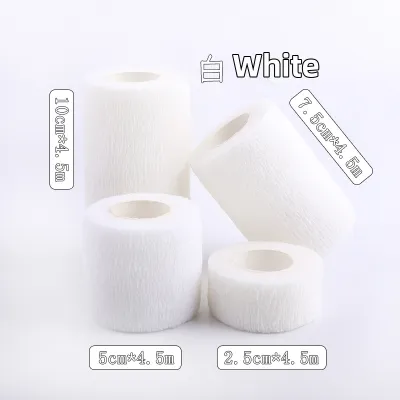
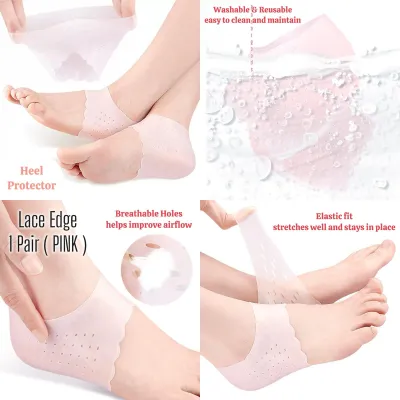
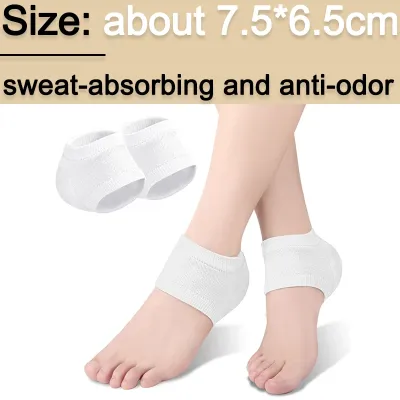
Prices are valid at publication and may change. Please refer to the product page for the latest price.
Court sports like basketball, netball, and badminton demand sudden stops, rapid lateral shuffles, and explosive jumps. In these environments, the priority shifts to ankle stabilization, heel lockdown, and lateral support to prevent painful inversion and eversion sprains.
Endurance running and track events subject your feet to repetitive, low-impact stress over long distances. Here, heavy structural braces are counterproductive; instead, you need lightweight compression, blister prevention, and efficient shock dispersion to maintain comfort and support your natural gait.
Field sports such as soccer or rugby require gear that integrates seamlessly with specialized footwear. Your foot protector must offer cleat compatibility, ensuring a low-profile fit inside tight shoes while providing a smooth transition from the shin guard to the foot to shield against stray studs and hard ball impacts.
Key Features to Evaluate Before Buying
When comparing different foot protectors, a practical checklist of material and structural attributes will help you make an informed decision. Evaluating these features ensures the gear performs reliably under the specific conditions of your sport.

Material breathability and moisture-wicking properties are critical, especially when training in warm, humid climates. Sweat buildup inside a shoe or guard can cause slipping, skin chafing, and rapid material degradation. Look for advanced synthetic blends like nylon-spandex or perforated neoprene that actively draw moisture away from the skin.
Closure systems dictate how securely the protector stays in place and how easily you can adjust its tension. Lace-up designs offer highly customizable support but take longer to put on, while compression sleeves provide quick, low-profile wear but lack adjustable structural reinforcement. Adjustable hook-and-loop straps offer a versatile middle ground, allowing you to tighten specific zones as needed.
Padding density, placement, and thickness must align with your sport’s impact profile. Check the manufacturer’s specifications for materials like high-density EVA foam or shock-absorbing gel inserts. Ensure the padding is strategically positioned over vulnerable areas, such as the ankle bones or the instep, without restricting your natural range of motion.
Always check product labels and packaging for relevant safety standards or sports federation compliance marks. Many organized leagues and competitive tournaments require certified gear to ensure a baseline level of protection and fair play.
Matching Foot Protectors to Common Sports Categories
Selecting the right style of protector depends heavily on the broad athletic category of your sport. Understanding these structural differences allows you to narrow down your options to the designs most suited to your movements.
High-Impact and Combat Sports
In striking disciplines like taekwondo, karate, or mixed martial arts, your foot acts as both a striking tool and a target. Prioritize instep and toe padding that absorbs direct impacts without severely limiting your foot’s natural articulation and grip on the mat.
Ensure the protector features secure strap placement or an integrated elastic sleeve that wraps tightly around the arch and ankle. This prevents the guard from shifting or twisting during high kicks or rapid footwork, which could expose vulnerable areas to injury.
Remember that protective equipment cannot replace proper technique, physical conditioning, and situational judgment. Always verify that the protector’s design, coverage, and color comply with the specific competition rules of your governing sports federation before entering a tournament.
Court and Field Sports
For sports played on hard courts or grass fields, joint stability is the paramount concern. Focus on protectors that feature rigid or semi-rigid ankle bracing and reinforced heel counters to physically block the excessive outward rolling that causes sprains.
Check the internal profile of the brace to ensure it fits comfortably inside your specialized athletic footwear or cleats. A bulky protector can create painful pressure points, alter your shoe’s fit, or lift your heel out of the shoe’s heel cup, increasing the risk of instability.
Look for reinforced stitching and durable synthetic overlays in high-stress areas. Court and field sports subject gear to frequent lateral dragging, sudden direction changes, and abrasive surfaces, making robust construction essential for long-term durability.
Endurance and Track Activities
Long-distance runners and track athletes require minimal interference with their natural running mechanics. Emphasize low-profile compression sleeves that provide targeted muscle support and improve proprioception—your body’s subconscious awareness of joint positioning—without adding unnecessary weight.
Friction is the primary cause of blisters and hot spots during repetitive, high-mileage movements. Require seamless or flatlock construction along the edges and seams of the sleeve to eliminate friction points against your skin and socks.
Ensure the material offers adequate thermal regulation to prevent your feet from overheating during prolonged outdoor exertion. Breathable, lightweight fabrics help maintain a stable temperature, reducing sweat accumulation that softens the skin and makes it more susceptible to tearing.
How to Ensure the Right Fit and Comfort
An improperly fitted foot protector can fail to support your joint, restrict blood circulation, or even cause secondary injuries. Taking precise measurements and testing the gear under active conditions is essential for ensuring both safety and comfort.
Use a flexible tape measure to record your ankle circumference, foot length, and arch height. Cross-reference these measurements with the brand’s specific sizing chart rather than relying on your standard shoe size, as dimensions and fit profiles vary widely between manufacturers.
Perform sport-specific movement tests while wearing both the protector and your intended athletic shoes in a controlled environment. Practice jumping, pivoting, and short sprints to verify that the gear remains securely in place and does not pinch, rub, or restrict your natural range of motion.
Recognize immediate warning signs during your test. Localized pressure points, coldness in your toes, numbness, tingling, or restricted blood flow are clear signals that the protector is too tight or poorly shaped for your foot. If you experience any of these symptoms, stop using the gear immediately and adjust the fit or select a different size.
Care, Maintenance, and Replacement Signals
Establishing a consistent care routine prolongs the lifespan of your foot protector and ensures it continues to provide reliable support. Neglecting maintenance can lead to material breakdown, reducing the gear’s protective capabilities.
Follow the manufacturer’s washing instructions precisely to preserve the integrity of elastic fibers, adhesives, and impact-absorbing foams. Hand washing in cool water with a mild detergent is generally recommended, as harsh chemicals and fabric softeners can degrade technical fabrics.
Air-dry the equipment completely in a well-ventilated indoor area away from direct sunlight and high heat sources. Never use a tumble dryer, as the intense heat can warp plastic stabilizers, melt adhesives, and cause elastic sleeves to shrink and lose their supportive tension.
Inspect your gear regularly before every training session for clear signs of wear and tear. Look for stretched-out straps that no longer hold tension, permanently compressed or cracked padding, and frayed or unraveling seams. These observable conditions serve as clear triggers that the protector can no longer perform its safety function and must be replaced.
Frequently Asked Questions (FAQ)
Can I use the same foot protector for different sports?
Using the same foot protector for different sports is generally not recommended due to the contrasting biomechanical demands of each activity. For example, the rigid lateral support required to prevent ankle rolls in court sports will severely restrict the ankle flexion and foot articulation needed for combat sports kicks. Conversely, a flexible, padded martial arts guard offers no structural protection against the high-torque lateral forces experienced during sudden pivots on a tennis court. Using an incompatible protector can restrict your natural movement, cause footwear fit issues, and fail to protect against sport-specific injury mechanisms.
Should I wear a foot protector on both feet or just the injured one?
Whether you should wear a foot protector on one or both feet depends on whether your primary goal is rehabilitation or injury prevention. If you are recovering from a specific injury, wearing a supportive brace on the affected foot helps protect the healing joint during rehabilitation. For preventive use in high-risk activities, some athletes choose to wear low-profile compression sleeves on both feet to ensure symmetrical support and balanced proprioceptive feedback. However, you should consult a sports physiotherapist or medical professional to determine if unilateral bracing could create dangerous biomechanical imbalances or alter your natural gait.
Community discussion
Share your experience or ask a question. Comments are reviewed before publication.