
Selecting a football in Singapore is not as simple as picking the first option you see on the shelf. The pitch you play on directly influences how a ball behaves, how long it lasts, and how much control you have during a match. Using a ball designed for soft, natural grass on a harsh, abrasive artificial turf pitch will quickly destroy its outer casing. Conversely, bringing a standard outdoor ball onto a polished indoor court results in an uncontrollable, high-bouncing game that disrupts tactical play.
Every playing surface exerts unique mechanical stresses on a football’s cover, seams, and inner bladder. Hard surfaces like concrete or indoor parquet offer zero shock absorption, forcing the ball to absorb the impact energy. Artificial turf introduces high frictional heat and abrasive wear from synthetic grass blades and rubber infill. Natural grass, while forgiving on the ball’s structure, introduces moisture and mud that can seep into the seams, altering the ball’s weight and aerodynamics.
In Singapore, recreational players typically navigate three primary environments: artificial turf pitches (found at many ActiveSG facilities and private venues), indoor sports halls, and natural grass fields. Before purchasing, you must evaluate several physical characteristics of the ball. These include the outer cover material—typically Polyurethane (PU) for premium feel or Polyvinyl Chloride (PVC) for basic durability—the seam construction, which ranges from machine-stitched to thermally bonded, and the surface texture. Understanding these variables ensures your gear matches your venue.
Products mentioned in this guide
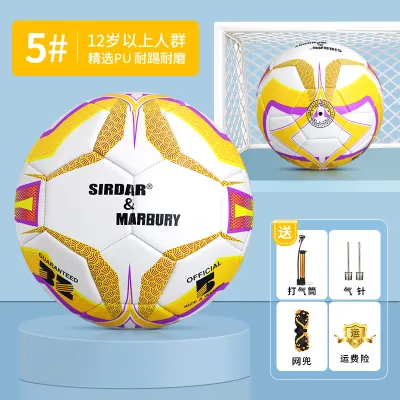
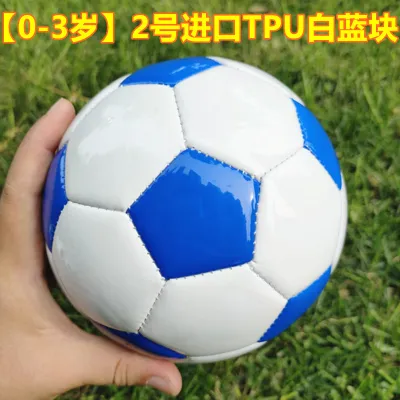
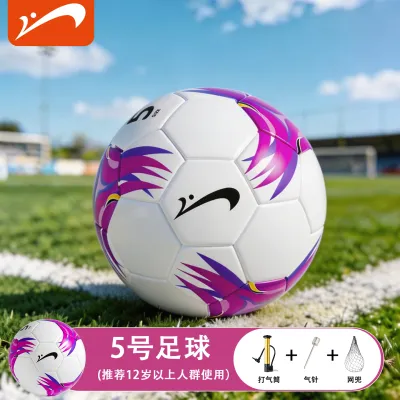
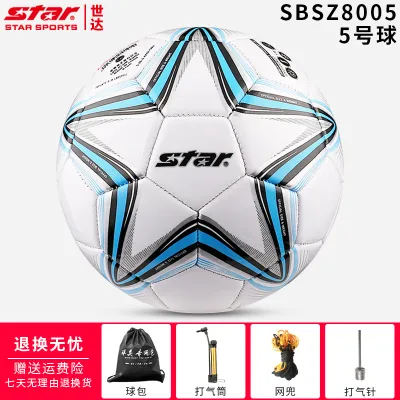
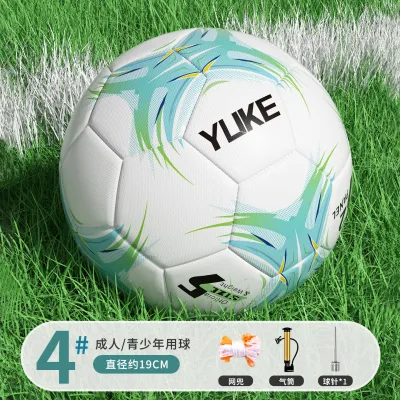
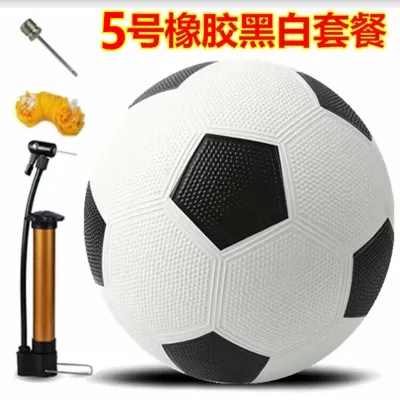
Prices are valid at publication and may change. Please refer to the product page for the latest price.
Best Footballs for Artificial Turf Pitches
Artificial turf has become the dominant playing surface across Singapore, from community pitches to rooftop commercial arenas. While synthetic grass offers a level playing field year-round, it is highly abrasive. The synthetic blades, combined with the black rubber crumb infill, create intense friction and heat during play. This environment acts like sandpaper on a football, quickly wearing down smooth, delicate outer casings and exposing the inner layers.
To withstand this abrasive wear, look for footballs constructed with thick, high-durability Polyurethane (PU) covers. PU provides a soft, responsive touch while maintaining excellent structural integrity under friction. Avoid budget PVC balls, as PVC tends to harden, crack, and peel when subjected to the heat generated by synthetic turf. Reinforced, deep-set seams are also essential to prevent the abrasive rubber granules from tearing the stitching apart over time.
On artificial turf, the ball’s performance needs differ from those on natural grass. Synthetic pitches are generally flatter and faster, meaning a standard ball can bounce unpredictably high or skid quickly across the surface. Balls engineered specifically for artificial grass often feature textured outer panels that mimic the grip of natural grass, helping you maintain control during high-speed dribbles and precise passes.
When shopping, look for specific industry markers on the ball’s casing. Manufacturers often label these models with “AG” (Artificial Grass) or “Turf” designations. A highly durable option like a Cortis ball engineered for synthetic grass is an excellent choice to verify. Always check the manufacturer’s specification sheet to ensure the outer cover has been treated with an anti-abrasion coating. This simple check saves you from replacing a ruined ball after just a few sessions.
Choosing the Right Ball for Indoor Courts and Futsal
Indoor sports halls, school gymnasiums, and community club courts present a completely different set of physical challenges. These surfaces are made of hardwood parquet, polished synthetic materials, or even painted concrete. Because these materials are entirely rigid, they offer no cushioning. If you use a standard outdoor football here, the rebound is incredibly high, making close-control passing and tactical play nearly impossible.

This is why indoor futsal requires a specialized low-bounce ball. Futsal balls utilize a unique inner bladder, often filled with synthetic foam or specialized heavy-duty fibers. This internal construction dampens the rebound, keeping the ball low to the ground. A ball that stays close to the floor encourages rapid, short-ground passes and intricate footwork, which are the hallmarks of the indoor game.
The cover material of an indoor ball must also accommodate polished floors. Smooth, glossy footballs will slide uncontrollably on clean hardwood. Instead, seek out indoor balls with soft PU covers or suede-like textured panels. This texture provides the necessary friction against both the polished floor and your shoes, allowing for precise trapping, rolling, and sudden changes of direction without slipping.
Sizing and weight are critical distinctions to make when purchasing. While a standard outdoor match ball is a Size 5, official futsal balls are Size 4. However, do not confuse an indoor Size 4 ball with a standard youth Size 4 outdoor ball. Futsal balls are engineered to be significantly heavier despite their smaller circumference. This added weight, combined with the low-bounce bladder, ensures the ball behaves predictably on hard, fast indoor courts.
Selecting a Football for Natural Grass Fields
Natural grass pitches represent the traditional football experience, but they are increasingly rare and highly subject to weather conditions in Singapore. A natural grass field can transition from dry and uneven to soft, muddy, and waterlogged within a single afternoon due to sudden tropical downpours. These rapid changes in pitch condition demand a football that can maintain its shape, weight, and flight path under wet conditions.
For natural grass, a standard Size 5 match or premium training ball is the ideal choice. These balls are designed to maximize aerodynamic stability and provide a natural, responsive touch. Look for premium PU covers that offer excellent elasticity, allowing the ball to compress slightly upon impact and deliver a satisfying, clean strike.
Water resistance is the most crucial factor when playing on natural grass in Singapore’s climate. Traditional stitched balls contain tiny gaps between the panels where water can easily penetrate. When a ball absorbs water, it becomes heavy, sluggish, and potentially dangerous to header or kick. To prevent this, prioritize thermally bonded footballs. Thermally bonded seams are glued and sealed under heat, creating a virtually seamless, waterproof barrier that keeps the ball light and dry even on a drenched pitch.
Visibility is another practical consideration for grass pitches, especially during evening games under floodlights or overcast rainy days. Dark or traditional white-and-black balls can easily get lost against the green grass and dim skies. Choosing a ball with high-contrast colors, such as neon yellow, bright orange, or vibrant graphic patterns, ensures players and goalkeepers can track the ball’s spin and trajectory accurately.
Can You Use One Football for Multiple Surfaces?
Many recreational players ask whether they can purchase a single “all-surface” football to save money and storage space. While multi-surface training balls exist, they represent a compromise in performance. A hybrid ball must balance the low bounce needed for hard courts with the high rebound required for grass, often resulting in a ball that performs mediocrely across all venues.
If you decide to look for a versatile option, understand the trade-offs involved. A durable turf ball can occasionally be used on a natural grass pitch without issue, though it may feel slightly heavier or less responsive than a dedicated match ball. However, using that same turf ball on a hard concrete street court or an indoor sports hall will result in excessive bouncing and rapid wear of the outer graphics.
To help you decide, consider this simple framework based on your weekly playing habits:
- Dedicated Turf Players: If 90% of your games are on synthetic pitches, invest strictly in an AG-rated ball.
- Multi-Venue Players: If you split your time between indoor futsal and outdoor turf, you must buy two separate balls. Using a futsal ball outdoors will ruin its soft cover, while using an outdoor ball indoors ruins the game dynamics.
- Casual Street Players: For concrete or asphalt, choose a heavy-duty rubber or specialized thick PVC street ball designed specifically for rough concrete.
Maintaining Your Football in Singapore's Humid Climate
Singapore’s tropical climate—characterized by high humidity, intense heat, and sudden rainfall—can severely shorten the lifespan of your football if proper care is neglected. Moisture and heat are the primary enemies of synthetic materials, glues, and bladder valves. Implementing a simple post-game maintenance routine will protect your investment and keep your ball performing like new.
After every playing session, take a minute to clean your football. Use a damp cloth to wipe away mud, dirt, and those annoying black rubber pellets from artificial turf. Avoid using harsh chemical detergents or abrasive brushes, as these can strip away the water-resistant coatings and damage the PU outer casing.
Once clean, dry the ball thoroughly with a towel and store it in a cool, dry, and well-ventilated indoor space. Never leave your football in the boot of your car or on an outdoor balcony exposed to direct sunlight. The extreme heat inside a parked car can cause the air inside the bladder to expand dangerously, warping the ball’s shape and weakening the adhesive holding the panels together.
Finally, monitor the ball’s air pressure regularly using a dedicated pressure gauge. High ambient temperatures cause air to expand, while air-conditioned storage rooms can cause it to contract. When inflating your ball, always moisten the inflation needle with a drop of glycerin or soapy water before inserting it into the valve. This lubricates the valve mechanism, preventing micro-leaks and ensuring a perfect seal.
Frequently Asked Questions (FAQ)
What size football should adults use for casual games?
Adults playing standard outdoor football or artificial turf games should always use a Size 5 ball, which is the official standard for mature players. If you are playing indoor futsal on a hard court, you must use a Size 4 futsal ball. While a futsal ball is smaller, it is engineered to be heavier than a standard youth Size 4 ball to keep play low to the ground.
How often should I check the air pressure of my football?
You should check your football’s air pressure before every single session. Temperature fluctuations in Singapore can cause the air pressure inside the bladder to shift. Always refer to the manufacturer’s recommended PSI range, which is typically printed directly around the inflation valve, and use a reliable pressure gauge to avoid over-inflation.
Community discussion
Share your experience or ask a question. Comments are reviewed before publication.