
Selecting the right football ball for your weekly matches in Singapore depends entirely on where you play. Whether you are stepping onto a polished indoor sports hall, a high-friction artificial turf pitch, or a lush natural grass field, the surface dictates the ball construction you need. Using the wrong ball on a surface it was not designed for compromises your ball control, ruins the flow of the game, and rapidly accelerates gear damage.
Singapore’s tropical climate adds another layer of difficulty. High relative humidity, sudden heavy monsoon downpours, and intense afternoon heat place immense stress on sports equipment. A ball that performs beautifully in dry, cool climates can quickly waterlog, warp, or lose its shape under local conditions. Understanding how different balls are engineered for specific environments is the first step toward making a smart, long-lasting purchase.
Understanding Football Ball Construction and Surface Needs
To choose the right football ball, you must first understand its three primary components: the outer cover (casing), the backing layers, and the inner bladder. The materials used in these layers determine how the ball bounces, feels on your foot, and resists wear and water.
Products mentioned in this guide
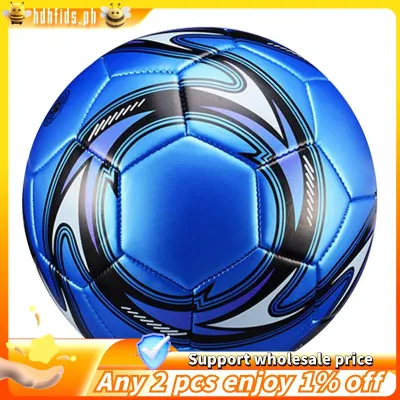
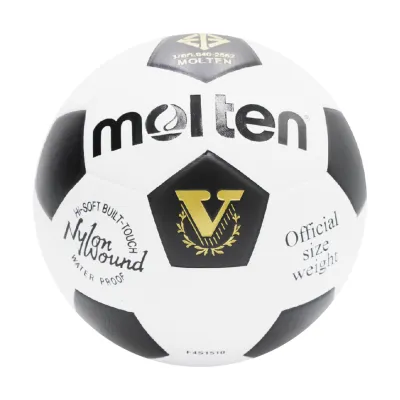
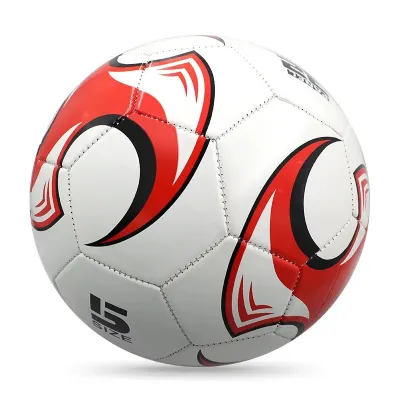
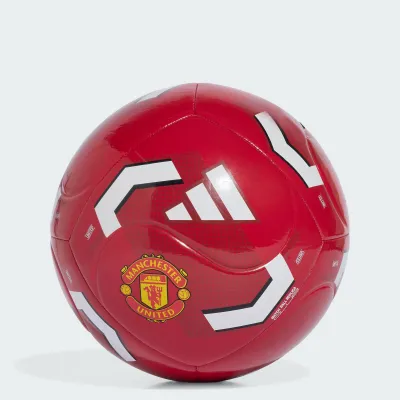
Prices are valid at publication and may change. Please refer to the product page for the latest price.
The outer cover is the ball’s first line of defense. Modern casings are typically made from Polyurethane (PU) or Polyvinyl Chloride (PVC). PU is highly favored for its soft touch, responsiveness, and elasticity, making it the standard for match-grade balls. PVC is much harder and more durable, making it highly resistant to scuffs on rough surfaces but offering a less forgiving feel. Underneath the cover sit backing layers made of polyester or cotton, which provide structure, strength, and bounce consistency.
At the core is the bladder, which holds the air. Manufacturers generally use either latex or butyl bladders. Latex bladders are soft and responsive, offering a lively bounce, but they are porous and slowly leak air over time. Butyl bladders offer superior air retention, keeping the ball inflated for weeks, though they feel slightly stiffer. For specialized environments like futsal, the bladder is often filled with foam or cotton fibers to deliberately dampen the bounce.
In Singapore, the tropical climate accelerates material degradation. High humidity can weaken cheap glues in stitched balls, while frequent rain leads to water ingress if the seams are not properly sealed. Furthermore, when a ball is exposed to intense tropical sunlight, the air inside expands, and UV rays can break down the outer casing. Selecting a ball with water-resistant construction and UV-stable materials is crucial for longevity.
Best Footballs for Indoor Futsal Courts
Indoor futsal is incredibly popular in Singapore, played on hardwood sports halls, rubberized indoor courts, or covered community concrete pitches. These hard surfaces demand a highly specialized ball that behaves differently from a standard outdoor model. If you try to play futsal with a standard outdoor ball, it will bounce uncontrollably off the hard floor, making fast, short passes and tight control nearly impossible.

Futsal balls are engineered specifically to keep the game grounded and fast-paced. The defining characteristic of an indoor futsal ball is its low-bounce property. Inside the bladder, manufacturers place foam or cotton dampening materials that absorb impact energy, ensuring that when the ball hits the hard floor, it stays close to the ground. This allows players to perform quick, intricate footwork and maintain close control in tight spaces.
Because hard courts—especially polished concrete or older rubberized surfaces—can be highly abrasive, the outer cover of a futsal ball must be exceptionally durable. High-grade, thick PU covers or specialized synthetic rubber casings are commonly used to prevent scuffing and peeling. These materials provide the necessary grip against hard floors without wearing down after a few sessions.
When it comes to size and weight, futsal balls are unique. They are almost exclusively Size 4, which is physically smaller than a standard adult outdoor ball. However, they are engineered to be heavier or feel denser. This added weight, combined with the low-bounce bladder, helps maintain momentum along the flat floor and prevents the ball from lifting too easily during powerful shots or passes.
Before purchasing, always check the label or packaging for specific markings such as ‘Futsal’ or ‘Indoor’. Using a standard outdoor ball on a hard court is a safety hazard; the unpredictable, high-speed rebounds off walls and hard floors can easily cause ankle sprains, hand injuries for goalkeepers, or facial impacts for players. Investing in a dedicated futsal ball ensures a safer, more authentic, and far more enjoyable indoor game.
Best Footballs for Outdoor Artificial Turf
Artificial turf has become the dominant playing surface in Singapore, found at ActiveSG facilities, school pitches, private commercial venues, and community cages. While artificial turf mimics the look of natural grass, it behaves very differently. The surface consists of synthetic plastic blades supported by a base of sand and black rubber crumb infill. This combination creates a high-friction environment that generates significant heat and causes rapid wear on sports equipment.
The high friction of artificial turf acts like sandpaper on a football’s cover and seams. For this reason, durability is the absolute priority when choosing a ball for turf play. Traditional hand-stitched balls, while offering a great feel, have exposed seams that easily catch on the synthetic grass blades. The abrasive rubber crumbs can work their way into the stitched seams, gradually wearing down the thread and leading to panel separation or bladder punctures.
To combat this, look for balls featuring thermal bonding technology. Thermally bonded balls have their panels glued and heat-sealed together rather than stitched. This creates a completely seamless, smooth outer surface. Without exposed threads, there is nowhere for the abrasive rubber crumbs to catch, and water cannot penetrate the seams during a sudden Singaporean downpour. This seamless construction ensures the ball maintains its shape, weight, and flight characteristics even in wet weather.
For adult and youth play on outdoor turf, a standard Size 5 ball is the norm. When browsing options, look for models labeled ‘Turf’, ‘AG’ (Artificial Grass), or high-durability ‘Training’ balls. Many turf-specific balls feature textured or dimpled outer casings. These microscopic patterns improve aerodynamic stability and provide better grip against both your boot and the synthetic turf blades, which can become incredibly slippery when wet.
As a practical tip, you will notice that balls used on artificial turf quickly accumulate black streaks and smudges. This is caused by the rubber crumb infill rubbing off onto the casing. Do not worry; this is purely cosmetic and does not indicate structural failure. Simply wipe the ball down after your game to keep it looking clean.
Best Footballs for Natural Grass Fields
Natural grass pitches are highly coveted in Singapore, though they are less common than artificial turf. They are primarily reserved for official league matches, school tournaments, and professional training sessions. Playing on natural grass is a highly forgiving experience for both your joints and your equipment, but it demands a ball that can deliver maximum aerodynamic performance, precise control, and a soft, responsive touch.
The primary challenge of playing on natural grass in Singapore is the weather. During the monsoon seasons, grass fields can quickly become waterlogged, muddy, and heavy. A cheap, poorly constructed ball will absorb water through its seams, becoming heavy, waterlogged, and sluggish. This completely ruins the ball’s flight path and makes heading the ball painful and potentially dangerous.
To ensure top performance on grass, look for premium match balls or high-quality training balls with excellent water-repellent properties. Thermally bonded PU casings are ideal here as well, as they prevent any water absorption. The outer cover should offer a soft, cushioned feel, allowing players to cushion difficult passes and execute precise long balls.
If you are playing in competitive leagues or official tournaments, look for balls that carry official certifications, such as ‘FIFA Quality Pro’ or ‘FIFA Quality’. These labels guarantee that the ball has undergone rigorous testing for weight, circumference, roundness, bounce, water absorption, and pressure loss. For casual weekend kickabouts on grass, a high-quality, water-resistant PU training ball from a reputable sports brand will serve you exceptionally well without the premium price tag of an official match ball.
However, keep in mind the limitations of these high-performance grass balls. Because they are designed with softer, more responsive outer casings to optimize touch and flight, they are highly vulnerable to abrasion. If you take a premium grass match ball and use it on a rough concrete court or a high-friction artificial turf pitch, the delicate outer cover will scuff, peel, and degrade almost immediately. Keep your grass balls strictly on the grass to preserve their lifespan.
Can You Use One Football Across All Surfaces?
For many casual players in Singapore who jump between different venues—playing futsal on a Tuesday night at a community court and joining an 11-a-side turf game on Sunday—the temptation to buy a single, ‘universal’ football ball is strong. Manufacturers do produce multi-surface or ‘all-court’ training balls, which are marketed as versatile options for casual play. However, relying on a single ball across highly diverse surfaces involves significant physical trade-offs.
The physical properties required for indoor futsal and outdoor grass are fundamentally incompatible. A standard outdoor grass ball is designed to bounce and fly; if you bring it onto a hard futsal court, it will bounce too high, move too fast, and quickly suffer severe scuffing and seam damage from the hard floor. Conversely, if you take a heavy, low-bounce futsal ball onto a large outdoor grass pitch, it will feel like a brick. It will not bounce properly on the turf, it will be incredibly difficult to loft or cross, and it will slow down the pace of an outdoor game.
To help you decide whether to buy one ball or invest in multiple, consider this decision framework:
- The Casual, Budget-Conscious Player: If you play infrequently, participate mostly in casual kickabouts, and want to keep costs low, a durable, mid-tier turf or training ball is your best compromise. Choose a thermally bonded, Size 5 training ball with a durable PU cover. This ball will handle artificial turf and natural grass beautifully, and can survive the occasional casual game on a hard court, though it is still not recommended for dedicated indoor futsal.
- The Regular, Venue-Specific Player: If you play at least once a week or participate in organized leagues, you should absolutely invest in dedicated balls. Buy a proper low-bounce Size 4 futsal ball for your indoor games, and a durable, thermally bonded Size 5 ball for your turf or grass matches. Having the correct tool for the job dramatically improves your skill development, ensures the game plays as intended, and prevents premature gear failure.
Maintaining Your Football in a Tropical Climate
Singapore’s hot, humid climate is incredibly tough on sports gear. Without proper care, even the most expensive, high-quality football ball can warp, lose its grip, develop mold, or suffer seam failure within a few months. Implementing a simple, disciplined maintenance routine after every session will significantly extend the lifespan of your ball.
- Cleaning: After playing, especially on muddy grass or rubber-filled artificial turf, always wipe your ball down. Use a damp microfiber cloth to remove dirt, mud, sweat, and black rubber dust. Avoid using harsh household detergents, chemical sprays, or abrasive brushes, as these can strip the protective UV coating from the outer cover. Never submerge your ball in water or spray it directly with a high-pressure hose, as water can seep into the valve or seams and ruin the internal bladder.
- Drying: Once clean, allow the ball to air dry naturally. This must be done in a shaded, well-ventilated indoor area. Never leave your ball to dry in direct, intense sunlight, and absolutely never leave it inside the trunk or cabin of a car parked outdoors. The extreme heat inside a parked car in Singapore can easily exceed 60 degrees Celsius, which will soften the glues holding the panels together, warp the casing, and cause the air inside the bladder to expand rapidly, potentially bursting the ball.
- Storage: If you are not planning to use the ball for several weeks, store it in a cool, dry closet. High humidity encourages the growth of mold and mildew on synthetic casings, which can degrade the material over time. For long-term storage, it is wise to insert a lubricated pump needle and release a small amount of air pressure. This relieves the constant tension on the seams and panels, preventing the ball from stretching or losing its perfect spherical shape.
- Pressure Checks: Always check your ball's air pressure before a game using a pump equipped with a pressure gauge. Most balls have their recommended pressure range (usually measured in PSI or Bar) printed directly around the valve. Keep in mind that air pressure is highly sensitive to temperature. If you inflate your ball to the maximum recommended pressure inside an air-conditioned room, the air will expand significantly when you step onto a hot, sun-baked outdoor pitch, leading to over-inflation. Always adjust the pressure at the venue for the best performance.
Frequently Asked Questions (FAQ)
What size football should I buy for adults and youths?
Selecting the correct ball size is essential for proper player development, joint safety, and game flow. The standard sizing conventions are highly structured:
- Size 5: This is the official standard for adults and youths aged 12 and older. It is the size used in all professional outdoor matches on turf and grass worldwide.
- Size 4: This size is designed for children aged 8 to 12 to help them develop proper passing and shooting techniques without straining their muscles. Additionally, Size 4 is the mandatory official size for all futsal players, regardless of age, due to the tight spaces and hard courts of the indoor game.
- Size 3: This is the smallest competitive size, designed specifically for young children under the age of 8. It is lightweight and easy to control, helping toddlers and young kids build basic motor skills and coordination.
How do I know if my football has lost its shape or pressure?
A football ball that has lost its structural integrity or air pressure will behave unpredictably, ruining your play and potentially causing injury. You can easily verify your ball’s condition using three simple physical checks:
- The Visual Drop Test: Hold the ball at chest height (approximately 1.5 meters) over a flat concrete floor and drop it. A properly inflated, high-quality outdoor ball should rebound to about waist height. If it barely bounces or shoots off at an odd angle, it either lacks pressure or has a warped bladder. Note that a futsal ball will naturally bounce much lower due to its low-rebound design.
- The Squeeze and Seam Check: Press your thumbs firmly into the panels. If you can easily push deep into the ball, or if you feel distinct soft spots, the pressure is too low. Inspect the seams closely; if you see panels lifting at the edges, threads fraying, or gaps opening up between the panels, the structural integrity of the ball is compromised, and it should be replaced.
- The Flight and Roll Test: Pass the ball along a flat floor or watch its path during a long lofted pass. If the ball wobbles, shakes, or veers off course in mid-air despite there being no wind, it has lost its perfect spherical shape. A warped ball cannot be repaired and must be replaced to ensure safe, accurate play.
Community discussion
Share your experience or ask a question. Comments are reviewed before publication.