
A reliable golf glove serves as the primary connection point between your hand and the golf club. Choosing the right golf glove requires balancing material properties, finding an exact second-skin fit, and matching the glove to your playing hand and local climate. In tropical, high-humidity environments like Singapore, selecting a glove that manages moisture while maintaining grip is essential for consistent swing mechanics.
Why the Right Golf Glove Matters for Your Game
A golf glove is not merely a fashion accessory; it plays a critical role in stabilizing your grip. During a standard golf swing, the clubhead travels at high speeds, creating significant centrifugal force. A high-quality glove increases the friction between your hand and the grip, preventing the club from twisting or slipping mid-swing. This added stability allows you to maintain a lighter grip pressure, which reduces tension in your forearms and promotes a smoother, more fluid release.
Beyond performance, a glove acts as a protective barrier. High-volume practice sessions at the driving range subject your hands to repetitive friction. Without a glove, this friction quickly leads to painful blisters and calluses that can disrupt your practice schedule. Furthermore, in warm climates, hand perspiration can make the club grip dangerously slick. A glove absorbs this moisture, ensuring you maintain complete control over the clubface even during hot afternoon rounds.
Products mentioned in this guide
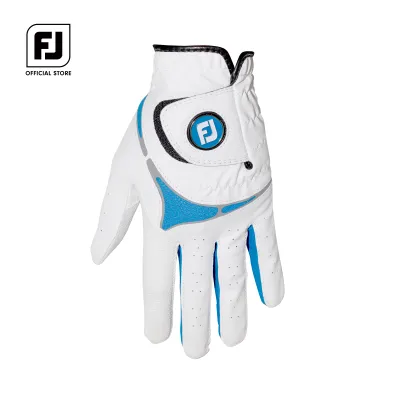
![FootJoy FJ TropiCool Nano Mens Golf Glove [Assorted Color]](https://img.lazcdn.com/g/p/3cc4ab76bbe6da5abadda48bfc0d7a53.jpg_400x400q80.jpg_.webp)
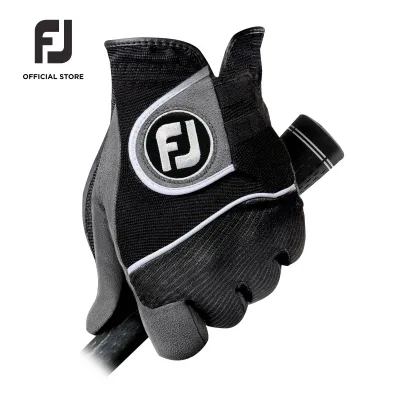
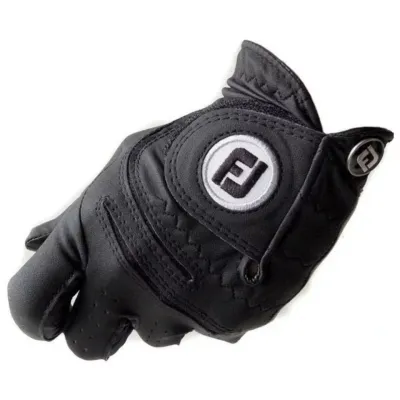
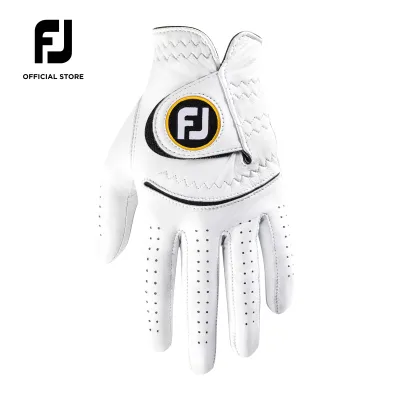
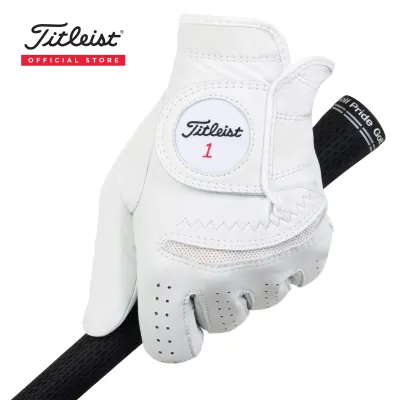
Prices are valid at publication and may change. Please refer to the product page for the latest price.
Step 1: Decide Which Hand to Glove
The standard convention in golf is to wear a single glove on your lead hand. For right-handed players, the lead hand is the left hand; for left-handed players, it is the right hand. This placement is deliberate because the lead hand sits at the top of the club grip, where it bears the majority of the gripping pressure and controls the club’s path. Securing this hand ensures the club remains stable throughout the entire swing arc.

However, there are specific scenarios where wearing gloves on both hands is highly beneficial. In heavy rain, specialized wet-weather gloves are designed to be worn as a pair to maximize traction. Golfers with highly sensitive skin, those prone to severe blistering on both hands, or players dealing with arthritis may also choose to wear two gloves. Additionally, during exceptionally hot and humid days, some players wear two breathable synthetic gloves to manage excessive sweat and maintain a secure hold on the club.
Step 2: Select the Best Material for Your Conditions
The material of your golf glove dictates how it feels, how long it lasts, and how well it performs under different weather conditions. Balancing these factors is key to finding the right match for your game.
Cabretta Leather for Maximum Feel
Cabretta leather, sourced from sheep that grow hair rather than wool, is the gold standard for premium golf gloves. This material is exceptionally soft, supple, and thin, providing golfers with unparalleled tactile feedback and a true second-skin feel. Because it allows you to feel the subtle vibrations of the clubhead, Cabretta leather is highly favored by low-handicappers and professional players who rely on precise sensory feedback for shot-shaping and distance control.
However, Cabretta leather requires careful handling. It is highly susceptible to moisture damage. When saturated with sweat or rain, leather loses its natural oils, causing it to dry out, stiffen, and crack over time. In highly humid regions like Singapore, a premium leather glove can become saturated quickly, meaning it may wear out faster and require more frequent replacement than synthetic alternatives.
Synthetic and Hybrid Blends for Durability
Synthetic golf gloves are engineered from high-tech microfibers, nylon, and polyurethane. These materials are designed to be highly durable, flexible, and resistant to wear. Many synthetic gloves feature mesh panels across the knuckles and fingers to enhance breathability and wick moisture away from the skin. This makes them exceptionally well-suited for high-volume practice sessions or for playing in hot, tropical climates where sweat management is a constant challenge.
Hybrid gloves offer a practical middle ground, featuring premium Cabretta leather on the palm and thumb—where feel and grip are most critical—combined with synthetic materials on the back of the hand for stretch and ventilation. This combination provides a balance of premium feel, excellent durability, and moisture control, making hybrid gloves a highly versatile choice for everyday play.
Rain Gloves for Wet Weather
Standard leather and synthetic gloves lose their grip and degrade rapidly when exposed to heavy moisture. To combat this, specialized rain gloves are made from unique microfiber materials that actually increase their grip tackiness when wet. These gloves are designed to be worn as a pair, ensuring both hands maintain a secure hold on the club during sudden tropical downpours.
Every golfer should keep a pair of rain gloves in their golf bag. When a sudden storm hits, switching to rain gloves prevents your primary gloves from being ruined and ensures you can continue playing safely without the club slipping out of your hands mid-swing.
Step 3: Measure and Find Your Exact Size
To find your correct golf glove size, start by measuring your hand. Wrap a soft measuring tape around the knuckles of your glove hand at their widest point, excluding the thumb. Note the measurement in inches or centimeters, and compare it to the manufacturer’s specific sizing chart. Alternatively, you can measure from the crease at the base of your palm to the tip of your middle finger.
When exploring sizes, you will encounter standard and “Cadet” cuts. Standard gloves are designed for hands with proportional finger lengths and palm widths. Cadet gloves, on the other hand, feature slightly shorter fingers and wider palms. If you find that standard gloves leave empty space at the tips of the fingers or feel excessively tight across the back of your hand, a Cadet size will likely provide a much better fit. Women’s specific gloves are also available, tailored with narrower palms and longer, more slender finger profiles.
A properly fitted golf glove must fit like a second skin. It should be snug across the palm and fingers without restricting your hand’s natural movement. There should be no loose or excess material at the fingertips, as this can slip during your swing and compromise club control. If you are between sizes, it is generally best to choose the smaller size, as most gloves will stretch slightly during play.
Step 4: Match the Glove to Your Skill Level and Practice Needs
Your choice of golf glove should align with your current skill level, how often you practice, and your overall budget.
Beginners and high-handicappers often benefit most from durable synthetic or hybrid gloves. In the early stages of learning the game, players tend to grip the club too tightly, which accelerates wear on premium materials. Synthetic gloves withstand this friction much better, making them a cost-effective choice for frequent driving range sessions where you are hitting dozens of consecutive shots.
In contrast, low-handicappers and advanced players who have developed a lighter, more consistent grip often prefer the superior tactile feedback of thin Cabretta leather. The enhanced feel allows for precise adjustments during short-game shots and putts, where sensory feedback is paramount.
A smart strategy for golfers of all levels is to adopt a glove rotation system. Use a durable, affordable synthetic or hybrid glove for your practice sessions on the range. Save your premium Cabretta leather gloves exclusively for actual rounds on the course. By separating your practice gear from your tournament gear, you extend the lifespan of both gloves and ensure you always have the optimal level of grip and feel when every stroke counts.
How to Verify the Fit Before You Buy
Before purchasing a golf glove, perform a quick verification check to ensure it will perform correctly on the course.
First, put the glove on and secure the Velcro tab. The tab should close comfortably, leaving about 10% to 20% of the Velcro hook-and-loop strip exposed. If the tab pulls completely across the back of your hand with no Velcro showing, the glove is too large and will quickly become too loose as the material stretches. If you can barely close the tab, the glove is too small and may rip at the seams.
Second, mimic your golf grip. If possible, hold a golf club to test how the glove behaves. Check the palm area for any significant bunching or folding of the material. Excess fabric in the palm reduces your connection to the club and can cause micro-slips during your swing.
Third, inspect the fingertips. Pinch the end of each finger; there should be virtually no empty space at the tips. Finally, make a fist to test the flexibility of the knuckles. The glove should stretch smoothly without pinching your skin, restricting your blood flow, or causing discomfort.
Quick Care Tips to Extend Your Glove's Lifespan
Proper maintenance is essential to protect your investment and prevent your gloves from degrading prematurely, especially in hot and humid conditions.
When removing your glove after a shot or at the end of a round, do not pull it off by the fingertips, as this stretches the seams and distorts the fit. Instead, gently peel the glove back from the wrist, working it off your hand slowly.
After play, never crumple a damp glove and throw it into the bottom of your golf bag. The dark, humid environment inside a closed bag promotes mold growth and causes leather to dry out, turn stiff, and rot. Instead, smooth the glove out to its original shape and lay it flat to air dry naturally. Keep it away from direct sunlight, heaters, or hot car trunks, which can dry out the natural oils in leather.
Once the glove is dry, store it flat inside its original packaging or a dedicated glove holder. This keeps the material clean, dry, and ready for your next round.
Frequently Asked Questions (FAQ)
How often should I replace my golf glove?
The lifespan of a golf glove depends on how often you play, your grip pressure, and how well you care for it. Rather than following a strict timeline, look for physical signs of wear. You should replace your glove when you notice thinning material in the palm or thumb, holes forming along the seams, a complete loss of grip tackiness, or if the leather has dried out and become stiff. Playing with a worn-out glove can cause the club to slip, leading to poor shots and painful blisters.
Can I use a regular sports or winter glove for golf?
Regular athletic or winter gloves are not suitable substitutes for a dedicated golf glove. Golf gloves are engineered with extremely thin materials to preserve tactile feedback, allowing you to feel the club’s movement. They also feature specialized palm patterns, articulated finger seams, and stretch panels designed specifically for the unique interlocking or overlapping grip used in a golf swing. Bulkier sports or winter gloves lack this precision, restricting your hand movement and causing the club to slip.
Community discussion
Share your experience or ask a question. Comments are reviewed before publication.