
Selecting the right golf glove requires balancing precise hand measurements, material performance, and your personal playing frequency. A properly fitted glove acts as the primary connection between your lead hand and the club grip, preventing slippage and reducing the need for excessive grip pressure. By understanding how different materials react to moisture and how various sizing cuts accommodate different hand shapes, you can find a glove that enhances your control on every swing.
For most golfers, the glove is worn on the lead hand—the hand that sits highest on the club grip. This means right-handed golfers wear a glove on their left hand, while left-handed golfers wear one on their right hand. The glove’s primary job is to provide friction and stability, allowing you to maintain a secure hold on the club without tensing your forearms or hands.
Choosing the wrong glove can lead to blisters, inconsistent clubface control, and premature wear of the glove itself. To avoid these issues, you must evaluate your hand dimensions, understand the trade-offs of different materials, and match the glove’s features to your local playing conditions and practice habits.
Products mentioned in this guide
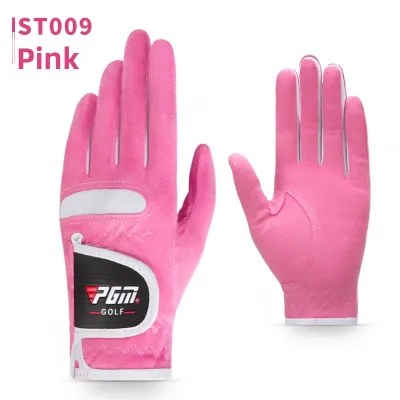
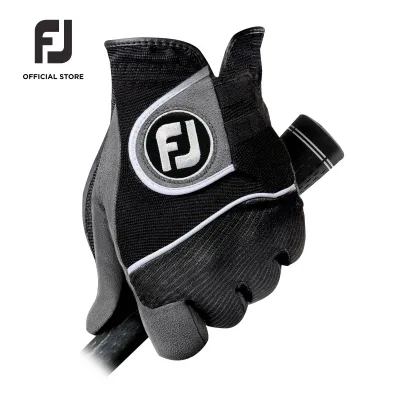
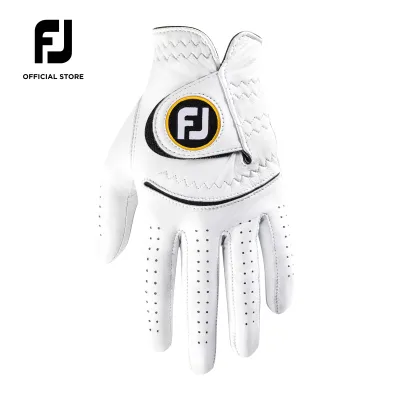
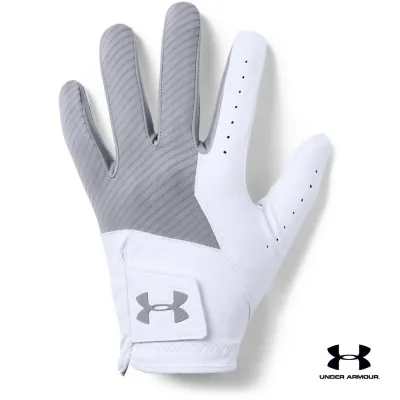
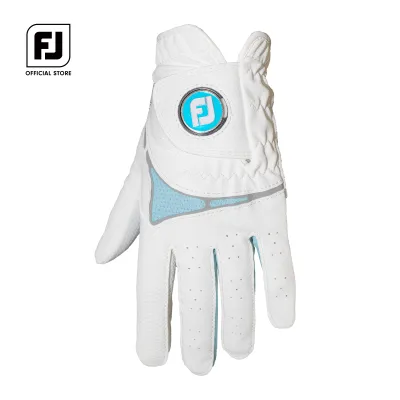
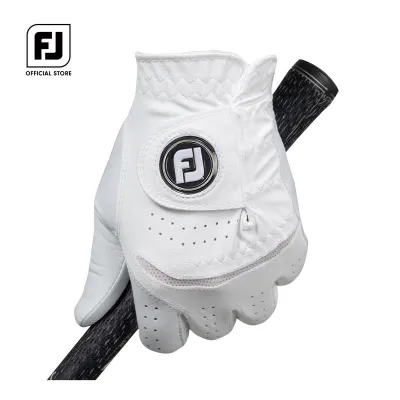
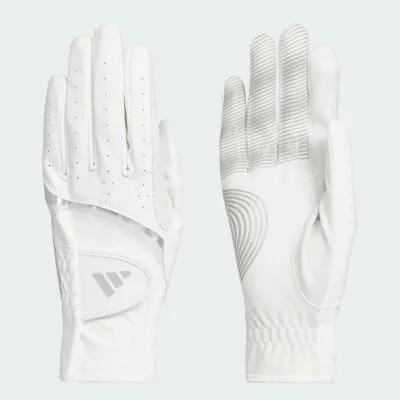
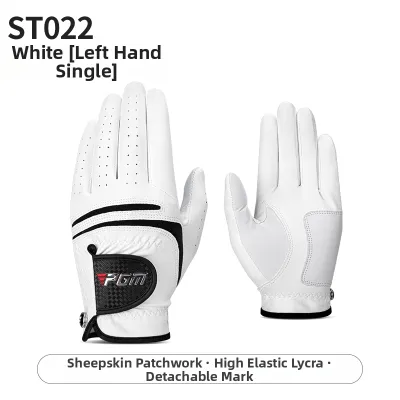
Prices are valid at publication and may change. Please refer to the product page for the latest price.
How to Measure Your Hand for the Perfect Glove Fit
To find a glove that fits like a second skin, you must start with accurate measurements of your lead hand. Sizing standards can vary significantly between manufacturers, meaning a medium in one brand might feel like a medium-large in another. Taking your own measurements ensures you can cross-reference them with any brand’s specific size chart before making a purchase.
To measure your hand, you will need a flexible fabric measuring tape. First, measure your palm circumference by wrapping the tape around your dominant knuckles, excluding the thumb. Keep your hand flat and relaxed during this process. Next, measure your finger length by placing the tape at the base of your middle finger on the palm side and measuring straight to the very tip of that finger. Note these measurements in both inches and centimeters.
When trying on a glove, the “second skin” standard is your benchmark. The material should lay completely flat across your palm with no excess fabric bunching up when you close your hand. There should be no empty space or loose fabric at the tips of the fingers. If the fingertips are tight enough to press painfully against your nails, or if there is a gap at the end of the fingers, the size is incorrect.
You must also understand the difference between standard cuts and cadet cuts. Standard gloves are designed for hands with proportional finger lengths and palm widths. Cadet gloves feature shorter finger lengths and wider palms. If you find that standard gloves fit your palm but leave empty space at the tips of your fingers, a cadet size will likely provide a much better fit. Women’s specific gloves are typically narrower in the palm and fingers to accommodate smaller hand structures.
Understanding Golf Glove Materials and Their Trade-offs
Golf gloves are primarily constructed from premium leather, synthetic materials, or a hybrid combination of both. Each material offers distinct advantages regarding feel, durability, and weather resistance, making your choice highly dependent on your playing environment and personal preferences.

Premium leather gloves, often made from high-grade Cabretta leather, are favored by experienced players for their exceptional softness and tactile feedback. Cabretta leather conforms closely to the contours of your hand, offering a natural feel that allows you to sense subtle changes in grip pressure. However, natural leather is highly susceptible to moisture damage. It absorbs sweat and rain easily, which can cause the leather to stretch out of shape, stiffen upon drying, and wear out quickly if not cared for meticulously.
Synthetic gloves are engineered for durability, breathability, and moisture management. These gloves utilize advanced synthetic leathers and microfiber fabrics that resist stretching and cracking over time. They are highly effective at wicking sweat away from the skin, making them an excellent choice for high-frequency practice sessions or wet weather. While synthetic options may not offer the ultra-soft feel of premium Cabretta leather, they maintain their shape and grip performance through many more rounds of play.
Hybrid gloves offer a practical middle ground by combining both materials. These designs typically place premium leather in high-wear and high-contact zones, such as the palm and thumb, to preserve tactile feel where it matters most. The back of the hand and the finger joints are constructed from synthetic materials or flexible mesh panels to enhance breathability and flexibility. Always check the product labels for exact material composition and specific care instructions to ensure the glove matches your expectations.
Matching Glove Features to Your Playing Frequency and Style
Your choice of golf glove should align with how often you play, where you practice, and your individual swing characteristics. A golfer who spends hours on the driving range every week has very different equipment needs than a weekend player who only plays occasional rounds.
For high-frequency range practice, durability should be your primary concern. The repetitive nature of range sessions, where you hit dozens of balls in rapid succession, subjects a glove to intense friction and heat. Using a premium Cabretta leather glove for daily range work can quickly become expensive, as the soft leather will wear thin rapidly. For these sessions, a durable synthetic glove or a reinforced hybrid glove is far more cost-effective. Save your premium leather gloves for actual rounds on the course where maximum feel is required.
Environmental conditions play a massive role in glove selection, especially in hot and humid climates like Singapore. High humidity and heat lead to increased hand perspiration, which can cause a leather glove to slip on the grip. If you play in these conditions, look for gloves featuring extensive perforation, mesh inserts along the knuckles, or specialized synthetic materials designed to maintain grip when wet.
Your swing style and grip pressure also dictate the ideal glove thickness. Golfers with a light, relaxed grip pressure often prefer ultra-thin leather gloves to maximize their connection to the club. Conversely, players with high swing speeds or those who tend to grip the club tightly may benefit from slightly thicker synthetic or hybrid gloves that offer more cushioning and structural support. To manage wear and moisture during a long round, consider purchasing multipacks. This allows you to rotate between two or three gloves every few holes, giving each glove time to dry out and extending their overall lifespan.
Evaluating Fit, Comfort, and Closure Systems
Before taking a glove to the course, you must verify its fit and comfort through a series of physical checks. A glove that feels fine when your hand is open may pinch, slip, or restrict your movement once you actually grip a golf club.
Start by inspecting the closure system, which typically consists of an adjustable hook-and-loop strap. When you pull the strap to fasten the glove, it should secure comfortably without being pulled to its absolute limit. Ideally, about one-quarter of an inch of the hook-and-loop tab should remain exposed. If you have to pull the strap completely across to get a snug fit, the glove is too large and will slip as it stretches. If the strap barely reaches the fastening pad, the glove is too small and will put excessive tension on the seams.
Next, test the flexibility of your finger joints. Put the glove on and make a tight fist, then mimic your golf grip. The glove should flex naturally with your hand without pulling tightly across the knuckles or restricting your fingers from wrapping fully around the grip. If you feel resistance or if the fabric digs into your skin, look for a glove with integrated stretch panels over the knuckles.
Watch out for clear signs of a poor fit during these movements. If the palm material wrinkles or bunches up when you close your hand, the excess fabric will slide against the club grip, reducing your control and causing blisters. If the wrist section slips down during a practice swing, the glove lacks the structural security needed for consistent play. Remember that natural leather gloves will stretch and break in slightly after a few holes, whereas synthetic gloves will maintain their original dimensions from the first tee to the last.
Care and Maintenance to Extend Glove Lifespan
Proper post-round care is essential to maximize the lifespan of your golf glove, especially if you prefer premium leather options. Simple maintenance habits can prevent the material from stiffening, cracking, or losing its grip properties prematurely.
After completing a round or practice session, never crumple your glove and toss it into your golf bag. If the glove is damp from sweat or rain, it must be dried properly. Hang the glove in a well-ventilated area away from direct sunlight, radiators, or artificial heat sources. High heat dries out the natural oils in leather, leaving it brittle, stiff, and prone to tearing.
Once dry, store the glove flat. Keeping it in its original packaging or using a dedicated plastic glove keeper helps the material retain its shape and prevents it from wrinkling. If you must clean your glove, follow the manufacturer’s instructions carefully. For most gloves, a gentle wipe with a damp cloth is sufficient to remove surface dirt and salt buildup from sweat. Avoid using harsh chemical detergents or submerging leather gloves in water, as this will ruin the material’s texture.
Even with meticulous care, all golf gloves eventually wear out. You should inspect your glove regularly for physical signals that indicate it is time for a replacement. Look for thinned areas on the palm or thumb, visible holes, a loss of tackiness on the grip surface, or a hook-and-loop closure that no longer stays securely fastened. Playing with a worn-out glove compromises your grip security, forcing you to hold the club tighter and disrupting your natural swing mechanics.
Frequently Asked Questions (FAQ)
Do I need to wear a golf glove on both hands?
Most golfers only wear a single glove on their lead hand because that hand has the most contact with the club grip and requires the most protection against friction. Wearing a single glove preserves the natural feel and feedback in your trailing hand, which is crucial for delicate short-game shots and putting. However, some players choose to wear gloves on both hands. This dual-glove approach is highly beneficial in extremely wet weather, high-humidity environments, or for players who are highly prone to blisters on both hands.
How often should I replace my golf glove?
There is no fixed timeline or set number of rounds for replacing a golf glove, as wear rates depend entirely on your grip pressure, practice frequency, and local climate. Instead, rely on observable wear indicators. You should replace your glove as soon as you notice the material thinning in high-friction areas like the heel of the palm, when the leather becomes stiff and crusty despite proper drying, or when the grip surface feels slick rather than tacky.
Can I use a regular sports glove instead of a specific golf glove?
While you can physically wear other sports gloves, they are not designed for the specific demands of a golf swing. Golf gloves are engineered to be exceptionally thin to maximize tactile sensitivity and feedback, allowing you to feel the club’s movement. General sports gloves, such as those for weightlifting or cycling, often feature thick padding in the palms. This padding alters your grip size, reduces your control over the clubface, and prevents you from establishing a natural, relaxed hold on the club.
Community discussion
Share your experience or ask a question. Comments are reviewed before publication.