
Finding the right groin guard for men in Singapore requires looking beyond a one-size-fits-all solution. The ideal protective gear depends heavily on the specific movement patterns, impact risks, and regulatory requirements of your chosen sport. A guard designed for the high-velocity impact of a cricket ball will severely restrict a Brazilian Jiu-Jitsu practitioner during ground transitions, while a lightweight grappling cup may fail to provide adequate protection against a stray low kick in Muay Thai. By understanding how different designs balance coverage, mobility, and security, you can select gear that keeps you safe without hindering your performance.
To make an informed decision, you must evaluate how a guard manages impact forces, how securely it stays in place during dynamic movements, and how well it handles the local tropical climate. This guide breaks down the essential structural components of modern groin guards, maps them to specific athletic disciplines, and provides practical steps to ensure a precise fit and long-lasting protection.
Why Sport-Specific Protection Matters
Using a single groin guard for every athletic activity is a common mistake that can lead to both discomfort and severe injury. Different sports present distinct impact profiles, which dictate how a protective cup should be shaped, padded, and secured. For instance, standing combat sports like boxing and kickboxing primarily involve frontal and upward strikes. These impacts require a guard that can absorb direct, high-energy forces and distribute them safely across the pelvic bones rather than the sensitive soft tissues.
Products mentioned in this guide
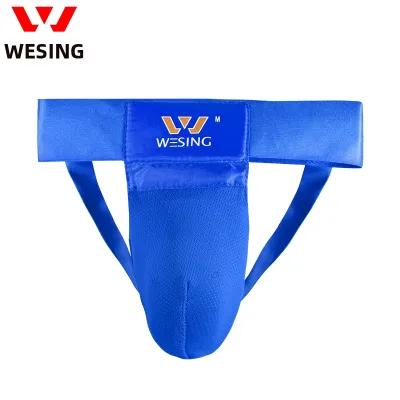
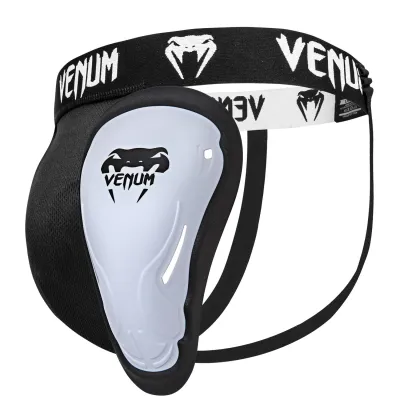
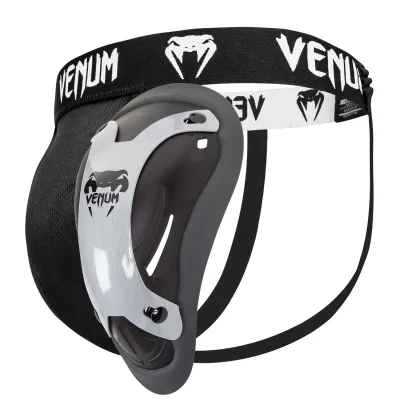
![[SG FREE ] Groin Protector Cup Men Boxing Kickboxing Guard Muay Groin Guard Ventilated Adjustable Karate Fighting Trai](https://img.lazcdn.com/g/p/40638f93ec1dfbe25093f298a9b2dc40.jpg_400x400q80.jpg_.webp)
![[SG FREE ] Flex Shield Cup Adult Youth Groin Protector For Contact Sports Athletic Cup Football Baseball Hockey Guard F](https://img.lazcdn.com/g/p/2032612ad2e15872183284691cf5cc48.jpg_400x400q80.jpg_.webp)
![[SG FREE ] Cup Groin Athletic Protector Crotch Sports Guard Mens Cricket Youth Shield Baseball Football](https://img.lazcdn.com/g/p/65464d7b441821b47951fe2cb5d68d88.jpg_400x400q80.jpg_.webp)
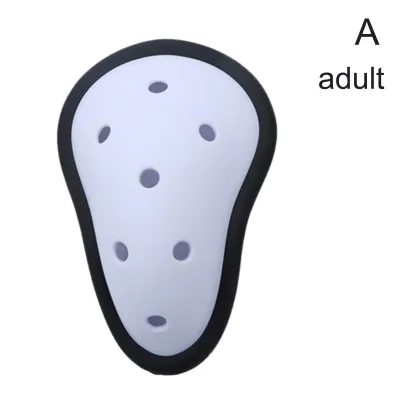
Prices are valid at publication and may change. Please refer to the product page for the latest price.
In contrast, field sports like cricket or hockey involve high-velocity, small-diameter projectiles. A cricket ball traveling at high speed carries immense kinetic energy concentrated on a very small surface area. The protective gear for these sports must feature a rigid, reinforced shell with wide, padded edges to prevent the cup from collapsing or driving directly into the groin area upon impact. The shape of a cricket “box” is specifically contoured to deflect these fast-moving objects away from the body.
Grappling arts, such as Brazilian Jiu-Jitsu (BJJ) and wrestling, introduce an entirely different set of physical demands. Here, the primary concern is not a high-speed projectile or a direct strike, but constant close-contact friction, pressure, and rapid transitions on the mat. A bulky, rigid guard designed for striking or field sports will pinch the inner thighs, slip out of position during guard passes, and potentially injure your training partners. Grappling requires low-profile, highly flexible guards that move naturally with the body while remaining firmly anchored.
Furthermore, local sports clubs, gyms, and tournament organizers in Singapore often enforce specific rules regarding safety equipment. Some sparring sessions or amateur competitions prohibit metal cups due to the risk of injuring an opponent during close-range exchanges, while others mandate specific types of padded groin protectors. Verifying these regulations before purchasing your gear ensures you remain compliant and fully protected during both training and official matches.
Key Features to Evaluate Before Buying
When comparing groin guards, the material of the cup is the first line of defense to consider. Hard plastic cups are lightweight, affordable, and highly common in general athletic wear. They offer sufficient protection for low-to-medium impact sports but can crack under extreme force. Steel cups, traditionally used in Muay Thai, offer the highest level of structural integrity and are virtually indestructible, though they are heavier and require a secure tie-on system. Flexible composite cups feature a rigid core surrounded by a rubberized, pliable edge, offering an excellent compromise by absorbing impact while flexing naturally with your body movements.

The retention system is equally critical, as even the strongest cup is useless if it shifts out of place during a sudden movement. Traditional jockstraps utilize a simple waistband and elastic leg straps to hold the cup pocket directly against the body. This design keeps the cup highly secure and offers maximum breathability, though some users find the straps prone to chafing. Modern compression shorts with integrated cup pockets have become highly popular because they distribute pressure evenly across the hips and thighs, reduce skin-on-skin friction, and provide a streamlined fit under training gear.
In Singapore’s hot and humid climate, sweat management is a vital consideration for any protective gear. Intense physical activity leads to rapid moisture buildup, which can cause severe chafing, skin irritation, and bacterial growth if the gear does not breathe well. Look for retention systems made from advanced moisture-wicking fabrics, such as polyester-spandex blends, and those featuring integrated mesh ventilation panels. These materials pull sweat away from the skin and allow air to circulate, keeping you dry and comfortable throughout long training sessions.
Finally, pay close attention to the edge padding of the cup itself. A bare plastic or metal edge pressing directly against your skin will cause discomfort and can bruise the surrounding pelvic area during an impact. High-quality groin guards feature a generous, molded rubber or foam border around the entire perimeter of the cup. This padding acts as a shock absorber, cushioning the contact point between the guard and your pubic bone while helping to seal the cup firmly in place.
Matching Groin Guards to Specific Sports
Selecting the right groin guard requires matching the structural design of the gear to the specific physical demands of your sport. By grouping activities by their primary impact risks and movement patterns, you can identify the exact features needed to stay safe and mobile.
Striking Arts (Muay Thai, Boxing, Kickboxing)
Striking disciplines demand maximum frontal and upward protection to withstand powerful kicks, knees, and accidental low blows. In Muay Thai and kickboxing, where kicks travel upward along the inner thigh, a standard athletic cup can easily be displaced, leading to severe injury. This is why traditional Muay Thai practitioners rely on steel cups secured by a three-point nylon or cotton lace system. This traditional tie-on method ensures the cup remains completely immovable, flush against the body, regardless of the angle of the incoming strike.
For western boxing, where low kicks are not a factor but low punches can occur, practitioners often prefer larger, padded leather groin protectors. These guards extend upward to cover the lower abdomen and wrap around the hips, providing comprehensive coverage against stray body shots. When choosing a guard for striking arts, always check your local gym’s sparring rules. Some training centers prefer students to use heavy-duty plastic cups with wide, padded waistbands rather than steel cups to minimize the risk of scraping or bruising a sparring partner’s shins during close-range exchanges.
Grappling and Mixed Martial Arts (MMA, BJJ)
Grappling sports require a delicate balance between protection and extreme mobility. Because BJJ, wrestling, and MMA involve constant hip movement, twisting, and ground transitions, a bulky or poorly fitted guard will quickly become a hindrance. If a cup shifts during a scramble, it can pinch the groin or inner thigh, causing intense pain and distracting you from the match. For these disciplines, compression shorts with a built-in, high-tension cup pocket are highly recommended, as they keep the protective element flat against the body without the need for restrictive straps.
Many grappling practitioners opt for specialized cups with flexible, rubberized edges that bend slightly during deep hip flexions, such as when holding a closed guard or executing a takedown. In some BJJ communities, athletes choose to train without a cup entirely during casual rolling to avoid injuring their training partners with hard plastic or metal edges during transitions like armbars. If you do wear a guard, ensure it has a low profile and a soft outer lining to prevent mat burns and protect your training partners from unnecessary discomfort.
Field and Racket Sports (Cricket, Fencing, Hockey)
Field and racket sports involve high-speed, linear running, sudden lateral changes of direction, and the risk of high-velocity projectile impacts. In cricket, a specialized groin guard, commonly referred to as a “box,” is essential. These guards are deeper and more rigid than standard athletic cups, designed specifically to withstand and deflect the immense force of a hard leather cricket ball. They often feature extended lower borders to protect the sensitive areas from upward-bounding deliveries.
For fencing, the guard must accommodate deep, explosive lunges while protecting against the direct thrust of an opponent’s blade. Fencers typically use lightweight, highly contoured cups integrated into protective under-garments that do not restrict rapid forward-and-backward footwork. Across all field and racket sports, a secure, non-slip jockstrap or compression short system is vital to ensure that high-speed running and sudden stops do not cause the guard to bounce or slide out of its protective alignment.
Fit, Sizing, and Wearability Checks
Achieving a perfect fit is the most critical step in ensuring your groin guard performs as intended. A common point of confusion is the difference between waistband sizing and cup sizing. Waistband sizing refers strictly to the elastic straps or compression shorts that hold the guard in place, which should match your standard athletic short size. Cup sizing, however, relates to your physical anatomy and the area that requires coverage. A cup that is too small will fail to enclose the sensitive areas fully, while a cup that is too large will have gaps along the edges, allowing it to shift and cause severe pinching during an impact.
To verify that a groin guard fits correctly, perform a physical check before using it in a live training session. The cup must sit completely flush against your pubic bone, creating a secure seal around the entire area. There should be no visible gaps between the padded edge of the cup and your skin. If you can easily slide a finger under the edge of the cup while standing normally, the retention system is either too loose, or the cup shape is incompatible with your anatomy.
Once you have verified the static fit, test the guard’s stability through a series of dynamic movements. Perform a deep squat, bring your knees up to your chest one at a time, and take several wide lateral steps. The cup should remain centered and move in unison with your pelvis, without digging into your inner thighs or pinching your skin. If the guard shifts, slides downward, or restricts your natural range of motion during these basic movements, you need to adjust the strap tension, try a smaller cup size, or explore a different retention style.
Care, Maintenance, and Replacement Signals
Proper maintenance is essential to keep your groin guard hygienic and structurally sound, especially when training in warm, humid environments. After every training session, remove the cup from its retention shorts or jockstrap. The fabric components should be washed regularly to prevent the buildup of sweat, bacteria, and unpleasant odors. To preserve the elasticity of the waistband and leg straps, hand-wash them in cool water with a mild detergent, or place them in a mesh laundry bag and use a gentle machine cycle, then allow them to air-dry completely away from direct sunlight.
The protective cup itself must be sanitized separately to maintain proper hygiene. Wash the cup with warm, soapy water after each use, using a soft cloth to remove any accumulated sweat or dirt. Avoid using harsh chemical solvents, boiling water, or abrasive scrubbing pads, as these can degrade the integrity of plastic, rubber, or composite materials over time. Once clean, wipe the cup dry with a clean towel and store it in a well-ventilated gear bag; leaving damp protective gear sealed in a dark bag encourages the growth of mold and mildew.
Regularly inspect your groin guard for visible signs of wear and tear that could compromise its protective capabilities. Over time, the elastic straps on jockstraps and compression shorts will stretch out, reducing the tension required to hold the cup securely against your body. If the waistband feels loose or the cup sags during movement, it is time to replace the retention system. For the cup itself, look closely for micro-cracks, stress fractures, or peeling rubber edges. A cracked cup can shatter under a heavy impact, leading to severe lacerations and injury, and must be discarded and replaced immediately.
Frequently Asked Questions (FAQ)
Can I use a martial arts groin guard for cycling or running?
Using a heavy-duty martial arts groin guard for endurance sports like cycling or running is highly discouraged. Combat sports cups are designed to absorb high-energy, sudden impacts, which requires a rigid structure that can cause severe chafing and skin abrasion during the repetitive, high-frequency leg movements of running or cycling. For endurance activities, look for specialized athletic supporters or padded cycling shorts that focus on moisture management, friction reduction, and gentle support rather than rigid impact protection.
How tight should the compression shorts or jockstrap be?
Your retention system should be snug enough to hold the protective cup firmly and flatly against your pubic bone, ensuring it cannot shift or rotate even a millimeter during explosive movements. However, the straps or waistband should not be so tight that they restrict your blood circulation, leave deep, painful red welts on your skin, or limit your ability to take deep breaths. If you experience numbness, pinching, or restricted hip mobility, the gear is too tight and you should size up.
Community discussion
Share your experience or ask a question. Comments are reviewed before publication.