
Selecting the right gym gloves is not a one-size-fits-all decision. To find the perfect pair, you must match the glove design to your specific training style. Heavy strength training requires padded palms to cushion against heavy metal knurling, while high-intensity functional workouts demand lightweight, high-grip materials that manage sweat. If you focus on heavy overhead lifts, integrated wrist support is essential. By aligning your glove choice with your workout routine, you can protect your skin, improve your grip, and maintain hand comfort throughout your fitness journey.
Quick Guide: Matching Gym Gloves to Your Workout
To help you quickly identify the right style, use this summary matrix mapping common workout types to their ideal glove features:
| Workout Style | Primary Glove Type | Key Feature | Best For |
|---|---|---|---|
| Heavy Strength | Padded Gloves | Thick foam or gel palms | Barbells, dumbbells, heavy pulls |
| HIIT & Rowing | Grip-Focused | Silicone or textured palms | Kettlebells, pull-up bars, rowers |
| Olympic Lifting | Wrist-Support | Integrated adjustable wraps | Overhead presses, cleans, snatches |
| Yoga & Pilates | Minimalist / Open-Palm | Fingerless, breathable back | Mat work, light cable machines |
While gloves offer excellent protection against friction and calluses, they are not always mandatory. For exercises requiring maximum tactile feedback, such as Olympic weightlifting or gymnastics, some lifters prefer bare hands or lifting chalk. Chalk absorbs moisture to secure your grip but does not protect against skin tears or friction. If your local gym has strict rules against messy chalk, or if you want to prevent calluses entirely, a dedicated pair of gym gloves is the most practical solution.
Products mentioned in this guide
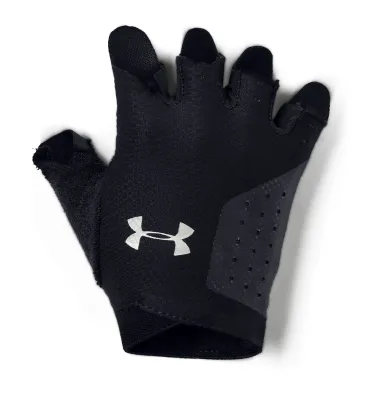
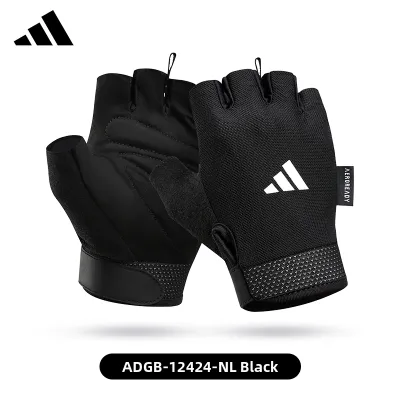
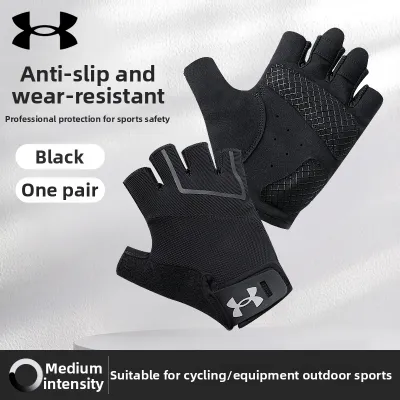
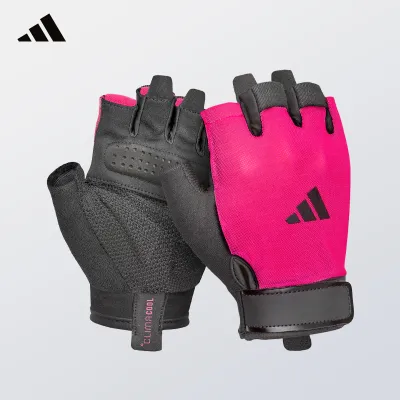
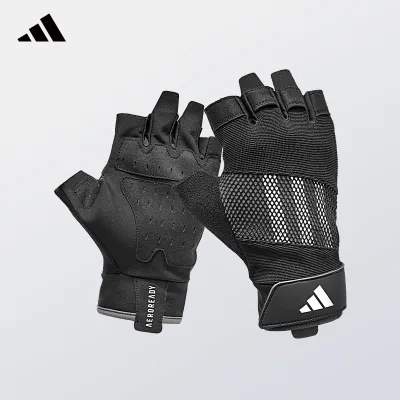
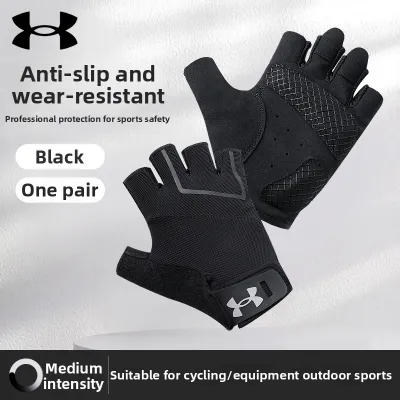
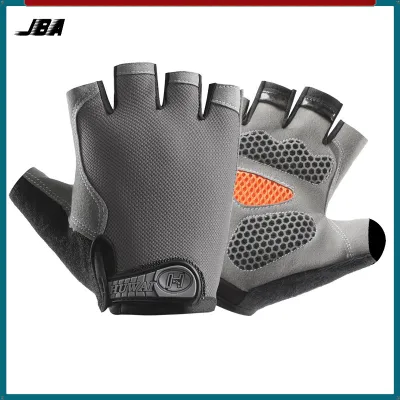
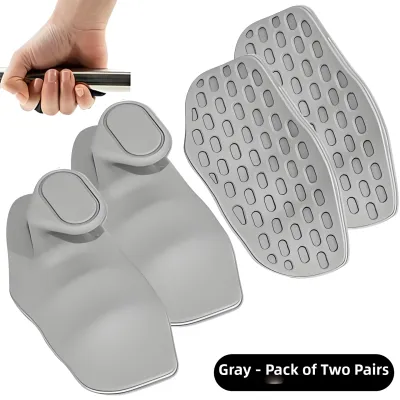
Prices are valid at publication and may change. Please refer to the product page for the latest price.
Padded Gym Gloves for Heavy Lifting and Strength Training
Heavy lifting with barbells and dumbbells subjects your palms to intense friction and pressure. Padded gym gloves feature thick foam or gel inserts strategically placed across the palm and fingers to cushion your hands. This padding is highly effective at preventing painful calluses and blisters during high-volume pulling movements like deadlifts, rows, and pull-downs. By absorbing the pressure of the heavy steel, these gloves allow you to focus on targeting the correct muscle groups rather than cutting your sets short due to hand discomfort.

However, thick padding comes with a distinct trade-off. The extra material increases the effective diameter of the barbell or dumbbell handle, which can make it harder to wrap your fingers completely around the bar. This can slightly reduce your overall grip strength and diminish the tactile feel of the weight. If you are working on maximizing your raw grip strength, you may want to opt for moderate padding rather than maximum thickness.
When shopping for padded gloves, check the product specifications for high-quality padding materials like high-density foam or gel. Look for breathable mesh backings to prevent your hands from overheating, especially when training in warm, humid environments. Ensure the padding is segmented so your hand can flex naturally around a bar without bunching.
Grip-Focused Gloves for HIIT, Functional Training, and Rowing
High-intensity interval training (HIIT), functional fitness, and rowing require rapid transitions between different pieces of equipment. For these dynamic workouts, heavy padding can feel bulky and restrictive. Instead, grip-focused gloves prioritize a thin, flexible barrier combined with high-traction palm surfaces. These gloves are designed to maximize your control over kettlebells, medicine balls, and rowing handles while keeping your hands cool and dry.
The defining feature of grip-focused gloves is the palm coating, which often utilizes patterned silicone or textured synthetic suede. This texture creates high friction against smooth metal and plastic surfaces, preventing slippage even when your hands are sweaty. Because these gloves are lightweight, they offer excellent tactile feedback, allowing you to feel the equipment and adjust your hand positioning instantly during fast-paced movements.
Keep in mind that grip-focused gloves have clear limitations. Because they lack thick cushioning, they will not protect your palms from the deep pressure of near-maximal lifts. If your workout consists primarily of heavy powerlifting, these thin gloves may not provide enough comfort. They are best reserved for high-repetition, moderate-weight training where agility and sweat management are your top priorities.
Wrist-Support Gloves for Olympic Lifting and Heavy Pressing
Olympic lifting, overhead presses, and heavy bench pressing place significant structural demands on your wrists. Under heavy loads, the wrist joint can easily force its way into excessive extension, leading to fatigue or discomfort. Wrist-support gym gloves address this issue by integrating a wide, adjustable wrap directly into the glove structure. This dual-purpose design protects your palms from friction while stabilizing the wrist joint under heavy vertical loads.
Standard gym gloves only cover the hand, leaving the wrist free to flex. In contrast, wrist-support models feature an extended strap that wraps tightly around the wrist joint, secured by heavy-duty fasteners. This external stabilization helps maintain a neutral wrist alignment, reducing joint fatigue during high-volume pressing routines.
To ensure safety and effectiveness, you must perform a proper fitting check when using these wraps. The wrap should be tight enough to restrict backward wrist extension during your lift, but it must not cut off circulation or cause tingling in your fingers. Always loosen the wrist straps between sets to allow normal blood flow to return to your hands, tightening them only right before you begin your lift.
Minimalist and Open-Palm Options for Yoga, Pilates, and Light Machines
For low-impact workouts like yoga, Pilates, or light cable-machine routines, traditional full-coverage gloves are often unnecessary and overly warm. Minimalist and open-palm designs offer a streamlined alternative. These options typically feature an open-back construction, fingerless cuts, or simple palm-pad sleeves that cover only the areas most vulnerable to friction.
The primary benefit of an open-palm or open-back design is superior temperature regulation. By leaving the back of the hand exposed, these gloves allow sweat to evaporate quickly, keeping your hands cool during studio sessions. They also preserve tactile contact with the floor, which is crucial for balance during yoga poses or Pilates reformer exercises.
While minimalist gloves provide a hygienic barrier against shared studio equipment, there are times when bare hands or specialized grip socks are more appropriate. For pure yoga practices, bare hands on a high-quality sticky mat offer the best stability. However, if you are using shared studio mats, reformers, or cable attachments, a pair of minimalist grip gloves provides a clean, slip-resistant barrier without the bulk of standard weightlifting gear.
Ensuring the Right Fit and Comfort for Women's Hands
Finding the correct glove size is essential for both comfort and performance. A glove that is too tight can restrict blood circulation and limit your hand’s natural range of motion, while a loose glove will slip, bunch up, and actually cause the friction blisters you are trying to avoid. To find your size, use a flexible measuring tape to measure your hand circumference around the knuckles of your dominant hand, excluding the thumb, and compare this measurement to the manufacturer’s specific sizing chart.
Next, evaluate the closure mechanism. Velcro closures offer the highest level of adjustability, allowing you to tighten or loosen the glove as your hands swell during a workout. Slip-on designs provide a sleek, minimalist fit but can be difficult to peel off once your hands are sweaty. Elastic closures offer a middle ground but may lose their tension over time.
Finally, inspect the internal seam placement before committing to a pair. Run your fingers along the inside of the glove to check for thick, rough seams, particularly around the thumb crotch and the base of the fingers. During repetitive gripping movements, these raised seams can rub against your skin, leading to painful chafing. Opt for gloves with flat-lock stitching or seamless palm construction to ensure long-term comfort.
Care and Maintenance to Extend Glove Lifespan
Gym gloves absorb a significant amount of sweat, oils, and friction during every workout. Without proper care, they can quickly become stiff, degrade, and develop unpleasant odors. To extend the lifespan of your gloves, always pull them out of your gym bag immediately after your workout. Hang them in a well-ventilated area to air dry, especially in humid climates where moisture lingers.
When it comes to cleaning, always refer to the manufacturer’s care label. Most synthetic gloves can be hand-washed in cool water with a mild detergent, while genuine leather gloves require specialized leather cleaners to prevent the material from drying out and cracking. Avoid using fabric softeners, as they can leave a residue that reduces the effectiveness of silicone grip patterns. Always air dry your gloves away from direct sunlight or direct heat sources, which can warp the materials.
Regularly inspect your gloves for visual signs of wear. Thinning palm padding, fraying seams, or peeling silicone grips indicate that the materials are breaking down. Once the structural integrity of the glove is compromised, it will no longer provide adequate protection or grip, signaling that it is time to invest in a replacement pair.
Frequently Asked Questions (FAQ)
Do I really need gym gloves, or is lifting chalk enough?
Lifting chalk and gym gloves serve different primary purposes. Chalk is a dry powder that absorbs sweat to improve your grip on the bar, making it highly popular for Olympic lifting and powerlifting where maximum tactile feedback is required. However, chalk does not provide a physical barrier against friction, meaning it cannot prevent calluses, blisters, or skin tears. Additionally, many commercial gyms ban loose chalk due to the mess it creates. Gym gloves are the better choice if you want to keep your hands smooth, protect your skin from tears, or train in a facility that prohibits chalk.
How do I prevent my gym gloves from developing odors?
Preventing odors starts with immediate post-workout care. Never leave damp gloves crumpled inside a dark gym bag, as this creates an ideal environment for odor-causing bacteria to thrive. Instead, hang them up to dry in a well-ventilated space immediately after training. If you workout multiple times a week, consider alternating between two pairs of gloves to allow each pair to dry completely. You can also look for gloves made with moisture-wicking, antimicrobial fabrics, and wash them regularly according to their care instructions to keep them fresh.
Community discussion
Share your experience or ask a question. Comments are reviewed before publication.