
Selecting the right gym mat is a foundational decision for your home workouts or studio sessions. The optimal material depends entirely on matching your specific exercise routine—whether that involves high-impact cardio, heavy weightlifting, yoga, or floor Pilates—to the physical properties of the mat. Because no single material excels in every category, finding the right balance requires evaluating grip, cushioning, durability, and portability against your personal fitness goals and training environment.
In Singapore, where home workout spaces are often multi-functional rooms or shared living areas in HDB apartments, your choice of mat also impacts your living space. A mat that is too bulky can be difficult to store, while one that lacks proper sound dampening might disturb your neighbors during high-impact jump squats. By understanding how different materials perform under pressure, humidity, and repetitive use, you can make an informed choice that protects both your joints and your flooring.
Comparing TPE, PVC, Rubber, and NBR for Different Exercises
To choose the right mat, you must evaluate how different materials handle the physical demands of your workouts. The primary performance factors to consider are grip (especially when wet with sweat), cushioning (to protect joints), durability (resistance to tearing and compression), and weight (which affects portability). Different exercises place different demands on these properties, meaning a mat that is perfect for a slow-paced stretching routine may fail during a high-intensity interval training (HIIT) session.
Products mentioned in this guide
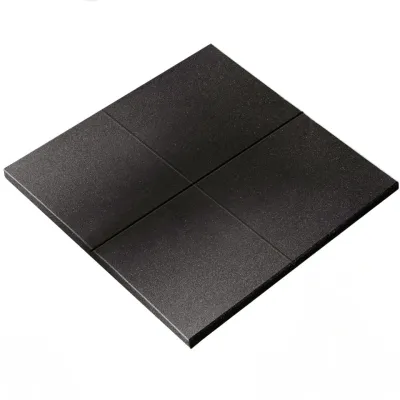
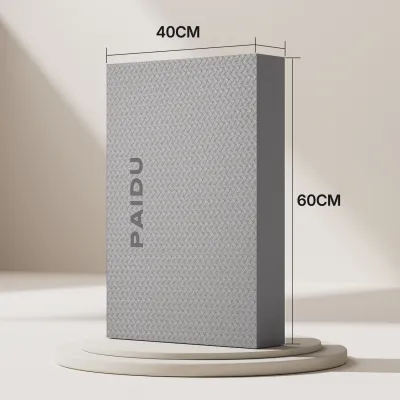
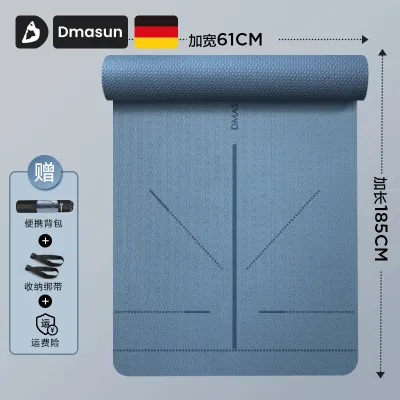
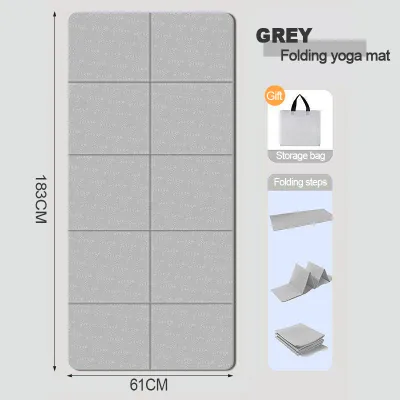
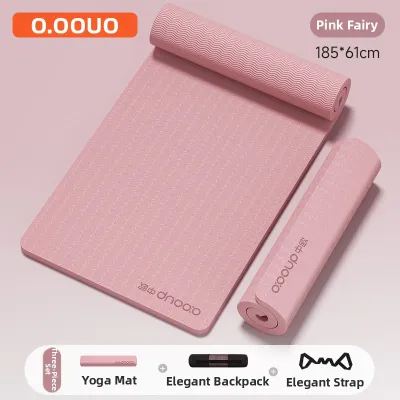
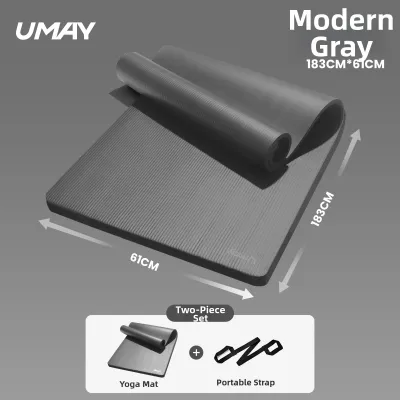
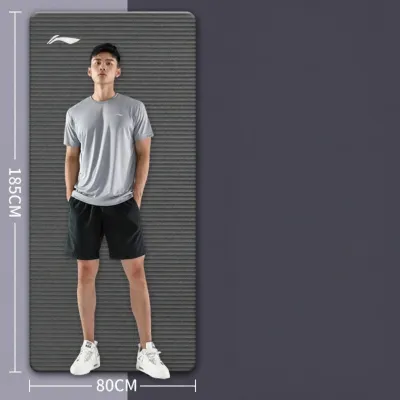
Prices are valid at publication and may change. Please refer to the product page for the latest price.
The following table summarizes how the four primary gym mat materials compare across key performance categories and their most suitable workout types:
| Material | Primary Workout Suitability | Cushioning Level | Grip & Traction | Durability | Portability |
|---|---|---|---|---|---|
| TPE | Light cardio, yoga, general fitness | Moderate | High (dry) | Moderate | High (lightweight) |
| PVC | High-impact aerobics, commercial gyms | Firm | Moderate to High | High | Moderate |
| Rubber | Powerlifting, CrossFit, heavy weights | Low (dense) | Excellent | Very High | Low (heavy) |
| NBR | Pilates, stretching, rehabilitation | Very High (soft) | Moderate | Low to Moderate | High (lightweight) |
TPE (Thermoplastic Elastomer) Mats
Thermoplastic Elastomer, commonly known as TPE, is a synthetic blend of plastic and rubber polymers. This material has gained popularity because it offers a balanced profile, combining moderate cushioning with a lightweight design that makes it easy to roll up and carry. TPE mats typically feature a textured surface that provides reliable dry grip, making them highly suitable for general fitness routines, light cardio, and home workouts.
For fitness enthusiasts in Singapore who commute to local studios or exercise in parks, the lightweight nature of TPE is a major advantage. It does not add significant weight to your gear bag when traveling on public transport. However, TPE has limitations when subjected to extreme conditions. It is not designed for heavy weightlifting or high-intensity workouts where heavy equipment is dropped, as the material can tear under sharp impacts or degrade faster when exposed to direct sunlight and high humidity over long periods.
PVC (Polyvinyl Chloride) Mats
Polyvinyl Chloride, or PVC, is the traditional standard for commercial gym mats and high-frequency fitness studios. Known for its exceptional durability and firm support, a high-quality PVC mat can withstand years of intense use without showing significant wear. The material is highly resistant to tearing, does not degrade easily when exposed to sweat, and is incredibly easy to wipe clean after a strenuous workout.
These characteristics make PVC mats the ideal fit for high-impact aerobics, jump rope sessions, and budget-conscious buyers looking for a long-lasting investment. Because PVC provides a firm, stable surface, it helps prevent your feet from sinking, which is crucial for maintaining balance during rapid lateral movements. The primary trade-offs of PVC are its heavier weight compared to TPE and NBR, and the fact that it lacks eco-friendly appeal, as synthetic PVC is not biodegradable and requires specific manufacturing processes.
Rubber Mats
For heavy-duty stability and maximum floor protection, natural or recycled rubber is the industry standard. Rubber mats are highly dense, heavy, and offer excellent grip even when wet, making them the safest choice for intense training environments. They excel at absorbing the shock of heavy dumbbells, kettlebells, and barbell drops, protecting both your subfloor and your equipment from structural damage.
If your routine focuses on powerlifting, CrossFit, or high-intensity strength training, a thick rubber mat or interlocking rubber tiles will provide the stable foundation you need. The high density ensures the mat does not compress or slide under heavy loads. However, rubber mats are heavy and difficult to transport, making them best suited for permanent home gym setups. They also tend to have a strong initial rubber odor that requires ventilation to dissipate, and their firm, textured surface is less comfortable for prolonged floor work or kneeling exercises.
NBR (Nitrile Butadiene Rubber) Mats
Nitrile Butadiene Rubber, or NBR, is a synthetic rubber compound characterized by its thick, highly compressible structure. NBR mats are typically much thicker than other varieties, often ranging from 10mm to 15mm, which provides a soft, pillowy feel. This high level of cushioning makes NBR the preferred choice for low-impact exercises where joint protection is the primary concern, such as floor Pilates, deep stretching, rehabilitation movements, and kneeling exercises.
The lightweight nature of NBR means that despite its thickness, it remains easy to roll up and store away in a small apartment. However, this extreme softness comes with a significant compromise in stability. During standing balance poses, high-impact jumping, or heavy lifting, the deep compression of NBR can cause your ankles to wobble, increasing the risk of joint strain. Additionally, NBR is prone to stretching and tearing if subjected to rapid footwork or used while wearing training shoes.
Evaluating Mat Specifications and Physical Checks
Because manufacturers use different chemical formulations and density levels, you should not rely solely on marketing terms like “non-slip” or “heavy-duty.” Instead, learn to read product specifications and perform physical checks to verify a mat’s suitability for your specific workout environment.

When reviewing product labels, pay close attention to the thickness and density specifications. Thickness is usually measured in millimeters (mm), while density may be indicated by weight or material grade. A thin mat (3mm to 5mm) offers excellent stability for standing poses but minimal joint protection, whereas a thick mat (10mm to 15mm) offers comfort for floor work but poor stability for standing exercises. If you are shopping in a physical store, use the following checklist to evaluate the mat before purchasing:
- The Rebound Test: Press your thumb firmly into the mat and release it. A high-quality, high-density mat should spring back to its original shape almost instantly. If your thumbprint remains visible for several seconds, the material may bottom out easily during your workouts, offering poor long-term cushioning.
- The Grip and Texture Check: Rub your palm firmly across the surface of the mat. Look for physical textures, such as raised patterns or ribbed surfaces, which provide mechanical grip. Smooth surfaces often become slippery when exposed to sweat, especially in Singapore's warm, humid climate.
- The Edge Durability Test: Gently pull at the outer edges of the mat. If the material stretches excessively, crumbles, or shows signs of tearing under minor tension, it is unlikely to withstand high-impact footwork or regular rolling and unrolling.
Care, Maintenance, and Safety Boundaries
Proper maintenance is essential to preserve the slip resistance and structural integrity of your gym mat. Sweat, body oils, and ambient humidity can create a breeding ground for bacteria and mold, while improper cleaning agents can degrade the polymers, causing the mat to become brittle or slippery.
For routine cleaning, use a simple solution of mild dish soap and warm water applied with a soft microfiber cloth. Avoid harsh chemical cleaners, bleach, or alcohol-based sprays unless the manufacturer explicitly states they are safe for that specific material, as these substances can strip the protective finish off TPE and natural rubber. After cleaning, always lay the mat flat or hang it in a well-ventilated, shaded area to dry completely before rolling it up. Never expose your mat to direct sunlight or store it near heat sources, as high temperatures can warp TPE, dry out natural rubber, and cause NBR to lose its elasticity.
Knowing when to retire your gym mat is crucial for preventing injuries. You should inspect your mat regularly and replace it immediately if you observe any of the following safety stop conditions:
- Deep Tears or Cracks: Structural splits can catch your toes or fingers during dynamic movements, leading to trips or falls.
- Permanent Compression: If the areas where you regularly place your hands, knees, or feet remain permanently flat and no longer rebound, the mat can no longer protect your joints from hard subfloors.
- Loss of Slip Resistance: If the textured surface has worn smooth or the material has become permanently slick despite thorough cleaning, it poses a significant slipping hazard during active workouts.
Frequently Asked Questions (FAQ)
Can I use a thick NBR mat for heavy weightlifting?
No, you should avoid using a thick NBR mat for heavy weightlifting. Because NBR is highly compressible and soft, it deforms easily under heavy loads, creating an unstable foundation for your feet. This instability can compromise your posture during lifts like squats or deadlifts, placing dangerous lateral stress on your ankles, knees, and lower back. For weightlifting, always choose a high-density rubber mat or a firm PVC mat that does not compress under load, ensuring your feet remain flat and securely connected to the floor.
How do I know if a gym mat is truly non-toxic?
To verify if a gym mat is non-toxic, look for independent, third-party safety certifications on the product packaging or the manufacturer’s official website rather than relying on unverified marketing claims. Standard certifications to look for include OEKO-TEX Standard 100, RoHS, or REACH compliance, which verify that the product has been tested for harmful levels of heavy metals, phthalates, and toxic chemical residues. If you have specific sensitivities, look for explicit statements certifying that the mat is free from latex, PVC, or heavy metals.
Community discussion
Share your experience or ask a question. Comments are reviewed before publication.