
Selecting the right gym wrist cuff depends on matching the accessory’s stiffness, material, and width to your training style and joint anatomy. Whether you are performing heavy overhead presses in a local strength facility or executing dynamic Olympic lifts in a humid Singapore fitness center, the correct wrist support stabilizes the joint without restricting necessary movement. By evaluating how different materials manage sweat, how various widths distribute load, and how different closure mechanisms secure the wrist, you can find a balance that enhances your lifting safety and comfort.
Using supportive gear is a personal decision that should align with your physical condition and training goals. Wrist cuffs are designed to provide external compression and structural reinforcement, helping to limit excessive deviation during heavy loads. However, they are not a substitute for proper lifting technique or joint rehabilitation. If you have a history of chronic joint pain or a previous injury, it is essential to consult a healthcare professional before relying on external supports to get through your workouts.
Understand Your Lifting Needs and Wrist Support Goals
Before browsing online marketplaces or local sports stores, you must define what you expect from a wrist cuff. Different athletic disciplines place unique demands on your upper body joints. For example, powerlifting focuses on maximal force production in static planes, such as the bench press or low-bar back squat. In these movements, the wrist must remain as rigid and upright as possible to ensure efficient force transfer from your arms to the barbell. A highly rigid, wide cuff is typically favored here to prevent the wrist from bending backward under extreme loads.
Products mentioned in this guide
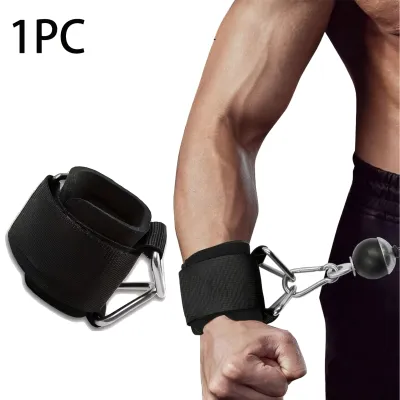
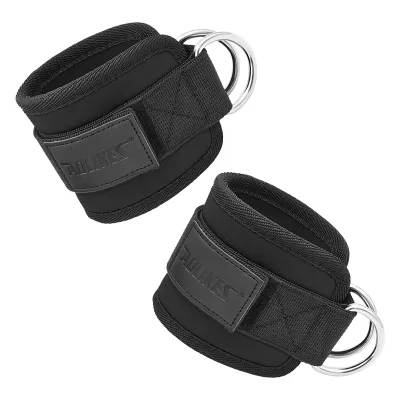
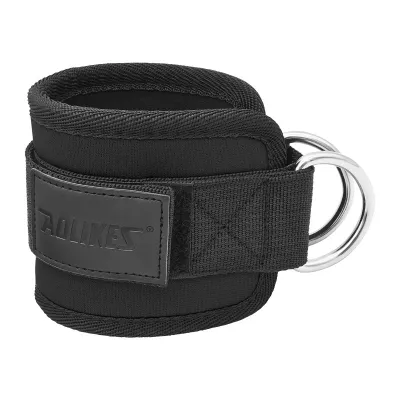
Prices are valid at publication and may change. Please refer to the product page for the latest price.
In contrast, Olympic weightlifting and dynamic functional fitness require a high degree of wrist flexibility. Movements like the clean and jerk, snatch, or front squat force the wrist into deep extension. If you wear an overly stiff or wide cuff during these exercises, you may restrict your receiving position, which can compromise your catch and increase the risk of dropping the weight. For these dynamic lifts, a narrower, more flexible cuff is necessary to allow the joint to move through its natural range of motion while still offering a baseline level of compression.
Your personal physical profile also plays a major role in your selection. Assess your current wrist mobility by performing simple active extension and flexion tests without any load. If you naturally possess stiff joints, you might require a more flexible cuff that provides warmth and light compression rather than extreme restriction. Conversely, if you have hypermobile joints, you may benefit from a stiffer material that acts as a physical stop against over-extension. Always take note of any past sprains or tendon issues, as these areas may require targeted compression that does not pinch or aggravate sensitive tissues.
Evaluate Key Wrist Cuff Features
When comparing different wrist cuffs, the material composition is one of the most critical factors for long-term comfort and performance. Most cuffs are made from cotton blends, polyester, nylon, or elasticized rubber. Cotton-heavy blends are highly breathable and soft against the skin, making them excellent for absorbing sweat during intense workouts. However, they tend to stretch out over time and offer less structural rigidity. Synthetic materials like nylon and polyester, often woven with elastic fibers, provide much greater tension and durability, though they can trap heat and moisture more easily.

In warm and humid climates, such as in Singapore, sweat management becomes a primary consideration. Excess moisture under a synthetic cuff can lead to skin irritation, slipping, and a rapid buildup of odor-causing bacteria. If you train in non-air-conditioned gyms or sweat heavily, look for cuffs that feature moisture-wicking linings or open-weave elastic patterns. These designs allow air to circulate, keeping the skin drier and maintaining a secure grip between the fabric and your wrist throughout your training session.
The width of the cuff directly influences how much surface area of your joint is covered and supported. Standard wrist cuffs typically range from 2 inches to 3 inches in width. A narrower 2-inch cuff is highly versatile, sitting comfortably in the crease of the wrist without digging into the base of the hand or the forearm. This size is ideal for general fitness enthusiasts and dynamic lifters. A wider 3-inch cuff covers more of the joint and the lower forearm, distributing heavy loads over a larger surface area. This wider profile is excellent for dispersing pressure during heavy pressing but can feel restrictive during pulling movements.
Stiffness levels are usually categorized by manufacturers as flexible, semi-rigid, or stiff. Flexible cuffs rely on soft, elastic materials that stretch easily, providing light compression and joint warmth without limiting movement. Semi-rigid options use a denser weave, offering a balance of support and mobility suitable for general strength training. Stiff cuffs are thick, heavy-duty bands designed to act like a cast around the wrist. When choosing a stiffness level, check the manufacturer’s product specifications and user guidelines, as stiffness is highly brand-dependent and cannot be judged by appearance alone.
The closure mechanism determines how quickly you can adjust, tighten, or remove the cuff during a workout. The most common closure is the hook-and-loop strap, which allows for rapid tension adjustments between sets. Some cuffs feature a thumb loop to help anchor the band in place while you wrap it, though this loop should be removed from the thumb once the cuff is secured to prevent discomfort. Other designs utilize string ties or twist-lock mechanisms, which allow you to adjust the tightness simply by twisting the fabric on your wrist, offering a highly customized fit without the bulk of heavy hook-and-loop patches.
Match the Wrist Cuff to Your Specific Exercises
To get the most out of your investment, match the style of your wrist cuff to the primary movements in your training program. If your routine is dominated by heavy pressing exercises like the bench press, overhead press, or weighted dips, your wrists are subjected to significant axial loading. Under these conditions, the joint wants to collapse backward. A wide, semi-rigid or stiff cuff is highly effective here. It acts as a physical brace, keeping your forearm and hand aligned in a straight line, which improves force transmission and reduces shear stress on the small bones of the wrist.
For those focused on Olympic lifting, the requirements are entirely different. During a clean or a snatch, your wrists must transition quickly from a neutral position to a fully extended position to support the bar overhead or on your shoulders. A stiff powerlifting cuff would prevent this transition, potentially causing the barbell to crash onto your collarbones or pull you off balance. Instead, opt for a narrow, highly flexible cotton or light elastic cuff. This style provides the warmth and light compression that keeps the joint lubricated and stable without blocking the rapid turnover of your elbows.
If you participate in high-rep functional fitness or circuit-style training, your workouts likely combine strength movements with cardiovascular exercises like pull-ups, jump rope, or rowing. In this scenario, wearing a stiff, non-breathable cuff can quickly become uncomfortable and hinder your performance. You need a versatile, moderate-support cuff that can be easily loosened or slid down your forearm when transitioning to non-lifting movements. A lightweight, semi-rigid cuff with a quick-release hook-and-loop strap or a twist-tighten design is ideal for maintaining comfort over a long, varied workout.
How to Properly Fit and Wear Your Wrist Cuffs
Proper application is essential to ensure your wrist cuffs provide the intended support without causing discomfort or restricting blood circulation. A common mistake among beginners is wrapping the cuff too low on the forearm. If the band sits entirely below the wrist joint, it acts merely as a forearm sweatband, leaving the actual joint completely unsupported. To position the cuff correctly, locate the bony protrusions on either side of your wrist. The cuff should be wrapped directly over these bones, covering the junction where your hand meets your forearm to effectively stabilize the joint.
When tightening the cuff, aim for a level of compression that feels secure but not painful. The cuff should feel snug enough to prevent your wrist from bending easily, but it should not pinch the skin or cause a throbbing sensation. A simple way to check the fit is to observe your fingers during and immediately after wrapping. If you experience numbness, tingling, coldness, or a change in skin color in your hands, the cuff is too tight and is restricting your blood flow. Immediately loosen the wrap and re-secure it with less tension.
It is also important to manage how long you keep the cuffs tight during your workout. Wrist cuffs are designed to provide temporary support during active lifting sets, not continuous compression throughout your entire gym session. Keeping a stiff cuff tightly wrapped for extended periods can restrict local circulation and irritate the nerves passing through the carpal tunnel. Make it a habit to loosen or completely undo your cuffs immediately after completing a heavy set. This allows fresh blood to circulate through your hands and wrists while you rest, promoting recovery and comfort.
Care, Maintenance, and When to Replace
To preserve the structural integrity and hygiene of your wrist cuffs, regular maintenance is required. Because these accessories sit directly against your skin and absorb sweat, they can quickly become a breeding ground for bacteria and unpleasant odors. Always consult the manufacturer’s care label before washing your cuffs. As a general rule, avoid machine washing them with heavy loads or using harsh detergents, as this can degrade the elastic fibers and weaken the hook-and-loop adhesive. Instead, hand wash them in cool water with a mild soap, and lay them flat to air dry away from direct sunlight.
Regularly inspect your cuffs for signs of wear and tear that could compromise their safety. Check the edges for fraying threads, which can quickly unravel under tension. Examine the hook-and-loop closures to ensure they still grip firmly and do not pop open unexpectedly during a heavy lift. For cuffs that rely on elastic materials, test the stretch; if the fabric feels stretched out, limp, or fails to snap back to its original shape, the internal elastic fibers have degraded.
Knowing when to replace your wrist cuffs is crucial for maintaining joint safety. Over time, all supportive gear loses its original stiffness and elasticity due to repeated stretching and exposure to sweat. If you find that you have to wrap the cuffs significantly tighter than before to achieve the same level of support, or if the closures frequently slip during your exercises, it is time to retire them. Continuing to use worn-out cuffs can give you a false sense of security, potentially leading to joint strain when lifting heavy loads.
Frequently Asked Questions (FAQ)
Do I need wrist cuffs for every gym session?
No, you do not need to wear wrist cuffs for every workout or exercise. They are specialized tools designed to assist with heavy compound lifts or movements where your wrists are under significant stress. For warm-ups, lighter accessory work, and bodyweight exercises, it is highly beneficial to train without cuffs. This allows the muscles, tendons, and ligaments surrounding your wrist joint to actively engage and adapt to the load, helping you build natural, unassisted joint strength and stability over time.
Can wrist cuffs weaken my natural wrist strength over time?
Over-reliance on wrist cuffs can potentially limit the development of your natural wrist and forearm strength. If you wear highly supportive cuffs for every exercise, including light weights, the stabilizing muscles around your wrist do not have to work as hard to maintain alignment. To prevent this, use cuffs strategically. Reserve them for your heaviest working sets, personal record attempts, or when managing a minor, recovering joint issue, while performing your warm-ups and lighter sets unassisted.
Are wrist cuffs the same as wrist wraps?
While the terms are sometimes used interchangeably, there are structural differences between traditional wrist wraps and modern wrist cuffs. Traditional wrist wraps are typically longer, thicker bands of elasticized fabric that you wrap around your wrist multiple times and secure with a hook-and-loop strap. Wrist cuffs are often pre-shaped, wider bands or sleeves that slide onto the wrist or wrap around it once, offering a more compact profile and quicker adjustment. Always verify the product specifications to ensure you are choosing the design that matches your training needs.

Community discussion
Share your experience or ask a question. Comments are reviewed before publication.