
Selecting the best right hand wrist guard depends entirely on the physical demands of your chosen sport, the level of impact risk, and how much joint mobility you require. Because your dominant right hand is often the first line of defense during a fall or the primary driver of grip and power, a generic support sleeve rarely suffices. The ideal guard must balance structural reinforcement with the specific movement patterns of your activity to prevent injury without hindering your athletic performance.
In tropical, high-humidity climates like Singapore, choosing a guard with the right material composition is just as critical as its structural design. Heavy sweat buildup under a non-breathable guard can lead to severe skin chafing, slippage, and rapid material degradation. By matching the guard’s protective features to your sport’s unique movement profile, you can ensure optimal joint stabilization and long-term comfort.
Understanding Wrist Guard Requirements by Sport Category
High-impact and fall-risk sports, such as skateboarding, inline skating, and roller derby, demand maximum structural protection. When falling forward on concrete or asphalt, the natural human instinct is to extend the right hand to break the impact. For these activities, you need a right hand wrist guard equipped with rigid plastic splints on both the palm and the back of the hand. These splints absorb the force of the collision and allow your hand to slide along the ground, redirecting the impact energy away from your wrist bones and preventing painful hyperextension.
Products mentioned in this guide
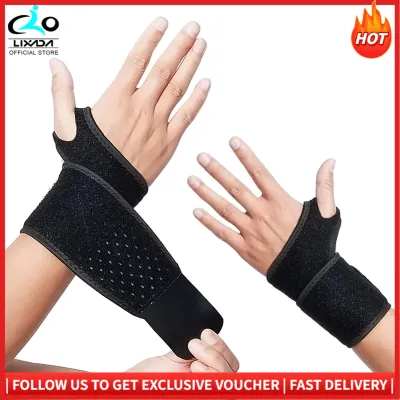
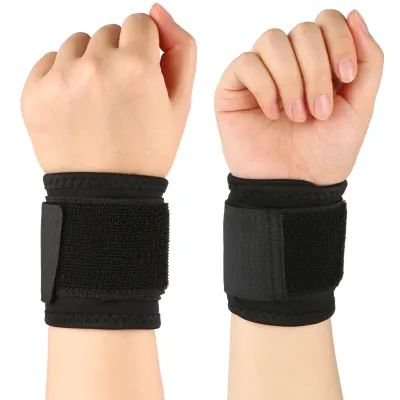
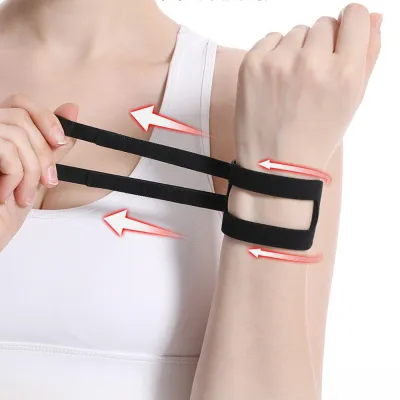
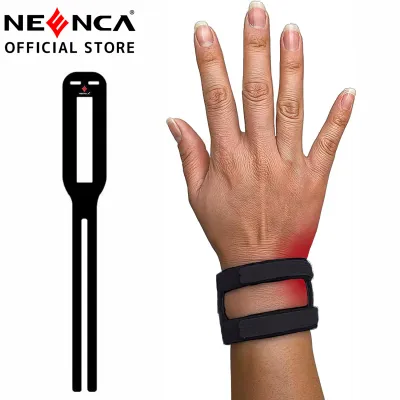
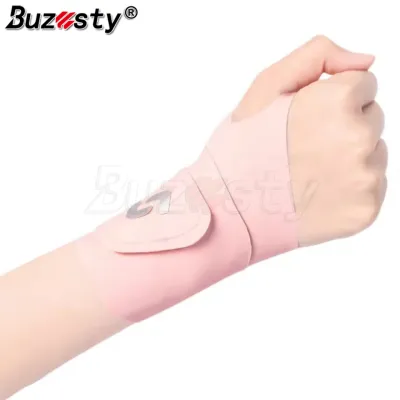
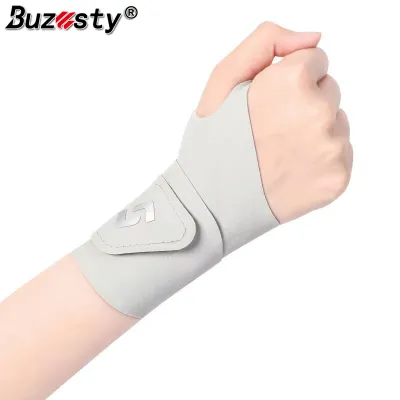
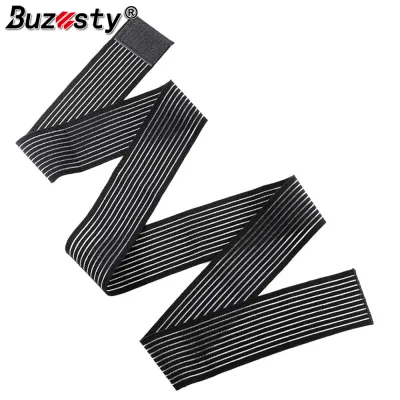
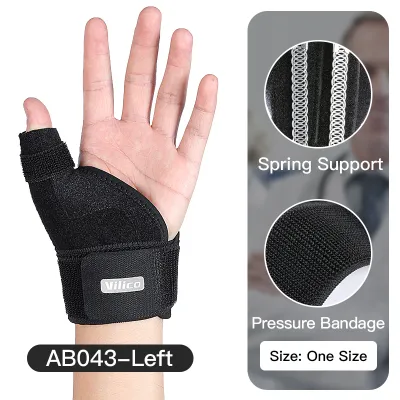
Prices are valid at publication and may change. Please refer to the product page for the latest price.
Load-bearing and stability sports, including weightlifting, powerlifting, and functional fitness, require a completely different support mechanism. Here, the goal is not to protect against ground impact, but to stabilize the wrist joint under heavy overhead or pulling loads. A thick, compressive wrist wrap or heavy-duty fabric guard helps maintain proper joint alignment during lifts like the overhead press or clean and jerk. These guards rely on adjustable tension rather than rigid plastic inserts, allowing you to customize the level of support based on the weight you are lifting.
Dynamic, high-agility, and striking sports like tennis, badminton, and martial arts require maximum wrist flexibility and an unobstructed grip. A rigid splint in these scenarios is highly counterproductive, as it prevents you from flexing your wrist to generate racket speed or forming a tight, safe fist. For these sports, look for lightweight, highly flexible compression sleeves or thin neoprene wraps. These designs provide mild compression to keep the tendons warm and supported while allowing your right hand to move through its full, natural range of motion.
Key Features to Evaluate for Your Activity
When evaluating different wrist guards, the support structure is the most critical element to verify on the product label or specification sheet. Rigid inserts, typically made of molded plastic or lightweight aluminum, offer the highest level of immobilization for high-risk sports. Flexible stays, often constructed from coiled spring steel or thin nylon strips, provide a middle ground by resisting lateral twisting while allowing forward and backward flexion. Purely compressive fabrics, such as nylon-spandex blends, offer no mechanical resistance but excel at promoting blood flow and reducing minor swelling.

The closure system directly impacts how secure the guard feels on your right hand and how easily you can adjust it during a workout. Hook-and-loop strap systems are the most common and versatile, allowing you to quickly tighten the guard before a heavy lift and loosen it immediately afterward to restore full circulation. Lace-up systems offer a highly customized, uniform fit that contours perfectly to your forearm, though they take longer to put on. Slip-on elastic sleeves provide a low-profile fit that easily slides under gloves, making them ideal for cooler weather or multi-layered gear setups.
Ergonomic designs tailored specifically for the right hand are essential for preventing discomfort and ensuring proper alignment. Because the human hand is asymmetrical, a dedicated right hand wrist guard features an anatomically curved palm plate and a thumb opening angled specifically for the right thumb. Avoid generic, symmetrical designs for high-impact sports, as they can bunch up in the palm, rub against the skin, and compromise your grip on handlebars, rackets, or barbells. A well-designed right-hand model will sit flush against your skin, distributing pressure evenly across the joint.
Sizing, Fit, and Comfort Checks
To find a wrist guard that fits correctly, you must measure your right wrist accurately rather than relying on generic sizing. Wrap a flexible measuring tape around your wrist joint, just below the bony protrusion on the pinky side. Do not assume your right wrist is identical in size to your left; dominant hands often have slightly larger muscle and bone measurements due to daily use. Always compare your exact measurement in centimeters or inches against the manufacturer’s specific sizing chart to select the correct size.
Once you receive the wrist guard, perform a thorough fit verification before using it in your sport. Put the guard on and secure the straps to your typical tightness, then check your fingers for any signs of restricted blood flow, such as tingling, numbness, or a cold sensation. The guard should feel snug and anchored in place without pinching the skin or creating painful pressure points. If the fabric digs deeply into the web of your thumb or restricts your fingers from moving naturally, the size is likely too small.
Finally, conduct a quick mobility test by mimicking the primary movements of your sport. If you are a racket sports player, hold your racket and practice a few light swings to ensure the guard does not interfere with your grip or stroke. If you are a skateboarder, practice bending your elbow and moving your fingers to ensure you can still react quickly during a fall. The guard should support the wrist joint firmly while still allowing the precise movements required to play safely and effectively.
Cross-Activity Compatibility and Safety Boundaries
While it is tempting to buy a single wrist guard for all your athletic pursuits, using the wrong type of guard can compromise your safety. A soft, compressive wrap designed for weightlifting will not protect your bones during a high-velocity fall on a skateboard. Conversely, wearing a rigid, splinted skate guard during a tennis match or a weightlifting session will severely restrict your movement, forcing other joints like your elbow and shoulder to overcompensate, which can lead to secondary injuries. Always match the structural rigidity of the guard to the specific physical risks of the activity.
It is equally important to recognize that protective gear is not a substitute for proper athletic technique, physical conditioning, or professional medical care. A wrist guard cannot compensate for poor falling form, weak forearm muscles, or lifting weights that far exceed your current physical capacity. If you are using a guard to mask persistent pain or an unresolved injury, you run the risk of causing long-term joint damage. Always prioritize progressive training and consult a healthcare professional if you experience ongoing discomfort.
To maintain the protective qualities of your gear, establish a regular inspection routine. Over time, sweat, dirt, and physical stress will degrade the materials of your guard. Check the hook-and-loop straps for frayed edges or a loss of gripping power, and inspect any plastic or metal splints for cracks, bends, or sharp edges that could puncture the fabric. If the elastic has stretched out or the structural inserts are damaged, the guard can no longer provide reliable support and must be replaced immediately to ensure your safety.
Frequently Asked Questions (FAQ)
Can I use a left-hand wrist guard on my right hand?
You should not use a left-hand wrist guard on your right hand if the model features anatomical shaping or rigid splints. These guards are molded specifically to fit the unique curves, thumb angles, and bone structures of a specific hand; wearing one on the wrong side will cause the rigid plates to press painfully into your joints and misalign the protective support. However, simple, symmetrical compression sleeves or straight wrap-around straps that do not have pre-shaped plastic inserts are generally ambidextrous and can be worn safely on either hand.
How tight should a wrist guard be during weightlifting?
During weightlifting, a wrist guard or wrap should be tight enough to prevent your wrist from bending excessively backward under a heavy load, but not so tight that it cuts off your circulation. A practical way to test this is the capillary refill check: press firmly on one of your right fingernails until it turns white, then release it; the natural pink color should return within two seconds. To maintain healthy blood flow and prevent nerve compression, tighten the straps immediately before your active lifting set and loosen them completely during your rest periods.

Community discussion
Share your experience or ask a question. Comments are reviewed before publication.