
To choose the right Karakal grip for your badminton racket, you must first evaluate your hand perspiration levels, your preferred level of handle feedback, and your typical playing environment. If you sweat heavily or play in humid, non-air-conditioned sports halls, a cotton-based towel grip offers the necessary moisture absorption to prevent your racket from slipping. Conversely, if you prefer a tacky, secure connection with distinct feedback from the racket’s wooden bevels, a synthetic polyurethane (PU) grip is the ideal choice. Fine-tuning this decision involves selecting the appropriate grip thickness and surface texture to match your specific playing style and physical comfort requirements.
Quick Decision Guide: Find Your Ideal Karakal Grip
Karakal has established a strong reputation in the badminton world, primarily driven by its pioneering work in polyurethane grip technology. The grip is the only point of physical contact between your hand and your racket, making it a critical component that directly influences your shot accuracy, power transmission, and overall comfort. Choosing the wrong type can lead to poor racket control, premature hand fatigue, or even painful blisters during extended sessions.
In a tropical, high-humidity environment like Singapore, where ambient moisture levels routinely challenge your hold on the handle, selecting an appropriate grip is highly dependent on your physical traits and venue conditions. A player competing in a climate-controlled, air-conditioned arena will have vastly different grip requirements than someone playing a fast-paced doubles match in a community club sports hall with natural ventilation.
Products mentioned in this guide
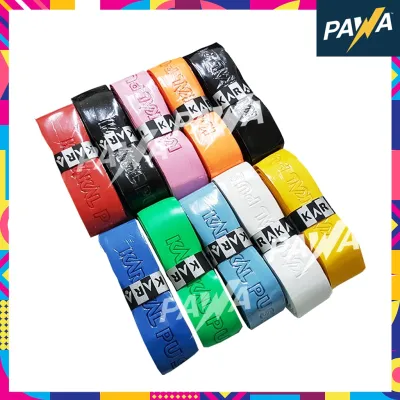
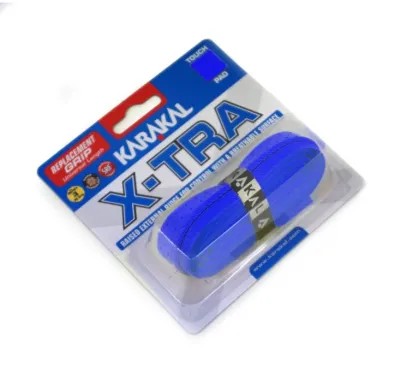
![Karakal PU Super Grip DUO [Pack of 2] - if buy total of 3 packs will get additional 1 pack free.](https://img.lazcdn.com/g/p/d19f8722c478373d766e81842187375c.jpg_400x400q80.jpg_.webp)
![KARAKAL PU Super Tribal Grip [Box of 12]](https://img.lazcdn.com/g/p/8f93df7a64c9e3103cc99a0fd1eeb3e5.png_400x400q80.png_.webp)
![Karakal PU Super Grip Multi [Pack of 2] - if buy total of 3 packs will get additional 1 pack free](https://img.lazcdn.com/g/p/a170885db9e39adbfb56cea34fe71b82.jpg_400x400q80.jpg_.webp)

Prices are valid at publication and may change. Please refer to the product page for the latest price.
To simplify your initial selection, use the following profile-based guide to identify which general category of Karakal grip aligns with your playing conditions:
- Heavy Perspiration or Humid Environments: If you experience heavy hand sweat and play in warm, humid venues, choose a Towel Grip. This option prioritizes maximum moisture absorption to maintain a secure, slip-free hold, though it requires frequent replacement.
- Moderate Perspiration with a Tacky Preference: If you prefer a sticky, highly secure feel and play in mixed environments, choose a Synthetic PU Grip with a Tacky Finish (such as the classic Karakal PU Super Grip). This provides excellent shock absorption and a reliable hold for most playing styles.
- Light Perspiration with a Need for Direct Feedback: If you rarely suffer from sweaty palms and prioritize feeling the precise angles of your racket handle, choose a Synthetic PU Grip with a Thin or Dry Finish (such as the Karakal PU Super Thin). This setup allows for rapid grip transitions and delicate finger control.
While this baseline categorization provides an immediate starting point, finding the perfect setup requires a deeper understanding of how different materials, thicknesses, and textures interact with your hand and your playing style.
Karakal Grip Materials: Towel vs. Synthetic PU
The fundamental choice when selecting a Karakal grip is deciding between cotton towel material and synthetic polyurethane. This decision establishes the baseline behavior of your racket handle regarding moisture management, vibration dampening, and tactile feedback.

Towel Grips for Maximum Moisture Absorption
Towel grips are manufactured from high-grade terry cotton, a material specifically engineered with looped fibers to maximize surface area and absorb liquids. This construction acts like a sponge, drawing sweat away from your palm and trapping it within the fabric layers to ensure your hand remains dry and secure throughout high-intensity rallies.
For badminton players in Singapore, towel grips are highly favored when playing in non-air-conditioned community centers or school halls where the tropical humidity accelerates perspiration. When your hands are saturated, synthetic grips can lose their traction, whereas a towel grip actually becomes more secure as it absorbs initial moisture, providing a reliable, slip-free surface that prevents the racket from twisting during powerful smashes.
However, opting for a towel grip introduces several distinct physical trade-offs that you must consider before making a purchase:
- Weight and Balance Alteration: Cotton fabric is naturally heavier than thin synthetic polyurethane, especially when it becomes saturated with sweat. Adding a towel grip can add anywhere from 5 to 10 grams to the handle end of your racket, which shifts the overall balance point toward the handle, making the racket feel more head-light and defensive.
- Increased Handle Thickness: Towel grips are inherently thicker than standard synthetic overgrips, which naturally increases the overall circumference of the handle, potentially making it more difficult for players with smaller hands to wrap their fingers completely around the grip.
- High Maintenance and Low Durability: Because cotton fibers trap sweat, oils, and skin cells, towel grips quickly become a breeding ground for bacteria if left damp in a dark racket bag, leading to unpleasant odors and a hardened, crusty texture that requires immediate replacement.
Synthetic PU Grips for Tactile Control
Synthetic polyurethane (PU) grips represent the pinnacle of modern grip engineering, featuring a multi-layered construction that typically combines a non-woven fabric backing with a high-performance PU surface layer. This design provides a smooth, uniform surface that is engineered to offer consistent friction against your skin without relying on bulk fabric fibers.
The primary advantage of a synthetic PU grip is the exceptional level of tactile feedback it delivers, allowing you to feel the distinct wooden bevels of the racket handle. This edge feedback is critical for advanced badminton players, as it provides the sensory information needed to adjust the racket face angle by mere millimeters for deceptive net drops, tight slices, and precise defensive blocks.
While synthetic PU grips are highly durable and maintain their structural integrity far longer than towel grips, they have specific environmental limitations:
- Vulnerability to Heavy Sweat: Unlike towel grips that absorb moisture into their core, PU grips rely on micro-pores or surface tackiness to manage moisture, meaning that excessive sweat can form a thin liquid barrier on the surface, making the handle feel slippery and unstable.
- Consistent Performance in Cool Venues: These grips perform at their absolute best in climate-controlled, air-conditioned sports halls where humidity is regulated, allowing the tacky surface to remain dry and fully functional.
- Low Maintenance Requirements: PU grips do not absorb deep moisture or odors in the same manner as cotton, allowing you to simply wipe them down after a session and store your racket without worrying about immediate bacterial growth or fabric hardening.
Thickness, Texture, and Feel: Fine-Tuning Your Choice
Once you have selected your primary material, you must fine-tune your choice by evaluating the thickness and surface texture of the grip. These secondary dimensions play a massive role in determining how much physical effort is required to hold the racket and how effectively vibrations are dampened before reaching your joints.
Thin vs. Thick Grips
The thickness of your grip setup directly dictates the balance between finger sensitivity and shock absorption. Standard badminton racket handles are manufactured in specific sizes (typically G4, G5, or G6, with G5 being the most common in Singapore), and your choice of grip thickness will determine how much you alter this baseline dimension.
Ultra-thin grips, which typically measure between 0.5mm and 0.7mm in thickness, are designed to be wrapped directly over the original factory grip or onto the bare wood with minimal overlap. This ultra-thin profile keeps the handle circumference small, maximizing your finger dexterity and allowing you to utilize finger power—rather than whole-arm movement—to generate quick racket head speed for fast defensive drives and tight net play.
Thicker grips, which can range from 1.5mm to over 2.0mm (or are achieved by wrapping a thick replacement grip like the Karakal PU Super Grip directly onto the wood), offer a highly cushioned feel that excels at absorbing the high-frequency vibrations generated during hard impacts. This added cushioning is highly beneficial for several specific player profiles:
- Players with Joint Sensitivity: If you suffer from tennis elbow, golfer's elbow, or wrist strain, a thicker, cushioned grip helps absorb the shock of off-center hits, reducing the physical toll on your joints.
- Players with Large Hands: A thicker grip prevents your fingers from digging too deeply into your palm, allowing for a more relaxed, natural hold that reduces forearm tension.
- Players Who Grip Too Tightly: If you have a habit of squeezing the handle too hard during rallies, a thicker grip provides a softer surface that encourages a lighter, more controlled hold.
Tacky vs. Dry Finishes
The surface finish of a synthetic PU grip determines how easily your hand can slide or reposition along the handle during a fast-paced rally. Karakal offers distinct finishes to cater to different tactical preferences and physiological needs.
Tacky finishes are characterized by a sticky, high-traction surface that provides immediate, reliable security the moment you close your fingers around the handle. This adhesive-like feel is highly effective at preventing the racket from twisting or slipping in your hand, even when you apply minimal grip pressure, making it an excellent option for players who want to maintain a relaxed wrist while knowing the racket will remain secure during explosive swings.
Dry finishes, on the other hand, offer a smooth, velvety texture that is entirely devoid of stickiness. This dry, powdery feel is highly prized by tactical players who rely on rapid grip transitions—such as shifting from a forehand grip to a backhand thumb grip in a split second during fast doubles defense—as it allows the handle to glide smoothly within the palm without catching or dragging on the skin.
Matching Your Grip to Your Playing Style and Environment
To make the absolute best decision, you must synthesize these material, thickness, and texture options into real-world playing scenarios, taking into account the unique environmental challenges of playing badminton in Singapore’s tropical climate.
The high ambient humidity in Singapore acts as a constant catalyst for grip degradation. Moisture in the air accelerates the breakdown of the polyurethane polymers and adhesives used in synthetic grips, causing them to lose their tackiness and begin peeling much faster than they would in cooler, drier climates. Similarly, high humidity prevents sweat from evaporating from towel grips, meaning they can become fully saturated and heavy within a single hour of intense play.
To help you navigate these factors, consider how your specific playing style and venue choice should dictate your final Karakal grip selection:
- Scenario 1: The Aggressive Smasher: If your game is built around powerful jump smashes, heavy clears, and aggressive attacking play, you require maximum grip security and shock absorption. A thicker, tacky synthetic grip like the classic Karakal PU Super Grip is highly recommended, as it cushions the hand against repeated high-impact vibrations and prevents the racket from slipping out of your hand mid-swing. If you sweat heavily, opt for a towel grip wrapped over a thin layer of cushion wrap to maintain both absorption and shock protection.
- Scenario 2: The Tactical Doubles Player: If you specialize in fast-paced mid-court drives, deceptive net drops, and quick defensive blocks, your priority is speed and feel. A thin, dry or slightly tacky PU grip (such as the Karakal PU Super Thin) wrapped tightly with minimal overlap will keep the handle circumference small, preserving the sharp edges of the wooden bevels so you can make instantaneous, micro-adjustments with your fingers.
- Scenario 3: The Heavy Sweater in Humid Halls: If you find yourself playing in non-air-conditioned sports halls and sweat heavily from your hands and arms, a towel grip is practically essential to maintain a safe hold on your racket. To optimize this setup, always pair your towel grip with a thick cotton wristband on your playing arm; this simple addition blocks sweat from running down your forearm directly onto the handle, significantly extending the dry lifespan of your towel grip during a match.
Before making any structural modifications to your racket handle, such as removing the original factory grip to apply a thick replacement grip directly to the wood, check the racket manufacturer’s instructions and warranty guidelines. If instructions conflict or the warranty coverage is unclear, consult the manufacturer or a qualified professional. While applying a standard overgrip over the factory grip is entirely safe and never voids a warranty, removing the factory grip can occasionally affect warranty claims if the underlying wooden handle is damaged during the removal process.
Installation and Maintenance for Optimal Performance
Properly installing and maintaining your Karakal grip is essential not only for achieving the desired feel on court but also for protecting your expensive racket from long-term structural damage.
Wrapping an overgrip is a straightforward, completely reversible process that you can easily master with a little practice. To install a standard Karakal overgrip, follow these practical steps:
- Start at the Butt Cap: Peel the protective plastic film off the grip and secure the tapered end to the very bottom of the racket handle (the butt cap) using a small piece of adhesive or by holding it firmly in place.
- Determine Wrapping Direction: For a right-handed player, wrap the grip in a clockwise direction (looking down from the top of the handle) to ensure that the friction of your hand during play naturally tightens the grip. For left-handed players, wrap in a counter-clockwise direction.
- Maintain Consistent Tension: Begin wrapping the grip upward toward the cone, rotating the racket handle with one hand while pulling the grip taut with the other. Ensure you apply consistent, moderate tension; pulling too hard will stretch the material too thin and destroy its cushioning properties, while wrapping too loosely will cause the grip to bunch up and slip during play.
- Overlap Evenly: Overlap each turn by approximately one-third of the grip's width. This creates a uniform surface without bulky ridges. If you prefer a ribbed texture, you can increase the overlap slightly.
- Secure at the Cone: Once you reach the plastic cone at the top of the handle, cut any excess grip material at an angle to create a clean, straight edge, then wrap the provided adhesive finishing tape tightly around the top to secure it in place.
While wrapping an overgrip is simple, you must periodically remove your grips entirely to inspect the underlying wooden handle. Over time, sweat can seep through the seams of both synthetic and towel grips, reaching the raw wood beneath. If this moisture is trapped repeatedly in a closed, dark environment like a zipped racket bag, it can cause the wooden handle to rot, weaken, or develop mold.
To maximize the lifespan of your grips and protect your racket, implement these basic maintenance habits:
- Air-Dry Your Gear: After every playing session, open your racket bag completely and store your rackets in a well-ventilated, cool room to allow the grips to dry thoroughly.
- Avoid Extreme Heat: Never leave your racket bag inside the trunk of a car parked in the sun. The extreme temperatures can melt the adhesives on your grips, cause synthetic PU materials to peel and degrade prematurely, and potentially warp your racket frame.
- Recognize Replacement Signs: Replace your synthetic PU grip immediately if you notice a complete loss of tackiness, visible peeling or tearing of the surface layer, or a smooth, shiny glaze that offers no traction. For towel grips, replace them as soon as the cotton fibers feel hard, stiff, or crusty, or if they retain a damp odor even after being thoroughly dried.
Safety Boundary: During your routine grip replacements, take a moment to closely inspect the bare wooden handle of your racket. If the wood feels soft, spongy, damp to the touch, or displays visible cracks running along the shaft, you must immediately stop using the racket and consult a professional stringer or the manufacturer. A structurally compromised wooden handle can snap completely in half during a high-speed swing, sending the heavy, strung racket frame flying across the court, which poses a severe safety hazard to your opponents and partners.
Frequently Asked Questions (FAQ)
Can I use a Karakal grip on a non-Karakal badminton racket?
Yes, you can absolutely use any Karakal grip on a non-Karakal badminton racket. Badminton grips and overgrips are manufactured to universal standards, designed to fit the standard wooden handle lengths and circumferences used by all major racket manufacturers. The choice of grip brand is entirely a matter of personal comfort and performance preference, and there is no technical requirement to match your grip brand to your racket brand.
How do I know when it is time to replace my Karakal grip?
The correct timing for replacing your Karakal grip depends entirely on your playing frequency, sweat volume, and the environment in which you play, rather than a fixed calendar schedule. For synthetic PU grips, you should replace them when you observe a noticeable loss of surface tackiness, visible wear or peeling along the edges, or a smooth, glazed appearance that makes the handle feel slippery. For towel grips, you must replace them as soon as the cotton fabric becomes hard, stiff, and crusty, or if it retains a persistent odor after drying, as these are clear signs that the fibers have lost their moisture-wicking capabilities and are harboring bacterial buildup.
Community discussion
Share your experience or ask a question. Comments are reviewed before publication.