
Finding the right tennis racket size for your child is the first step toward a successful and enjoyable journey on the court. The correct equipment ensures they can swing comfortably, develop proper technique, and avoid unnecessary physical strain. While age provides a general starting point, a child’s height is the most reliable metric for selecting the appropriate racket length.
Using a racket that fits your child’s current physical proportions allows them to build confidence quickly. It ensures that their early experiences with the sport are defined by fun and progress rather than frustration from heavy, unwieldy gear.
Quick Answer: Matching Racket Size to Your Child's Height and Age
Selecting a junior tennis racket begins with mapping your child’s height and age to standard industry lengths. Junior rackets are measured in inches, typically ranging from 19 to 26 inches.
Products mentioned in this guide
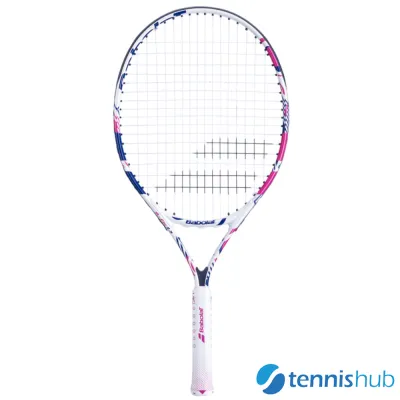
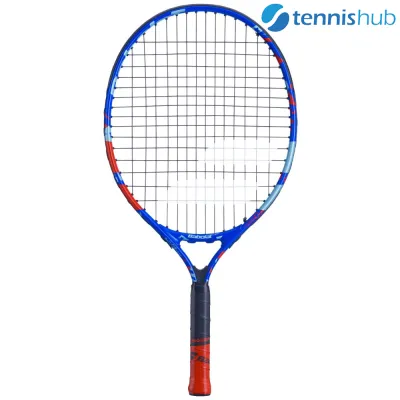
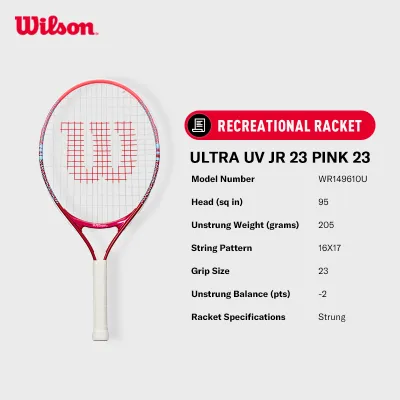
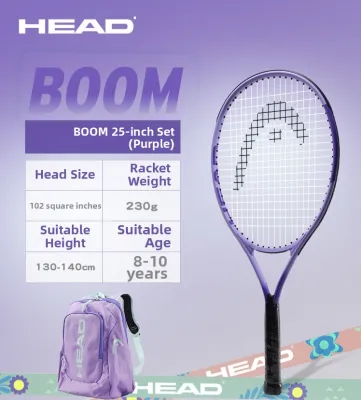
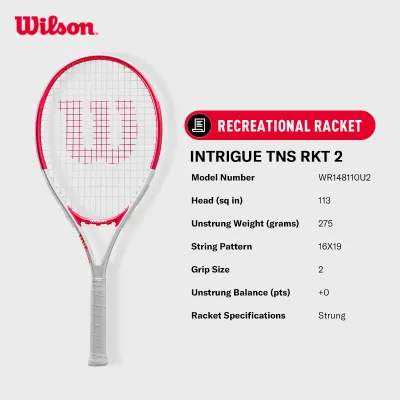
Prices are valid at publication and may change. Please refer to the product page for the latest price.
The following general framework serves as an initial diagnostic reference to estimate the correct racket length:
- 19-Inch Racket: Suitable for children up to 100 cm tall (typically ages 2 to 4).
- 21-Inch Racket: Suitable for children between 100 cm and 115 cm tall (typically ages 5 to 6).
- 23-Inch Racket: Suitable for children between 115 cm and 130 cm tall (typically ages 7 to 8).
- 25-Inch Racket: Suitable for children between 130 cm and 140 cm tall (typically ages 9 to 10).
- 26-Inch Racket: Suitable for children between 140 cm and 150 cm tall (typically ages 11 to 12).
While this framework provides a reliable starting point, you should always verify the specific manufacturer’s sizing chart before making a purchase. Subtle differences in frame geometry and weight distribution can affect how a racket feels in hand. Once you have an estimated size, you can validate the fit using a simple physical check known as the arm extension test.
Why Proper Racket Sizing Matters for Junior Players
Using an incorrectly sized tennis racket can hinder a young player’s development and lead to physical discomfort. When a racket is too long or too heavy, it acts as an extended lever. This increases the torque and physical stress placed on a child’s developing wrist, elbow, and shoulder joints. Over time, this extra strain can cause fatigue or minor injuries, potentially discouraging them from playing.

To compensate for a heavy frame, children often alter their swing mechanics. They might use both hands for forehands or rely on awkward body movements to heave the racket forward. These compensations prevent them from learning the clean, fluid strokes necessary for long-term skill progression.
Conversely, a racket that is too short or light presents its own set of challenges. While easier to swing, an undersized racket limits a child’s reach and forces them to run excessively or bend awkwardly to make contact. It also lacks the mass required to generate natural depth, forcing the child to over-swing to get the ball over the net.
A properly sized racket balances weight and length, allowing young players to feel the racket head throughout their swing. This balance is crucial for developing timing, spatial awareness, and a consistent contact point. When the equipment matches their physical build, children can focus on mastering their footwork and strategy with confidence.
Step-by-Step Diagnostic: How to Measure and Test the Fit
To confirm that an estimated racket size is appropriate for your child, you can perform three practical, observable checks at home or in a local sports shop.
The Arm Extension Test
Have your child stand straight with their shoulders relaxed and arms hanging naturally at their sides. Place the selected tennis racket next to them, with the head resting flat on the floor and the handle pointing upward. Ask your child to place the palm of their hand comfortably on the butt cap of the racket handle.
In a perfect fit, their arm should be fully extended with a slight, comfortable stretch, and their fingertips should rest easily on the cap. If their elbow must bend significantly to reach the handle, the racket is too short. If they cannot reach the handle without leaning over, or if the racket tip rests high above their ankle bone when held at their side, the racket is too long.
Evaluating Swing Weight and Balance
Once the length passes the initial test, have your child perform a few slow, controlled practice swings without a ball. Observe their wrist and forearm during the swing path. The movement should look smooth, and the racket head should remain stable.
If you notice their wrist dropping, wobbling, or collapsing during the backswing or follow-through, the swing weight is likely too high. A child should be able to hold the racket straight out in front of them parallel to the ground for ten seconds without their arm shaking or dipping.
Checking Grip Size and Thickness
Grip size is just as critical as racket length for preventing hand fatigue and maintaining control. To test the grip thickness, have your child hold the racket handle using a standard eastern grip (similar to shaking hands with the racket).
Look at the gap between their fingertips and the palm of their hand. There should be just enough space in that gap to slide the index finger of their other hand comfortably. If the fingertips press firmly into the palm, the grip is too small, which can cause the racket to twist on impact. If there is a wide gap that your index finger cannot fill, the grip is too large, forcing the child to squeeze too tightly.
Transitioning Between Sizes: Signs It Is Time to Upgrade
Children grow rapidly, and their tennis equipment must adapt to their changing physical proportions. Regularly monitoring their play will help you identify when they are ready to transition to a larger frame.
Observable Technical Signals
Keep a close eye on your child’s swing paths during practice sessions. If they consistently hit the ball late—making contact behind their body rather than out in front—the racket may have become too heavy or long for their current strength.
Conversely, if they are swinging too quickly and consistently hitting the ball with the frame (shanking) rather than the strings, they may have outgrown the sweet spot of their current racket. Dragging the racket tip along the court surface during low shots is another common sign that the frame length is no longer compatible with their height.
Physical Feedback and Fatigue
Pay attention to how your child feels after a standard playing session. If they complain of soreness, stiffness, or fatigue in their wrist, forearm, or shoulder, it is a clear indicator that the racket’s weight or balance is no longer suitable.
In warm, humid climates like Singapore, physical fatigue can set in more quickly. If your child seems to struggle with racket control halfway through a session, it is worth checking if a change in racket specifications or a fresh grip wrap is needed to reduce physical strain.
Managing Growth Spurts
A sudden growth spurt can quickly alter the height-to-racket ratio. It is good practice to perform the arm extension test at the start of every school holiday or tennis term. If your child has grown several centimeters, their swing mechanics will naturally change, making a reassessment of their racket size necessary.
Beyond Length: Other Key Specs to Check for Kids' Rackets
While length is the primary metric for junior rackets, other specifications play a significant role in how the racket performs and how comfortable it feels.
Static Weight versus Swing Weight
Static weight refers to how heavy the racket feels when resting stationary in your hand, while swing weight describes how heavy it feels when in motion. Junior rackets are engineered to keep both weights low, but as children transition to 25-inch and 26-inch frames, the weight distribution shifts. Ensure your child can handle the dynamic weight of the racket during active play, not just the static weight in the store.
Head Size and Forgiveness
Beginner junior rackets typically feature oversized heads, which provide a larger sweet spot. This design is highly forgiving, helping young players make clean contact even if their timing is slightly off. As your child’s skills progress and they move toward 26-inch rackets, they may transition to slightly smaller head sizes that offer greater control and precision.
Frame Material and Shock Absorption
Most entry-level junior rackets (19 to 23 inches) are constructed from lightweight aluminum. Aluminum is highly durable, affordable (often ranging from S$30 to S$80), and resistant to the occasional drop on hard court surfaces.
For older or more advanced juniors using 25-inch and 26-inch rackets, graphite or graphite-composite frames become the standard. Graphite frames offer better shock absorption, which helps dampen the vibrations transmitted to a child’s arm upon ball impact. This is particularly beneficial when playing with heavier, damp tennis balls on humid days.
Frequently Asked Questions (FAQ)
Can my child use a cut-down adult racket instead of a junior model?
No, using a cut-down adult racket is not recommended. Cutting the handle of an adult racket alters its structural integrity, shifts the balance point dramatically toward the head, and makes the frame incredibly difficult to swing safely. Junior rackets are specifically engineered with flexible frames, lightweight materials, and scaled-down grip sizes tailored to a child’s physical development.
How often should I expect to replace my child's tennis racket?
On average, you can expect to replace your child’s tennis racket every 12 to 24 months. This timeline is primarily driven by physical growth spurts rather than equipment wear. However, if your child’s skill level advances rapidly—such as transitioning from casual weekend play to structured junior coaching—they may need to upgrade to a heavier, more control-oriented frame before they physically outgrow their current racket length.
Community discussion
Share your experience or ask a question. Comments are reviewed before publication.