
Selecting the right knee support requires matching the brace’s structural design to the specific physical demands of your movement. Whether you are navigating a high-impact run, executing heavy squats in the gym, or seeking all-day comfort during a long shift, your choice of a Kintex knee support hinges on finding the correct balance of compression, stability, and breathability.
To make an informed decision, you must evaluate how each support type manages joint alignment and load distribution. A brace designed for heavy lifting will feel overly restrictive during a long-distance run, while a lightweight sleeve meant for daily wear will fail to provide the structural reinforcement needed under a heavy barbell. By identifying your primary activity and verifying the manufacturer’s specifications, you can select a model that protects your joint without hindering your performance.
Quick Guide: Matching Support Types to Your Activity
Before diving into specific material compositions and sizing charts, it is helpful to understand how different knee support structures align with your daily physical demands. Each activity places unique biomechanical stresses on the knee joint, requiring a distinct level of external stabilization.
Products mentioned in this guide
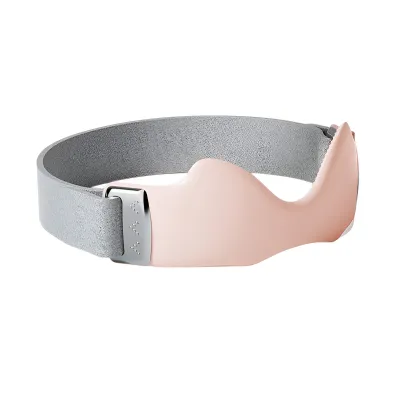
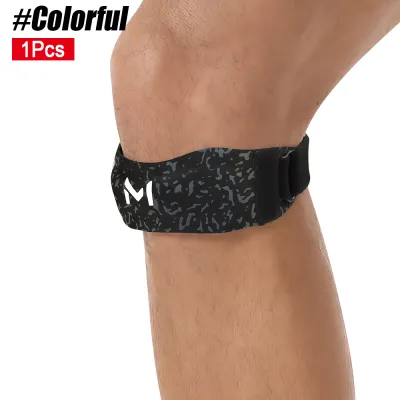
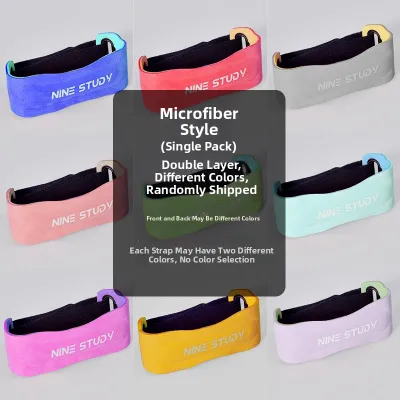
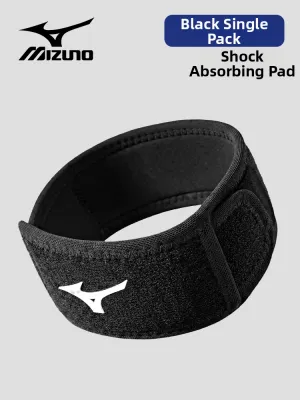
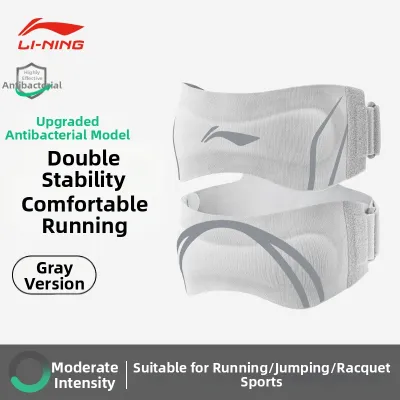
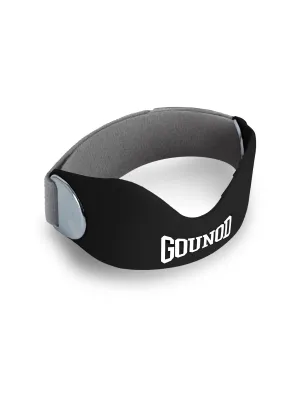
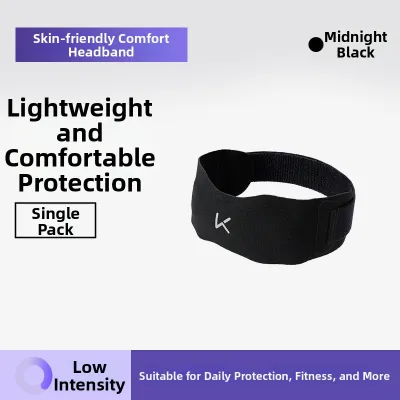
Prices are valid at publication and may change. Please refer to the product page for the latest price.
For running and high-impact cardio, the primary goal is to manage repetitive impact and maintain proper patellar tracking. This requires a lightweight, highly flexible support that offers mild to moderate compression without slipping down the leg as you move.
Weightlifting and heavy load-bearing activities demand a completely different structural approach. Here, the knee joint experiences extreme compressive forces, requiring rigid or semi-rigid stability to assist with load distribution and prevent lateral joint deviation during deep flexion.
Daily wear and mild joint relief focus on prolonged comfort and low-profile integration. The ideal support for everyday use provides gentle, continuous compression to promote circulation and manage minor swelling, all while fitting discreetly under standard trousers.
Ultimately, the best Kintex knee support for your needs is one that aligns with these functional categories. You should always verify the specific product labels, intended use descriptions, and manufacturer specifications on the packaging to ensure the model you choose matches your intended application.
Identify Your Core Biomechanical Needs
To narrow down your choices within the Kintex product range, you must first analyze the specific physical forces and comfort requirements of your primary activity. Understanding these biomechanical needs prevents you from purchasing a brace that either underperforms or restricts your natural movement.

During running, your knees absorb forces equivalent to several times your body weight with every single stride. The repetitive nature of this movement means that any slight misalignment can lead to overuse issues over time. A running-focused support must offer targeted compression around the kneecap to assist with shock absorption and keep the patella moving smoothly along its natural path. Furthermore, because running involves continuous movement, the brace must feature reliable anti-slip mechanisms to prevent it from migrating down your calf.
Weightlifting, on the other hand, subjects the knee joint to massive axial loads rather than repetitive impacts. When performing deep squats, leg presses, or clean-and-jerks, your knees require external reinforcement to maintain structural alignment under pressure. The support must facilitate proper load transfer and offer semi-rigid or rigid stability to keep the joint secure. However, it must also be designed to allow a full, unrestricted range of motion at the bottom of a lift, ensuring you can hit depth safely without the material pinching or cutting off circulation.
For daily wear, the biomechanical demands are much milder, but the comfort requirements are significantly higher. If you are standing for long hours, walking during your commute, or recovering from a minor strain, your primary needs are consistent warmth, mild compression, and breathability. The support should help manage minor swelling and joint stiffness without feeling bulky or restrictive. It must also be constructed from skin-friendly materials that can be worn for several hours without causing chafing or moisture buildup.
Which Kintex Features to Look For by Scenario
Once you understand your biomechanical needs, you can look for specific structural features and material technologies within the Kintex product lineup. Different models utilize distinct designs to cater to specific levels of physical exertion.
Running and High-Impact Cardio
When selecting a support for running, look for seamless compression sleeves or targeted patellar straps in the Kintex range. Seamless knit designs are highly effective at providing uniform compression across the entire joint while minimizing the risk of friction-induced chafing during long-distance runs.
To ensure the support stays securely in place, check the product descriptions for integrated silicone grip rings or anti-slip bands located at the upper hem. These features are essential for maintaining the position of the sleeve against your skin, even during high-cadence workouts or humid outdoor sessions.
Additionally, verify the moisture-wicking material specifications on the product label. Running generates significant heat and sweat, so choosing a highly breathable, quick-drying fabric is crucial for preventing skin irritation and maintaining overall comfort throughout your workout.
Weightlifting and Heavy Load Bearing
For heavy lifting, prioritize wraparound braces equipped with adjustable dual straps or thick, high-density neoprene sleeves. These designs allow you to customize the level of compression and structural support, ensuring maximum joint stability when preparing for a heavy set.
It is critical to ensure that the brace’s design allows for deep knee flexion without pinching the sensitive skin behind your knee or restricting blood flow. Look for models that feature a contoured fit or a specialized cutout at the back of the joint to maintain comfort during deep squats.
Before purchasing, always check the manufacturer’s guidelines for maximum load recommendations, specific powerlifting or weightlifting certifications, and structural limits. This step ensures that the brace is rated for the level of resistance you intend to lift and complies with any competitive standards if you plan to use it in official events.
Daily Wear and Mild Joint Relief
For everyday use, look for lightweight, low-profile knit sleeves or open-patella designs that can easily fit under your daily clothing. An open-patella design is particularly useful for relieving direct pressure on the kneecap while still providing compression to the surrounding joint tissues.
Prioritize soft, skin-friendly materials such as nylon-spandex blends or specialized breathable knits. Because daily wear involves prolonged contact with the skin, choosing a material that minimizes moisture retention and prevents chafing is key to maintaining comfort over several hours.
Finally, check the product label or user manual for recommended daily wear duration limits. Even the most comfortable compression sleeves should not be worn indefinitely; understanding these guidelines helps you avoid restricting circulation or over-relying on external support during your daily routine.
Sizing, Fit Checks, and Cross-Scenario Use
Many users wonder if a single knee support can serve multiple purposes, such as transitioning from a light gym session to a walk in the park. While some mid-level wraparound braces can bridge the gap between light lifting and daily wear, you must consider the inevitable trade-offs. A brace thick enough to provide lifting stability will often feel too bulky and hot for extended daily wear, while a thin daily sleeve will lack the structural reinforcement required for heavy squats.
To ensure any knee support functions safely and effectively, obtaining an accurate fit is paramount. You can determine your correct size by following a simple measurement process:
- Locate the measurement point: Stand with your leg slightly bent at approximately a 30-degree angle.
- Measure the circumference: Use a flexible measuring tape to measure around your leg at the specific distance above and below the kneecap indicated on the official Kintex sizing chart.
- Compare with the chart: Match your measurements to the manufacturer's sizing intervals, opting for the larger size if your measurements fall directly between two sizes.
Once your support arrives, perform a physical fit check before engaging in any activity. The brace should feel snug and supportive, but it must never cause numbness, tingling, a cold sensation in your toes, or visible skin discoloration in your lower leg. If you observe any of these signs, the support is too tight and must be adjusted or exchanged for a larger size to prevent circulation issues.
Maintenance, Inspection, and When to Stop
Proper care and regular inspection are essential for preserving the structural integrity of your knee support and ensuring it continues to provide reliable protection. Over time, sweat, body oils, and physical stretching can degrade the materials, reducing the brace’s effectiveness.
Always follow the manufacturer’s specific washing instructions to maintain the elastic fibers and silicone grips. In most cases, this involves hand washing the support in cold water with a mild detergent and allowing it to air dry completely. Avoid using fabric softeners, bleach, or a tumble dryer, as high heat and harsh chemicals will rapidly break down the elastic components and cause silicone bands to lose their grip.
Inspect your knee support regularly for signs of wear and tear. Look closely for stretched-out elastic, frayed seams, or degraded silicone grips that could compromise the brace’s stability. If the material has lost its elasticity or no longer stays in place during movement, it is time to replace the support.
Most importantly, remember that a knee support is designed to assist your joint, not replace professional medical care. Stop using the brace immediately and consult a healthcare professional if you experience increased pain, new swelling, skin breakdown, or if your symptoms persist despite using the support.
Frequently Asked Questions (FAQ)
Can I wear my Kintex knee support while sleeping?
Unless specifically directed by a medical professional, you should generally remove compression sleeves and knee supports at night before going to sleep. When you are lying down, your cardiovascular system does not have to work against gravity in the same way as when you are standing, and wearing a compression garment overnight can unnecessarily restrict normal blood circulation. Always check the specific product manual for overnight wear guidelines and contraindications.
How do I know if my knee support is too tight?
You can identify an overly tight fit by monitoring your leg for specific physical indicators during use. Common signs include a throbbing sensation around the joint, numbness or tingling in your calf or foot, cold toes, or deep, painful skin indentations left behind after removing the brace. If you experience any of these symptoms, immediately loosen the straps, reposition the sleeve, or transition to a larger size.
Do Kintex knee supports contain latex?
Material compositions can vary significantly across different models and product lines within the Kintex range. While many modern sports supports are designed to be latex-free to accommodate sensitive skin, you should always check the product packaging or the official specification sheet for explicit latex-free certifications or detailed material breakdowns before making a purchase.
Community discussion
Share your experience or ask a question. Comments are reviewed before publication.