
Choosing the right kite string requires balancing the physical dimensions of your kite, the local wind conditions, and your flying location. To get your kite airborne safely and maintain steady control, you must match the string’s breaking strength to the kite’s pull and select a length that suits both your kite type and the surrounding airspace. A string that is too weak will snap under sudden tension, while one that is too heavy will drag your kite down, preventing it from reaching stable air currents. By evaluating your equipment’s specifications and understanding how different materials behave in the air, you can ensure a smooth, enjoyable flight every time you head out to an open field or beach.
Understanding Kite String Breaking Strength
Before purchasing a kite string, your first step should always be to check the manufacturer’s packaging or product label for a recommended line weight. Most kite makers specify a target breaking strength, measured in pounds or kilograms, which represents the maximum load the line can support before snapping. If your kite does not have a visible label, you can estimate the required strength by looking at the kite’s overall surface area and the typical wind speeds in your flying area. Larger kites catch more wind, which exponentially increases the pulling force exerted on the line.
The relationship between wind speed and pulling force is dynamic. A light breeze might exert minimal pull on a medium-sized delta kite, but a sudden gust can double or triple that tension in an instant. For this reason, selecting a string with an appropriate safety margin is essential. If you choose a line with a breaking strength that is too low, the tension from a strong gust or a rapid turn can easily snap the cord, sending your kite drifting away.
Products mentioned in this guide
![[SG SELLER] DURABLE KITE STRING 150 METERS TO 400 METERS WITH STRING HANDLE [#16] [#18] [#21] [#22]](https://img.lazcdn.com/g/p/c5a2de0aea7da9368fc6dcfacc418508.jpg_400x400q80.jpg_.webp)
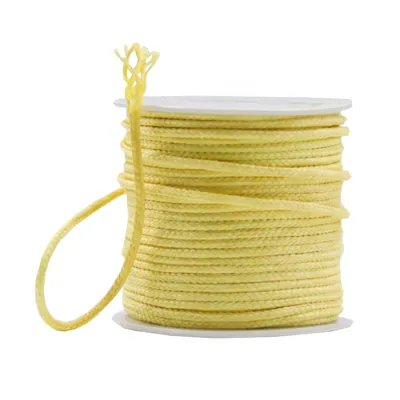
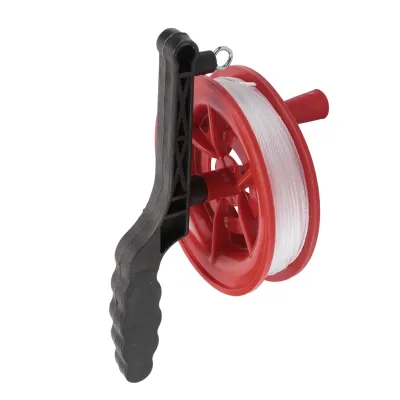
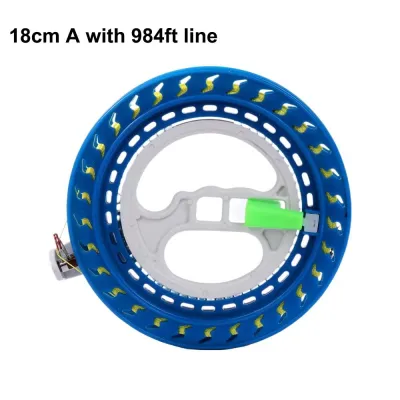
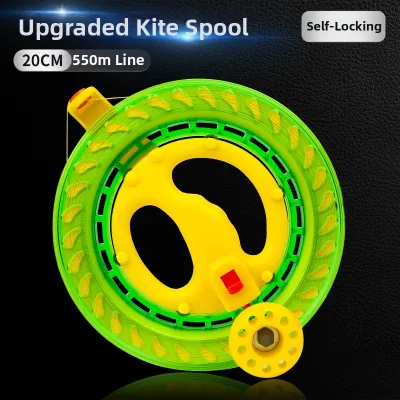
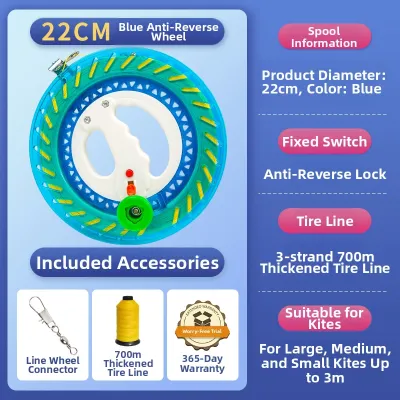
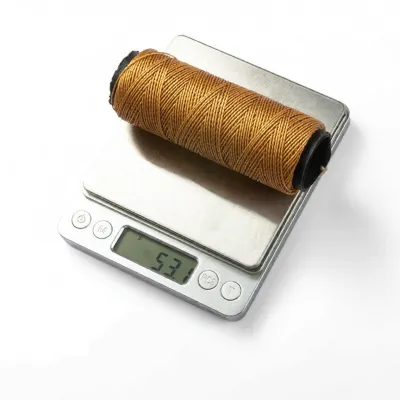
Prices are valid at publication and may change. Please refer to the product page for the latest price.
Conversely, you must avoid the temptation to simply buy the strongest, thickest line available. Excessively heavy string adds unnecessary weight and aerodynamic drag to your setup. This extra weight sags in the air, pulling the nose of the kite downward and making it difficult to launch or maintain altitude in light winds. A balanced line allows the kite to climb efficiently while retaining enough structural integrity to handle sudden changes in wind speed.
Determining the Ideal String Length for Your Kite
The ideal length of your kite line depends heavily on the type of kite you are flying and the nature of your flying site. Single-line recreational kites, which are designed for stable, high-altitude cruising, typically perform best with longer lines, often ranging from 50 to 100 meters. This length allows the kite to rise above turbulent ground-level winds and settle into the smoother, more consistent air currents found at higher altitudes.

In contrast, dual-line stunt kites or multi-line power kites require much shorter lines, usually between 20 and 45 meters. Because these kites rely on rapid pilot inputs for steering and maneuvers, shorter lines minimize lag and stretch, providing a more immediate steering response. If the lines on a stunt kite are too long, the physical sag in the string dampens your control inputs, making precise steering nearly impossible.
Your physical environment also dictates your line length choices. Open coastal areas, such as beaches or expansive public parks, provide the ideal clearance for letting out longer lines safely. However, if you are flying in smaller neighborhood parks or areas with nearby obstacles, keeping your line shorter is a necessary safety measure to maintain immediate control and prevent the kite from drifting into trees or structures. Managing a shorter line also reduces the physical effort required to wind and unwind the spool, making the experience more manageable for beginners.
Matching String Materials to Flying Conditions
Different kite string materials offer distinct characteristics that affect how your kite handles in various weather conditions. Cotton string is a traditional, low-cost option often found with basic children’s kites, but it lacks the durability and strength required for larger models or windy days. Nylon is highly elastic and affordable, making it a common choice for single-line kites; however, its tendency to stretch can reduce steering precision, making it less suitable for steerable stunt kites.
Polyester, often sold under various trade names, strikes an excellent balance for many flyers. It has significantly less stretch than nylon, which helps maintain a direct connection between your hands and the kite’s bridle. This low-stretch characteristic is particularly beneficial for dual-line setups where immediate feedback is necessary to execute turns and tricks.
When flying in warm, humid, and sunny environments, such as coastal parks in Singapore, environmental factors play a major role in material longevity. High humidity and intense sunlight can rapidly degrade low-quality fibers. Before heading out, check the manufacturer’s specifications to ensure your chosen line has adequate UV resistance and low moisture absorption. Wet or sun-damaged lines lose their rated breaking strength quickly, increasing the risk of unexpected failure during flight.
Safety Checks and Handling Best Practices
Safe kite flying relies on consistent pre-flight preparation and a clear understanding of your equipment’s limits. Before attaching your line to the kite, perform a thorough visual inspection of the entire length of the string. Run the line gently through your fingers to feel for any fraying, knots, or rough patches that indicate wear. UV exposure can cause subtle discoloration or a stiff, brittle texture; if you notice these signs, discard the damaged section immediately.
Securing the line properly is just as important as inspecting it. Use reliable, recommended knots to attach the string to the kite’s bridle and the spool. A poorly tied knot can slip under tension or weaken the line at the connection point by up to fifty percent. Ensure that your spool is securely anchored and that you have a comfortable grip, as a sudden gust can pull a loose spool right out of your hands.
Always establish clear stop conditions before you begin. If wind gusts begin to exceed the rated capacity of your string, or if you feel the pull becoming difficult to manage physically, safely ground the kite immediately. Never fly your kite near power lines, busy roads, or airports, as a snapped line can carry the kite into hazardous areas. If your line does become entangled in a tree or utility pole, do not attempt to climb or pull it down yourself; instead, contact local authorities or utility providers to handle the situation safely.
Frequently Asked Questions (FAQ)
Can I use regular sewing thread or fishing line for my kite?
No, you should avoid using sewing thread or fishing line for kite flying. Sewing thread lacks the necessary breaking strength and UV resistance, causing it to snap almost instantly under normal wind conditions. Fishing line is highly dangerous; it is designed to be nearly invisible and can easily slice through skin or cause severe cuts to bystanders and wildlife when under tension. Always use string specifically manufactured and rated for kite flying to ensure safety and control.
How do I know when it is time to replace my kite string?
Inspect your string regularly for physical signs of wear, such as fraying, a fuzzy texture, discoloration, or stiff sections caused by sun and moisture exposure. If you notice the line tangling more frequently or feeling rough as it slides through your hands, its structural integrity is likely compromised. It is always safer to replace the entire line rather than attempting to knot or splice damaged sections together, as knots create weak points that easily snap under tension.
Community discussion
Share your experience or ask a question. Comments are reviewed before publication.