
Finding the right knee pain support in Singapore requires balancing your specific physical discomfort with the demands of a tropical climate. Whether you are dealing with a mild ache after running along the East Coast Park, recovering from a joint strain, or managing chronic discomfort during gym workouts, the ideal support should stabilize your joint without restricting necessary movement or causing skin irritation. By understanding your pain type, evaluating key design features, and taking precise measurements, you can select a product that offers reliable relief and stands up to daily wear.
Selecting a knee support is not a one-size-fits-all decision. The market offers a wide range of options, from simple elastic sleeves to highly structured hinged braces. To make an informed choice, you must evaluate how different materials, compression levels, and structural designs interact with your specific knee condition and lifestyle. This guide provides a comprehensive framework to help you navigate these choices and find a support that fits your needs.
Identifying Your Knee Pain and Required Support Level
Before browsing products, it is essential to identify the nature of your knee discomfort, as this directly dictates the level of support you require. General dull aches, mild stiffness, and minor swelling after a long day of walking are common issues that typically respond well to mild compression. This level of support focuses on increasing local blood circulation and providing warmth, which helps soothe tired joints and reduce minor fluid retention.
Products mentioned in this guide
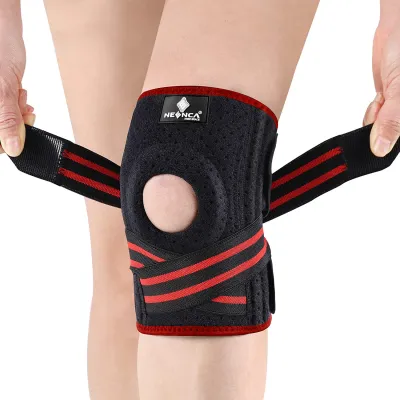
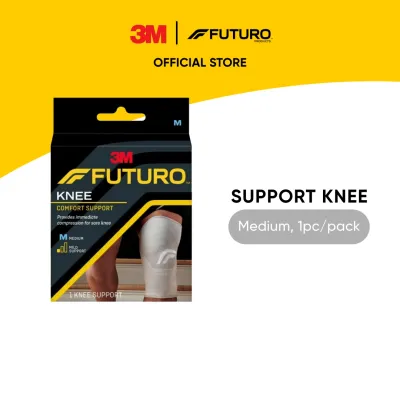
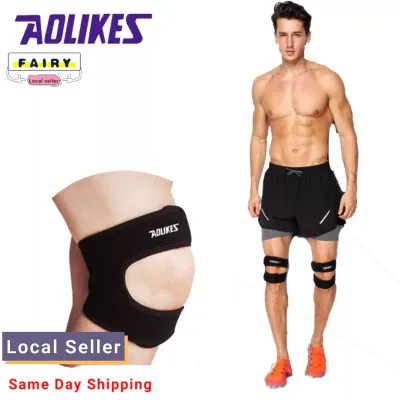
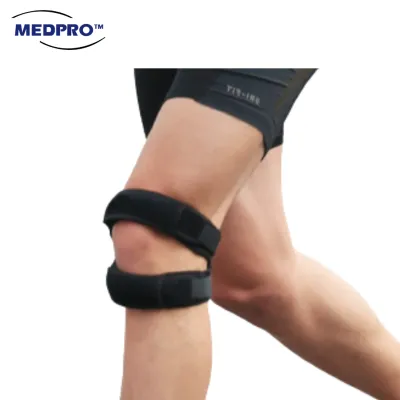
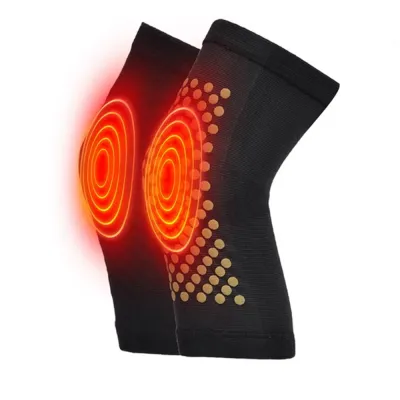
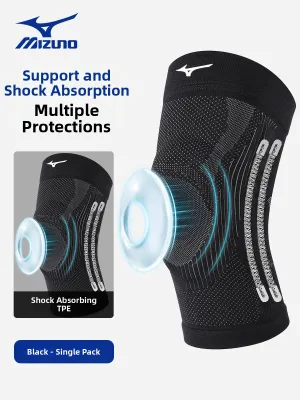
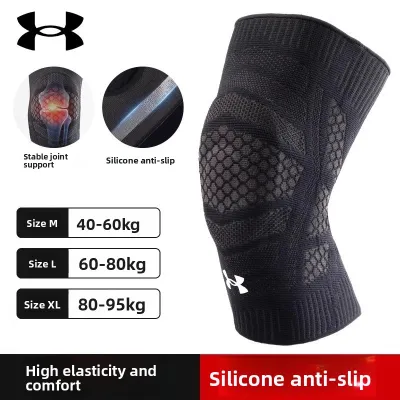
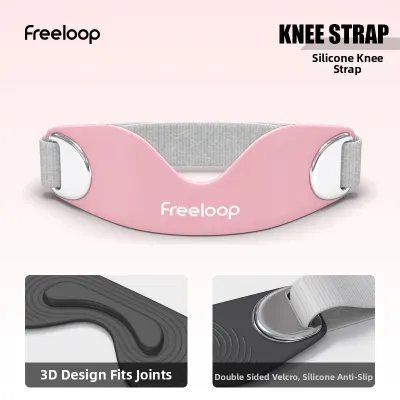
Prices are valid at publication and may change. Please refer to the product page for the latest price.
If you experience a feeling of instability, where the knee feels weak or as if it might give way during sudden turns, you require a moderate level of stabilization. This type of discomfort often stems from mild ligament sprains or joint laxity. A support with built-in flexible side stabilizers or adjustable straps can help guide the joint’s movement, offering reassurance and preventing unnatural lateral shifting without completely locking the knee.
Activity-related discomfort, such as sharp pain localized around or under the kneecap when climbing stairs, running, or squatting, often points to patellar tracking issues. In these cases, a support designed specifically to stabilize the kneecap is necessary. These supports use targeted pressure to keep the patella moving smoothly within its natural groove, reducing friction and subsequent inflammation.
It is crucial to recognize red flags that indicate self-selection is no longer safe. If you experience severe, rapid swelling, an inability to bear any weight on your leg, a visible deformity in the joint, or if you heard a loud popping sound at the moment of injury, do not attempt to self-treat with a retail knee support. These symptoms suggest a more serious injury, such as a severe ligament tear or fracture, and require immediate evaluation by a medical professional or physiotherapist.
Key Design Features to Evaluate for Pain Relief
When evaluating knee supports, compression is a primary feature to consider. High-quality compression helps manage swelling by preventing fluid from accumulating in the joint space. Furthermore, compression enhances proprioception, which is your brain’s awareness of the joint’s position and movement. This increased sensory feedback helps you move more mindfully, improving stability and reducing the risk of awkward movements that could exacerbate pain.

Patella stabilization features are critical for managing anterior knee pain. Look for supports that incorporate either an open-patella design or a built-in gel pad. An open-patella design leaves the kneecap uncovered, which relieves direct pressure on the joint and allows the kneecap to breathe. Alternatively, a circular silicone or gel insert surrounding the patella helps distribute pressure evenly, absorbing shock and keeping the kneecap properly aligned during movement.
Singapore’s hot and humid climate makes material selection a vital comfort factor. Traditional neoprene supports offer excellent heat retention and structural durability, but they can trap sweat and cause skin irritation during outdoor activities. For tropical weather, look for advanced 3D knit fabrics or perforated neoprene. These materials are highly breathable, allowing heat to escape and moisture to wick away from the skin, keeping you cool and dry during extended wear.
An effective knee support must stay securely in place to provide consistent relief. Anti-slip mechanisms are essential to prevent the brace from rolling, sliding, or bunching up behind the knee during movement. Look for supports featuring medical-grade silicone gripper strips along the inner top cuff. Additionally, adjustable hook-and-loop straps allow you to customize the tension and secure the brace firmly against your leg’s natural contours.
Matching Knee Support Types to Your Specific Needs
Knee sleeves are the most common and low-profile option available. Typically made from elastic, nylon, or circular knit fabrics, they slip over the foot and slide up to cover the knee joint. Sleeves are best suited for mild compression, warmth, and general joint support during low-impact activities or daily wear. Because they are thin and flexible, they fit easily under office trousers, making them a convenient choice for daily commutes and light exercise.
Patellar straps and bands offer a minimalist approach to targeted pain relief. These narrow bands are worn just below the kneecap, applying direct pressure to the patellar tendon. This pressure helps distribute forces away from the tendon insertion point, relieving discomfort associated with conditions like patellar tendonitis, often referred to as runner’s knee. They are highly effective for runners and jumpers who do not require overall joint compression but need targeted tendon relief.
Wraparound braces feature an open design that wraps around the knee and secures with adjustable straps. This style is highly versatile and excellent for individuals who experience fluctuating swelling, as the tightness can be adjusted throughout the day. Wraparound braces are also ideal for those with limited hand strength or mobility issues, as they eliminate the need to bend down and pull a tight sleeve over the foot and calf.
Hinged braces provide the highest level of structural support and lateral stability. Featuring rigid plastic or metal hinges on both sides of the knee, they physically prevent the joint from bending sideways while allowing natural forward and backward flexion. These are typically used during recovery from significant ligament injuries, such as ACL or MCL sprains. Because they restrict movement and can alter your gait, hinged braces should generally be used under the guidance of a healthcare professional.
How to Measure for a Secure and Comfortable Fit
To ensure your knee support functions effectively, obtaining an accurate fit is absolutely critical. A support that is too tight can restrict blood circulation, cause skin pinching, and lead to discomfort, while a support that is too loose will fail to provide the necessary compression and slide down during movement. Never guess your size based on your clothing size; always take fresh measurements.
To measure your leg accurately, you will need a flexible sewing tape measure. Stand up straight with your leg slightly bent at approximately a 30-degree angle, keeping your weight distributed evenly. First, measure the circumference of your knee directly over the center of the kneecap (mid-patella). This is the primary measurement for most basic sleeves and straps.
For structured braces and advanced compression sleeves, you will need two additional measurements. Measure the circumference of your thigh approximately 15 centimeters above the center of your kneecap. Then, measure the circumference of your calf approximately 12 to 15 centimeters below the center of your kneecap. Write these measurements down in centimeters, as most international and local brands use metric sizing charts.
When comparing your measurements to manufacturer sizing charts, keep in mind that sizing standards vary significantly between different brands. A “Medium” in a European brand may correspond to a “Large” in an Asian brand. If your measurements fall between two sizes, consider the type of support: for highly elastic compression sleeves, sizing up is often safer to prevent constriction, whereas for adjustable wraparound braces, the smaller size may offer a more secure fit.
During your initial trial wear at home, monitor how the support feels over a 15-minute period. Check for signs of a poor fit, such as deep red indentations on your skin, numbness or tingling in your lower leg or toes, or a cold sensation in your foot, which indicate restricted blood flow. If the brace migrates down your thigh or bunches up uncomfortably behind your knee when you walk, it is either too large or poorly suited to your leg shape.
Where to Buy and How to Verify Authenticity in Singapore
When purchasing a knee support in Singapore, you have several retail channels to choose from. Physical retail pharmacies and specialized sports stores allow you to inspect the materials firsthand and, in some cases, try on sample sizes to ensure a proper fit. Physiotherapy clinics often stock medical-grade braces and can provide professional fitting advice tailored to your specific rehabilitation needs.
Online marketplaces and brand official stores offer convenience and a wider selection of designs. However, when shopping online, you must take extra precautions to verify product authenticity. Counterfeit supports often use inferior elastic fibers that degrade quickly and fail to provide consistent compression. To protect yourself, purchase directly from official brand storefronts or authorized local distributors.
Before finalizing an online purchase, perform a few verification checks. Look for security features on the product packaging, such as holographic stickers, unique scratch-off verification codes, or QR codes that link to the manufacturer’s official verification portal. Additionally, review the seller’s return policy carefully; because knee supports are worn directly against the skin, many retailers classify them as hygiene-sensitive items and do not accept returns once the packaging is opened.
When reading user reviews on e-commerce platforms, look past the initial star ratings and focus on detailed feedback. Filter for reviews from buyers who have used the product for at least a few weeks. Pay close attention to comments regarding how well the support retains its elasticity after multiple washes, whether the silicone anti-slip strips remain effective in Singapore’s humid weather, and if the fabric causes chafing during outdoor activities.
Frequently Asked Questions (FAQ)
Can I wear a knee support all day?
It is generally not recommended to wear a highly supportive or restrictive knee brace all day unless specifically directed by a medical professional. Continuous wear can restrict blood circulation and lead to skin irritation, particularly in Singapore’s warm and humid climate. For standard compression sleeves, you can wear them during active hours when you are standing, walking, or exercising. However, you should remove the support during prolonged periods of rest, sitting, or sleeping to allow your skin to breathe and your muscles to engage naturally.
How should I wash and maintain my knee brace?
To preserve the elasticity and structural integrity of your knee support, hand-wash it in cold water using a mild, pH-neutral detergent. Avoid using bleach, fabric softeners, or harsh chemical cleaners, as these substances can degrade the elastic fibers and damage silicone anti-slip strips. Gently squeeze out excess water without wringing or twisting the fabric, and lay it flat to air-dry in a shaded, well-ventilated indoor area. Keep the support away from direct sunlight and tumble dryers, as high heat will warp the materials and weaken the elastic components.
Will a knee support weaken my knee muscles over time?
Relying solely on a supportive brace without addressing the underlying cause of your joint pain can lead to muscle weakness over time. Because the brace acts as an external stabilizer, the surrounding muscles—such as your quadriceps and hamstrings—may not work as hard, potentially leading to mild muscle atrophy. To prevent this dependency, use the knee support as a temporary aid during painful activities or recovery phases, and combine its use with targeted strengthening and mobility exercises recommended by a physiotherapist.
Community discussion
Share your experience or ask a question. Comments are reviewed before publication.