
Selecting the right knee support is a matter of matching the mechanical demands of your sport with the specific structural design of the gear. A support that excels at keeping joints warm during heavy, straight-line lifts will not provide the lateral stability required for rapid court pivots. By evaluating your movement patterns and current joint sensations, you can identify a support type that offers the right balance of mobility, compression, and structural reinforcement.
Step 1: Identify Your Knee Signals and Activity Demands
Before browsing online marketplaces, take a moment to observe how your knee behaves during and after exercise. Pay attention to how the joint feels when climbing stairs, performing a bodyweight squat, or walking on uneven paths. General muscle fatigue or a mild, diffuse ache around the entire joint often points toward a need for basic warmth and compression. In contrast, localized discomfort—such as a sharp sensation directly below the kneecap during jumps or descents—suggests a need for targeted pressure. If you experience a shifting sensation or a feeling that the joint might give way during sudden movements, your knee is signaling a need for structural lateral reinforcement.
Next, analyze the dominant movement patterns of your chosen activity. Sports like running and cycling involve repetitive, single-plane flexion and extension, where friction and tracking are the primary concerns. Weightlifting subjects the joint to heavy axial loading, demanding maximum compression to assist with joint awareness. Court sports, such as basketball or tennis, introduce unpredictable lateral pivoting and rapid deceleration, which place high shear stress on the ligaments.
Products mentioned in this guide
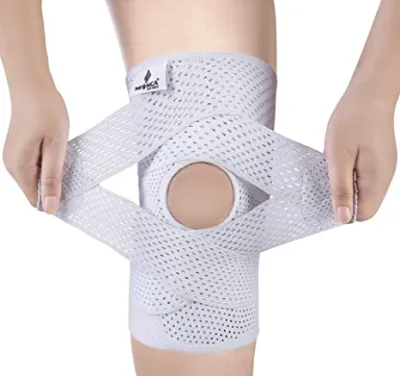
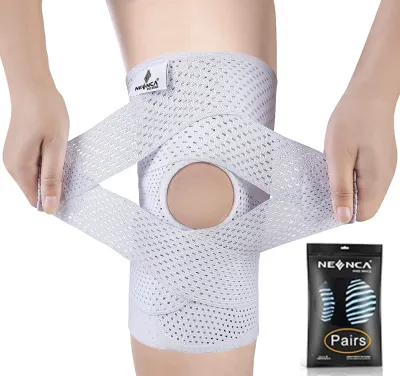
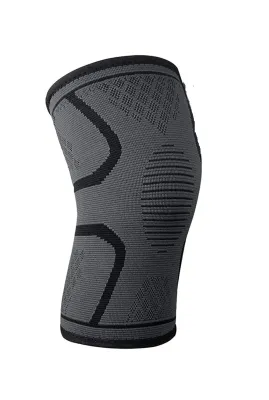
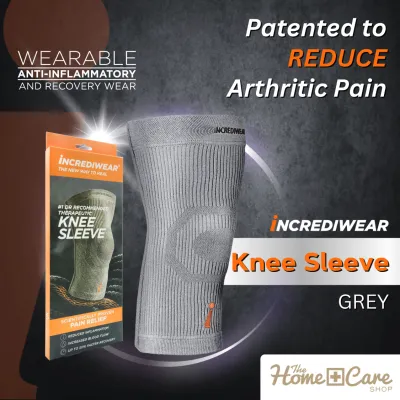
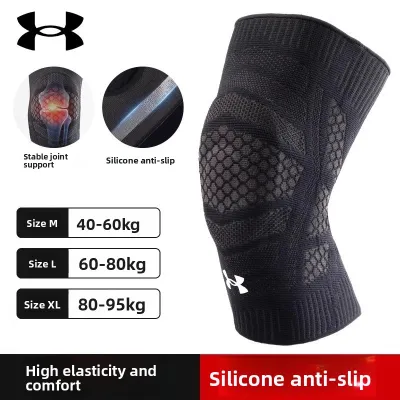
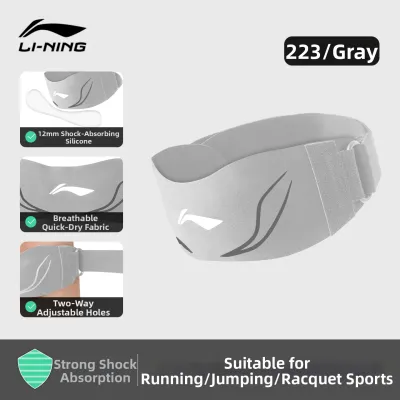
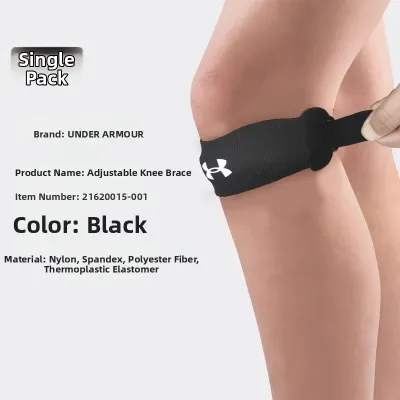
Prices are valid at publication and may change. Please refer to the product page for the latest price.
Keep in mind that this self-assessment is solely intended to help you identify your personal comfort preferences and support needs. It does not replace a professional medical diagnosis. If you are recovering from an injury, always consult a healthcare professional to determine the appropriate level of restriction your joint requires.
Step 2: Understand the Four Main Knee Support Types
Knee supports generally fall into four primary categories, each engineered to address different movement dynamics and stability requirements. Understanding these structural differences allows you to choose a design that aligns with your physical activities without unnecessarily restricting your natural range of motion.

Compression sleeves are typically made of elastic, neoprene, or knit fabrics. They slide over the leg to provide uniform compression and retain joint warmth. This constant pressure enhances proprioception—your body’s awareness of the joint’s position in space—and helps manage mild swelling during or after a workout.
Patellar straps are narrow bands that wrap tightly just below the kneecap, directly over the patellar tendon. By applying targeted pressure, these straps slightly alter the angle at which the tendon pulls, which can help alleviate localized discomfort during high-impact jumping or running.
Patellar stabilizers combine the compression of a sleeve with a built-in gel or foam ring surrounding the kneecap. This cutout design helps keep the kneecap centered within its groove during repetitive bending, preventing it from shifting uncomfortably to either side.
Hinged braces feature rigid side guards made of plastic or lightweight metal, joined by mechanical hinges. These are designed to restrict extreme lateral movements and prevent the knee from hyperextending, making them suitable for individuals who require significant structural support due to past ligament issues.
Step 3: Match Your Sport to the Right Support
Matching your sport to the correct support type ensures you receive the necessary assistance without hindering your athletic performance. For endurance activities like running and cycling, the primary challenge is repetitive motion. In warm, humid climates like Singapore’s, heat dissipation is a key comfort factor. If you experience mild, generalized stiffness after long distances, a lightweight, highly breathable knit compression sleeve can improve comfort and joint awareness without trapping excessive sweat. If you notice your kneecap feels unstable during long descents, a patellar stabilizer with a tracking cutout can help keep the joint aligned without causing chafing or heat rash.
For weightlifting and powerlifting, the focus shifts to managing heavy axial loads. Lifters typically opt for thick neoprene compression sleeves, often 5mm or 7mm in thickness. These heavy-duty sleeves provide substantial warmth and a firm rebound sensation at the bottom of a squat, helping you maintain proper alignment under load.
Court sports like basketball, badminton, and tennis demand sudden stops, jumps, and lateral cuts. If your primary discomfort occurs during vertical jumps, a slim patellar strap can offer targeted relief without restricting your agility. However, if you are navigating lateral instability or returning to play after a sprain, a hinged brace may be considered to protect the joint against sudden sideways forces.
Before finalizing your purchase on any online marketplace, always verify the manufacturer’s sizing chart. Use a flexible tape measure to check the circumference of your thigh and calf at the exact points specified by the brand, as an ill-fitting support can slip down or restrict blood flow. Additionally, review the material care instructions and intended use labels to ensure the support can withstand the sweat and frequent washing associated with your sport.
Safety Limits: When to Skip the Brace and See a Doctor
While a knee support can enhance comfort during exercise, it is not a cure for underlying joint issues. There are several critical warning signs that indicate you should skip the brace entirely and seek immediate professional medical evaluation. If you experience sudden, severe swelling, find yourself completely unable to bear weight on the leg, or feel the joint locking or catching in place, do not attempt to self-treat with a support.
A knee brace cannot repair torn ligaments, meniscus damage, or other structural issues, nor can it replace a structured physical rehabilitation program. Relying on a support to mask persistent pain can lead to altered movement patterns and secondary injuries. If your knee pain persists, worsens, or fails to improve despite using basic support, stop the activity immediately and consult a qualified healthcare provider.
Frequently Asked Questions (FAQ)
Can I wear a knee support all day, or only during my sport?
Lightweight, breathable compression sleeves are often suitable for extended wear during daily activities to help manage mild swelling. However, rigid hinged braces and highly restrictive stabilizers are designed specifically for the high-impact phases of your sport and should not be worn continuously. Always consult the manufacturer’s guidelines for recommended maximum wear times, and remove the support periodically to allow your skin to breathe and prevent irritation.
How tight should a knee compression sleeve feel?
A properly fitting knee sleeve should feel snug, providing firm, even compression around the entire joint without causing pain, pinching, or numbness. You can perform a few simple checks to verify the fit: the sleeve should remain securely in place during a squat without rolling down, and it should not leave deep, painful indentations or restrict circulation behind your knee. If your toes feel cold or you experience a tingling sensation, the sleeve is too tight and you should size up.
Community discussion
Share your experience or ask a question. Comments are reviewed before publication.