
Selecting the right knee support requires balancing your current physical condition with the specific movement patterns of your sport. A support that is too rigid can restrict your natural movement and weaken your muscles over time, while one that is too loose or lightweight will fail to provide the necessary joint stabilization during high-impact activities. Whether you are searching for a heavy-duty medical brace or a lightweight “knee doh”—a common search term used by active individuals looking for everyday knee sleeves and protective pads—the goal is to match the structural design of the gear to your knee’s mechanical needs. By evaluating your joint health, understanding the physical demands of your sport, and selecting the correct category of support, you can protect your knees while maintaining peak performance.
Identify Your Knee Condition and Support Needs
Before browsing online marketplaces or local sporting goods stores, you must assess the current state of your knee joint. Knee issues generally fall into three distinct categories: general muscle fatigue, mild joint instability, and active post-injury recovery. General fatigue often presents as a dull ache or stiffness after a long workout, which typically requires only mild compression to promote blood flow and warmth. Mild instability, characterized by a sensation of the knee “giving way” during lateral movements, demands a support with structural elements like side stabilizers. Active post-injury recovery, such as rehabilitating a ligament sprain or meniscus tear, requires highly structured braces that physically limit harmful ranges of motion.
When evaluating options, it is crucial to check product labels and packaging to distinguish between general sports accessories and registered medical devices. General sports sleeves are designed for warmth, mild compression, and abrasion resistance during active play. In contrast, registered medical devices undergo regulatory checks to ensure they provide specific therapeutic compression levels or mechanical stabilization. If you are recovering from a diagnosed medical condition, look for clear indications on the packaging that the product is certified for orthopedic rehabilitation.
Products mentioned in this guide
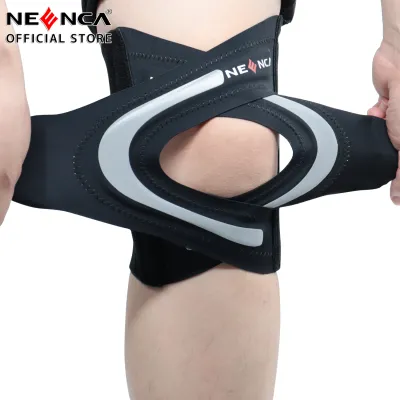
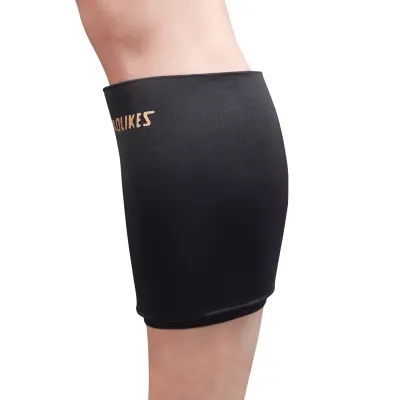
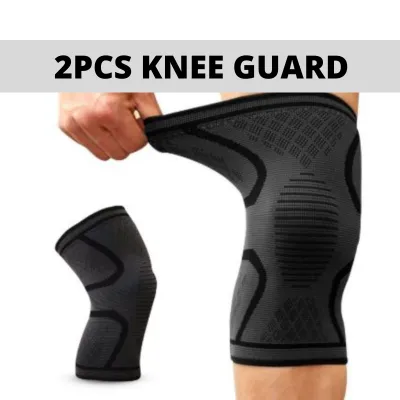
Prices are valid at publication and may change. Please refer to the product page for the latest price.
While a knee support can assist with minor discomfort, you must recognize red flags that indicate a more serious underlying issue. If you experience sharp, localized pain, severe or sudden swelling, an inability to bear weight, or a sensation of the joint locking in place, you must stop the selection process immediately. These symptoms suggest structural damage that a retail brace cannot fix. In these scenarios, consult a qualified physiotherapist or orthopedic doctor to obtain a professional diagnosis and a tailored rehabilitation plan before resuming any sports activities.
Match the Support Type to Your Specific Sport
Different sports place unique mechanical stresses on the knee joint, meaning a support that works perfectly for one activity may be highly ineffective or even restrictive in another. High-impact and pivoting sports, such as basketball, football, and badminton, subject the knees to sudden lateral forces and rapid changes of direction. For these activities, you need a support that offers lateral stabilization and secure, adjustable strapping. These features help prevent the knee from rolling inward or outward during sharp cuts on the court or field, reducing the risk of ligament strain.

In contrast, repetitive motion sports like running, cycling, and rowing involve continuous, straight-line flexion and extension. For these activities, heavy lateral stabilizers are often counterproductive, as they add unnecessary weight and can alter your natural stride. Instead, runners and cyclists benefit most from lightweight compression sleeves that facilitate patella tracking without restricting your range of motion. These sleeves provide continuous sensory feedback—known as proprioception—which helps your brain keep the kneecap aligned correctly during thousands of repetitive strides or pedal strokes.
Ground-based or contact sports, such as volleyball, wrestling, and martial arts, present a different set of demands. Here, the primary risks are direct impact with the floor and friction burns. For these activities, look for supports that feature integrated impact padding and abrasion-resistant outer fabrics. The padding absorbs the shock of sudden dives or falls, while the durable material protects the skin from turf or court burns.
Regardless of your sport, always verify the manufacturer’s specifications for material breathability and moisture-wicking properties. This is especially important when exercising in hot and humid climates, such as Singapore’s year-round tropical weather. Heavy, non-breathable materials can trap sweat, leading to skin irritation, slippage, and general discomfort that might tempt you to remove the support mid-workout. Look for 3D-knit fabrics or perforated neoprene that allow heat to escape while keeping the joint warm and supported.
Understand the Main Categories of Knee Supports
Navigating the wide variety of knee supports available can be overwhelming. To make an informed choice, you must understand the structural differences between the four primary categories: compression sleeves, wraparound braces, hinged braces, and patella straps.
Compression sleeves are slip-on elastic or knit tubes that slide over the foot and sit directly against the skin. They are designed to provide general warmth, mild compression, and enhanced proprioception. Because they lack rigid structural elements, they are best suited for minor aches, general muscle fatigue, or as a preventative measure during low-risk activities.
Wraparound braces feature an open-front design with adjustable hook-and-loop straps. This design makes them incredibly easy to apply and remove, especially for individuals with limited mobility or those dealing with swollen joints that make sliding a sleeve over the foot painful. The adjustable straps allow you to customize the compression level, tightening the brace as swelling subsides or loosening it if you experience discomfort during a workout.
Hinged braces represent the highest level of mechanical support. They feature rigid plastic or metal hinges along the sides of the knee, which physically prevent lateral movement while allowing the joint to bend naturally. These braces are typically recommended for individuals recovering from ligament tears (such as the ACL or MCL) or those returning to sport after major joint surgery. They ensure the knee remains locked in a safe plane of motion during high-stress activities.
Patella straps and bands are narrow, minimalist bands that wrap tightly around the leg just below the kneecap, directly over the patellar tendon. They apply targeted pressure to the tendon, which helps distribute forces away from the joint and alleviate pain associated with conditions like patellar tendonitis (commonly known as “jumper’s knee”).
When comparing specific models within these categories, check for practical design features that enhance comfort and performance. Look for non-slip silicone grips along the inner top hem to prevent the support from sliding down during vigorous movement. Additionally, inspect the seam placements; flatlock or seamless construction is highly preferred to prevent painful chafing behind the knee during repetitive bending.
How to Measure and Fit Your Knee Support Correctly
Even the most advanced knee support will fail to protect your joint if it does not fit correctly. An improperly sized support can either restrict blood circulation or slide down constantly, rendering it useless. To find your correct size, always use a soft tape measure rather than guessing based on your clothing size.
To measure your leg accurately, stand up straight with your weight distributed evenly on both feet. Locate the center of your kneecap (the patella). First, measure the circumference directly around the mid-patella. Next, measure the circumference of your thigh, typically about 10 to 15 centimeters above the center of your kneecap, as specified by the manufacturer’s sizing guide. Finally, measure your calf circumference, usually about 10 to 15 centimeters below the kneecap. Compare these three measurements against the specific brand’s sizing chart, as sizing standards vary significantly between manufacturers.
Once your support arrives, perform a functional fit test before heading out to play. Put the support on and perform a series of basic movements, such as deep squats, forward lunges, and brisk walking. The support should feel snug and provide even pressure across the entire joint, but it should not pinch, bunch up uncomfortably behind the knee, or slide down during these movements.
Pay close attention to signs of an improper fit. If you experience numbness, tingling, coldness in your foot, or deep red marks on your skin after a few minutes of wear, the support is too tight and is restricting your blood flow. Conversely, if you can easily slide several fingers under the band or if the material bunches up when you bend your leg, the support is too loose and will not provide adequate compression. Adjust the straps if applicable, or exchange the product for a different size to ensure safe and effective use.
Care, Maintenance, and Replacement Signals
Proper care and maintenance are essential to preserve the elasticity, structural integrity, and hygienic condition of your knee support. Because these accessories absorb significant amounts of sweat and body oils during exercise, they require regular cleaning to prevent bacterial growth and unpleasant odors.
Always follow the manufacturer’s specific washing instructions. As a general rule, hand wash your knee support in cool water using a mild detergent. Avoid using bleach or fabric softeners, as these chemicals break down the synthetic fibers, spandex, and neoprene, rapidly reducing the support’s elasticity. If you must use a washing machine, place the support inside a mesh laundry bag, select a gentle cycle, and secure all hook-and-loop fasteners to prevent them from snagging the fabric.
Never place your knee support in a clothes dryer. The high heat will warp plastic stabilizers, degrade silicone non-slip grips, and destroy the elastic fibers. Instead, gently squeeze out excess water—do not wring or twist the fabric—and lay the support flat on a clean towel to air dry in a well-ventilated area away from direct sunlight.
Regularly inspect your knee support for signs of wear and tear. Over time, all elastic materials lose their structural tension. Check for stretched-out fabric, frayed seams, degraded silicone grips that no longer hold, worn-out hook-and-loop fasteners that pop open during movement, or loose hinges on structured braces. If the support no longer stays firmly in place during your workouts or fails to provide the snug compression it did when new, it has reached the end of its lifespan and must be replaced to ensure your knees remain fully protected.
Frequently Asked Questions (FAQ)
Can I wear a knee support all day for general daily activities?
Wearing a knee support all day is generally not recommended unless specifically prescribed by a healthcare professional. Continuous wear can lead to muscle dependency, where the surrounding muscles rely on the brace for stability and gradually weaken over time. It can also cause skin irritation from trapped moisture and heat. Remove the support during periods of rest, sitting, or sleeping. If you experience chronic daily pain that makes you feel you need a brace constantly, consult a doctor or physiotherapist to address the root cause of the issue rather than relying solely on a temporary support.
Should I wear a knee support on both knees if only one is injured?
You should primarily wear a knee support on the specific knee that is injured, unstable, or recovering. There is generally no mechanical need to wear a matching structured brace on your healthy knee, as doing so can unnecessarily restrict your natural movement. However, some athletes choose to wear a lightweight, non-restrictive compression sleeve on their uninjured knee. This can provide balanced warmth, mild compression, and symmetrical sensory feedback (proprioception) during sports, which some find helpful for mental confidence and overall comfort on the court or field.
How tight should a compression knee sleeve feel?
A compression knee sleeve should feel like a firm, supportive hug around your joint. It should apply snug, even pressure across the entire knee area without any localized pinching, throbbing, or sharp discomfort. You should be able to move your leg through its full range of motion without feeling like your circulation is being cut off. A quick way to check the fit is to slide one finger under the top or bottom band of the sleeve; it should feel tight but still allow your finger to slip in comfortably without forcing it.
Community discussion
Share your experience or ask a question. Comments are reviewed before publication.