
Selecting the right leg exercises tool—such as a weightlifting belt, lifting straps, or gym gloves—depends on your training experience, the specific movements in your routine, and your physical bottlenecks. These supportive accessories are not shortcuts to bypass hard work, nor do they replace foundational strength. Instead, they serve as targeted tools to help you safely overload your lower body once you have established proper lifting mechanics. By understanding how and when to deploy each accessory, you can maximize the stimulus on your quadriceps, hamstrings, and glutes while managing fatigue and minimizing injury risks.
Understand the Role of Supportive Accessories in Leg Training
Supportive gym accessories are designed to enhance your training capacity by addressing specific physiological limitations. During lower-body training, the target muscles—such as the glutes and quadriceps—are incredibly large and strong. Often, smaller secondary factors like grip endurance, spinal bracing feedback, or hand skin comfort will fail before these major muscle groups are fully fatigued. Leg exercise tools are engineered to bypass these secondary bottlenecks, allowing you to stimulate the target muscles effectively.
However, these tools must never be used as a substitute for proper lifting mechanics or foundational core strength. If your squat technique is unstable without a belt, adding one will not fix the underlying movement pattern. Before selecting any accessory, you must have a clear understanding of your current training intensity, your specific movement patterns, and your physical limits.
Products mentioned in this guide
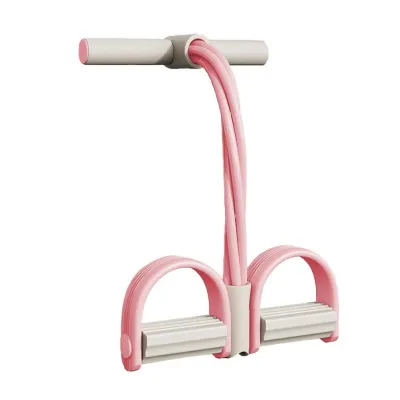
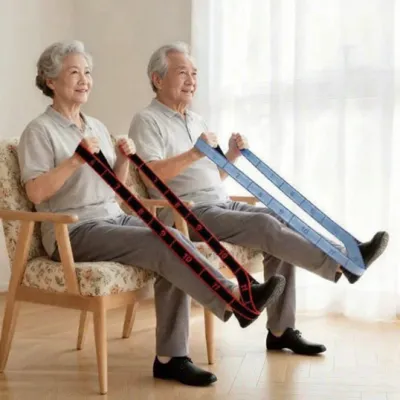
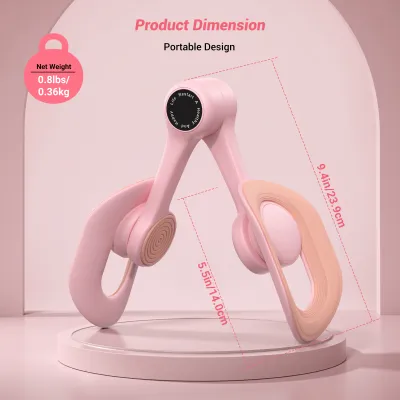


Prices are valid at publication and may change. Please refer to the product page for the latest price.
Each accessory category plays a distinct mechanical role in lower-body training:
- Weightlifting belts provide an external surface for your abdominal muscles to brace against, enhancing spinal stability under heavy loads.
- Lifting straps eliminate grip strength as a limiting factor, allowing you to hold heavy weights during pulling or hinging movements.
- Gym gloves reduce friction between your skin and the knurling of barbells or dumbbells, protecting your hands from calluses and improving hold in humid environments.
When and How to Use a Weightlifting Belt for Leg Exercises
A weightlifting belt is highly beneficial during heavy, bilateral compound movements that place a significant axial load on the spine. The most common exercises where a belt is appropriate include heavy barbell back squats, front squats, and heavy leg presses. In these movements, the primary challenge is maintaining a rigid torso to transfer force from your legs to the weight.

To use a belt safely, you must understand its underlying mechanism. A belt does not passively support your lower back like a medical brace. Instead, it acts as a rigid physical boundary. When you take a deep breath into your abdomen and contract your core muscles—a process known as the Valsalva maneuver—your midsection expands. The belt resists this expansion, which significantly increases intra-abdominal pressure. This internal pressure creates a rigid cylinder around your spine, stabilizing your torso and reducing spinal shearing forces.
Proper positioning is critical for the belt to function correctly. Place the belt around your waist, typically just above your hip bones (the anterior superior iliac spine) and below your lower rib cage. Depending on your torso length and the specific exercise, you may need to adjust the height slightly to find where it feels most secure without pinching your hips at the bottom of a squat. To brace effectively, inhale deeply into your belly (not your chest), expanding your abdomen outward against the belt, and hold that breath as you perform the repetition. Exhale only once you have passed the most difficult portion of the lift.
Conversely, you should avoid wearing a belt during light warm-up sets, isolation exercises (such as leg extensions or leg curls), or mobility work. Using a belt during these movements is unnecessary and prevents your core muscles from engaging naturally under lighter, manageable loads.
Matching Belt Type and Thickness to Your Training Intensity
Selecting the right belt requires matching the material, thickness, and closure system to your specific training style and physical build:
- Leather Lever Belts: Typically 10mm to 13mm thick, these offer maximum rigidity and support. They are ideal for powerlifting-style squats where absolute torso rigidity is required. However, they are stiff and can limit mobility in deeper ranges of motion.
- Prong or Buckle Leather Belts: These offer similar support to lever belts but allow for quick adjustments between different exercises or clothing layers. They are highly versatile for general bodybuilding and varied leg day movements.
- Nylon and Velcro Belts: These provide lighter, flexible support. They are excellent for high-rep squats, lunges, or dynamic functional fitness movements where you need some bracing feedback but require full mobility.
Always check the manufacturer’s sizing charts before purchasing. Belt sizing is based on your actual waist measurement at the navel while relaxed, which differs significantly from standard clothing waist sizes.
Using Lifting Straps for Hinge and Posterior Chain Movements
Lifting straps are essential for posterior chain exercises where your grip strength is the primary bottleneck. During movements like Romanian deadlifts (RDLs), stiff-leg deadlifts, good mornings, and heavy dumbbell walking lunges, your hamstrings and glutes can handle far more weight than your hands can hold. If your grip fails before your target muscles are fully stimulated, you limit your muscle-building potential. Straps allow you to secure your hands to the weight, ensuring you can train your posterior chain to true muscular fatigue.
To use standard cotton or leather lifting straps securely, follow these steps:
- Thread the long tail of the strap through the loop to create a wrist cuff, ensuring the tail points in the direction of your thumb when your hand is open.
- Slip your hand through the cuff and pull it snug around your wrist, positioning the loop just below your wrist bone.
- Place your hand on the barbell or dumbbell handle. Wrap the tail of the strap under the bar (from back to front) and around it.
- Wrap the strap tightly around the bar once or twice without overlapping the fabric excessively, which can make the grip too thick.
- Place your hand over the wrapped strap and rotate the bar toward you (like revving a motorcycle throttle) to tighten the slack and lock your hand in place.
While straps are highly effective, they introduce safety risks if used incorrectly. Never use lifting straps for movements where you might need to drop the barbell quickly to avoid injury, such as Olympic lifts (cleans and snatches) or heavy overhead movements. If you miss a lift while strapped to the bar, you risk severe wrist, elbow, or shoulder injuries because you cannot easily release the weight.
Evaluating the Need for Gym Gloves on Leg Day
Gym gloves are a personal preference accessory, and their utility on leg day depends on your exercise selection and training environment. The primary benefit of wearing gloves is skin protection. They prevent calluses, blisters, and skin tears during high-rep movements that involve holding heavy weights, such as dumbbell step-ups, walking lunges, or machine-based leg exercises with rough, knurled handles.
However, gloves have a notable drawback: the added material increases the effective diameter of the bar or handle. A thicker handle makes it harder to wrap your fingers completely around the weight, which can reduce your grip security and bar feel during heavy deadlift variations.
If you train in a humid climate like Singapore, sweat can make metal handles slippery, increasing the temptation to wear gloves. If you decide against gloves but still need grip security, consider these alternatives:
- Liquid Chalk: Many commercial gym facilities in Singapore prohibit loose chalk due to cleanliness concerns, but liquid chalk is often permitted as it leaves minimal residue. It dries sweat and improves friction without adding bulk to your grip.
- Minimalist Lifting Grips: These are rubber or leather flaps attached to a wrist strap. They protect your palms during heavy lifts but can be flipped out of the way when not needed, preserving your natural bar feel.
Step-by-Step Guide to Selecting Your Leg Workout Accessory Kit
Building a customized accessory kit requires a systematic approach based on your current training phase, exercise selection, and physical needs.
Step 1: Audit Your Routine
Analyze your leg day program and categorize your exercises into three distinct groups:
- Heavy Compound Lifts: Squats, front squats, and heavy leg presses.
- Hinge Movements: Romanian deadlifts, stiff-leg deadlifts, and good mornings.
- High-Rep or Unilateral Work: Dumbbell lunges, step-ups, and machine isolation exercises.
Step 2: Identify Your Bottlenecks
Determine what is holding you back during each movement category. If your lower back feels fatigued or unstable during heavy squats, your bottleneck is core bracing feedback (indicating a need for a belt). If your hands slip during heavy RDLs before your hamstrings feel tired, your bottleneck is grip endurance (indicating a need for straps). If your palms are painful or slipping due to sweat during lunges, your bottleneck is hand comfort and friction (indicating a need for gloves or liquid chalk).
Step 3: Select and Sequence Your Tools
Plan when to introduce each tool during your workout. Perform your warm-up sets and lighter working sets without any accessories to build natural core strength, grip endurance, and joint stability. Introduce your weightlifting belt only for your heaviest top sets of squats. Switch to lifting straps specifically for your heavy RDL sets, and use gloves or grips only during high-volume dumbbell work where skin friction becomes uncomfortable. Beginners should prioritize mastering raw movement mechanics for at least several months before introducing any supportive tools.
Safety Boundaries and Common Accessory Mistakes
Using supportive accessories incorrectly can compromise your safety and hinder your long-term athletic development. One of the most common mistakes is belt dependency. Wearing a belt for every exercise, including light warm-ups and isolation movements, prevents your deep stabilizing muscles (such as the transversus abdominis) from developing naturally. This can lead to a false sense of security and a higher risk of injury when lifting without a belt.
Another common error is improper belt tightness. Wearing a belt too tight restricts your breathing and prevents you from taking a full diaphragmatic breath, which actually decreases your stability and can cause lightheadedness. Conversely, wearing it too loose provides no resistance for your abdomen to push against, rendering the belt useless.
Always check the physical condition of your equipment before use. Inspect leather belts for cracks, lever mechanisms for loose screws, and lifting straps for fraying seams. If any accessory shows signs of structural wear, replace it immediately.
Stop using any accessory immediately if it causes sharp joint pain, alters your natural biomechanics in a way that feels unsafe, or causes numbness or tingling in your hands or feet. If you find yourself relying on belts or straps to mask chronic joint pain, mobility deficits, or underlying injuries, stop lifting and consult a certified strength coach or a physical therapist for a professional assessment.
Frequently Asked Questions (FAQ)
Should beginners use a weightlifting belt for squats?
Beginners should avoid using a weightlifting belt during their initial stages of training. It is crucial to first learn how to brace your core naturally, maintain proper spinal alignment, and develop baseline stability using your own musculature. Introducing a belt too early can interfere with learning these foundational mechanics. A belt should only be introduced once you have mastered proper squat form and are transitioning to heavier loads, typically when lifting weights above 70% to 80% of your one-rep maximum.
Can lifting straps weaken my grip strength over time?
Lifting straps will not weaken your grip strength if you use them strategically. If you rely on straps for every exercise, your grip muscles will not receive the stimulus needed to grow stronger. To prevent this, perform all of your warm-up sets, lighter accessory exercises, and dedicated forearm training without straps. Reserve your lifting straps exclusively for your heaviest working sets where your target lower-body muscles require a load that your grip cannot support. This approach ensures both your grip and your leg strength develop progressively.
Community discussion
Share your experience or ask a question. Comments are reviewed before publication.