
Finding the right leg support can mean the difference between staying active and being sidelined by discomfort. Whether you are managing a nagging ache from your daily runs or recovering from a sudden twist on the court, the sheer variety of braces, sleeves, and guards available can feel overwhelming. Selecting the wrong type of support can lead to restricted movement, skin irritation, or even worsen your underlying condition.
To make an informed decision, you must match the support’s structure to your specific physical symptoms and the demands of your activity. This guide breaks down how to assess your needs, compare different types of leg supports, and verify the correct fit for safety and performance.
Quick Guide: Matching Support Types to Common Needs
When you experience discomfort, your immediate goal is to find a solution that helps you move safely. A quick self-assessment of your primary issue can point you toward the correct category of leg support.
Products mentioned in this guide
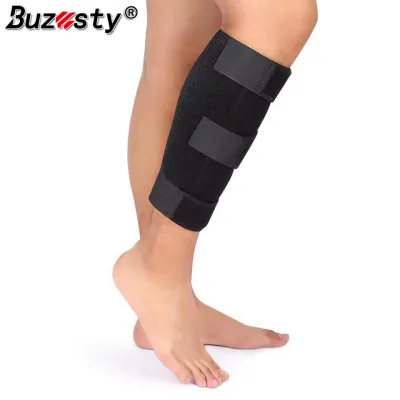
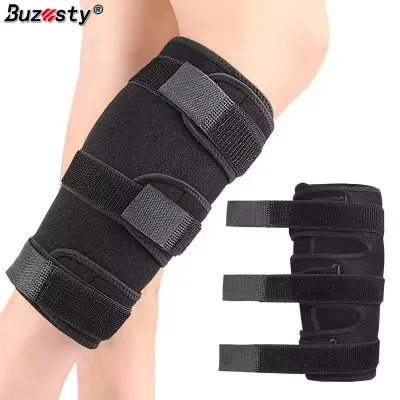
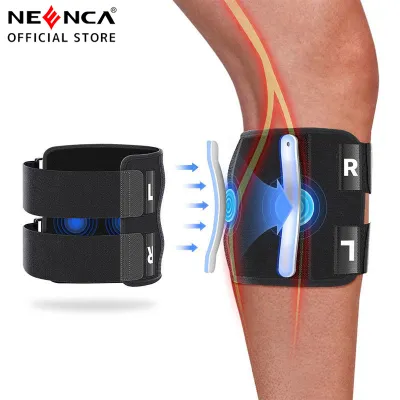
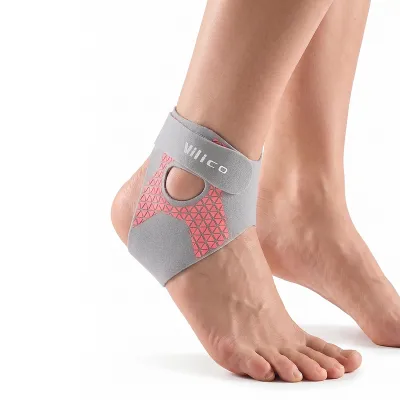
Prices are valid at publication and may change. Please refer to the product page for the latest price.
For joint instability, such as a knee that feels like it might give way or an ankle prone to twisting, structured braces and stabilizers are generally required. These products use rigid stays, hinges, or straps to physically limit harmful joint movements.
If you are dealing with general muscle fatigue, mild swelling, or a dull ache after long hours of standing or running, compression sleeves are usually the most appropriate choice. They provide gentle, continuous pressure to support blood flow and reduce muscle vibration.
For sports where direct contact is common, such as football or hockey, padded guards are essential. These are designed specifically to absorb impact and protect the underlying bones and soft tissues from external blows.
Keep in mind that while this quick mapping serves as an excellent starting point for your research, it is not a substitute for a professional medical diagnosis. If you have a severe or undiagnosed injury, always consult a healthcare professional before self-treating.
Step 1: Identify Your Symptoms and Activity Triggers
Before purchasing any support, you need to analyze what your body is telling you and how you plan to use the gear. The nature of your pain and the specific movements of your sport dictate the level of stabilization required.

Start by differentiating between acute injury recovery and chronic mild discomfort. An acute injury, such as a recent ligament sprain, typically requires a rigid or hinged support to immobilize or strictly limit the joint’s range of motion, allowing tissues to heal. Conversely, chronic mild discomfort, like minor stiffness or muscle soreness, is often better managed with a flexible compression sleeve that allows full movement while providing warmth and sensory feedback.
Next, assess the specific physical demands of your sport or activity. If your sport involves frequent lateral movements, sudden pivots, and rapid changes of direction—such as basketball, tennis, or badminton—your joints experience high shear forces. These activities usually demand structured stabilizers with lateral stays or straps to prevent excessive rolling. For repetitive linear motions like running, cycling, or walking, a lightweight, flexible sleeve is often sufficient to manage fatigue without restricting your natural stride.
Pinpointing the exact location of your pain is equally critical. Is the discomfort centered directly on the joint line, deep within the muscle belly, along the shin bone, or at a specific tendon attachment? Joint-line pain often points to ligament or cartilage issues requiring structured bracing, while muscle-belly pain is highly responsive to compression. Tendon-related pain, such as discomfort just below the kneecap, often benefits from highly targeted pressure straps rather than a full sleeve.
Finally, track when your pain occurs. If you experience discomfort primarily during activity, you may need a support designed for performance and stabilization. If the pain sets in immediately after exercise or during rest, your focus should be on recovery-oriented compression wear that promotes circulation. Understanding these triggers ensures you select a product that addresses the root of your discomfort rather than just masking the symptoms.
Step 2: Compare the Main Types of Leg Supports
Once you have identified your symptoms and activity triggers, you can compare the primary categories of leg supports to find the right match.
Knee Braces and Sleeves
Knee supports range from simple pull-on sleeves to complex mechanical braces, each serving a distinct functional purpose.
Knee sleeves are typically made of neoprene or knitted elastic fabrics. They provide warmth, mild compression, and improved proprioception—which is your brain’s awareness of the joint’s position. These are ideal for general aches, mild stiffness, or minor patellar tracking issues where mechanical restriction is unnecessary.
Hinged or strap braces incorporate metal or plastic hinges along the sides of the knee to provide mechanical stability. These are designed for individuals recovering from ligament tears or those requiring strict control over joint alignment during rehabilitation.
Patellar straps are narrow bands worn just below the kneecap. They apply targeted pressure to the patellar tendon, helping to distribute forces more evenly and relieve pain associated with jumper’s knee or patellar tendonitis.
Ankle Guards and Stabilizers
Ankle supports must balance the need for protection with the flexibility required for your specific sport.
Lace-up or stirrup braces offer a high level of restriction. They are designed to limit inversion and eversion—the inward and outward rolling of the ankle—making them excellent for high-risk lateral sports or individuals with a history of chronic ankle sprains.
Compression ankle sleeves are lightweight and highly flexible. They help manage mild swelling and provide sensory feedback to help you maintain balance, without limiting your natural range of motion during linear activities like running.
Padded guards feature integrated foam or plastic shields. These are designed specifically to protect the ankle bones from direct impacts, which is crucial in contact sports or activities where equipment might strike the lower leg.
Calf and Shin Compression Wear
Lower leg supports focus primarily on muscle containment, circulation, and impact protection.
Calf sleeves cover the area from below the knee to just above the ankle. They are designed to reduce muscle oscillation—the vibration that occurs when your foot hits the ground—which can help minimize muscle fatigue and soreness during endurance running or cycling.
Shin sleeves or guards serve different purposes. While traditional hard shin guards protect against direct impact in sports like football, compression shin sleeves can provide mild warmth and pressure to help manage the discomfort of shin splints, though this should always be done under medical guidance.
When choosing lower leg wear, consider the trade-off between socks and sleeves. Compression socks cover the entire foot and ankle, which is highly effective for managing fluid retention and swelling in the lower extremities. Calf sleeves allow you to wear your preferred athletic socks, making them a more versatile option for athletes who have specific footwear preferences.
Step 3: Verify Fit, Material, and Usage Limits
Selecting the correct category of support is only half the battle; you must also ensure the product fits correctly and is suitable for your environment.
To find the correct size, always use a flexible tape measure to measure the circumference of your joint or muscle at the specific points recommended by the manufacturer. Do not rely on your standard clothing size, as sizing standards vary significantly between brands. A support that is too loose will fail to provide the necessary stability or compression, while one that is too tight can restrict blood flow and cause tissue damage.
Material selection is particularly important if you live in a warm, humid climate like Singapore. Look for moisture-wicking, breathable fabrics such as lightweight nylon-spandex blends or specialized performance knits. These materials help draw sweat away from your skin, reducing the risk of chafing, heat rashes, and bacterial buildup during intense workouts. Neoprene provides excellent heat retention and structural support but can become hot and sweaty, so look for perforated neoprene options if you require structured support in warm conditions.
When trying on your support, perform a quick fit check to ensure safe circulation. The support should feel snug and evenly pressurized, but it should never cause throbbing, numbness, tingling, or coldness in your extremities. Check the skin around the edges of the support; if you notice deep, painful indentations or skin discoloration, the fit is likely too tight.
Finally, remember that elastic materials degrade over time. Sweat, body oils, and regular washing gradually break down the elastane fibers, reducing the compression and support the product provides. Inspect your gear regularly for signs of stretching, fraying, or loss of elasticity, and replace your supports periodically to ensure they continue to perform effectively.
Red Flags: When to Seek Professional Medical Advice
While over-the-counter leg supports are highly useful tools, they cannot replace professional medical care. Certain symptoms indicate a serious underlying issue that requires immediate evaluation by a doctor or physiotherapist.
Do not attempt to self-treat with a support if you experience severe pain, find yourself completely unable to bear weight on the leg, or notice any visible deformity in the joint. These are signs of potential fractures, complete ligament tears, or joint dislocations that require urgent medical attention.
You should also seek immediate care if you experience numbness, coldness, or severe swelling that worsens after applying a support. These symptoms suggest compromised blood circulation or nerve compression, which can lead to serious complications if left unaddressed.
If your symptoms persist or continue to worsen despite using an appropriate support for a reasonable period, stop using it and consult a professional. A physiotherapist or doctor can provide a precise diagnosis and determine if you require custom orthotics, post-surgical bracing, or a structured rehabilitation program to address the root cause of your pain.
Frequently Asked Questions (FAQ)
Is it safe to wear a leg support while sleeping?
As a general rule, you should not wear tight compression sleeves or rigid braces while sleeping. When you lie flat, your cardiovascular system does not have to work against gravity to pump blood back from your legs, meaning high levels of compression can unnecessarily restrict arterial blood flow. Furthermore, wearing a support for extended, unmonitored periods increases the risk of skin irritation and breakdown. You should only wear a support to bed if a healthcare provider has explicitly prescribed it as part of a post-operative or acute injury recovery protocol.
How do I know if my compression sleeve is too tight?
A properly fitting compression sleeve should feel snug, supportive, and comfortable, like a firm second skin. Warning signs that your sleeve is too tight include a throbbing sensation, numbness, tingling, coldness in your toes or foot, or visible skin discoloration. If you remove the sleeve and find deep, painful indentations or red welts that persist for more than a few minutes, you should switch to a larger size to prevent restricted circulation and nerve irritation.
Should I wear a brace for prevention if I have no pain?
Relying on a supportive brace when you have no pain or history of injury is generally not recommended. Over time, constant external support can cause your body to rely on the brace rather than its own stabilizing muscles, potentially leading to muscle weakness and reduced joint mobility. For primary prevention, focus on strength, balance, and mobility training to build your body’s natural stability. Reserve structured braces for high-risk situations, such as returning to a demanding sport after a previous injury, or when advised by a sports professional.
Community discussion
Share your experience or ask a question. Comments are reviewed before publication.