
Selecting the right life jacket for water sports in Singapore depends entirely on your specific activity, your swimming ability, and the conditions of the water you plan to navigate. Whether you are paddling through the calm waters of MacRitchie Reservoir, wakeboarding off the coast of Sentosa, or sailing near the busy shipping lanes of the Singapore Strait, the right personal flotation device (PFD) balances safety with the physical freedom you need to perform. Choosing incorrectly can lead to severe discomfort, restricted movement, or, in the worst-case scenario, inadequate protection during an emergency.
To make an informed decision, you must evaluate the level of buoyancy required, the cut and design of the vest, and how the gear handles Singapore’s intense tropical heat and saltwater environment. This guide breaks down the essential differences between various flotation devices, matches specific designs to popular local water sports, and outlines the critical safety standards you must verify before heading out onto the water.
Understanding the Difference Between Life Jackets and Buoyancy Aids
Many water sports enthusiasts use the terms “life jacket” and “buoyancy aid” interchangeably, but they serve fundamentally different safety purposes. Understanding this distinction is the first and most critical step in selecting the correct gear for your activity.
Products mentioned in this guide
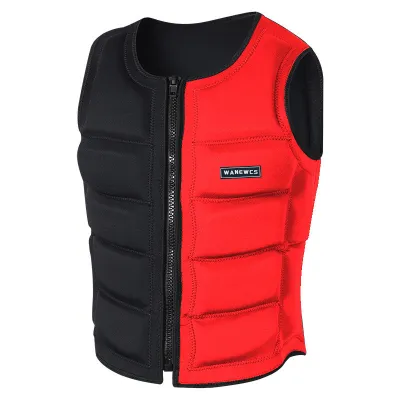
![🇸🇬[SG Seller]🇸🇬 Oasis Life Jacket](https://img.lazcdn.com/g/p/4d317df3d71df11e856a408ebde031aa.jpg_400x400q80.jpg_.webp)
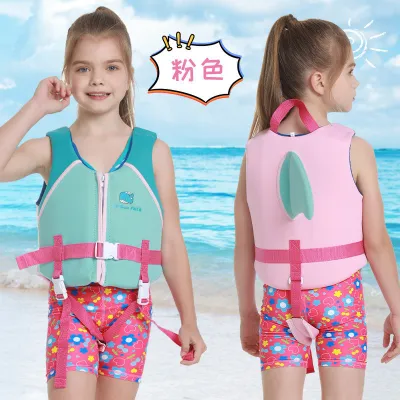
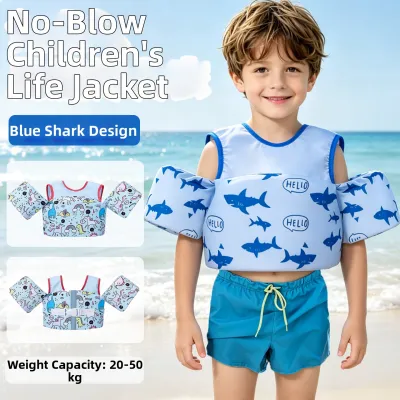
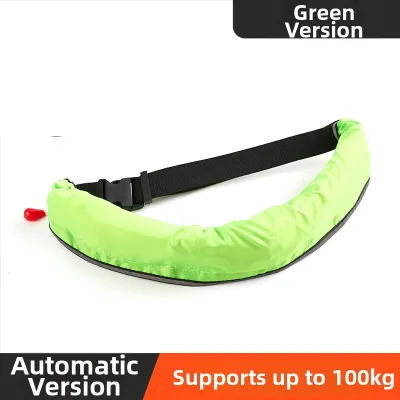
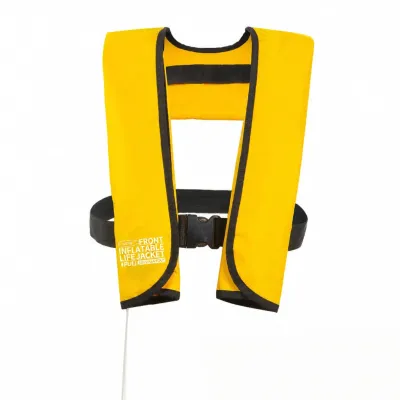
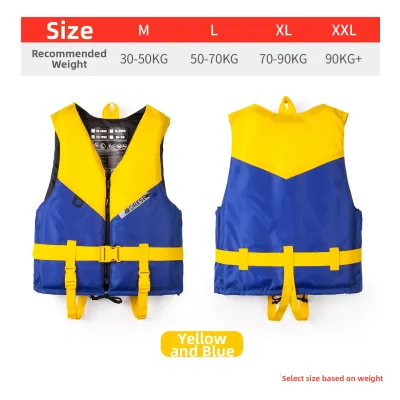
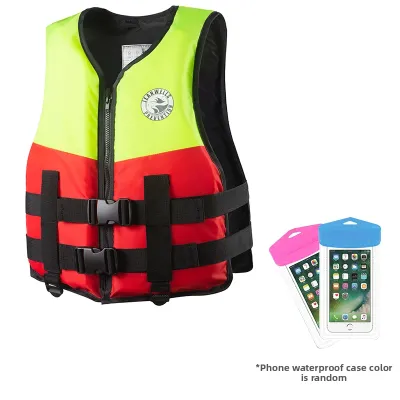
Prices are valid at publication and may change. Please refer to the product page for the latest price.
A true life jacket is designed to keep an unconscious person afloat and, crucially, turn them from a face-down position in the water to a face-up position, keeping their airway clear of the surface. These devices typically feature a large collar that supports the head and concentrate the bulk of their buoyant material at the chest and neck. Because of this design, true life jackets are often bulkier and can restrict rapid physical movement. They are essential for offshore sailing, open-ocean boating, non-swimmers, and children who require maximum, passive flotation support.
In contrast, a buoyancy aid (often classified as a 50-Newton device under international standards) is designed specifically for conscious swimmers. Its primary purpose is to assist you in remaining afloat while you actively swim or wait for recovery, without restricting your range of motion. The buoyant foam is distributed evenly around the torso, allowing you to paddle, swim, and climb back onto a board or boat with ease. Because they assume the wearer is conscious and capable of swimming, buoyancy aids will not automatically turn an unconscious person face-up.
When shopping, you must always look past generic marketing terms and inspect the manufacturer’s physical label. This label specifies the exact buoyancy rating (measured in Newtons, or N) and details the intended use cases. If you are participating in active, high-mobility sports close to shore where rescue is close at hand, a buoyancy aid is generally the preferred choice. For offshore excursions or situations where rescue may be delayed, a fully certified life jacket is indispensable.
Choosing the Right Design for Your Water Activity
Standard flotation vests are rarely one-size-fits-all. Different water sports demand distinct physical movements, and wearing a vest designed for a different activity can hinder your performance and compromise your safety. Matching the cut, material, and fastening systems of your life jacket or buoyancy aid to your chosen sport ensures both comfort and reliable protection.

Kayaking and Canoeing
Paddling requires continuous, repetitive upper-body movement. A standard life jacket with low-cut armholes or a long torso will quickly cause painful chafing against your inner arms and bunch up awkwardly when you sit in a kayak cockpit.
To prevent this, look for a buoyancy aid specifically designed for paddlesports. These models feature high-cut armholes that allow a completely unrestricted paddle stroke. They also utilize a shorter torso length, ensuring the bottom of the vest does not push upward against your chin when you sit down. A critical feature to look for is a mesh lower back. Most modern touring and recreational kayaks feature high backrests; a buoyancy aid with foam concentrated in the upper back and a thin mesh lower section will sit flat against the seat, preventing the vest from riding up and keeping you much cooler in Singapore’s humid climate.
Wakeboarding and Water Skiing
High-speed tow sports present a completely different set of physical demands, primarily centered around high-impact water entries and the need for a highly secure fit. When you fall at high speeds, the water can easily force a loose vest up over your head or cause painful bruising upon impact.
For these activities, you must understand the distinction between specialized impact vests and approved buoyancy aids. Many impact vests sold in wakeboarding shops are designed solely to cushion falls against obstacles and do not provide sufficient buoyancy to keep an exhausted or injured rider afloat. If you require reliable flotation, you must select an approved buoyancy aid designed for high-speed use. These vests feature multiple heavy-duty webbing straps with secure buckles and robust front zippers. The fit must be exceptionally snug, acting almost like a second skin, to ensure the vest remains firmly in place when hitting the water at speed.
Sailing and Dinghy Racing
Sailing requires constant, agile movement around the boat, from ducking under the boom during a tack to handling sheets and winches. A bulky vest can easily snag on rigging, lines, or shrouds, creating a dangerous entrapment hazard.
Dinghy racers and keelboat sailors should prioritize low-profile, compact buoyancy aids. These designs minimize bulk around the chest and stomach, allowing you to move quickly in tight spaces. For offshore sailing or rougher conditions outside the sheltered coastal areas, you may need a specialized life jacket equipped with an integrated safety harness. These models feature heavy-duty D-rings or webbing loops that allow you to clip a safety tether directly to the boat’s jacklines, preventing you from being thrown overboard in heavy seas.
Stand-Up Paddleboarding (SUP)
Stand-up paddleboarding combines elements of balance, core stability, and continuous paddling. Because you are standing upright, a bulky vest can alter your center of gravity and make re-boarding your paddleboard difficult if you fall into the water.
For SUP enthusiasts in Singapore, two main options exist: low-profile buoyancy vests and inflatable belt packs. Inflatable belt packs are worn around the waist like a small hip pack, offering complete upper-body freedom and maximum ventilation. However, these packs require manual activation (usually by pulling a cord to puncture a CO2 cylinder) and require the wearer to be a competent swimmer who can locate and slip the inflated bladder over their head in the water. Before opting for a belt pack, always verify the specific rules of the water sports center, reservoir, or operator you are using, as some local venues mandate wearable, inherently buoyant vests for all paddleboarders.
Essential Features for Singapore's Tropical Waters
Singapore’s equatorial climate and busy maritime environment place specific demands on your water sports gear. Selecting a life jacket without considering these localized factors can lead to rapid heat exhaustion, premature gear degradation, or reduced visibility in high-traffic waters.
Breathability and Quick-Dry Materials With year-round high temperatures and humidity, wearing a thick, unventilated foam vest can quickly lead to overheating. Look for buoyancy aids that incorporate breathable mesh panels, moisture-wicking interior linings, and ventilated foam cores. Materials like high-grade nylon or neoprene with quick-drying properties are highly recommended, as they prevent the vest from waterlogging and becoming uncomfortably heavy during long sessions on the water.
High-Visibility and Reflective Elements The waters surrounding Singapore, particularly along East Coast Park, Sentosa, and the Southern Islands, are shared with a wide variety of vessels, from high-speed ferries to motorized pleasure craft. In these busy environments, being highly visible is a primary safety requirement. Opt for life jackets in bright, high-visibility colors such as fluorescent orange, neon yellow, or vibrant red. Additionally, ensure the vest is equipped with marine-grade retroreflective tape on the shoulders and upper chest to make you significantly easier to spot in low-light conditions or heavy rain.
UV and Saltwater Resistance The intense tropical sun and high salinity of Singapore’s coastal waters can rapidly degrade cheap plastics and fabrics. UV radiation breaks down synthetic fibers, while saltwater can crystallize inside zippers and rot stitching. To protect your investment and ensure safety, choose gear constructed with UV-resistant fabrics (such as high-denier Cordura or polyester) and corrosion-resistant plastic or marine-grade stainless steel hardware. After every outing, rinse your PFD thoroughly with fresh water to remove salt deposits and hang it to dry in a shaded, well-ventilated area.
Verifying Safety Standards, Fit, and Local Rules
A life jacket can only protect you if it is manufactured to rigorous safety standards, fits your body correctly, and complies with the regulations of the waters you are navigating. Relying on brand reputation or aesthetic appeal is not enough when it comes to lifesaving equipment.
Checking Labels and Safety Standards Before purchasing any flotation device, inspect the physical label printed inside the vest. Look for recognized international certification markings such as the European CE mark (specifically EN ISO 12402 standards), United States Coast Guard (USCG) approval, or equivalent national standards. These certifications guarantee that the device has undergone strict testing for buoyancy, material strength, and performance. The label will also indicate the weight range and chest size the vest is designed to support. Never use a vest where the label is missing or does not match your actual body weight.
Testing the Fit A proper fit is crucial; a vest that is too loose will ride up over your face when you enter the water, rendering it ineffective. To test the fit, put on the life jacket and tighten all straps, starting from the waist and moving upward. Once secured, have someone pull up firmly on the shoulder straps. If the vest slides up past your chin or ears, it is too large or the straps are not tight enough. The vest should feel snug but comfortable, allowing you to take a deep breath. For children and high-speed sports, models equipped with adjustable crotch straps are highly recommended to prevent the vest from riding up.
Local Regulations and Venue Rules Different water sports centers, reservoirs, and clubs across Singapore enforce specific safety requirements. For example, national reservoirs managed by PUB or local sailing clubs may mandate specific minimum buoyancy ratings (such as 50N or 100N) or require specific features like an attached whistle. Before heading to a venue like Bedok Reservoir, MacRitchie Reservoir, or Pasir Ris Park, check with the local operator to ensure your personal gear meets their specific safety mandates.
Safety Boundary and Limits of Equipment It is vital to remember that a life jacket or buoyancy aid is a safety tool, not a replacement for swimming ability, proper water safety training, or sound personal judgment. Equipment can fail, and unexpected weather or strong currents can quickly overwhelm an unprepared paddler or sailor. Always assess your physical capability and the water conditions before launching. If you are unsure about the risk level of an activity, your personal swimming limits, or how to correctly use your gear, stop immediately and consult a qualified professional instructor or local water safety authority.
Frequently Asked Questions (FAQ)
Can I use an inflatable life jacket for kayaking or wakeboarding?
Inflatable life jackets are generally not recommended for high-impact or highly active water sports like wakeboarding and kayaking. For wakeboarding, the force of hitting the water at high speed can easily trigger accidental inflation or physically damage the bladder and CO2 mechanism. For kayaking, falling into the water occurs frequently, and relying on a manual pull-cord or an automatic water-activated trigger is risky if you are disoriented or capsized. Furthermore, once inflated, these jackets are bulky and make it extremely difficult to paddle or climb back onto your kayak. For active sports, inherently buoyant foam vests are much safer and more reliable.
How often should I replace my life jacket or buoyancy aid?
While foam life jackets do not have a strict calendar expiration date, their lifespan depends heavily on how often they are used, exposed to UV light, and maintained. You must inspect your gear before every season and session. Check for signs of foam degradation (such as the foam feeling hard, brittle, or lumpy), frayed webbing straps, cracked plastic buckles, rusted zippers, or fading fabric. If the outer shell is torn, exposing the internal foam, the vest’s structural integrity is compromised. If your PFD fails a visual inspection, loses its buoyancy, or no longer fits your body securely, replace it immediately following the manufacturer’s care and replacement guidelines.
Community discussion
Share your experience or ask a question. Comments are reviewed before publication.