
Selecting the right li ning yoga mat thickness depends entirely on your primary practice style, joint sensitivity, and where you intend to practice. The thickness of your mat dictates the delicate balance between protective joint cushioning and the ground stability required for balance poses. Choosing incorrectly can lead to joint discomfort on one hand, or instability and potential injury on the other.
Li-Ning offers a variety of mats designed to cater to different fitness levels and movement modalities. By matching your specific physical needs and practice environment to the correct thickness and material density, you can ensure a safer, more comfortable, and highly effective workout.
Quick Answer: Which Li-Ning Yoga Mat Thickness Fits Your Practice?
To quickly identify the best option for your routine, you can categorize mats into four primary thickness ranges based on your practice style:
Products mentioned in this guide
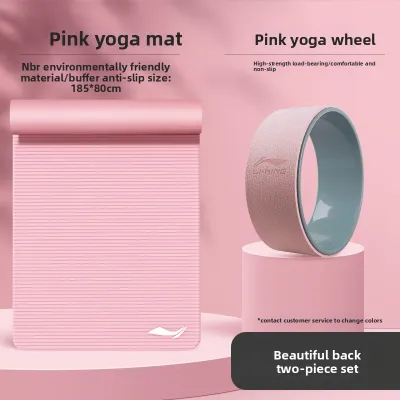
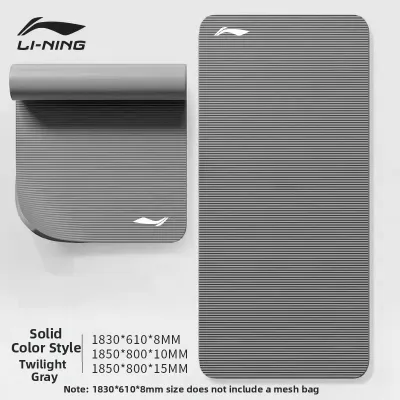
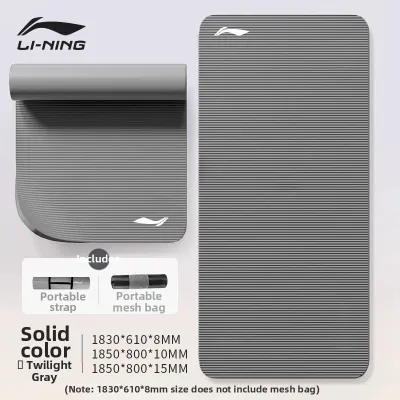
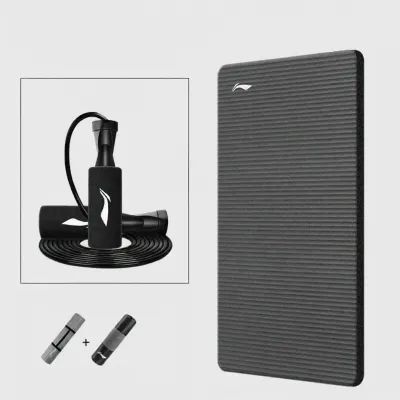
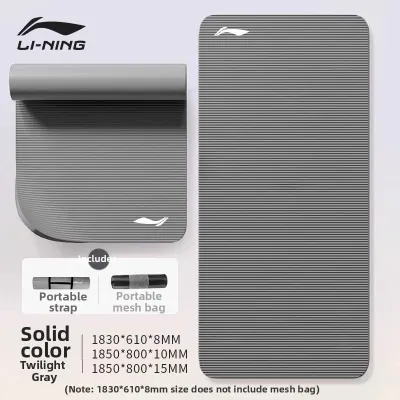
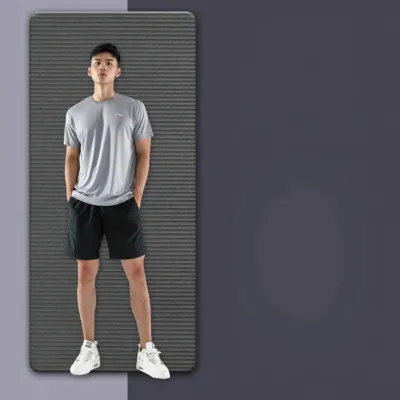
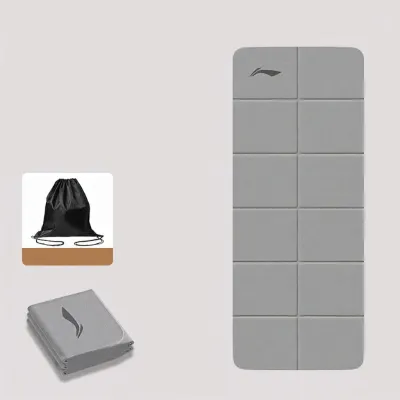
Prices are valid at publication and may change. Please refer to the product page for the latest price.
- Thin Profile (3mm to 5mm): Best for dynamic flows like Ashtanga and Vinyasa. These mats prioritize a firm, slip-resistant connection to the ground, preventing ankle instability during complex balance sequences.
- Standard Profile (6mm to 8mm): The most versatile choice, highly recommended for Hatha yoga, general home fitness, and beginners. It provides a balanced middle ground, offering moderate joint protection without sacrificing stability.
- Thick Profile (10mm to 12mm): Ideal for slow-paced practices such as Yin yoga, restorative sessions, or individuals with sensitive knees, hips, and wrists who require deep impact absorption.
- Extra-Thick Profile (15mm and above): Specifically designed for Pilates, floor-based core workouts, and deep meditation. These are generally unsuitable for traditional standing yoga due to their highly compressible nature.
Before making a purchase, verify the exact specifications, materials, and availability in Li-Ning’s current official product lineup, as designs and stock levels vary by season.
The Trade-Off: Cushioning vs. Stability in Yoga Mats
The physics of a yoga mat revolve around a fundamental trade-off: cushioning versus stability. When you practice yoga, your body exerts localized pressure on the mat. A thicker mat, while comfortable under your knees and wrists, naturally compresses under your body weight. This compression creates an uneven, shifting surface beneath your feet. For standing postures like Warrior II or Tree Pose, this lack of a solid foundation forces the stabilizing micro-muscles in your ankles and feet to work significantly harder, which can lead to muscle fatigue or loss of balance.

Conversely, a thinner mat offers minimal compression, maintaining a direct and solid connection to the hard floor. This immediate feedback helps you adjust your alignment and maintain steady balance. However, the compromise is a lack of protective cushioning. If you practice on hard surfaces like concrete, tile, or polished wood floors, a thin mat can cause discomfort or pain in sensitive pressure points, such as your knees during low lunges or your tailbone during seated postures.
Your ideal mat thickness is not a universal standard but a personal compromise. It should be determined by evaluating your body weight, your personal joint sensitivity, and the specific physical demands of your practice. Heavier practitioners or those recovering from minor joint issues often require slightly denser or thicker support, whereas highly active yogis who focus on rapid transitions and standing balances will find greater safety and precision on a thinner, firmer base.
Li-Ning Yoga Mat Thickness Breakdown by Practice Style
Li-Ning offers a diverse range of fitness equipment, and their yoga mats are structured to cater to different movement modalities. Understanding how each thickness profile behaves under load will help you select the right tool for your specific routine.
Thin Profile (3mm – 5mm): Grounding for Vinyasa and Balance
For practitioners of dynamic, fast-paced styles such as Ashtanga, Vinyasa, or Power Yoga, a thin profile mat measuring between 3mm and 5mm is highly advantageous. These active practices involve rapid transitions, jump-backs, and sustained standing balances where any instability can lead to joint misalignment or injury. A thin mat ensures your hands and feet remain firmly grounded, allowing you to sense the floor beneath you and make micro-adjustments instantly.
Li-Ning’s thinner mats often utilize materials like high-grade Thermoplastic Elastomer (TPE) or natural rubber blends. These materials are chosen specifically because they offer excellent surface grip and high tensile strength without requiring a thick, bulky foam layer.
The low profile also makes these mats incredibly lightweight and highly portable. If you regularly commute to a local yoga studio or fitness center, a 3mm to 5mm mat rolls up tightly and fits easily into a standard carrying bag or strap, making it a highly practical choice for active lifestyles.
Standard Profile (6mm – 8mm): Versatility for Hatha and Beginners
The standard profile of 6mm to 8mm represents the sweet spot for the vast majority of yoga practitioners. If your routine consists of Hatha, Iyengar, or general home-based stretching and strength exercises, this thickness range provides the ultimate versatility. It is thick enough to shield your knees, elbows, and spine from the hard floor during floor poses, yet thin and firm enough to support steady standing poses without excessive wobbling.
For beginners who are still developing their core strength and joint stability, starting with a standard-thickness mat is highly recommended. It prevents the immediate discomfort that can occur on thin mats, allowing you to focus on learning correct alignment and breathing techniques rather than managing joint pain.
When browsing Li-Ning’s collection, look for their standard TPE or high-density Nitrile Butadiene Rubber (NBR) options in this thickness range to secure a reliable, multi-purpose foundation for your home gym or studio practice.
Thick Profile (10mm – 12mm): Joint Support for Yin and Floor Work
When your practice shifts toward slower, passive styles like Yin yoga, restorative yoga, or prenatal sequences, comfort and joint protection become the primary priorities. In these styles, poses are held for several minutes at a time, placing sustained pressure on your joints. A thick profile mat of 10mm to 12mm provides the substantial cushioning needed to keep you comfortable during long, deep holds on your knees, hips, or back.
However, this increased comfort comes with a distinct trade-off in stability. If you attempt standing balance poses on a 10mm or 12mm foam mat, you will likely experience a “wobbly” sensation as the mat compresses deeply under your feet, making it difficult to maintain proper alignment.
Therefore, these mats are best reserved for floor-centric routines. When choosing a thick Li-Ning mat, always verify the foam density in the product specifications. A low-density foam mat will simply bottom out under your weight, rendering the extra thickness ineffective, whereas a high-density foam will maintain its structure and provide genuine support.
Extra-Thick Profile (15mm+): Maximum Cushion for Restorative and Pilates
Mats measuring 15mm or thicker are specialized utility mats designed for maximum impact absorption. This extra-thick profile is highly suited for Pilates floor work, which involves intensive rolling exercises that put direct pressure on the spine and tailbone, as well as restorative yoga and deep meditation where physical comfort is essential for mental relaxation.
It is important to state clearly that these extra-thick mats are generally unsuitable for traditional standing yoga flows. The extreme compressibility of a 15mm foam layer makes standing balances highly unstable and potentially unsafe for your ankles and wrists.
If you plan to use an extra-thick mat, check the product labels to ensure it is made from high-density NBR or specialized high-density foam. This ensures the mat can support your weight during floor exercises without collapsing completely, providing a safe and comfortable barrier against hard floors.
Beyond Thickness: Material, Density, and Grip to Verify
While thickness is a critical factor, it does not work in isolation. To choose a mat that provides lasting safety, comfort, and durability, you must evaluate several secondary material specifications alongside the physical thickness.
Material and Density
The material composition of your mat directly influences how it responds to pressure. For example, a cheaply made 10mm low-density NBR mat may compress so easily that it feels like a 2mm mat the moment you put weight on it. Conversely, a high-density 6mm TPE or natural rubber mat can feel significantly more supportive and durable because it resists collapsing under pressure.
Li-Ning utilizes various materials across their product range, including TPE, NBR, and PVC:
- TPE (Thermoplastic Elastomer): Lightweight, eco-friendly, and offers moderate density with excellent grip. It is a highly balanced material for standard mats.
- NBR (Nitrile Butadiene Rubber): Highly cushioned and soft, making it ideal for thick floor mats, but it has lower density and higher compression.
- PVC (Polyvinyl Chloride): Highly durable and dense, providing excellent grip and longevity, though it is heavier and less environmentally friendly.
Always check the manufacturer’s material specifications to ensure the density matches your support needs.
Grip in Humid Climates
If you are practicing in a highly humid environment, such as Singapore, managing sweat and moisture is vital for safety. High ambient humidity prevents sweat from evaporating quickly, which can turn a smooth mat surface into a slipping hazard. Slipping on a wet mat can lead to muscle strains or joint injuries, particularly during dynamic transitions.
In humid climates, the surface texture and material structure are just as important as thickness. Closed-cell materials (like standard TPE and PVC) do not absorb moisture, making them easier to clean but potentially slippery when wet unless they feature deep textured patterns.
Open-cell materials (like natural rubber) absorb moisture to maintain grip, but they require more thorough cleaning to prevent odor and bacteria buildup. If you sweat heavily, look for a mat with a highly textured surface or consider using a specialized non-slip yoga towel over your Li-Ning mat to ensure secure traction.
Portability and Storage
The physical size and weight of your mat are practical considerations that affect your daily routine. Thicker and denser mats are naturally heavier and bulkier. If you live in a typical HDB flat in Singapore, storage space may be limited, and a massive, non-rolling 15mm mat can be difficult to store neatly.
Furthermore, if you commute via public transport to a yoga studio or gym, carrying a heavy, thick mat can be incredibly inconvenient. A lightweight 3mm to 6mm TPE mat is highly portable and easy to carry on the MRT or bus, whereas a thick 10mm to 15mm NBR mat is best kept at home for dedicated residential use. Consider your lifestyle and storage limits before choosing a bulky profile.
Final Verdict: How to Choose Your Ideal Li-Ning Mat
To make your final decision, apply this straightforward, conditional framework based on your practice style, environment, and physical needs:
- Choose a thin or standard mat (3mm to 8mm) if you primarily practice dynamic flows, Vinyasa, or Hatha yoga, prioritize standing balance and precise alignment, and need a lightweight mat that is easy to transport to local studios.
- Choose a thick or extra-thick mat (10mm to 15mm+) if you focus on Yin yoga, restorative practices, Pilates, or floor-based core workouts, require deep joint cushioning due to sensitive knees or wrists, and practice almost exclusively at home on hard flooring.
- Verify first if you are uncertain about your practice style or have chronic joint pain or medical conditions. In such cases, consult a physiotherapist or a qualified yoga instructor to determine the safest level of support for your body.
Always check the latest stock, exact material specifications, and warranty details on Li-Ning’s official brand stores or authorized sports retailers in Singapore to ensure you are receiving an authentic, high-quality product suited to your needs.
Frequently Asked Questions (FAQ)
Can I use a thick Li-Ning yoga mat for standing balance poses?
Using a very thick mat (10mm or more) for standing balance poses is generally not recommended. The soft, compressible foam creates an unstable surface that makes it difficult to maintain proper alignment. This instability forces the stabilizing muscles in your feet and ankles to overcompensate, which can lead to fatigue, balance loss, or strain. If standing balances are a core part of your practice, opt for a standard 6mm mat or a high-density, firm material that keeps you securely grounded.
How does Singapore's humidity affect my choice of yoga mat material and thickness?
Singapore’s high humidity and warm climate lead to increased sweating during practice, which can severely compromise your grip on a smooth mat. Instead of simply choosing a thicker mat for comfort, prioritize a mat with a textured, non-slip surface or a moisture-wicking material. Ensure you dry your mat completely in a shaded, well-ventilated area after every session. Rolling up a damp mat in a humid environment can cause material degradation, mold growth, and unpleasant odors.
Is a thicker mat always better for beginners?
No, a thicker mat is not always better for beginners. While a thick mat offers immediate comfort for your knees and wrists, it can hinder your progress by masking critical alignment feedback from the floor. This makes learning foundational standing poses, such as Warrior poses or downward dog, highly frustrating due to instability. A standard 6mm to 8mm mat is the ideal starting point for most novices, offering a safe balance of joint protection and grounded stability.
Community discussion
Share your experience or ask a question. Comments are reviewed before publication.