
To choose the right Loki table tennis racket, you must match the equipment’s speed, spin, and control characteristics to your current physical capability and stroke consistency. Selecting a racket that is too fast or too stiff can stall your skill development, while using a bat with insufficient grip can limit your ability to generate spin. By understanding where you stand on the spectrum from recreational play to competitive mastery, you can navigate the Loki product lineup to find a setup that complements your playing style.
Loki table tennis gear has grown in popularity due to its structured progression path, offering everything from basic recreational bats to high-performance carbon blades and specialized rubbers. The brand provides accessible entry points for players in Singapore’s active table tennis community, making it easier to transition from casual games to structured club training. Matching your skill level to the appropriate model is the most effective way to ensure steady improvement and enjoy the sport.
Understanding the Loki Table Tennis Product Range
Navigating the Loki table tennis catalog requires understanding the fundamental distinction between pre-assembled rackets and custom setups. Pre-assembled rackets, often referred to as ready-made bats, are put together at the factory with the rubbers permanently or semi-permanently glued to the wood. These are designed as convenient, all-in-one solutions for players who want to start playing immediately without worrying about equipment assembly. Custom setups, on the other hand, require you to purchase the blade and rubbers separately, allowing you to tailor the playing characteristics to your exact tactical needs.
Products mentioned in this guide
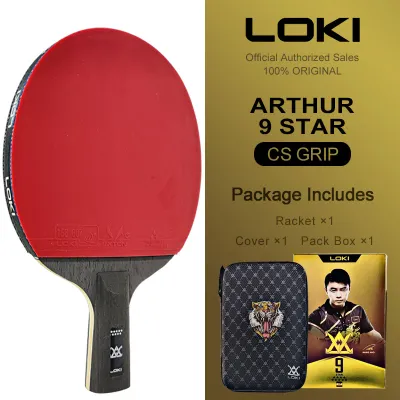
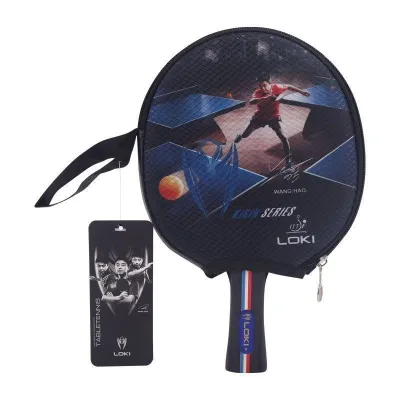
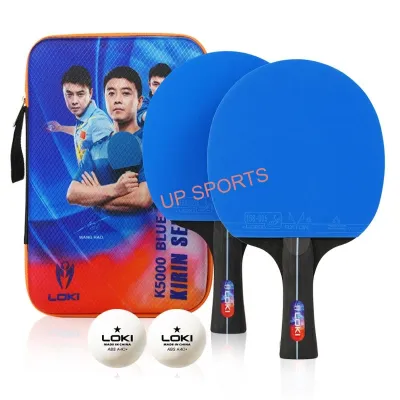
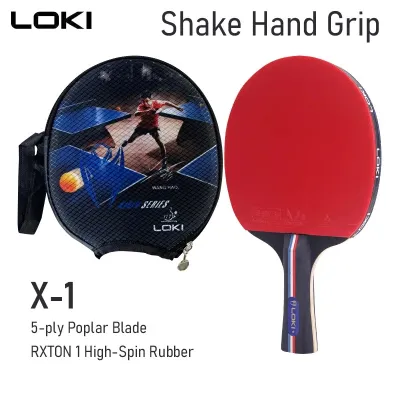
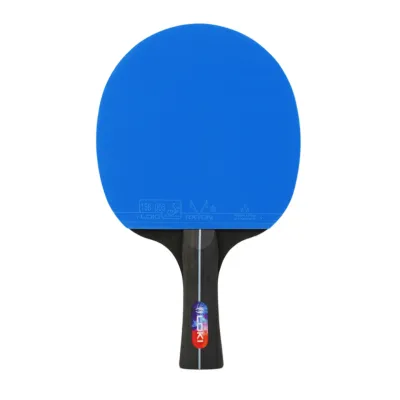
Prices are valid at publication and may change. Please refer to the product page for the latest price.
Loki organizes its products using clear naming conventions and series tiers to help players identify the right gear. For pre-assembled rackets, the brand utilizes a star-rating system ranging from 1-Star to 9-Star models, where higher ratings indicate more advanced wood plies, thicker sponges, and higher-grip rubbers. For custom components, the Rxton and RX series represent key pillars of the brand, offering various carbon-infused and all-wood blades alongside rubbers of varying hardness levels. Understanding these tiers prevents you from accidentally purchasing a highly specialized, stiff blade when you actually need a flexible, control-oriented setup.
Before making a purchase, always verify official manufacturer specifications, product labels, and authorized retailer listings to ensure authenticity. The popularity of table tennis has led to counterfeit products in online marketplaces, so checking for official brand holograms or purchasing from reputable local distributors in Singapore is highly recommended. Verifying the weight, thickness, and ply composition of the blade before buying ensures that the physical product matches your expectations and playing style.
Selecting the right table tennis racket is an iterative process closely tied to your physical development and tactical evolution. As your footwork improves, your stroke mechanics become more compact, and your timing becomes more precise, your equipment needs will naturally change. A racket that feels perfect during your first six months of play may eventually limit your speed or spin potential as you progress. Embracing this evolution allows you to make logical, step-by-step upgrades rather than jumping prematurely to advanced gear that you cannot yet control.
Best Loki Rackets and Setups for Beginners
Beginners require equipment that prioritizes high control, a wide sweet spot, error tolerance, and clear tactile feedback. When you are learning the basic stroke mechanics of the forehand drive, backhand push, and basic service, you need a racket that behaves predictably. A wide sweet spot ensures that even if you do not strike the ball perfectly in the center of the blade, the ball will still clear the net with reasonable accuracy. Clear tactile feedback—the physical vibrations felt in your hand upon impact—is crucial for developing a sensory feel for the ball.

For those starting out, entry-level Loki pre-assembled rackets, such as the Loki 1-Star to 4-Star models, serve as excellent starting points. Alternatively, beginners who wish to start with a custom setup should look for basic 5-ply all-wood blades. All-wood blades naturally absorb excess energy, providing a slower pace that increases the ball’s dwell time on the racket. This extra fraction of a second allows you to focus on executing a complete stroke path without worrying about the ball flying off the table.
When purchasing your first racket, use a practical checklist to ensure a proper fit. First, verify that the handle shape matches your preferred grip style; shakehand players typically prefer a flared (FL) handle, which is wider at the base to prevent the racket from slipping out of the hand. Second, ensure the handle size feels comfortable and does not force you to grip the wood too tightly, which can cause wrist tension. Finally, check that the factory-applied rubbers offer basic friction rather than a completely slick surface, as some grip is necessary to learn the fundamentals of spin generation.
Starting with equipment that is too fast is one of the most common mistakes beginner players make. If you use a stiff carbon blade with highly elastic rubbers too early, the ball will rebound off the racket instantly. To compensate for this extreme speed, beginners often shorten their swings, play defensively, or develop tentative, jerky stroke habits to keep the ball on the table. These poor habits are incredibly difficult to unlearn later, making it far wiser to master your strokes with a slower, highly controllable all-wood setup first.
Upgrading to Intermediate Loki Rackets
As you transition into an intermediate player, you will likely hit a plateau where your basic strokes are consistent, but you struggle to win points because your shots lack sufficient speed and spin. At this stage, your tactical focus shifts toward active topspin looping, precise ball placement, and transitioning from defensive blocks to offensive attacks. To break through this plateau, you need equipment that offers higher energy transfer and greater spin potential without sacrificing the control you have worked hard to build.
For intermediate players, mid-tier Loki blades, such as the mid-range Rxton series blades or inner-fiber composite models, are highly effective. Inner-fiber composite blades place the carbon or synthetic fiber layers directly next to the center wood core, rather than directly beneath the outer wood veneer. This construction preserves the soft, controllable feel of an all-wood blade during short, delicate touch shots over the net, while activating the speed-boosting properties of the carbon layer during hard, offensive strokes.
An excellent, cost-effective strategy for upgrading is to replace your rubbers before replacing your blade. If you currently play with a high-quality all-wood blade, keeping that blade and upgrading to separate, medium-hardness rubbers—such as Loki Rxton 3 or Rxton 5—allows you to test new performance thresholds. This approach lets you experience increased spin and speed while keeping the familiar weight and vibration characteristics of your existing blade, saving you money while refining your equipment preferences.
Before finalizing your intermediate upgrade, always check the specific blade thickness, weight, and balance specifications. A blade that is too heavy, typically over 90 grams for shakehand players, can cause significant wrist fatigue and slow down your reaction time during fast rallies. Furthermore, head-heavy blades place more weight toward the tip of the racket, which aids in power generation but demands stronger wrist stabilization. Verifying these physical attributes ensures your new setup matches your physical conditioning and training volume.
High-Performance Loki Setups for Advanced Players
Advanced table tennis players require equipment designed for maximum power transfer, distinct vibration feedback, and highly specialized tactics. At this level, rallies are fast, and players must be able to execute explosive counter-loops from mid-distance or aggressive over-the-table banana flicks. Advanced players have developed highly refined stroke mechanics and do not rely on the racket to provide built-in safety; instead, they want a highly responsive tool that translates their physical power directly into ball speed.
To meet these demands, advanced players should look toward high-end Loki blades, including top-tier Rxton blades, outer-carbon models, or arylate carbon (ALC) composite setups. Outer-carbon blades place the synthetic fiber layers directly beneath the outer wood plies, resulting in a very stiff blade with a massive sweet spot and minimal energy loss. This construction provides a crisp, direct feel and allows for explosive ball acceleration, making it ideal for players who rely on aggressive, timing-based offensive play.
However, high-end, stiff blades come with significant limitations and risks that must be carefully managed. Because these setups are incredibly fast and have very short dwell times, they demand excellent physical conditioning, quick footwork, and precise timing. If your body positioning is slightly off or your stroke angle is incorrect, the racket will punish your errors, sending the ball far off the table. These high-performance tools are only beneficial if you possess the technical consistency to handle their unforgiving nature.
When building an advanced setup, always cross-reference the blade’s ply count and material composition with the manufacturer’s recommended rubber pairings. Combining an extremely stiff 7-ply outer-carbon blade with maximum-hardness, high-density rubbers can create an overly rigid, uncontrollable setup that lacks safety. Consulting detailed product specifications and matching a stiff blade with slightly softer, high-tension rubbers can help restore a balance of control, ensuring your custom setup remains a tactical asset rather than a liability.
How to Match Loki Blades With the Right Rubbers
Completing a custom Loki setup requires a thoughtful approach to matching your blade with the right rubbers. It is common practice to use different rubbers on your forehand and backhand sides to suit different stroke mechanics. The forehand side typically involves longer, more powerful swings where you can fully compress a harder, tackier rubber to generate heavy topspin. In contrast, the backhand side usually involves shorter, more compact wrist strokes, which benefit from a softer, springier rubber that provides easier depth and speed with less physical effort.
When pairing blades and rubbers, the goal is to achieve structural balance. If you are using a stiff, fast carbon blade, pairing it with slightly softer rubbers (such as those with a sponge hardness of 39 degrees or lower) increases the ball’s dwell time, giving you better control and spin variation. Conversely, if you are playing with a highly flexible, all-wood blade, pairing it with harder, high-density rubbers (such as 40 or 41-degree sponges) can inject much-needed speed and punch into your offensive shots, preventing your play from becoming too passive.
To maintain the playing characteristics of your custom setup, you must monitor your rubbers for signs of degradation. Over time, exposure to dust, sweat, and air will cause the rubber surface to lose its tackiness and grip, while repeated ball impacts will degrade the elasticity of the underlying sponge. Look out for physical indicators such as a dull appearance, a loss of friction when you rub a ball across the surface, or chipping along the outer edges. Replacing your rubbers regularly ensures your racket performs consistently during training and match play.
When assembling or replacing rubbers on your Loki blade, always use appropriate, VOC-free (volatile organic compound) water-based table tennis glue. Old-school speed glues containing harmful solvents are banned in modern play and can damage the wood fibers of your blade. Apply a thin, even layer of water-based glue to both the blade surface and the rubber sponge, and allow it to dry completely until the glue turns fully transparent before joining them. Taking your time during this process protects the top wood ply of your blade from splintering when you eventually peel off the old rubbers.
Frequently Asked Questions (FAQ)
Are Loki rackets and rubbers ITTF approved for tournaments?
To verify if your Loki equipment is legal for sanctioned competitive play, look for the official International Table Tennis Federation (ITTF) logo and registration number printed clearly on the rubber surface just above the handle. While most of Loki’s individual rubbers and high-end pre-assembled bats carry this approval, tournament eligibility lists are updated regularly by the governing body. Before entering any sanctioned tournament in Singapore or internationally, you should cross-reference your specific rubber model name and number with the latest official ITTF LARC (List of Authorized Racket Coverings) database to ensure compliance.
How do I choose between a penhold and shakehand Loki handle?
Choosing between a penhold and shakehand Loki handle depends entirely on your preferred grip style and long-term tactical goals. The shakehand grip, which utilizes a longer handle held like a traditional tennis racket, offers superior reach, natural backhand mechanics, and excellent stability on wide defensive shots. The penhold grip, which features a shorter handle held like a pen, provides exceptional wrist mobility for creative short-table play and powerful forehand dominant attacks, though it requires highly demanding footwork. It is highly recommended to test both styles with borrowed equipment or consult a qualified table tennis coach before purchasing a custom blade, as your handle choice dictates your physical development and playing style.
Community discussion
Share your experience or ask a question. Comments are reviewed before publication.