
Selecting the ideal pair of workout gloves is a practical decision that directly impacts your grip security, skin protection, and overall training comfort. Lululemon designs its athletic accessories with a focus on technical fabrics and streamlined aesthetics, but choosing the right model requires looking closely at your specific exercise habits. Because different physical activities place unique demands on your hands, a glove that excels during heavy barbell lifts may feel restrictive or overly bulky during a high-intensity functional fitness circuit. By understanding how different materials, padding levels, and closure designs align with your routine, you can select a pair that enhances your performance while protecting your hands from friction and strain.
Assess Your Workout Demands to Define Glove Requirements
Before browsing any product lineup, take a close look at the specific movements and equipment that dominate your training sessions. High-friction activities, such as heavy barbell deadlifts, pull-ups, or kettlebell swings, subject the skin of your palms to intense shearing forces. For these workouts, your primary goal is to find a barrier that prevents painful calluses and tears without compromising your tactile connection to the metal. Conversely, if your routine consists primarily of resistance machines or selectorized equipment, your hands experience less intense friction but still require a reliable, non-slip surface to maintain proper form as fatigue sets in.
The physical stress points on your hands also vary significantly by sport. Stationary cycling or outdoor road riding, for example, subjects the ulnar and median nerves in your palms to sustained, repetitive pressure and road vibrations. Without targeted cushioning, this pressure can lead to numbness or tingling during longer sessions. If you incorporate wrist-heavy movements like overhead presses or front squats, you might also want to consider how a glove’s wrist cuff interacts with your joint alignment, ensuring it provides a clean, non-restrictive fit that allows for a natural range of motion.
Products mentioned in this guide
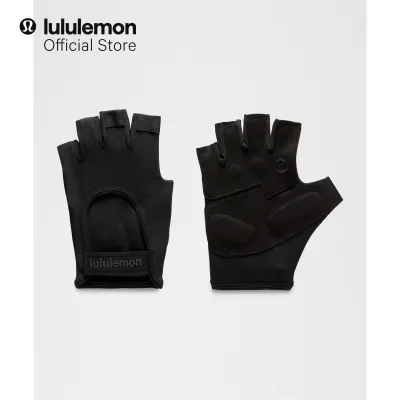
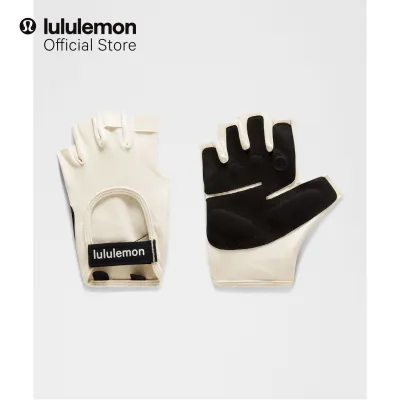
Prices are valid at publication and may change. Please refer to the product page for the latest price.
Environmental factors play an equally critical role in your decision, particularly when training in warm or highly humid climates like Singapore. In these conditions, sweat accumulation inside a glove can cause your hands to slip, leading to internal friction and blisters. If you primarily train in air-conditioned indoor gyms, you can prioritize slightly thicker, more protective materials. However, if your workouts take you outdoors for cycling, running, or boot camps, you must prioritize maximum ventilation, lightweight mesh panels, and rapid-drying fabrics to ensure your hands stay dry and secure throughout your session.
Key Material and Structural Features to Check Before Buying
When evaluating Lululemon gloves, it is essential to inspect the specific material compositions and structural details listed on the product tags or specifications pages. The palm construction is the most critical area for durability and grip. Many high-performance training gloves utilize synthetic leather or specialized polyurethane blends on the palm because these materials mimic the abrasion resistance of natural leather while remaining highly breathable and machine-washable. Look for strategically mapped silicone print patterns across the palm and fingers, which provide targeted traction on smooth metal handles or rubberized dumbbells without adding unnecessary bulk.

Temperature regulation and moisture management are determined by the fabric used on the back of the hand. Lightweight, high-stretch synthetic blends—often incorporating nylon, polyester, and elastane—are ideal for pulling sweat away from the skin. Perforation patterns, laser-cut ventilation holes, and open mesh inserts along the fingers or backhand allow heat to escape rapidly. This structural breathability is vital for maintaining a comfortable internal climate and preventing the glove from becoming heavy and waterlogged during intense cardiovascular efforts.
Finally, examine the closure mechanisms and structural reinforcements that hold the glove in place. Adjustable hook-and-loop wrist closures allow you to customize the tightness and security of the fit, which is highly beneficial for lifting weights where hand sizes and wrist shapes vary. Alternatively, some minimalist designs feature elasticized, pull-on cuffs that lay flat against the skin, reducing bulk and preventing interference with fitness trackers or smartwatches. Pay close attention to the stitching along high-stress areas, such as the seams between the fingers and around the thumb crotch, as reinforced double-stitching in these zones is a strong indicator of long-term durability.
Match Glove Characteristics to Your Specific Training Style
To narrow down your choices, you can use a conditional framework that matches specific glove characteristics to your primary training style. For weightlifting and dedicated strength training, your priority should be structural protection and grip enhancement. Look for gloves that feature moderate palm padding to cushion the hand against knurled steel bars, but avoid excessively thick padding that distances your hand too far from the bar, as this can weaken your grip strength. A secure wrist strap can offer a mild sensation of support, helping you maintain a neutral wrist position during pressing movements, while a durable synthetic palm ensures the glove can withstand the abrasive texture of gym equipment over time.
If your routine centers on cycling or outdoor cardio, your requirements shift toward vibration dampening and continuous airflow. For these activities, seek out gloves with targeted gel or foam padding positioned over the lower palm to absorb road shocks and protect sensitive nerves during extended handlebar contact. The back of the hand should feature highly breathable, moisture-wicking fabrics to combat sweat buildup in warm outdoor conditions. Additionally, a snug, aerodynamic fit is crucial to prevent the fabric from shifting or bunching, which can cause discomfort and reduce your steering control on rapid descents or sharp turns.
For general gym use, functional fitness, or circuit training, versatility and flexibility are the most important attributes. These workouts often require you to transition rapidly between different modalities, such as moving from a rowing machine to floor push-ups, and then to bodyweight planks. A lightweight, highly flexible glove with minimal palm padding is ideal here, as it protects your skin during pulling movements while allowing your hand to flex naturally during floor work. Look for designs with integrated pull-tabs on the fingers, which make it easy to slip the gloves off quickly when transitioning to exercises that require bare hands or when wiping down equipment.
Verify Sizing, Fit, and Manufacturer Care Instructions
Selecting the correct size is paramount, as an ill-fitting glove can compromise both your safety and comfort. To find your ideal fit, do not rely on your standard clothing size or guess based on previous purchases. Instead, use a flexible measuring tape to measure the circumference of your dominant hand at its widest point, typically just below the knuckles, excluding the thumb. Compare this measurement directly against Lululemon’s official size chart to identify your recommended size. If your measurement falls between two sizes, consider whether you prefer a highly snug, compressive fit or a slightly looser feel, keeping in mind that synthetic fabrics may stretch slightly over time.
When you try on the gloves, perform a quick physical assessment to verify the fit before heading to your first workout. Make a tight fist and observe how the material behaves; the palm fabric should remain relatively flat against your skin without excessive bunching or folding, which can create friction points and lead to blisters. Check that the finger openings sit comfortably at the base of your fingers without pinching or restricting blood flow. There should be enough room at the tips of the fingers to allow for full extension without the fabric pulling tightly against your nails or fingertips.
Proper maintenance is essential to preserve the structural integrity and technical properties of your gloves over time. Sweat, body oils, and chalk can accumulate in the fabric fibers, breaking down the synthetic materials and degrading the grip textures. Always consult the manufacturer’s care label for specific instructions, but as a general rule, wash your gloves regularly in cold water on a gentle cycle. Avoid using fabric softeners or bleach, as these chemicals can clog the moisture-wicking pores of the fabric and weaken the synthetic leather. To dry, lay the gloves flat or hang them in a well-ventilated indoor area away from direct sunlight or high heat sources, which can warp the silicone grips and shrink the elastic fibers.
Frequently Asked Questions (FAQ)
Can I use the same pair of gloves for both weightlifting and cycling?
While it is physically possible to wear a single pair of gloves for multiple activities, doing so often involves significant functional trade-offs. Weightlifting gloves are engineered to withstand heavy, abrasive friction and typically feature reinforced palms and structured wrist support to assist with heavy loads. Cycling gloves, on the other hand, are specifically designed to absorb continuous road vibrations and protect the nerves in your palms, often utilizing specialized gel inserts and highly breathable backhand fabrics for outdoor airflow. Using a lifting glove for cycling may result in insufficient vibration dampening and sweaty hands, while using a cycling glove for lifting can lead to premature wear on the delicate gel padding and a less secure grip on knurled bars. If you participate in both sports regularly, investing in activity-specific gear is the best way to ensure optimal comfort, safety, and product longevity.
How do I prevent my workout gloves from developing odors?
Preventing unpleasant odors in your workout gloves requires a consistent post-workout routine focused on moisture control. As soon as you finish your training session, remove your gloves from your gym bag immediately rather than leaving them crumpled in a dark, humid environment where bacteria thrive. Turn the gloves inside out if possible, or gently open the cuffs, and place them in a well-ventilated area to air-dry completely. For regular cleaning, wash them according to the manufacturer’s instructions using a mild detergent, and consider placing them in a mesh laundry bag to protect the straps and seams from snagging on other garments. Ensuring the gloves are completely dry before your next workout is the most effective way to keep them smelling fresh and extend their usable lifespan.
Community discussion
Share your experience or ask a question. Comments are reviewed before publication.