
Selecting the right Lululemon gloves requires matching the accessory’s technical specifications to the physical demands of your workout and your local environment. In Singapore’s tropical climate, where high humidity accelerates sweat, a glove is a critical tool for moisture management, grip stability, and skin protection. By evaluating the material composition, palm architecture, and closure systems of different models, you can identify a pair that enhances your performance rather than restricting your natural movement.
The ideal choice depends on whether your primary activity involves high-friction resistance training, high-vibration outdoor cycling, or precision-based mat work. A glove designed for heavy barbell lifts will feel bulky and restrictive during a Pilates session, while a minimalist yoga glove lacks the structural reinforcement needed to protect your hands during intense gym workouts.
Key Specifications to Check Before You Buy
Before selecting a pair of gloves, you must learn to read the product labels and material tags to verify their performance characteristics. The fabric composition is the first line of defense against discomfort. Look for synthetic blends that incorporate nylon, polyester, and elastane, which are engineered to pull moisture away from your skin and dry rapidly. In humid conditions, cotton or low-grade synthetic blends tend to retain water, leading to slippage, chafing, and premature material breakdown.
Products mentioned in this guide
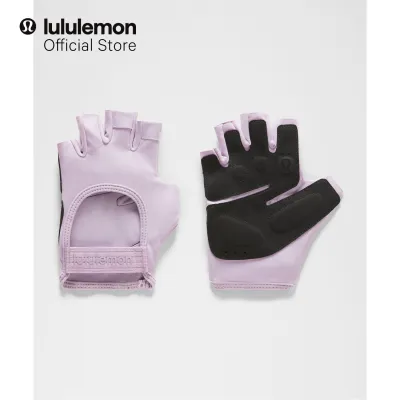
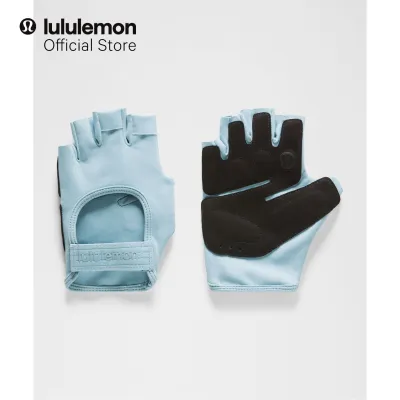
Prices are valid at publication and may change. Please refer to the product page for the latest price.
Palm construction dictates how the glove interacts with equipment. Smooth palm finishes offer a second-skin feel but may slip when wet, making them better suited for dry, low-impact activities. Textured grips, often featuring silicone patterns or rubberized overlays, provide high traction for holding weights or handlebars. Padded zones, typically filled with gel or foam, are designed to absorb impact and distribute pressure across the hand, which is essential for activities that involve prolonged weight-bearing.
Touchscreen compatibility is another practical feature to verify, especially if you track your workouts on a smartphone or sports watch. Look for conductive threads or specialized fabric patches on the index finger and thumb. This allows you to adjust your music, log sets, or navigate routes without constantly removing your gloves.
Finally, examine the closure mechanism at the wrist. Elastic cuffs offer a streamlined, lightweight fit that is easy to slip on and off, making them ideal for running or light training. Adjustable hook-and-loop straps provide a customizable level of tightness, allowing you to secure the glove firmly during high-intensity movements or when you require extra wrist support. Ensure the closure does not pinch the skin or restrict blood circulation.
Matching Lululemon Gloves to Your Specific Activity
Every athletic discipline places unique demands on your hands, meaning a single glove design cannot excel across all environments. To find the right fit, you must match the glove’s structural architecture to the specific friction, pressure, and dexterity requirements of your chosen sport.

Weight Training and Gym Workouts
Gym workouts involve repetitive, high-friction contact with knurled steel barbells, dumbbells, and cable attachments. To prevent calluses, blisters, and skin tears, prioritize gloves with reinforced palm padding or durable synthetic leather overlays. These materials act as a protective buffer, absorbing the abrasive forces of heavy lifting while maintaining structural integrity over time.
Grip texture is equally critical when handling heavy gym equipment. Verify that the palms feature high-traction patterns, such as strategically placed silicone grips, to ensure a secure hold even when your hands are sweaty. For pushing and pulling movements like shoulder presses or deadlifts, an adjustable wrist strap can offer valuable stability, helping keep your wrists in a neutral alignment and reducing joint strain during heavy sets.
Cycling and Outdoor Cardio
Outdoor cardio activities, particularly cycling, subject your hands to continuous low-frequency vibrations from the road or trail. Over time, this vibration can compress the nerves in your palms, leading to numbness, tingling, and hand fatigue. To mitigate this, look for cycling-friendly gloves equipped with targeted shock-absorbing gel pads positioned over the ulnar and median nerves.
Heat dissipation is a major concern during outdoor workouts in warm climates. Ensure the gloves feature breathable mesh panels, perforated fabrics, or open-back designs that allow air to circulate freely. Additionally, check for reflective details on the back of the hand to increase your visibility to motorists during early morning or evening outdoor sessions, and verify touchscreen-compatible fingertips for easy device navigation.
Yoga, Pilates, and Mat Workouts
Mat-based workouts like yoga and Pilates require maximum tactile feedback and hand articulation rather than heavy padding. For these disciplines, look for minimalist, lightweight gloves that act as a second skin. These designs prioritize flexibility, allowing your fingers to splay naturally and grip the floor or mat during complex poses like downward dog or handstands.
Traction on smooth studio mats is achieved through specialized silicone dot placements or proprietary grip patterns on the palms and fingers. These non-slip elements prevent your hands from sliding outward when you sweat. You can choose between fingerless designs, which offer superior breathability and direct tactile contact with the mat, and full-finger designs, which provide complete coverage and hygiene protection when using shared studio equipment.
Cross-Training: Can One Pair Handle Multiple Activities?
If your fitness routine spans multiple disciplines, you might wonder if a single pair of gloves can handle everything. While cross-training gloves exist, they involve inherent performance trade-offs. Using a heavily padded lifting glove for yoga, for example, will severely limit your hand flexibility and prevent you from feeling the floor, while using a thin, grippy yoga glove for heavy barbell work will offer virtually no protection against calluses or bruising.
A minimalist, multi-purpose grip glove can safely bridge the gap between light resistance training, bodyweight exercises, and mat work. However, if you regularly engage in both heavy powerlifting and high-mileage cycling, investing in dedicated pairs for each activity is highly recommended. To keep your gear fresh and functional, establish a rotation schedule that allows each pair to dry completely between sessions, preventing moisture buildup from degrading synthetic fibers and causing persistent odors.
Verifying Fit and Maintaining Your Gloves
To get the most out of your gloves, you must ensure a precise fit and follow proper maintenance protocols. An ill-fitting glove can cause chafing if it is too loose, or restrict circulation and movement if it is too tight. Before purchasing, use a flexible measuring tape to measure your hand circumference around the widest part of your palm (excluding the thumb) and your hand length from the base of your palm to the tip of your middle finger. Compare these measurements strictly against the brand’s official size chart.
Once you have the correct size, proper care is essential to preserve the elastic integrity of the fabrics and the effectiveness of the grip coatings. Hand wash your gloves in cool water with a mild detergent, or place them in a mesh laundry bag on a delicate cycle, avoiding fabric softeners that can leave a residue on grip surfaces. After washing, air dry your gloves flat in a well-ventilated indoor space. Avoid clothes dryers, direct heat sources, or prolonged sunlight, which can warp synthetic fibers, melt silicone grips, and cause synthetic leather overlays to crack.
Frequently Asked Questions (FAQ)
Are Lululemon gloves suitable for heavy barbell lifting?
Standard fitness and training gloves are generally designed for general gym workouts, light to moderate resistance training, and bodyweight exercises. They may not provide the heavy-duty structural support, thick leather reinforcement, or integrated wrist wraps required for high-load powerlifting or heavy deadlifts. If you are lifting near your maximum capacity, check the manufacturer’s guidelines for material thickness and intended use. For extreme loads, transitioning to bare hands with lifting chalk, or using dedicated heavy-duty lifting straps and wraps, is often safer and more effective for maintaining grip security.
How do I prevent my gym gloves from developing odors in a humid climate?
In humid environments like Singapore, sweat and bacteria can quickly accumulate in athletic gear, leading to persistent odors. To prevent this, remove your gloves from your gym bag immediately after your workout and hang them in a well-ventilated area to air dry. Do not leave them crumpled inside a dark, closed bag. Follow the manufacturer’s washing protocols regularly to eliminate bacteria. Before using any antibacterial sprays or odor-eliminating additives, check the material compatibility on the care label to ensure the chemicals will not degrade the synthetic fabrics or grip coatings.
Community discussion
Share your experience or ask a question. Comments are reviewed before publication.