
For beginner golfers, stepping onto the driving range can feel overwhelming. Between managing your stance, perfecting your grip, and trying to make clean contact with the ball, the last thing you want to worry about is chasing a plastic peg down the range or constantly replacing broken wooden tees. This is where a magnetic tee becomes an invaluable addition to your practice gear. By utilizing a two-part design held together by a magnetic joint, these specialized tees flex upon impact, reducing resistance and staying anchored right where you placed them.
Investing in a reliable magnetic tee allows you to focus entirely on your swing mechanics rather than the logistics of tee retrieval. For those just starting out, these tools offer a practical, cost-effective way to build consistency and confidence. By understanding what features to look for and how to evaluate options on online marketplaces, you can find the perfect set to support your development without overspending.
Understanding Magnetic Tees and Their Role for Beginners
To understand why a magnetic tee is so beneficial for beginners, it helps to compare it to traditional options. Standard wooden or plastic tees are rigid structures. When your clubhead strikes the ball, it also collides with the tee, forcing it out of the ground or snapping it in half. A magnetic tee, however, features a crown head and a ground anchor connected by a strong magnetic joint. Upon impact, the magnetic bond temporarily breaks, allowing the upper crown to pivot or detach freely while the base remains firmly in place. This design minimizes friction, which can help prevent the club from twisting slightly during off-center hits.
Products mentioned in this guide
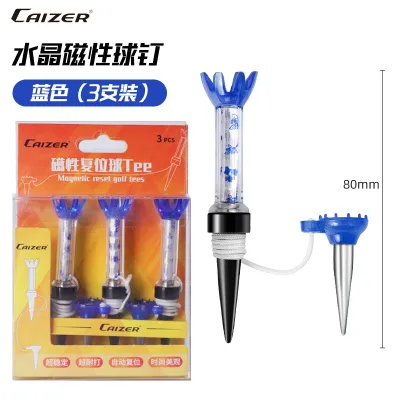
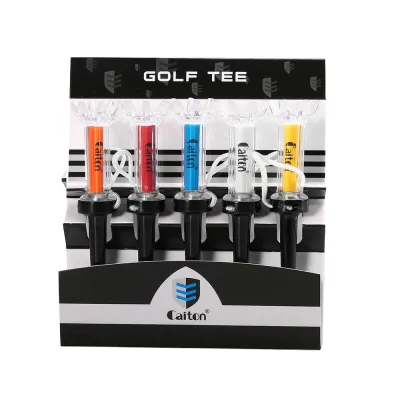
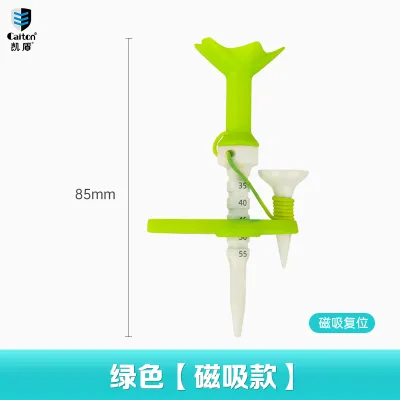
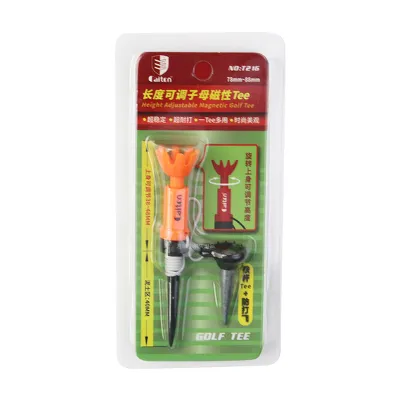
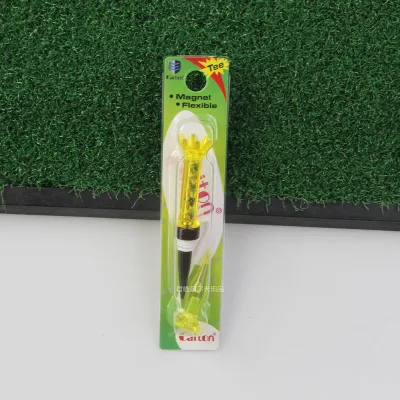
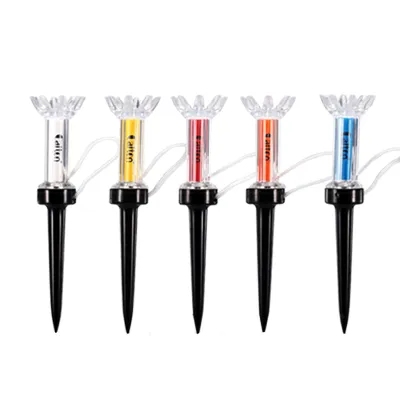
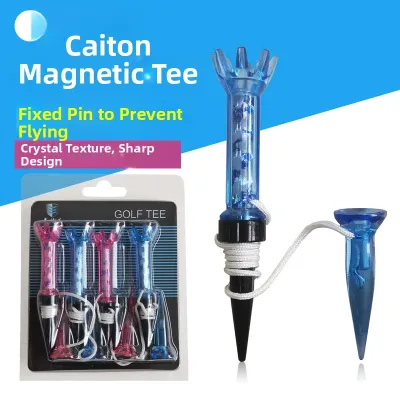
Prices are valid at publication and may change. Please refer to the product page for the latest price.
This mechanism offers massive time-saving benefits during high-volume practice sessions. When you are working on your swing at a driving range, hitting fifty to one hundred balls in a single session is common. If you have to search for a lost tee or insert a new wooden peg before every single shot, you constantly disrupt your physical rhythm and mental focus. A magnetic tee stays exactly where you set it, or remains tethered nearby, allowing you to quickly reset your ball and maintain a steady, productive practice tempo.
Furthermore, consistency is the foundation of a good golf swing. Beginners often struggle with erratic ball contact because their setup changes with every shot. If your tee height varies by even a few millimeters from one swing to the next, your brain cannot accurately calibrate where the clubface needs to meet the ball. Magnetic tees solve this issue by providing a fixed, repeatable height. Once you find the height that works for your driver or fairway woods, you can replicate it perfectly on every single swing, helping you isolate and correct errors in your swing path.
Core Specifications to Prioritize for Entry-Level Golfers
When shopping for your first magnetic tee, height adjustability should be your top priority. Beginners need to practice with a variety of clubs, from oversized drivers that require a high tee to fairway woods and hybrids that need a much lower profile. Look for tees that feature adjustable height mechanisms, such as threaded screw collars or stackable step-up rings. These designs allow you to raise or lower the ball height with simple twists or swaps. Ensure the locking mechanism is sturdy; a loose collar will slip under the force of a swing, defeating the purpose of height consistency.

Material durability is another critical factor to verify. Because beginners are still developing their swing accuracy, they are highly likely to hit the tee directly instead of making clean contact with the ball. A fragile plastic tee will crack or shatter under these high-velocity impacts. Prioritize tees constructed from high-impact polyurethane, flexible nylon, or heavy-duty rubber. The magnetic joint itself acts as a natural shock absorber, but the surrounding stem and crown must be resilient enough to withstand repeated direct hits from a heavy driver.
Finally, pay close attention to the base design and weight distribution. If you plan to practice on synthetic driving range mats, a standard pointed peg base will not work because you cannot push it into the hard rubber mat. Instead, look for magnetic tees that feature a wide, flat, circular base that sits directly on top of the mat. Alternatively, some models come with specialized rubber inserts or anchor pegs designed to fit securely into the pre-cut holes of commercial driving range mats, preventing the tee from tipping over before you even begin your backswing.
Matching Tee Types to Your Practice Environment
Your choice of magnetic tee should align directly with where you plan to do most of your practice. If you are frequenting commercial driving ranges in Singapore, you will almost exclusively hit off thick, synthetic turf mats. For this environment, a freestanding magnetic tee with a heavy, stable base is ideal. These bases are designed to resist sliding across the slick surface of the mat when struck. If you are practicing at home using a backyard net or an indoor simulator, a flat-bottomed base is essential to avoid damaging your flooring or artificial turf.
Portability is another factor that can influence your practice experience. As a beginner, your golf bag is likely already filled with new gear, and small accessories can easily get lost in deep pockets. Look for compact magnetic tee designs that are easy to pack and carry. Many high-quality options are sold with dedicated carrying pouches or protective cases. These cases keep the two halves of the tee securely together when not in use, preventing the magnets from attracting loose coins, keys, or other metallic items inside your golf bag.
To prevent losing your tee during transitions between practice bays or while walking around the facility, consider storage solutions with integrated clips. Many modern magnetic tee sets include a magnetic clip that easily attaches to your cap brim, belt, or the exterior of your golf bag. When you finish a round of shots, you can simply snap the tee onto the clip. This keeps the tee highly visible and easily accessible, ensuring you do not accidentally leave it behind on the driving range mat.
Pre-Purchase Checklist: Verifying Quality and Compatibility
Before purchasing a magnetic tee on an online marketplace, use this checklist to ensure you are getting a high-quality product that offers genuine value for money:
- Check the Magnet Description: Look for listings that specify the use of neodymium or rare-earth magnets. While manufacturers rarely list exact magnetic pull forces, these materials indicate a strong, reliable hold that can withstand windy conditions without letting the ball fall off prematurely.
- Verify Clubface Safety: Ensure the top crown of the tee is made of a soft, non-abrasive material such as rubber or low-density plastic. Avoid any designs with exposed metal parts near the ball rest, as these can leave permanent scratches or scuff marks on the expensive face of your driver.
- Evaluate Package Inclusions: Look for multi-packs rather than single tees. A good starter set typically costs between S$15 and S$35 and should include two or three tees of varying heights, along with a connector tether and a carrying case. This ensures you have a backup if one component is misplaced.
- Review the Return Policy: Check the seller's policy regarding manufacturing defects. Occasionally, low-quality adhesives can cause the magnet to detach from the plastic stem after a few hits. A clear return or replacement policy protects your purchase.
Usage Limits and Safety Boundaries on the Course
While magnetic tees are fantastic tools for the driving range, they have strict limitations when it comes to playing on an actual golf course. Most golf courses discourage or outright ban the use of magnetic tees on natural grass tee boxes. If a magnetic tee is struck and flies into the grass, its metal components can easily be missed during routine clean-up. If a heavy-duty course lawnmower runs over a metal-containing tee, it can severely damage the expensive mower blades or turn the tee into a dangerous, high-speed projectile that could injure players or staff.
Proper handling is also essential to maintain the longevity of your tee and protect your clubs. When retrieving your tee from a mat, always pull it straight up by the base rather than yanking on the connector tether or the top crown. Pulling at an angle puts unnecessary strain on the connector cord and can eventually weaken the magnetic housing. Additionally, always inspect the magnetic joint before snapping the pieces back together. If any metallic sand or abrasive debris has stuck to the magnet, wipe it clean immediately to prevent it from scratching your clubface during your next swing.
Finally, know when to retire a damaged tee. Inspect your gear regularly for hairline cracks in the plastic stem, fraying of the connector string, or a noticeable decrease in magnetic attraction. If you observe any of these issues, stop using the tee immediately and replace it. A compromised tee can break apart mid-swing, sending sharp plastic fragments flying toward you or anyone standing nearby, creating an unnecessary safety hazard.
Frequently Asked Questions (FAQ)
Are magnetic tees legal for use in official golf tournaments?
Under the official Rules of Golf established by the USGA and R&A, tees must not be designed to influence the movement of the ball or assist the player in making a stroke. Standard magnetic tees that simply hold the ball and flex upon impact are generally conforming and legal for play. However, any tee that features alignment aids, distance-measuring markings, or physical guides designed to control your swing path is strictly non-conforming. Always check the local rules of the specific tournament or club before using them in competitive play.
How do I clean a magnetic tee that has lost its sticking power?
If your tee seems to have lost its magnetic hold, it is usually due to a buildup of fine metallic dirt, iron-rich sand, or grass clippings on the magnet’s surface. Wipe the magnetic contact points with a damp microfiber cloth to remove loose debris. For stubborn dirt, use a soft-bristled toothbrush to gently scrub the joint. Avoid using harsh chemical solvents or exposing the tee to extreme heat, as high temperatures can permanently demagnetize the components.
Can a strong magnet in the tee damage my golf clubs?
The magnets used in golf tees are not strong enough to cause magnetic damage to the metal alloys of your golf clubs. However, the primary risk is indirect: the magnet can attract tiny iron particles or metallic sand from the ground. If these abrasive particles remain stuck to the tee head when you make contact, they can scratch the protective coating on your clubface. Always wipe the tee head clean before placing your ball.
Community discussion
Share your experience or ask a question. Comments are reviewed before publication.