
Finding the right massage ball for post-workout recovery in Singapore depends on matching the tool’s firmness, size, and shape to your specific muscle groups and training intensity. Whether you are recovering from heavy squats at a local strength gym or relieving tight calves after a humid run along the East Coast Park, self-myofascial release can help manage muscle tension and maintain flexibility. However, because recovery needs vary widely based on your fitness level and body type, there is no single option that suits everyone. Selecting the right tool requires understanding how different materials interact with your muscles and knowing how to safely apply pressure without causing injury.
Core Criteria for Choosing a Recovery Massage Ball
To establish a practical baseline for your recovery routine, you must first identify your primary physical targets. Broad muscle groups, such as the glutes, hamstrings, and quadriceps, generally respond best to wider, more distributed pressure that mimics a palm massage. Conversely, deep trigger points—such as those found in the piriformis, the arches of the feet, or the subscapular muscles of the upper back—require concentrated, localized pressure to release stubborn tension. Matching the tool to the specific muscle depth ensures you do not waste time on ineffective rolling or cause unnecessary bruising to superficial tissues.
Your personal pain tolerance and experience with self-myofascial release should heavily dictate your choice. Beginners or those recovering from highly fatiguing workouts often benefit from softer, more forgiving surfaces that allow the nervous system to relax rather than tense up in response to pain. Advanced lifters or individuals with denser muscle mass may require highly firm, non-yielding tools to penetrate deeper tissue layers. It is crucial to listen to your body; forcing extreme pressure on a highly sensitive area can trigger a protective muscle spasm, defeating the purpose of the recovery session.
Products mentioned in this guide
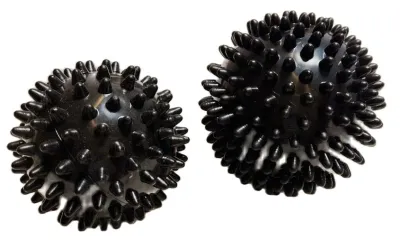
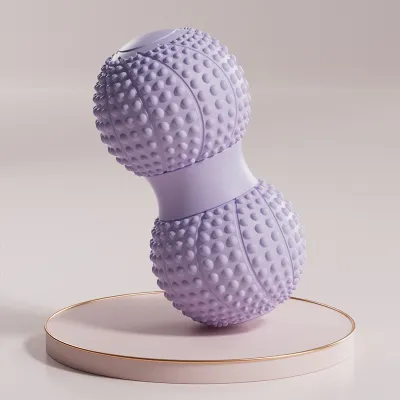
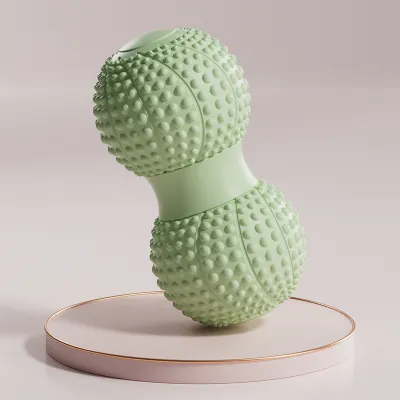
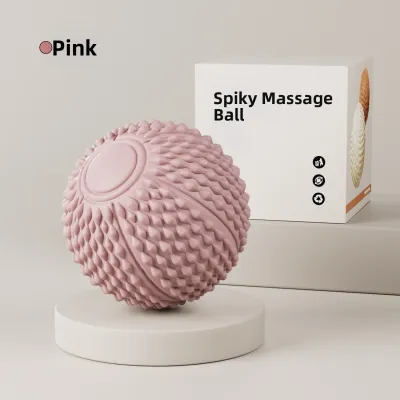
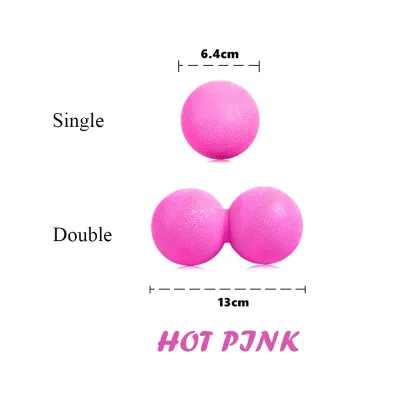
![⭐[Sg Seller] Single/Double Hard Lacrosse Ball Body Massage Muscle Peanut/Round Shape Roll Ball](https://img.lazcdn.com/g/p/056d8d1f23ae5682d18f080dc9484d22.png_400x400q80.png_.webp)
Prices are valid at publication and may change. Please refer to the product page for the latest price.
Portability and storage are also essential considerations, especially for active individuals in Singapore who commute between home, work, and the gym. If you carry your recovery gear in a gym bag throughout the day, a heavy or bulky tool can become a nuisance. Lightweight options like cork or hollow plastic-core balls are highly portable and add minimal weight to your daily carry. Additionally, because Singapore’s tropical climate leads to high humidity and sweat accumulation, choosing a compact tool that fits easily into a ventilated compartment helps prevent the buildup of unpleasant odors and moisture-loving bacteria.
Matching Material and Texture to Your Recovery Needs
The material of a massage ball directly influences its density, grip, and long-term durability. Solid rubber offers a high level of firmness and a naturally grippy surface that prevents the ball from slipping against gym floors or walls. Silicone options provide a slightly softer, more skin-friendly texture with excellent grip, making them ideal for precise placement on targeted spots. Cork is an increasingly popular eco-friendly alternative; it is exceptionally lightweight, naturally antimicrobial, and offers a firm yet slightly yielding texture. Thermoplastic elastomers bridge the gap, providing a durable, rubber-like feel with customizable density levels that resist warping over time.

Surface texture plays a critical role in how pressure is distributed across the fascia. Smooth finishes are excellent for superficial fascia release, allowing the ball to roll fluidly across the skin or clothing to promote general blood flow and tissue hydration. In contrast, spiked, knobbed, or grid patterns are designed for deep tissue stimulation. These textured surfaces mimic the fingers or thumbs of a massage therapist, gripping the skin and underlying fascia to stretch the tissue in multiple directions. While textured balls can be highly effective for stubborn knots, they require careful control to avoid skin irritation or excessive localized bruising.
Safety boundaries must be established when selecting and using firm materials. You should never use extremely hard, unyielding massage balls directly on bones, joints, or highly sensitive nerve pathways, such as the cervical spine or the back of the knee. Applying heavy pressure to these areas can cause bone contusions, joint inflammation, or nerve compression. If you are targeting areas near bony prominences, such as the shoulder blades or the collarbone, opt for softer materials or larger diameters that distribute the force safely. Always prioritize controlled, gradual pressure over aggressive force, and stop immediately if you experience sharp, shooting pain.
Selecting the Right Size and Shape for Targeted Relief
The physical dimensions of a massage ball determine which muscle groups it can target effectively. Standard spherical balls, typically ranging from 6 to 8 centimeters in diameter, are highly versatile tools for general rolling. They are particularly effective for targeting the glutes, calves, hamstrings, and upper back. By placing the ball between your body and a wall or floor, you can easily control the amount of body weight applied, making it simple to roll out broad areas after a demanding lower-body workout or a long run.
For specialized areas like the spine, standard spheres can be difficult to position safely. This is where peanut or dual-ball shapes become invaluable. Designed with a central recess, these tools allow you to target the paraspinal muscles running along either side of the spine without placing direct pressure on the vertebrae themselves. This dual-point contact provides stable alignment and is highly effective for relieving thoracic stiffness caused by heavy lifting or prolonged sitting at a desk. Peanut rollers are also excellent for targeting the calves and Achilles tendon, cradling the muscle belly to apply even pressure on both sides.
Diameter considerations are crucial for reaching deep tissue crevices versus covering broad surface areas efficiently. Small balls, such as those under 5 centimeters in diameter, are ideal for intricate areas like the soles of the feet or the hands and forearms. Their small surface area concentrates pressure intensely, allowing you to pinpoint tiny trigger points. Larger balls, exceeding 10 centimeters in diameter, are better suited for broad muscle groups like the quadriceps or chest. The larger surface area distributes your body weight more evenly, reducing the intensity of the pressure and making it easier to perform general flushing strokes across large muscle beds.
Pre-Purchase Checklist for Gym Recovery Tools
Before purchasing a massage ball from a local sports retailer or an online marketplace, it is important to verify the manufacturer’s specifications. Look for clear indications of material density and weight capacity to ensure the tool will not collapse or deform under your body weight. High-quality manufacturers often specify whether the ball is solid or hollow, as well as the specific type of polymer or natural material used. Checking these details helps ensure you invest in a durable tool that maintains its shape and therapeutic properties over years of regular use.
Hygiene is another critical factor, particularly in Singapore’s warm and humid environment. Ensure the massage ball is made from non-toxic, sweat-resistant, and easy-to-clean materials. Non-porous surfaces like silicone, sealed rubber, or water-resistant thermoplastic elastomers can be easily wiped down with soap and water or a sanitizing wipe after an intense, sweaty workout. Avoid unsealed foam or highly porous materials that can absorb sweat, skin oils, and dirt, as these quickly become breeding grounds for bacteria and unpleasant odors in your gym bag.
Additionally, take the time to assess the retailer’s return policies, warranty conditions, and customer support. While massage balls are relatively simple fitness accessories, reputable brands and authorized sports retailers often provide warranties against manufacturing defects, such as splitting seams or material degradation. Comparing current prices in S$ across authorized local distributors ensures you receive genuine products rather than low-quality counterfeits that may contain harmful chemical plasticizers or fail prematurely under pressure. Expect to find reliable, high-quality options ranging from S$10 to S$40, depending on the material complexity and design.
Frequently Asked Questions (FAQ)
How long should you use a massage ball on a single muscle group?
For effective self-myofascial release, you should generally spend between 30 to 90 seconds on a single muscle group or specific trigger point. Holding pressure on a tight knot for this duration allows the muscle fibers to gradually relax and adapt to the stimulus. Avoid staying on one exact spot for longer than two minutes, as prolonged compression can restrict blood flow, irritate nerves, and cause bruising. You must stop immediately if you experience sharp, shooting pain, numbness, tingling, or a cold sensation in your limbs, as these are clear signs of nerve compression or vascular restriction rather than productive muscle release.
Can a massage ball replace professional sports massage or physiotherapy?
A massage ball is an excellent tool for daily maintenance, pre-workout warm-ups, and relieving minor muscle tension, but it cannot replace professional sports massage or physiotherapy. Self-myofascial release is a self-directed, non-diagnostic practice that helps manage temporary tightness. It does not address the underlying biomechanical causes of chronic pain or movement dysfunction. If you are dealing with acute injuries, persistent joint pain, suspected muscle tears, or localized swelling, you should seek a professional assessment from a qualified healthcare provider. Equipment and self-treatment cannot replace professional clinical judgment, targeted rehabilitation plans, or hands-on therapeutic techniques.
Community discussion
Share your experience or ask a question. Comments are reviewed before publication.