
Finding the right massage stick hammer requires matching the tool’s physical design to your specific muscle tension patterns, reach requirements, and lifestyle needs. A massage stick hammer is a manual or semi-flexible recovery tool designed to help you apply targeted, rhythmic pressure to sore muscles. Unlike heavy electronic massage guns, these tools rely primarily on manual leverage, spring-like flexibility, or lightweight mechanical assistance to deliver relief. Choosing the correct model ensures you can comfortably reach tight spots, control the intensity of each strike, and avoid unnecessary muscle strain during use.
To make the right choice, you must first evaluate where your muscle tension accumulates most frequently. If your primary discomfort lies in hard-to-reach areas like the mid-back or shoulder blades, a longer, curved handle is essential. Conversely, if you are targeting highly accessible areas like the thighs or calves, a shorter, more rigid stick offers superior leverage and control. By understanding how handle length, head shape, and material firmness interact with your body, you can select a tool that provides effective relief without causing fatigue or injury.
Understanding Massage Stick Hammer Types and Mechanisms
Manual massage stick hammers differ significantly from electronic percussion devices in how they generate force and interact with muscle tissue. A manual hammer relies entirely on your physical swing, leverage, and the natural rebound of its shaft to deliver rhythmic taps to the muscle. This design gives you immediate, tactile feedback, allowing you to adjust the force of each strike instantly based on your comfort level. Mechanical or vibrating variants, on the other hand, introduce motorized movement to assist the user, reducing the physical effort required but often increasing the overall weight and complexity of the tool.
Products mentioned in this guide
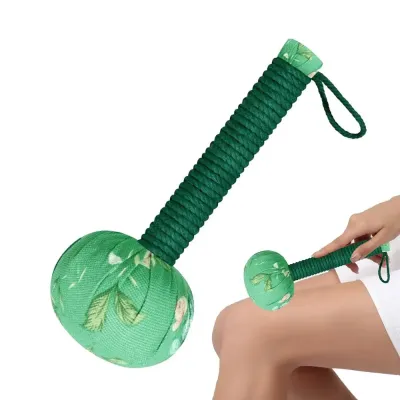
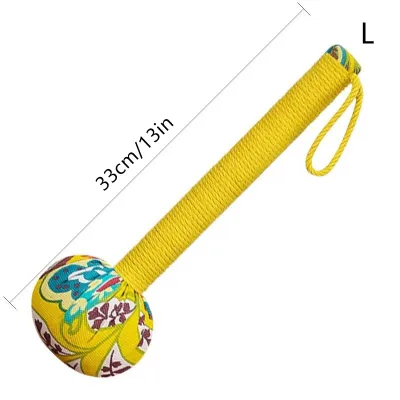
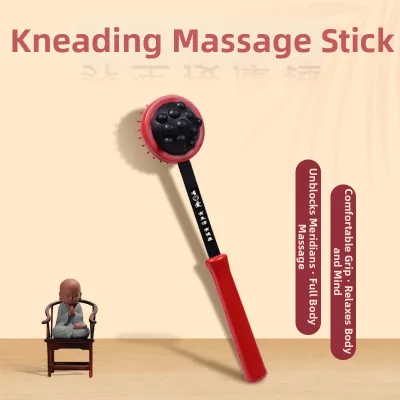

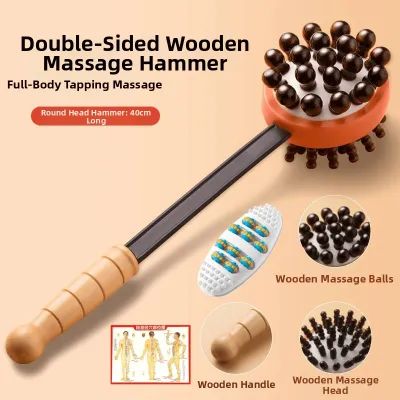
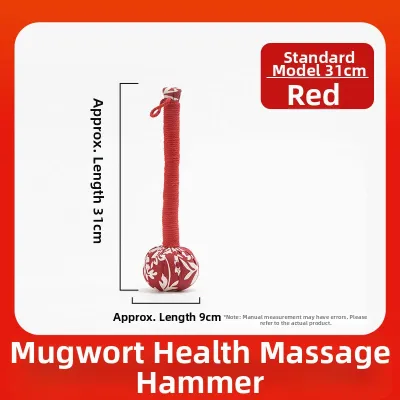
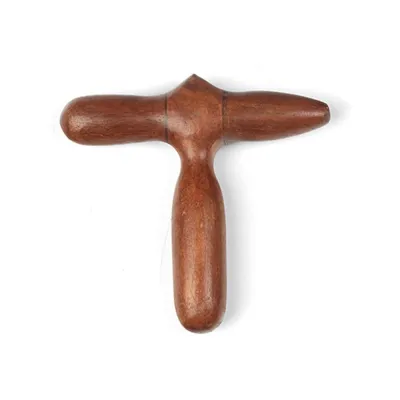
Prices are valid at publication and may change. Please refer to the product page for the latest price.
The length and flexibility of the handle play a critical role in determining both the reach of the tool and the force it can deliver. Long, flexible shafts act like a spring, amplifying the momentum of your swing so you can apply deep pressure to your back or shoulders with minimal wrist movement. Shorter handles provide a more direct transfer of energy, making them highly effective for localized, high-pressure work on the limbs where you do not need extra reach. Selecting the appropriate handle length is a balance between the accessibility of your target muscle groups and the amount of physical leverage you want to exert.
The shape of the hammer head dictates how the force is distributed across your skin and muscle fibers. Flat heads distribute the impact over a wider surface area, making them ideal for broad muscle groups like the quadriceps or hamstrings where a gentler, more diffused sensation is preferred. Rounded heads concentrate the force into a smaller focal point, allowing you to target specific knots or trigger points with greater precision. Textured heads, featuring ridges or small nodules, add a sensory element that stimulates superficial blood flow and skin receptors, which can help desensitize highly sensitive areas before deeper work.
Key Selection Criteria for Your Muscle Tension Patterns
Selecting a massage stick hammer requires a clear assessment of your personal anatomy and where you experience the most tension. If your primary goal is to relieve tightness in the upper back, shoulders, or posterior shoulders, you need a tool that compensates for your limited range of motion. A hammer with an angled or elongated handle allows you to reach behind your torso without placing your shoulder joints in an awkward, strained position. For lower-body recovery, such as targeting the calves, IT bands, or glutes, a shorter, double-sided tool can be gripped with both hands to apply steady, downward pressure.

The design of the grip directly influences how much control you have over the depth and placement of each strike. A handle with an ergonomic contour or a non-slip rubberized sleeve prevents the tool from twisting in your hand, which is crucial when applying force at odd angles. When you have a secure grip, you can distribute the force evenly through your arm rather than overworking your wrist or fingers. This reduces the risk of developing secondary tension in your hands while trying to relieve tightness elsewhere in your body.
Head material firmness is another critical factor that must match the depth of your muscle knots and your personal pain tolerance. Soft, rubberized, or high-density foam heads provide a cushioned impact that is gentle enough for sensitive areas, beginners, or muscles that lie close to the bone. Hard plastic, wooden, or solid silicone heads do not compress under pressure, delivering a sharp, uncompromising force that can penetrate deep into thick muscle groups like the glutes or thighs. If you are unsure of your tolerance, look for a tool that offers interchangeable heads or a dual-sided design with different material densities.
Matching Features to Your Usage Frequency and Lifestyle
Your daily routine and where you plan to use the massage stick hammer should guide your choice of materials and overall design. For those who intend to use the tool daily as part of a dedicated pre-workout warm-up or post-workout recovery routine, durability and balance are paramount. A well-balanced hammer places the center of gravity slightly toward the head, allowing the weight of the tool to do most of the work during a swing. This minimizes muscle fatigue in your forearm, enabling longer, more relaxing recovery sessions without physical strain.
Grip materials must be evaluated for their sweat resistance and ease of maintenance, especially if you use the tool immediately after intense physical activity. Smooth wooden or low-grade plastic handles can become slippery when exposed to sweat, increasing the risk of the tool slipping and striking a bone or joint. Look for textured rubber, silicone, or high-grade thermoplastic elastomer grips that maintain their traction even when wet. These materials are also easier to wipe down, preventing the buildup of oils, sweat, and bacteria over time.
Portability is a key consideration if you plan to carry your massage stick hammer in a gym bag, take it to sports tournaments, or use it while traveling. Standard, long-handled hammers can be awkward to pack and may stick out of standard backpacks, making them prone to damage. Some modern designs feature detachable heads or telescoping shafts that compress into a compact form factor for easy storage. If you travel frequently, a lightweight, single-piece model made from durable composite materials offers the best balance of portability and structural integrity without the risk of losing small parts.
Safety, Maintenance, and When to Stop
While manual massage stick hammers are generally low-risk recovery tools, safe application requires strict adherence to anatomical boundaries. You must never use the hammer directly on bones, joints, or the spinal column, as the impact can cause bruising, inflammation, or structural damage. Keep the application focused entirely on fleshy, muscular areas such as the calves, thighs, upper back, and glutes. When working near sensitive areas like the neck or lower back, use extreme caution and lighter pressure to avoid compressing nerves or delicate blood vessels.
Understanding the difference between productive muscle discomfort and harmful pain is essential for preventing tissue damage. A productive sensation is often described as a dull, satisfying ache or a “good pain” that gradually subsides as the muscle relaxes under the pressure. In contrast, sharp, shooting, stabbing, or burning pain is a clear signal that you are irritating a nerve, damaging tissue, or working on an active injury. If you experience any of these sharp sensations, stop using the tool immediately and allow the area to rest.
Proper hygiene and maintenance will extend the lifespan of your massage stick hammer and protect your skin from irritation. Non-porous materials like silicone, hard plastic, and sealed wood can be easily cleaned with a damp cloth and mild soap after each use. Porous materials, such as open-cell foam or unfinished wood, require more careful handling as they can absorb sweat and oils, leading to bacterial growth and material degradation. Always allow the tool to air dry completely in a well-ventilated area away from direct sunlight before storing it in a closed bag or cabinet.
Before every recovery session, perform a quick visual and physical inspection of your massage stick hammer to ensure it is safe to use. Check for any hairline cracks in the shaft, loose connections where the head meets the handle, or peeling grip materials. A compromised shaft can splinter or snap under pressure, potentially causing lacerations or impact injuries. If you notice any structural defects, do not attempt to use the tool; replace it or contact the manufacturer to see if replacement parts are available.
Building Your Conditional Shortlist
To find the right massage stick hammer, you should build a conditional shortlist based on your specific physical needs and budget. Start by mapping your primary use cases to the physical specifications of the tools available on the market. For example, if your main goal is to relieve tension in your upper back after long hours at a desk, prioritize a tool with a flexible, long handle and a medium-firm, rounded head. If you need a portable option for post-run calf recovery, look for a compact, rigid stick with a textured silicone head that fits easily into a gym bag.
Next, verify the manufacturer’s specifications regarding material safety, weight, and structural limits. Ensure that the plastics, rubbers, or silicones used in the construction are hypoallergenic and free from harmful chemicals, especially if the tool will have direct contact with your skin. Pay close attention to the overall weight of the tool; a hammer that is too heavy will tire your arm quickly, while one that is too light may require you to exert excessive physical force to achieve the desired pressure.
Finally, align your feature requirements with a realistic budget before browsing online marketplaces or specialty sports stores in Singapore. Basic manual massage stick hammers typically range from S$15 to S$35, offering straightforward, durable designs without unnecessary extras. Mid-range options, costing between S$35 and S$60, often feature ergonomic grips, interchangeable heads, or flexible composite shafts for enhanced reach. Premium models, which may include specialized materials or hybrid mechanical features, can exceed S$60. Setting a clear budget helps you focus on functional quality rather than paying extra for aesthetic features that do not improve your recovery experience.
Frequently Asked Questions (FAQ)
Can a massage stick hammer replace professional deep tissue therapy?
A manual massage stick hammer is an excellent tool for daily muscle maintenance and temporary relief from minor tension, but it cannot replace the targeted care of a professional therapist. A qualified physiotherapist or massage therapist possesses specialized training to diagnose the underlying causes of chronic pain, adjust their technique based on real-time tissue feedback, and safely access deep muscle layers that self-massage tools cannot reach. If you experience persistent, unexplained pain, joint instability, or localized swelling, you should consult a medical professional rather than attempting to treat the condition yourself.
How do I clean a textured massage hammer head after heavy sweating?
To clean a textured massage hammer head, start by identifying the material of the head to avoid damaging it. For solid silicone or non-porous plastic heads, wipe the surface thoroughly with a soft cloth dampened with warm water and a mild, antibacterial soap, ensuring you clean inside all the ridges and grooves. If the head is made of porous foam or rubber, use a highly wrung-out damp cloth with minimal soap to prevent the material from absorbing excess water. Always allow the head to air dry completely in a cool, well-ventilated space before storing the tool to prevent mold growth and material breakdown.
Community discussion
Share your experience or ask a question. Comments are reviewed before publication.