
Selecting the right knee guard requires balancing the physical demands of your sport with the specific structural support your joint needs. A basketball player pivoting on a court requires entirely different protection than a powerlifter squatting heavy loads or a runner logging kilometers along a coastal path. Choosing the wrong type can lead to restricted movement, skin chafing, or inadequate joint stabilization. By matching the guard’s material, compression level, and design to your primary activity, you can maintain mobility while protecting your knee from unnecessary strain.
Identify Your Knee Support Needs by Activity Type
Every physical activity subjects the knee joint to a unique set of mechanical stresses. To find the right gear, you must first categorize your primary movement patterns and determine whether your joint requires impact protection, compression, or structural restriction. For instance, high-velocity lateral movements demand different stabilization than linear, repetitive motions.
Understanding these forces helps you decide between a flexible sleeve that retains heat and a rigid brace that limits lateral movement. You must also evaluate how much range of motion you are willing to trade for stability. A highly restrictive guard might prevent injury during contact sports but will likely hinder your performance during a long-distance run.
Products mentioned in this guide
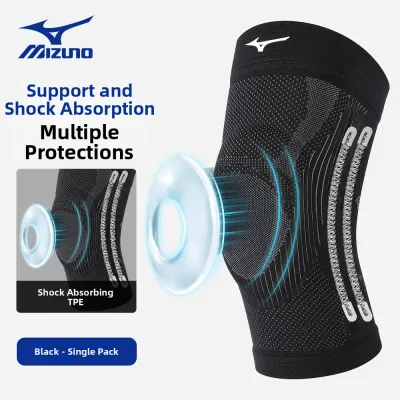
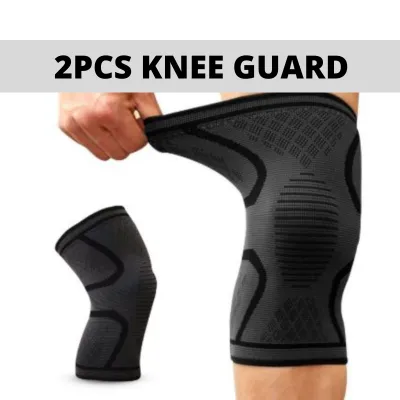
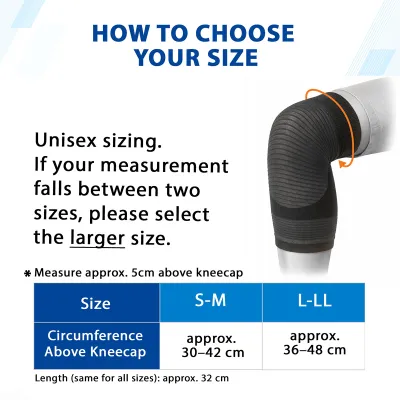
![[BUNDLE OF 2] TAKAMIZU - Orthocare Knee Support](https://img.lazcdn.com/g/p/358694f2fd4b2405e4e66b4a4bf8105e.jpg_400x400q80.jpg_.webp)
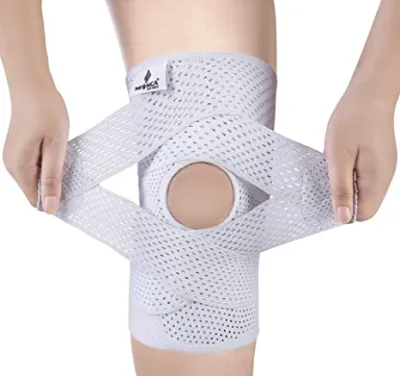
![NEENCA [2 Pack] Knee Brace Knee Compression Sleeve Support with Patella Gel Pad & Side Spring Stabilizers Top Grade Knee Protector for Running Meniscus Tear Arthritis Joint Pain Relief Sport](https://img.lazcdn.com/g/p/35990d04ad7d0b506e3b40e00e2edb4b.jpg_400x400q80.jpg_.webp)
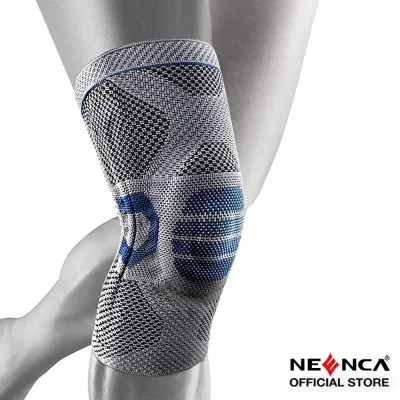
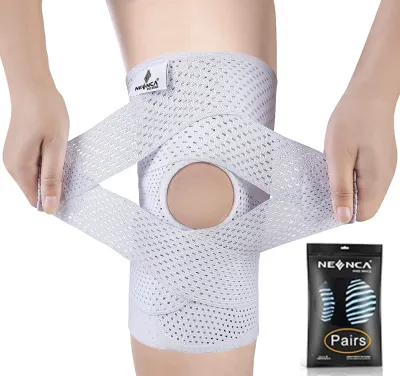
Prices are valid at publication and may change. Please refer to the product page for the latest price.
High-Impact and Court Sports
Court sports like basketball, badminton, and tennis involve rapid acceleration, sudden stops, and sharp lateral pivots. These movements place immense shear stress on the ligaments and require a guard that offers both joint tracking and impact protection. Look for options with integrated padding around the patella to cushion the joint during falls or collisions.
The challenge lies in balancing this impact resistance with the flexibility needed for sprinting. A bulky guard can slow you down, so lightweight materials with high elastic recovery are ideal. Additionally, ensure the guard features secure grip mechanisms, such as internal silicone waves, to prevent it from sliding down when you sweat during intense rallies.
Heavy Lifting and Strength Training
Weightlifting, powerlifting, and functional fitness training subject the knees to massive axial loads and deep joint flexion. In these scenarios, the primary goals are joint warmth, mechanical rebound, and heavy compression. Thick neoprene sleeves are the standard choice here, as they retain heat to keep the joint lubricated and provide a physical cue to maintain proper alignment.
You will need to choose between slip-on sleeves and wrap-style guards. Sleeves offer consistent, uniform compression throughout the movement, while wraps allow you to adjust the tension for specific heavy sets. Whichever style you choose, verify that the material does not bunch up or pinch the sensitive tissue behind your knee when you reach the bottom of a deep squat.
Endurance and Repetitive Motion
For activities like running, cycling, or hiking, your knees undergo thousands of repetitive, low-impact cycles. Here, heavy padding or rigid support is often counterproductive, as it adds unnecessary weight and increases the risk of chafing. Instead, prioritize lightweight, highly breathable fabrics that actively wick moisture away from your skin.
A low-profile compression sleeve is usually sufficient for endurance athletes. It provides mild to moderate compression, which helps support muscle endurance and joint awareness without restricting blood flow over long distances. Look for flatlock seams and seamless knit constructions to minimize friction against the skin during hours of continuous movement.
Daily Wear and Light Recovery
If you are managing mild daily discomfort, recovering from a minor strain, or spending long hours standing at work, you need a guard designed for extended comfort. These guards should be thin enough to fit discreetly under regular trousers or office wear without creating bulk.
For daily wear, focus on mild compression and basic patella stabilization rather than rigid structural support. The material should be highly breathable, such as a lightweight knit blend, to prevent heat buildup in warm climates. Ensure the fit is snug enough to provide support but gentle enough to avoid restricting circulation during prolonged periods of sitting or standing.
Key Features to Match Your Movement Demands
When evaluating different knee guards, you must look closely at their structural features to ensure they match your physical demands. Support levels generally fall into three categories: mild compression sleeves, supportive braces with flexible side stabilizers, and rigid hinged braces. Sleeves are excellent for warmth and proprioception, while side stabilizers offer moderate lateral support, and hinged designs physically prevent the knee from bending sideways.

Another critical feature is patella stabilization. Open-patella designs feature a cutout that relieves pressure on the kneecap and helps it track correctly, often supported by a built-in gel ring. Closed-patella designs cover the entire joint, offering uniform compression and heat retention but less targeted kneecap tracking.
You must also examine the anti-slip mechanisms. High-quality guards often utilize medical-grade silicone strips or adjustable hook-and-loop straps to keep the sleeve anchored. Finally, inspect the seam placement and material durability; reinforced stitching and flat seams are essential for preventing skin irritation during repetitive movements.
Sizing and Fit: Ensuring Comfort and Stability
An improperly fitted knee guard is either useless or harmful. If it is too loose, it will slip down constantly and fail to provide the necessary compression; if it is too tight, it can restrict blood flow and cause muscle cramping. To find the correct size, always measure your leg according to the manufacturer’s specific guidelines rather than relying on your standard clothing size.
Typically, you will need to measure the circumference of your thigh and calf at specific distances—usually 10 to 15 centimeters—above and below the center of your kneecap. Use a flexible measuring tape and stand with your leg slightly bent. If your measurements fall between two sizes, consider your body composition; those with highly muscular thighs or calves often benefit from sizing up to prevent the top band from rolling down.
When trying on a new guard, check for immediate warning signs of a poor fit. These include pinching behind the knee, deep red marks on your skin, or a tingling sensation in your toes. While some materials may soften slightly after a few uses, a guard should never feel painfully restrictive or cause numbness from the very first wear.
Cross-Scenario Compatibility: Can One Guard Do It All?
Many active individuals participate in multiple sports and wonder if a single knee guard can serve all their needs. While a versatile, moderate-compression sleeve can transition reasonably well from a light gym session to a weekend jog, there are clear limits to multi-use gear. A guard designed to do everything often compromises on specialized features, such as heavy-duty padding or maximum breathability.
For example, using a thick, heat-retaining weightlifting sleeve for a long-distance run can lead to excessive sweating, skin chafing, and discomfort. Conversely, a lightweight running sleeve will not provide the heavy mechanical rebound or joint warmth required for near-maximal squats.
If your routine involves highly diverse activities, it is usually wiser to invest in two distinct guards. However, if you prefer a single option, look for adjustable designs. Some guards feature removable side stabilizers or adjustable strap systems, allowing you to increase the support level for court sports and strip it down for lighter activities.
Safety Checks and When to Consult a Professional
While a knee guard is an excellent supportive tool, it is not a cure for underlying joint issues. It is vital to monitor how your body responds during and after use. Check regularly for signs of restricted circulation, such as coldness in your feet, persistent tingling, or skin discoloration below the knee. If you notice any of these symptoms, remove the guard immediately.
You should also inspect your skin for signs of irritation, chafing, or allergic reactions to materials like silicone or neoprene. Remember that wearing a guard cannot compensate for poor lifting technique, inadequate warm-ups, or lack of muscle strength. Relying too heavily on a brace to mask pain can lead to further joint damage.
If you experience persistent knee pain, swelling that does not subside, or a feeling of joint instability, stop using the guard and consult a qualified healthcare professional or physical therapist. They can provide an accurate diagnosis and help you integrate the guard into a comprehensive recovery or training plan.
Frequently Asked Questions (FAQ)
How should I wash and maintain my knee guard?
To preserve the elasticity, grip, and hygiene of your knee guard, regular and gentle cleaning is essential. Most guards should be hand-washed in cool water using a mild detergent to avoid breaking down the elastic fibers. If you prefer using a washing machine, place the guard in a mesh laundry bag and select a gentle cycle. Always air-dry the guard flat in a shaded area; direct heat from a dryer or sunlight can warp the neoprene, degrade the silicone grip strips, and ruin the elastic tension. Always check the manufacturer’s care label for specific instructions.
Is it safe to wear a knee guard all day?
Wearing a knee guard all day is generally not recommended unless specifically advised by a medical professional. Continuous compression over extended periods can restrict blood circulation, cause skin irritation, and lead to muscle dependency, where the surrounding muscles weaken because they rely on the guard for stability. It is best to wear the guard during your active hours or workouts, and remove it during periods of rest, sleep, or prolonged inactivity. This allows your skin to breathe and encourages your muscles to actively support the joint.
Community discussion
Share your experience or ask a question. Comments are reviewed before publication.